Bulgur Biryani

15 November 2024

Turkey meets India this time round on KCC as we cook Turkey’s beloved bulgur wheat in in Indian biryani style. Bulgur, parboiled, dried and cracked wheat, is a quick-cooking alternative to rice that works really when combined with spicy vegetables.

Bulgur biryani

Biryani belongs to the family of layered rice dishes that includes Uzbekistan’s plov and other pilafs. The name is from the Persian barian, which translates as ‘roasted’.

The dish was originally brought to the Indian sub-continent by travellers from Iran and has developed into a number of regional variations, with the Hyderabadi one, served with a yoghurty raitha, being the most famous.

As bulgur is parboiled, it cooks really quickly. It takes around 15 – 20 minutes to cook – the total prep time for this dish is less than an hour from start to finish and it is cooked in one-pan, so less washing up to worry about.

Ingredients (for two servings)

  • 100g coarse bulgur
  • 100g diced carrot
  • 100 g courgette
  • 150 g cooked chickpeas
  • 25 g tomato paste
  • 25 g pepper paste (we used tatli (sweet), if you want it hot, use acili)
  • 20 ml olive oil
  • 1 stick of celery (approx 25 g)
  • 2 spring onions (approx 10 g)
  • 1 green pepper (approx 30 g)
  • 250 ml vegetable stock
  • 1 cinnamon stick
  • 1 teaspoon each of mustard seeds, cumin seeds, turmeric, fenugreek, chilli powder
  • 25 g fresh coriander

Method

  • Heat the oil in a large frying pan and add the mustard seeds. When they start to pop, add the chopped spring onion and celery and cook for two minutes. Then add the chopped green pepper and diced carrot and cook for two more minutes. Add the courgettes and cook for another two minutes.
  • Add the spices and stir well and then add the cooked chick peas and the vegetable stock. Stir in the tomato and pepper paste, bring to a boil and then reduce the heat to a gentle simmer. Add the bulgur in a layer over the veggies. Put a lid on the pan and cook over a low heat for 15 – 20 minutes until all the liquid is absorbed.
  • Turn off the heat and allow the mix to rest for ten minutes or so. Stir well and then serve. Garnish with chopped coriander.

Courgette GrillFest

24 July 2024

With the rain finally relenting here in Almaty, Kazakhstan, it’s time to hit the great outdoors for the BBQ season. Courgettes, zucchini to our North American friends, are in their prime at the moment and this versatile vegetable makes a great addition to a barbecue platter.

One thing about courgettes is that they contain a lot of liquid, so before cooking you can remove some of the excess by cutting the courgette into two slices down the middle and then use a knife to cut diagonals into the fleshy side. Sprinkle with salt and leave for 30 minutes then squeeze out the excess liquid.

Pour some olive oil over the courgette halves into the diagonal cuts and then cook on the grill, turning to brown both sides. These courgette slices can also be baked in a hot oven (180 c) for 30 minutes or fried in a pan until browned. We served them with some parboiled new potatoes, finished on the grill, and a slab of char-grilled halloumi. Add a green salad for a great outdoor meal.

Scrappy, Hempy Courgette Hash

10 Aug 2023

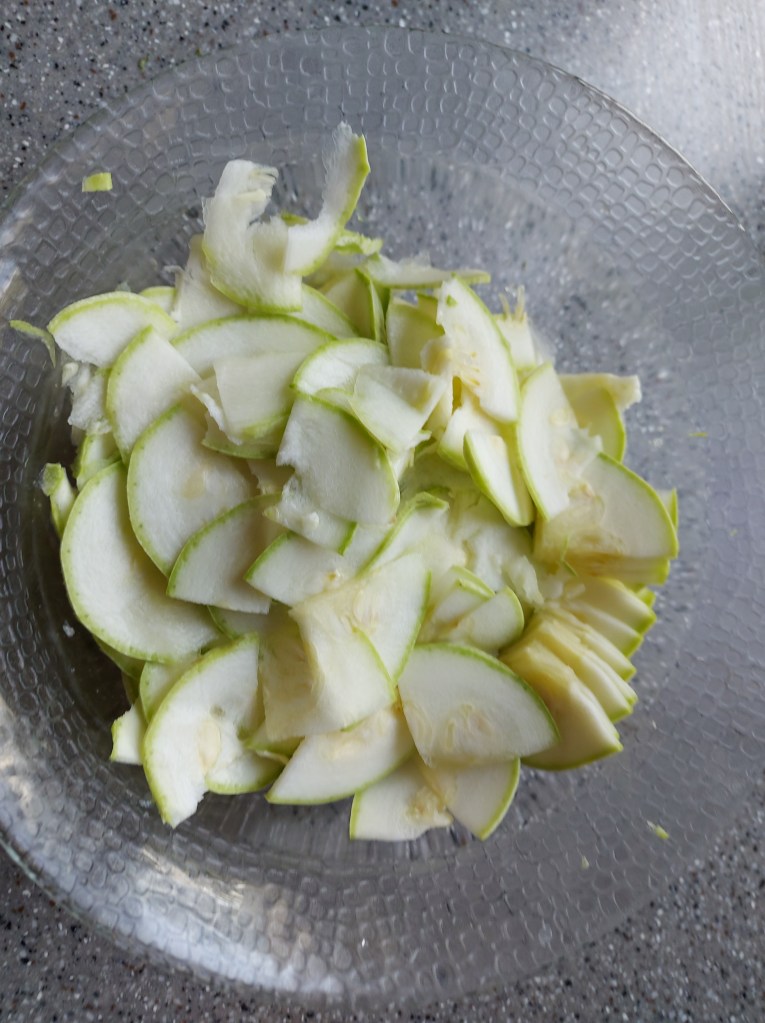
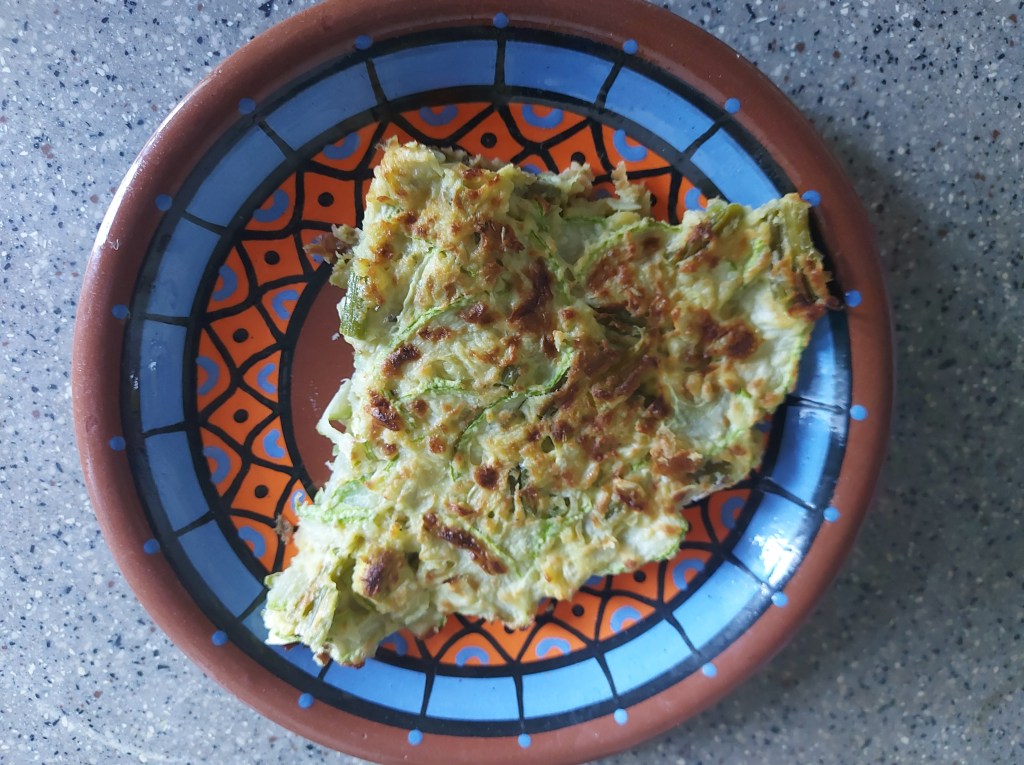
It’s that time of year again when you’ve got more courgettes than you know what to do with so here at KKC we’re looking at scarpaccia from Italy’s Tuscany region. Our take on this crispy tart uses chickpea flour, thinly sliced courgettes, garlic scapes, rosemary, parsley and the mystery ingredient, hemp seed oil.

Try a slice of KCC’s scrappy, hempy courgette hash!

A friend in Uzbekistan recently gave KCC a bottle of locally-produced, premium quality, first pressing hemp seed oil from a company called Leodar. Hemp seed oil adds an earthy, nutty flavour to dishes and salad dressings.

Hemp, the non-psychoactive cousin of marijuana, grows wild in many parts of Central Asia. It’s ideally suited to the arid conditions found here – a much better choice than thirsty cotton. Besides oil, this versatile plant can be used for textiles, paper and bio fuel amongst others.

The return of the scapes!

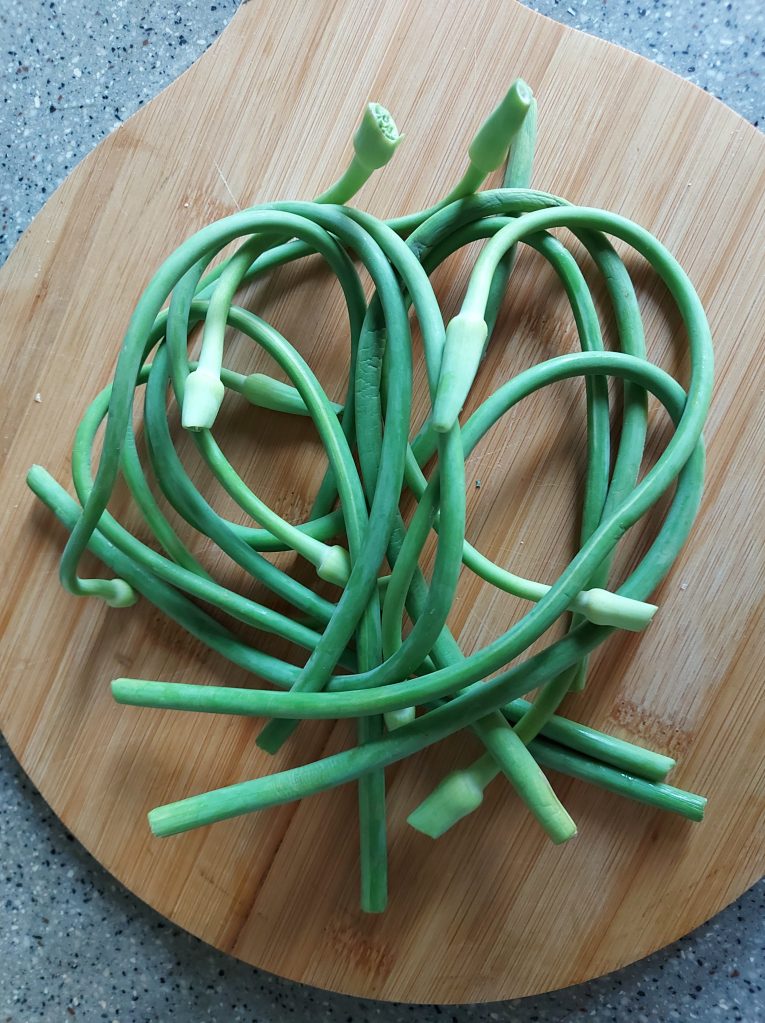
Regular readers may well remember garlic scapes, the edible stem that grows from the garlic bulb, from a previous recipe – a variation on the mücver theme. This flavoursome peduncle gives a mild garlicky kick to pies and tarts, soups and salads, pesto and stir fries.

Ingredients (serves 4)

  • 500 g courgette – thinly sliced with a potato peeler or similar
  • 50 g garlic scapes – cut into 1 – 2 cm slices
  • 2 teaspoons rosemary
  • 5 g fresh parsley
  • 50 g chickpea flour
  • 25 ml hemp seed oil (or any flavoursome oil you have to hand)
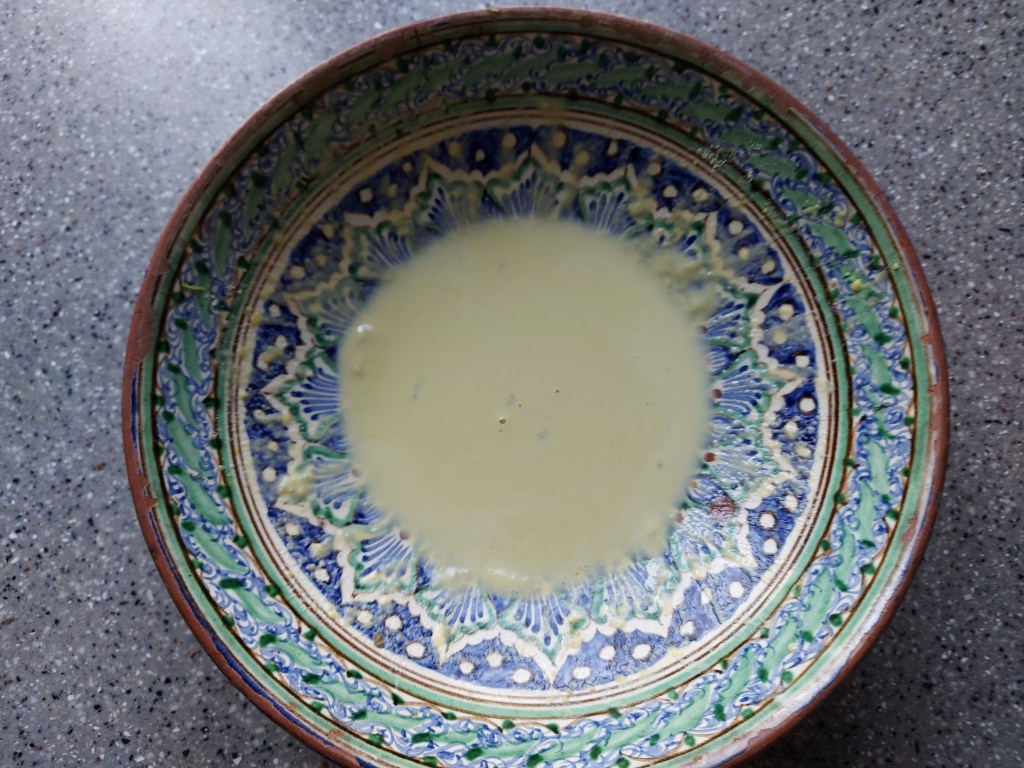
  • 75 ml water, including any liquid left over from straining the sliced courgettes

Method

KCC’s Courgette, Coconut and Mung Bean Mash Up

10 November 2022

As the first snow falls here in Almaty, it’s time for some heartier fare. This recipe started out life as courgette soup, but the sudden drop in temperature called for something with a bit more oomph so we added some mung beans and dried coconut to give it a more stew-like consistency. To add a bit of colour, we sprinkled some pomegranate seeds on top and gave it a drizzle of pomegranate sauce before serving.

KCC’s Courgette, Coconut and Mung Bean Mash Up

The delicate, thin courgettes of the summer are giving way to the robust, denser marrows of autumn – perfect for making into a soup. Mung beans are a versatile store cupboard basic – they can be added to stews or grown into bean sprouts for stir fries and salads – check out more recipe ideas here. They’re a staple in home-cooked meals in Uzbekistan, where they’re known as mash, hence the “mash up” in the name of this dish.

Winter is coming to Almaty…

Ingredients (makes four servings)

  • 1 kilo courgette
  • One celery stick
  • One medium onion
  • Bunch of radish leaves
  • 200 g dried mung beans (soaked overnight)
  • 50 g desiccated coconut
  • 50 ml olive oil
  • Two teaspoons dried thyme
  • Two teaspoons cumin seeds
  • 1.5 litres vegetable stock
  • Pomegranate seeds and Pomegranate sauce to garnish

Method

  • Heat the olive oil in a heavy-based pan and fry the cumin seeds until starting to crackle and then add the diced onion and cook for five minutes over a medium heat. Next add the diced celery, lower the heat and and cook for another five minutes, stirring occasionally. Cut the courgette into four pieces lengthwise and then slice into 1 cm thick chunks. Add to the pan along with the thyme and stir fry for ten minutes. Add one litre of vegetable stock and the chopped radish leaves and simmer over a low heat for twenty minutes.
  • While the soup is simmering, cook the mung beans in a separate pan with 500 ml vegetable stock and the coconut. Cook for twenty – thirty minutes or so until the beans are softening or until all the liquid is absorbed. 
  • Remove around 25% of the courgette mix and blend the rest to a smooth consistency with a stick blender. Add these blended courgettes to the cooked mung beans and stir well. Bring to a boil and then add the reserved courgette mix. Pour into soup bowls,  garnish with a few pomegranate seeds and a drizzle of pomegranate sauce and serve immediately.

Pumpkin-topped Beany Bake a.k.a. Halloweenish Shepherd’s Pie

28 October 2022

Here in the northern hemisphere we’re moving into the “darker half” of the year with the nights growing longer and the mercury dropping rapidly. Halloween is just around the corner so it’s that pumpkin time once again. Here at KCC we’re always looking cut down food waste so this year we’ve got another idea of how to use up your excess squash – a vegan variant on Shepherd’s pie.

Pumpkin-topped Beany Bake a.k.a. Halloweenish Shepherd’s Pie

Halloween has its origins in the Celtic pagan festival of Samhain that marked the end of the harvest period and the onset on the dark months of winter. It was an excuse for a wild party with feasting and drinking at a time when the boundary between our world and the spiritual world was held to be at its thinnest. 

Halloween, which is the evening before All Saints’ Day, 1 November, in the Christian calendar, is still the time when many remember the souls of the dead. Many Halloween traditions in North America were influenced by Irish and Scottish immigrants, harking back to the festival’s pagan roots.

The pumpkin, the round, oversized orange vegetable, native to the New World, has become a symbol of the festival. This has led to millions of pumpkins going to waste so here’s a reminder of some more of our pumpkin recipes to try and reduce the scale of this problem.

Ingredients (serves four)

  • 500 g pumpkin
  • One medium onion
  • One stick of celery
  • One medium carrot
  • One medium green pepper
  • One medium courgette
  • Two medium tomatoes
  • One tablespoon tomato paste (or Turkish hot pepper paste if you can find it)
  • 300 g cooked beans (cannellini or kidney beans 0r a mix of the two)
  • 75 g red lentils
  • 200 ml  vegetable stock
  • 50 ml olive oil
  • One teaspoon chilli flakes
  • One teaspoon turmeric 

Method

  • Clean the pumpkin by removing the hard outer skin and the seeds (if there are any) and then chop into small cubes, put into a baking dish and drizzle with olive oil and mix well. Roast in a pre-heated oven at 180 c for 30 minutes, stirring occasionally.
  • While the pumpkin is roasting, heat the oil in a heavy-based pan and then cook the finely chopped onion over a medium heat for five minutes.  Add the diced celery, green pepper and carrots and cook for another five minutes.
  • Mix in the cooked beans, vegetable stock and tomato paste, chilli flakes and turmeric and stir well. When it boils, add the lentils, stir and then cook for 20 minutes or so until all the liquid is absorbed. While this is cooking, top and tail the courgettes and cut into 1cm thick rounds. Thinly slice the tomato.
  • Remove the pumpkin and mash with a fork or a potato masher. Put the bean mixture into the bottom of the baking dish and cover with courgette rounds. Cover the courgette with tomato slices and then pack the mashed pumpkin on top of the tomatoes. Decorate with pumpkin seeds and bake at 180 c for 30 minutes or until the top of the pie begins to char.


Apricot and Lentil Courgette Roundels

13 October 2022

It’s that in-between time of year as the nights grow longer and thoughts turn towards more substantial meals after a long summer of salads and lighter fare. The last of the seasonal vegetables such as tomatoes and courgettes are perfect for stuffing and baking in the oven, making a bridge between summery salads and the heartier soups and stews of winter that are coming up.

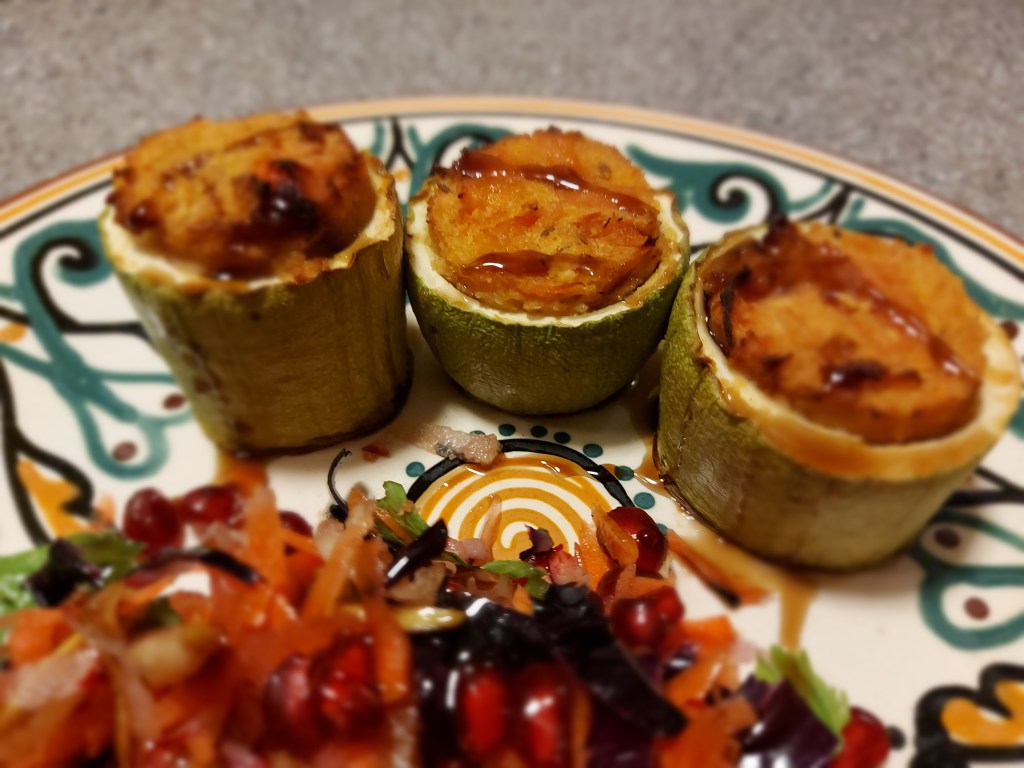
Apricot and lentil courgette roundels drizzled with pomegranate sauce and served with a seasonal salad

We stuffed some courgettes with a mixture of red lentils, apricots, tomato, onion, bulgur wheat and lemon juice to make a versatile roundel that can be served as part of a main course or eaten on its own as a meze, a fully vegan alternative to the sausage roll!

Apricot and lentil courgette roundel – a vegan alternative to the sausage roll?

The autumn fruit is at its best at the moment, and we’ve added some pear and pomegranate to an autumnal red cabbage, carrot, celery and radish salad to accompany these apricot and lentil courgette roundels to make a great lunch or supper. By adding a jacket potato, you can make it into a more filling main course.

Ingredients (makes enough mixture for 10-12 roundels)

  • Three medium sized courgettes
  • 100 g red lentils
  • 50 g dried apricots (or four fresh apricots if available)
  • One small red onion (approx 75 g)
  • One medium tomato (approx 100 g)
  • 50 g fine bulgur wheat
  • 25 ml olive oil
  • 200 ml vegetable stock
  • Juice of half a lemon
  • One teaspoon cumin seeds
  • One teaspoon red chilli flakes
  • Black pepper to taste

Method

  • Cut the dried apricots into eight pieces and soak in hot water for at least 30 minutes. While the apricots are soaking, heat the oil in a heavy based pan and add the cumin seeds. When they start to sizzle, add the finely chopped onion and fry over a medium heat until they start to soften. Grate the tomato into the fried onion and cook over a low heat for five minutes or so, stirring occasionally.
  • Now add the washed lentils, pour in the stock and stir. Cook over a low heat for 15-20 minutes until most of the water has been absorbed. Add the fine bulgur wheat, mix it in well and leave covered for 15 minutes. Drain the apricots and stir them into the mixture. Add the lemon juice, chilli flakes and black pepper to taste and mix well.
  • While the lentils are cooking, start to prepare the courgettes by slicing off the ends to make them flat. Cut into 3 cm slices. Gouge out the seeds with a small spoon, leaving a little bit of flesh at the bottom of the roundel.
  • Pre-heat the oven to 180 c. When the lentil mix is cool, pack it into the courgette roundels and stand them on a baking tray with the filling topmost. Bake at 180 c for 30 minutes or so – the courgette should still be firm and not too squidgy and the lentil mix should rise slightly and be beginning to brown on top. 
  • Serve alongside a salad of red cabbage, carrot, celery, radish, pear and pomegranate and a jacket potato, drizzling pomegranate sauce over the roundels or allow to cool and serve the roundels as a snack on their own.

Lentily Lecho Laghman

21 October 2021

Greetings from Tashkent, Uzbekistan where KCC has been based for the last three weeks on a foodie fact finding mission. Uzbekistan is the land of plov, but is also home to a wide range of pasta dishes such as manti (dumplings), laghman noodles and many cousins of ravioli.

The autumn pickling and preserving season is in full swing with vegetables such as peppers, tomatoes and aubergines cheap and abundant. Our friend gave us a jar of her homemade lecho, a pepper, tomato and onion stew, with herbs and spices added according to your taste. Lecho originated in eastern Europe, so you should be able to track down a jar in your local Polish shop.

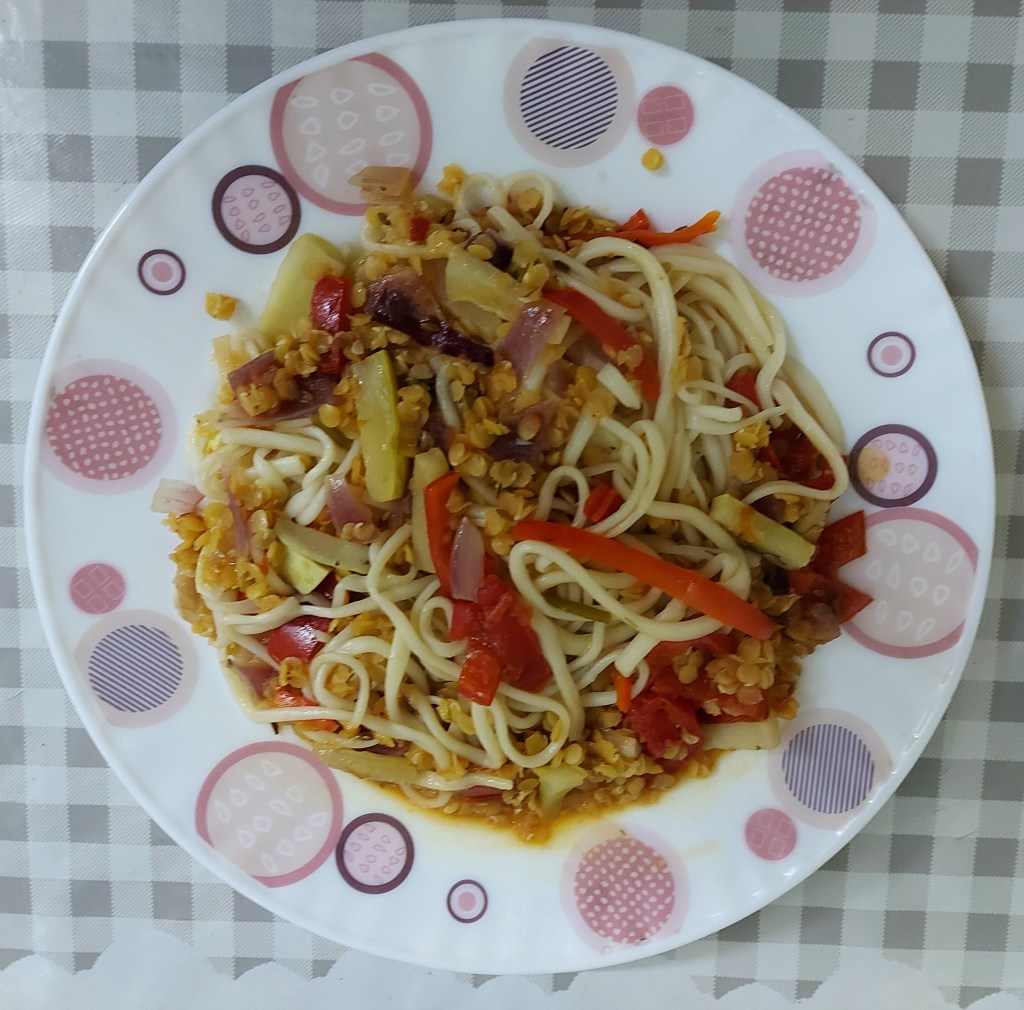
We decided to cook up this lecho with some courgettes and protein-rich red lentils to make a tasty laghman noodle sauce. One of the advantages of being in Central Asia is the ready availability of fresh, hand-pulled noodles in the shops, but if you don’t have access to laghman noodles where you are, then try making your own. Check out this laghman recipe here – it’s a bit time consuming but rewarding!

Ingredients (makes 3-4 servings)

  • 125 g fresh noodles per person
  • 2 small courgettes
  • 1 large red onion
  • 100 g red lentils
  • 250 g lecho
  • 50 ml olive oil
  • One teaspoon cumin seeds
  • One teaspoon red chilli flakes

Method

  • Wash the lentils until the water goes clear and then soak for around 30 minutes. While the lentils are soaking, fry the thinly sliced onion in the olive oil and add the cumin seeds. Cook over a medium heat for ten minutes and then add the courgette that has been grated or cut into 1 mm thick,  5 mm long slices. Cook for ten more minutes over a low heat.
  • Take the red peppers from the lecho and cut into thin slices and add to the pan with the onion and courgette mix. Cook for another ten minutes over a low heat and then drain the lentils and add to the pan along with the red chilli flakes and the liquid from the lecho. Cook until the liquid has been absorbed and the lentils are chewy not mushy.
  • Bring a pan of salted water to the boil and then turn off the heat and put the noodles in for a few minutes, Drain and then add the noodles to the sauce and stir well. Serve straight away with a flat bread of your choice.

Bringing the Apples Home to Almaty

9 September 2021

We’re back in action after another glamping trip to Bubble Gum View near Almaty. This peaceful spot, located a 45-minute drive from the city centre, is situated in an orchard and consists of four pods. This time round we were treated to an upgrade to the en-suite pod that has a kitchen and an upstairs bedroom too.

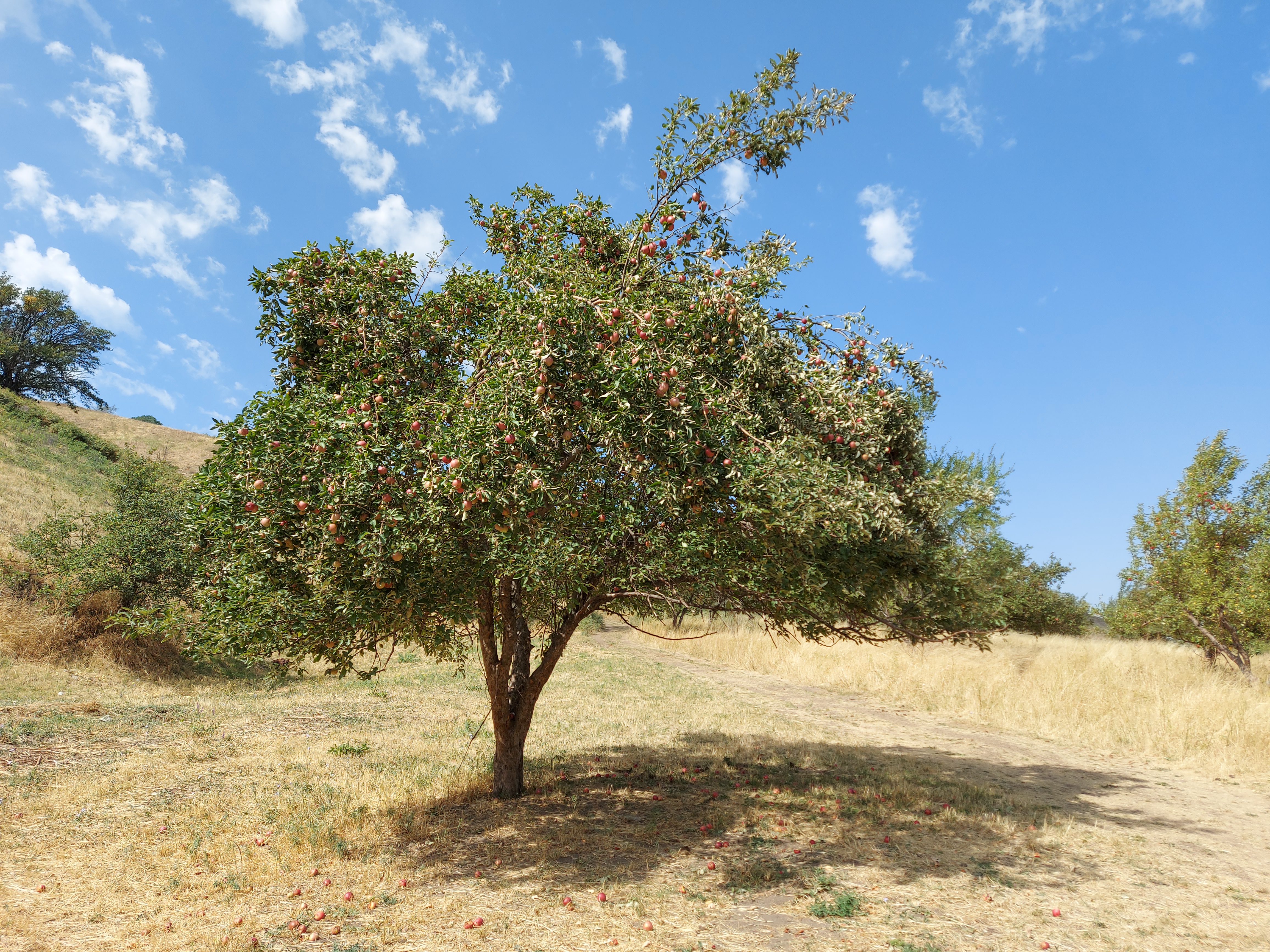
Kazakhstan, Almaty region in particiular, is widely acknowledged as the place where the ancestors of today’s apples evolved. The name Almaty translates from the Kazakh as ‘the place of apples.’ With autumn approaching, the apples are beginning to ripen and we picked a few to bring back to Almaty.

Almaty apple, caper, courgette and rocket salad

With summer making a last stand – the mercury is still hitting the 30s here in Almaty, we used the apples in a salad based on one we had in Greece one time. The Greek version used pears and lettuce, but we’ve swapped in rocket and our homecoming apples. We served it in a wrap with some fresh, homemade hummus and crispy falafels, but it works equally well wherever you’d normally eat salad.

Ingredients (serves 3-4)

  • 125 g courgette
  • 100 g apple
  • 75 g rocket
  • 20 g capers
  • 1 teaspoon chia seeds
  • Juice of half a lemon
  • 15 ml olive oil

Method

Roughly chop the rocket leaves and put at them at the bottom of your salad bowl. Grate the courgette over the rocket leaves. Now grate the apple over the courgette layer, add the capers and sprinkle the chia seeds over the top. Dress with lemon juice and olive oil and mix well.


KCC’s October Squashfest

1 October 2020

With the temperatures tumbling in the second half of September, thoughts turned to the opening of the pumpkin season, which traditionally starts on 1 October in the world of Knidos Cookery Club.

There’s a definite chill in the air and we’ve even got the heating coming on two weeks ahead of schedule here in Almaty, Kazakhstan. So, it’s certainly time for some autumn comfort food.

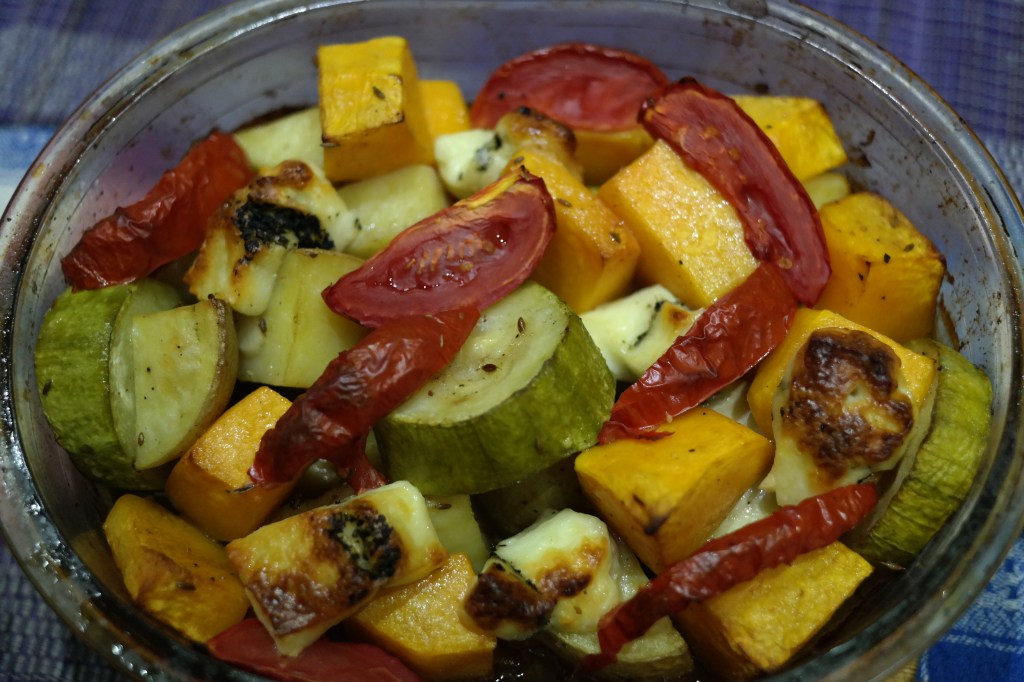
We’ve combined the first butternut squash of the season with the summer’s last stand of courgettes and tomatoes and some minty halloumi cheese to come up with a roast that conjures up the pale green, orange and red hues of the falling leaves synonymous with this time of year.

Ingredients (serves 3-4 people)

  • 300 g Butternut squash 
  • 300 g Courgettes (Zuchinni)
  • Three plum (Roma) tomatoes
  • 200 g halloumi
  • One teaspoon cumin seeds
  • 50 ml olive oil

Method

  • Cut the butternut squash into 2 cm cubes – you can peel the butternut or leave the skin on if you wish. Cut the courgette into 1 cm slices and cut in half to make semi-circles.
  • Put them in an ovenproof dish, sprinkle the cumin seeds and pour the olive oil over the vegetables and mix well. Cover the dish with tin foil and cook in the oven at 150 c for one hour. Give the veggies a stir after 30 minutes
  • Remove the foil and stir well. Add the tomatoes, sliced into six wedges and the halloumi, cut into 2 cm cubes. Place these on top of the squash and courgettes and bake at 150 c for another 30 minutes or until the cheese starts to look charred.
  • Serve with a flat bread such as pita or chapati. You can bake some jacket potatoes in the oven with the roast veggies to make the meal more substantial or serve with pasta, rice, bulgur wheat or pearl barley.

Hash Greens: More Mücver Variations

17 September 2020

This time round on KCC we’re returning to mücver, Turkey’s versatile courgette fritter, with our take on that brunch staple Hash Browns. This mücver variation adds potato and garlic scapes to the mix to give us a fritter we’ve dubbed Hash Greens.

These fritters are super-easy to prepare and cook and are great as part of a breakfast or brunch. They can also be served in a roll to make it closer to a veggie burger.

We came across garlic scapes, the edible stem that grows from the bulb, on a recent visit to the local greengrocer while looking for green beans. This flavoursome peduncle gives a milder garlicky kick to soups, pestos and stir fries. It’s not an overpowering flavour as it adds a subtler, roasted garlic undernote to these dishes.

Ingredients (Makes 6-8 fritters)

  • One medium courgette (zucchini) (approx 200 g)
  • One medium potato (approx 200 g)
  • One small onion (approx 100 g)
  • 50 g garlic scapes
  • 100 g chickpea flour
  • 25 g mixed fresh herbs
  • One teaspoon cumin seeds
  • One teaspoon chilli flakes
  • One teaspoon turmeric
  • One teaspoon black pepper
  • 50 ml olive oil

Method

  • Grate the potato and courgette and mix together in a large bowl. Finely chop the garlic scapes and add to the bowl. Stir in the chickpea flour and add the herbs (use and fresh herbs you have e.g. parsley, coriander, mint) and spices and mix well so you have a smooth that’s neither too dry and crumbly nor too wet and sloppy.
  • Heat the oil in a frying pan. Form the mix into golf-ball sized patties and then put in the pan and flatten with a fish slice or spatula. Fry until golden-brown on both sides. Serve as part of a breakfast or brunch or in a bun as a burger with toppings of your choice.