Bulgur Biryani

15 November 2024

Turkey meets India this time round on KCC as we cook Turkey’s beloved bulgur wheat in in Indian biryani style. Bulgur, parboiled, dried and cracked wheat, is a quick-cooking alternative to rice that works really when combined with spicy vegetables.

Bulgur biryani

Biryani belongs to the family of layered rice dishes that includes Uzbekistan’s plov and other pilafs. The name is from the Persian barian, which translates as ‘roasted’.

The dish was originally brought to the Indian sub-continent by travellers from Iran and has developed into a number of regional variations, with the Hyderabadi one, served with a yoghurty raitha, being the most famous.

As bulgur is parboiled, it cooks really quickly. It takes around 15 – 20 minutes to cook – the total prep time for this dish is less than an hour from start to finish and it is cooked in one-pan, so less washing up to worry about.

Ingredients (for two servings)

  • 100g coarse bulgur
  • 100g diced carrot
  • 100 g courgette
  • 150 g cooked chickpeas
  • 25 g tomato paste
  • 25 g pepper paste (we used tatli (sweet), if you want it hot, use acili)
  • 20 ml olive oil
  • 1 stick of celery (approx 25 g)
  • 2 spring onions (approx 10 g)
  • 1 green pepper (approx 30 g)
  • 250 ml vegetable stock
  • 1 cinnamon stick
  • 1 teaspoon each of mustard seeds, cumin seeds, turmeric, fenugreek, chilli powder
  • 25 g fresh coriander

Method

  • Heat the oil in a large frying pan and add the mustard seeds. When they start to pop, add the chopped spring onion and celery and cook for two minutes. Then add the chopped green pepper and diced carrot and cook for two more minutes. Add the courgettes and cook for another two minutes.
  • Add the spices and stir well and then add the cooked chick peas and the vegetable stock. Stir in the tomato and pepper paste, bring to a boil and then reduce the heat to a gentle simmer. Add the bulgur in a layer over the veggies. Put a lid on the pan and cook over a low heat for 15 – 20 minutes until all the liquid is absorbed.
  • Turn off the heat and allow the mix to rest for ten minutes or so. Stir well and then serve. Garnish with chopped coriander.

Some Striking Salads for the (not so)Bleak Midwinter

29 December 2023

As 2023 draws to a close, let’s take a look at some striking winter salads to liven up the end-of-year table. To complement our perennial favourite, our Olivier (with an Edge) salad, we’re looking to a coleslaw variation to add some colour to the New Year’s Eve spread. With the new year just around the corner, KCC wishes all its readers a prosperous and peaceful 2024, full with culinary adventures and many more mouth-watering meals!

KCC’s take on Olivier salad uses olives instead of meat

This winter has been a strange one here in Kazakhstan. We should be in the depths of winter now, but the snow didn’t arrive until the first week of December. Then there was a week or so of freezing weather with the temperature dipping to -28c, but now, as we approach the end of December, there’s very little snow on the ground in Almaty – it’s even been raining, which is really unusual at this time of the year.

KCC’s coleslaw variation with pear and rocket

The purple hues of red cabbage pair so well with the orange of carrots and the green of rocket. For a bit of bite, we’ve added some grated radish (we used green radishes, but you can use red radishes or mouli if you can’t find green ones), along with some grated pear and pomegranate seeds for a sweet and tart note. Add in some pumpkin and sunflower seeds and raisins before dressing with tahini and pomegranate sauce.

Ingredients (serves  3-4)

  • 100 g shredded red cabbage
  • 100 g grated carrot 
  • 50 g chopped rocket
  • 50 g grated green radish
  • 50 g grated pear
  • 25 g pomegranate seeds
  • 25 g raisins
  • 1 teaspoon dried oregano
  • 2 teaspoons pumpkin seeds
  • 2 teaspoons sunflower seeds 
  • 1 tablespoon tahini
  • 1 tablespoon pomegranate sauce
  • a slice of fresh lime

Method

  • In a large bowl mix the red cabbage, carrot, rocket, green radish, pear and pomegranate seeds together. Add the raisins, oregano, pumpkin seeds and sunflower seeds. Make a dressing with equal parts pf tahini and pomegranate sauce and thin with a bit of hot water to obtain a smooth consistency. Pour over the salad, stir well, give it a squeeze of lime and serve.

Spicy Spinach and Pumpkin Fritters

30 November 2023

With Halloween and Thanksgiving, the two times in the year when pumpkins take centre stage, now behind us, we’ve got a simple idea to use up any leftover pumpkin you may have with this quick and easy spinach and pumpkin fritter recipe.

Spicy Spinach and Pumpkin Fritters

These fritters are totally vegan – there’s no need to add an egg to bind them together as chickpea flour and rolled oats do a great job of soaking up any extra moisture from the spinach and pumpkin and help the fritters hold their shape. They can be shallow fried on both sides in a little oil or baked in the oven for 30 minutes at 180 c. These spicy fritters taste good served with a side salad and chips or in a burger bun or pita with your choice of toppings.

Ingredients (Makes 6-8 fritters)

  • 175 g grated pumpkin
  • 50 g chopped spinach
  • 50 g chickpea flour
  • 25 g rolled oats
  • One teaspoon each of cumin seeds, coriander seeds, oregano, sumac and turmeric.
  • Half a teaspoon cinnamon
  • 25 ml oil for frying

Method

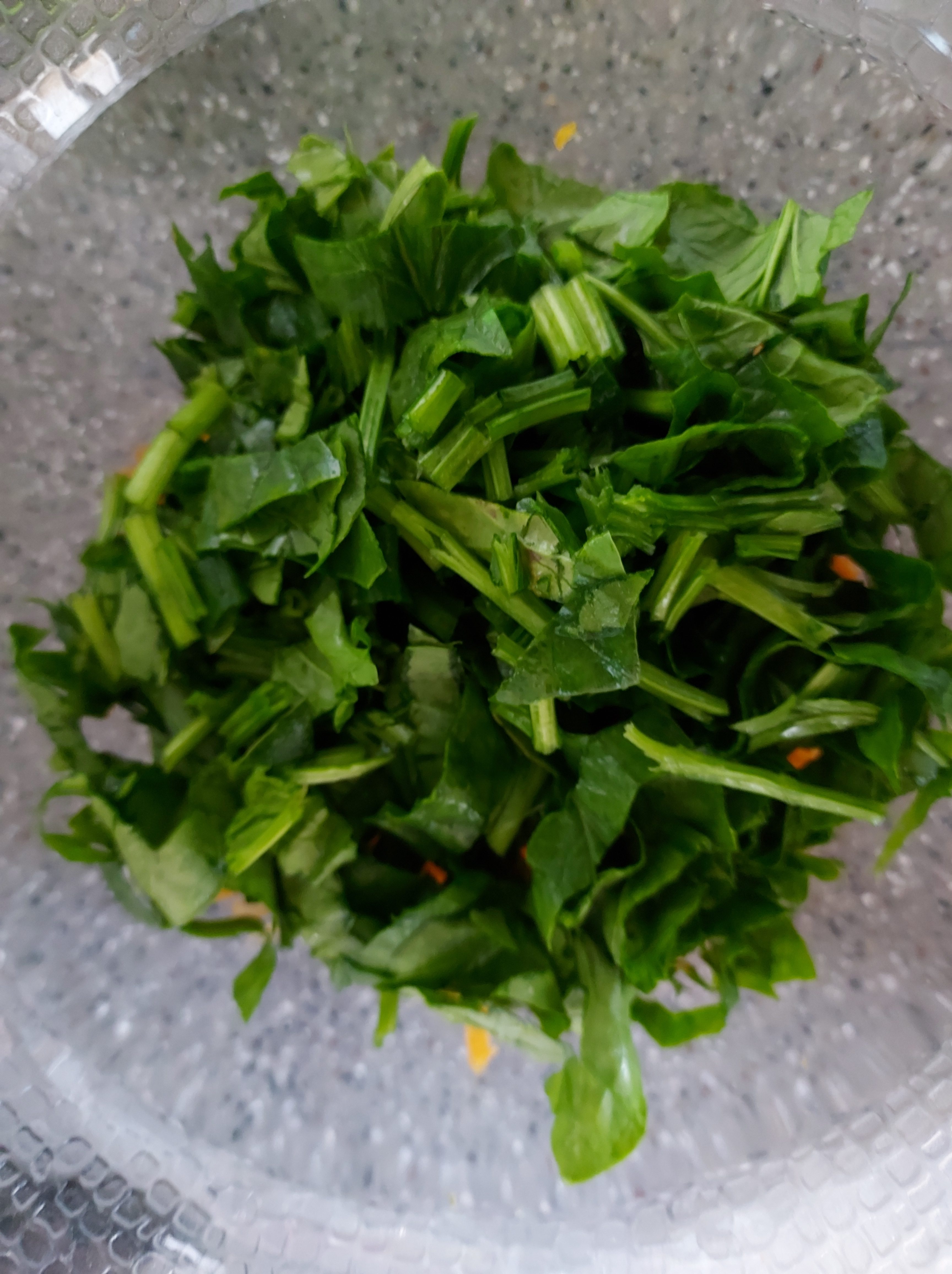
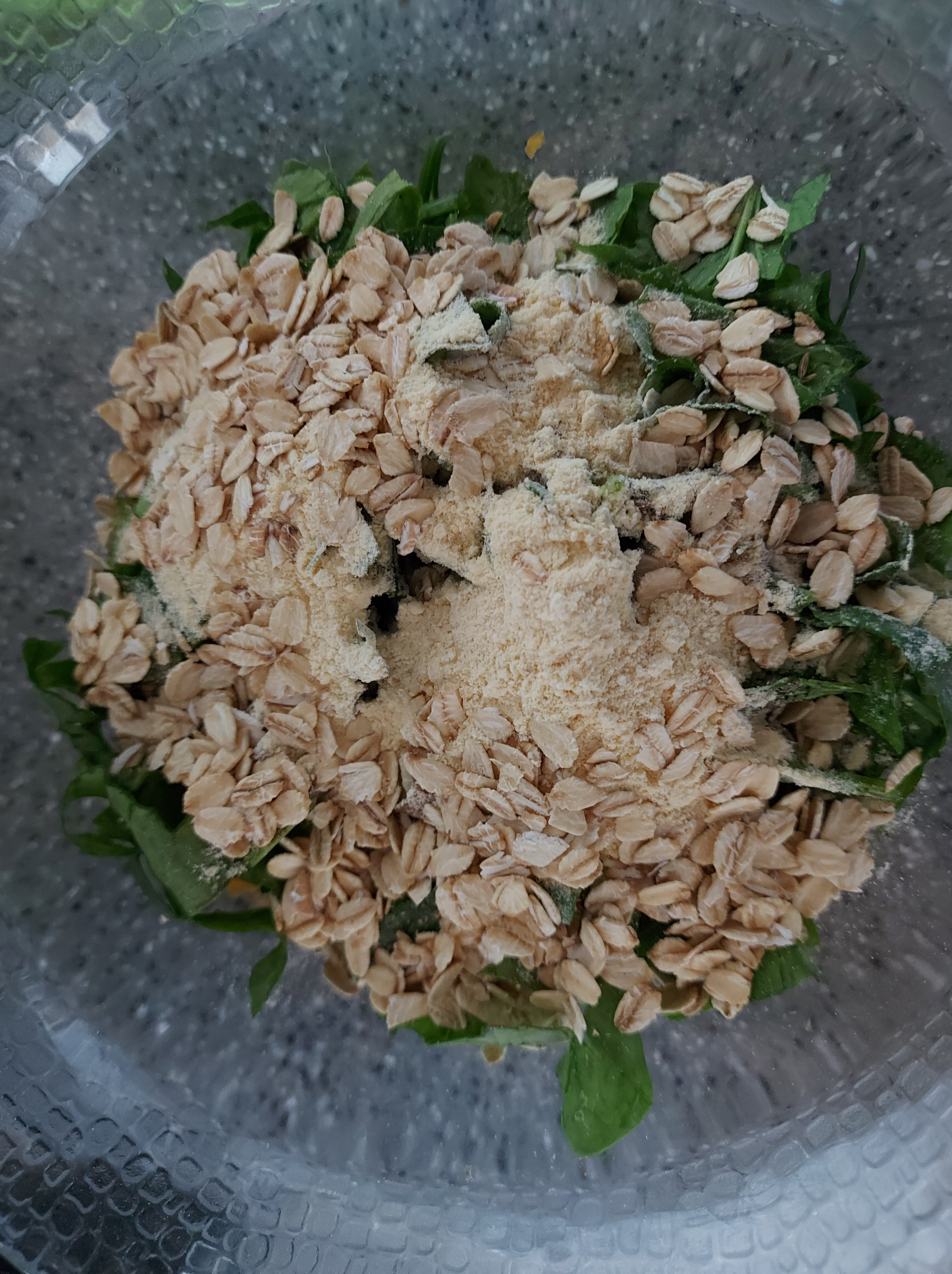
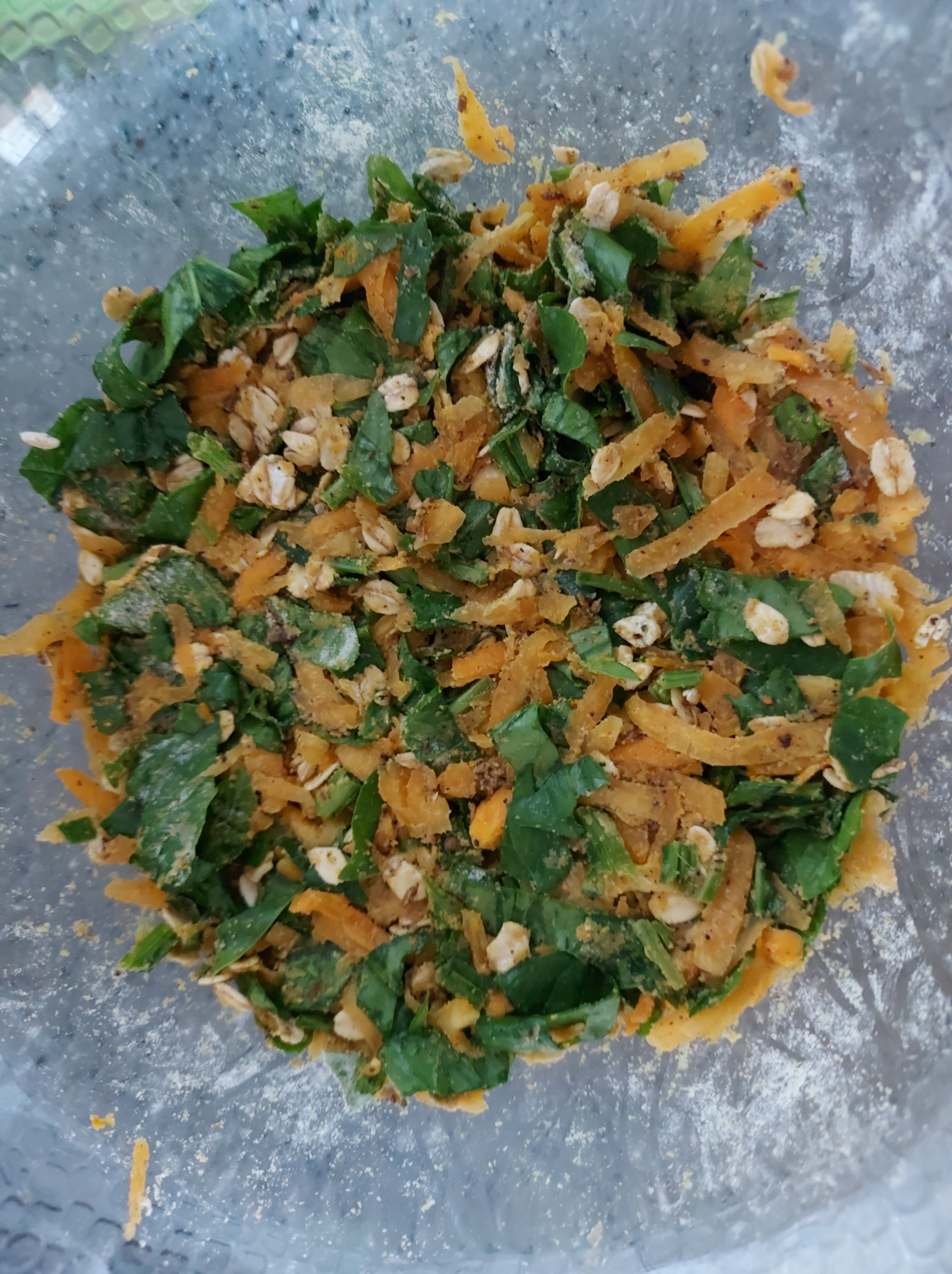
  • Grate the pumpkin into a large bowl, add the chopped spinach and herbs and spices and combine all the ingredients. Now add the rolled oats and chickpea flour and mix well. Leave the mixture to rest for two hours in the fridge, so that any excess moisture is absorbed.
  • Form the mixture into small balls (about the size of a golf ball) in your hands. Heat the oil in a frying pan then turn the heat down low and add as many of the balls as will fit in the pan. Flatten them with a fish slice and after a few minutes turn them over. Cook until golden brown on both sides and then serve straight away.

In Praise of Pakora

22 April 2021

The anniversaries are coming thick and fast here at Knidos Cookery Club and to celebrate our 150th post we’re bringing you a hassle-free recipe for pakora, a spicy fritter from the Indian subcontinent, that can be prepared in under 30 minutes.

Pakora are a great snack that you can eat at any time of the day and are easy to make – just coat vegetable or paneer cheese slices with a spiced chickpea flour batter and then deep-fry them. For a more user friendly and healthier take on this street food classic, you can bake them in the oven as we did with this batch.

We’ve used cauliflower to make pakora this time round, but you can use onion, carrot, potato, peppers, mushrooms or combinations of more or less any vegetable you have handy. Paneer cheese (or halloumi) also works well with this versatile batter. We like to serve the pakora straight from the oven with a yogurt-based cucumber raita to dip them into.

Ingredients (makes enough for 3-4 people)

  • 100 g chickpea flour (also known as gram or besan)
  • 100 ml water
  • 250 g cauliflower broken into florets
  • One teaspoon each of: chia seeds, cumin seeds, turmeric, ginger, chilli powder, black pepper

Method

  • Heat the oven to 200 c. Put the chickpea flour in a large bowl and add the seeds and spices. Slowly add the water and mix to form a batter that is neither too dry nor too runny. Stir in the cauliflower florets and coat thoroughly.
  • Place the individual florets on a baking tray and cook in the top half of the oven for 20 minutes or so – keep an eye on them and if they start to char a bit then they are ready.
  • Serve them straight away with a raita sauce made from yogurt, cucumber and mint.

Pump up the Dhal

20 February 2020

On these chilly, wintry nights there’s nothing better than a bowl of dhal, the Indian subcontinent’s beloved lentil-based comfort food, to warm you up. We’ve added some chunks of roasted pumpkin that blend perfectly with the red lentils, whilst adding a hint of sweetness to the rich, spicy blend.

20191203_221509
KCC’s pumpkin enriched red lentil dhal

In Sri Lanka, where Knidos Cookery Club has just been on a foodie fact-finding mission, dhal (also spelt dal or daal) is a mainstay of the island’s signature curry and rice dish. It’s served any time of the day – it was particularly good served with string hoppers, little nests of steamed rice noodles, and coconut sambol (grated coconut with chillies and lime juice) – a popular breakfast on the island.

SAMSUNG CSC
Breakfast Sri Lankan style – string hoppers with coconut sambol and red lentil dhal in the background

Dhal can be a meal on its own when served with rice or flatbreads, or try it alongside a selection of your favourite vegetable curries. It’s a dish that tastes even better the next day when the spices have been left over night, allowing the different flavours to mix and mingle.

Ingredients (makes 4-6 servings)

  • 125 g red lentils
  • 200 g roasted pumpkin
  • 250 ml water or vegetable stock
  • 50 ml coconut milk
  • 200 g tomatoes
  • One medium onion
  • One teaspoon each of mustard seeds, cumin seeds, coriander seeds, cloves and chilli flakes
  • Two teaspoons turmeric
  • 1 cm knob of ginger
  • One garlic clove
  • One cinnamon stick
  • One star anise
  • One bunch fresh coriander
  • 50 ml olive oil

Method

  • Roast the chunks of pumpkin in a hot oven at 200 c for 20 minutes. While the pumpkin is cooking, heat the oil in a heavy based pan and add the mustard seeds. When the seeds begin to pop, turn the heat down and add the chopped onions, ginger and garlic and the other spices and stir well. Cook for 10 minutes over a medium heat.
  • Wash the lentils until the water runs clear and then add them to the onion mix with the vegetable stock and chopped tomatoes, stir and cook until all the liquid is absorbed. Add the pumpkin chunks and coconut milk. Cook over a low heat until it starts to bubble. When cooked, remove the cinnamon stick and star anise. Garnish with the chopped coriander and serve with rice and/or a flat bread such as chapati or pita.

Put a Bit of Zhug in your Life

14 November 2019

On a recent flying visit to Glasgow, KCC dropped into Ox and Finch in the city’s West End for a bite to eat. This Sauchiehall Street eatery offers a range of tapas-style sharing plates – we opted for the giant couscous with grilled halloumi, a plate of braised leeks, beetroot hummus, grilled baby gem lettuce and, with this being Glasgow, chips of course. 

20191114_140452
A spicy bowl of zhug sauce

This time round, we’ll be recreating the giant couscous dish, made with ptitim, toasted pearls of wheat and semolina, first cooked up in Israel in the 1950’s when rice was in short supply in the early days of the Israeli state. This couscous relative was dubbed Ben-Gurion rice after Israel’s first prime minister. After scouring our local supermarkets, ptitim proved to be in short supply so we’ve replaced them with mung beans!

20191108_222230
Mung beans, zhug, halloumi, pomegranate and pumpkin seeds

Key to this salad is the dressing, a piquant sauce called zhug,  which was brought to Israel by emigrées fleeing persecution in Yemen in the late 1940s. This spicy cousin of Italy’s milder pesto and Mexico’s equally fiery salsa verde, is served often alongside falafel and hummus. The name is said to be derived from mas-chag, the name of the grinding stone traditionally used to crush the spices and herbs into a paste.

Ingredients (serves 2-4)

  • 100 g mung beans
  • 125 g halloumi
  • Sprinkling of pomegranate seeds
  • Sprinkling of roasted pumpkin seeds

For the zhug sauce:

  • One bunch fresh coriander
  • One bunch fresh parsley
  • One garlic clove
  • Two teaspoons red chilli flakes
  • One teaspoon black peppercorns
  • One teaspoon cumin seeds
  • One teaspoon coriander seeds
  • One teaspoon cardamom seeds
  • Juice of half a lemon
  • 25 ml olive oil

Method 

  • To make the zhug sauce, put all the ingredients except for the olive oil in a blender and give it quick blitz. Don’t overdo the blending as you want a slightly chunky texture. Now slowly add the olive oil, blitzing until it is mixed in with the other ingredients. Put in a glass jar – it should keep for a couple of weeks in the fridge.
  • Cook the mung beans until tender. While the mung beans are cooling, grill the halloumi until a golden-brown colour. Then mix the cooled mung beans with a tablespoon of zhug, arrange the grilled halloumi on top, sprinkle with pumpkin and pomegranate seeds and serve with a selection of your favourite meze dishes.


Julienne Funchoza’s Noodle Extravaganza

18 July 2019

This time round on Knidos Cookery Club we’re looking at some ways to beat the heatwave with a noodle-based salad that can be whipped up with the minimum of fuss.

20190711_203617

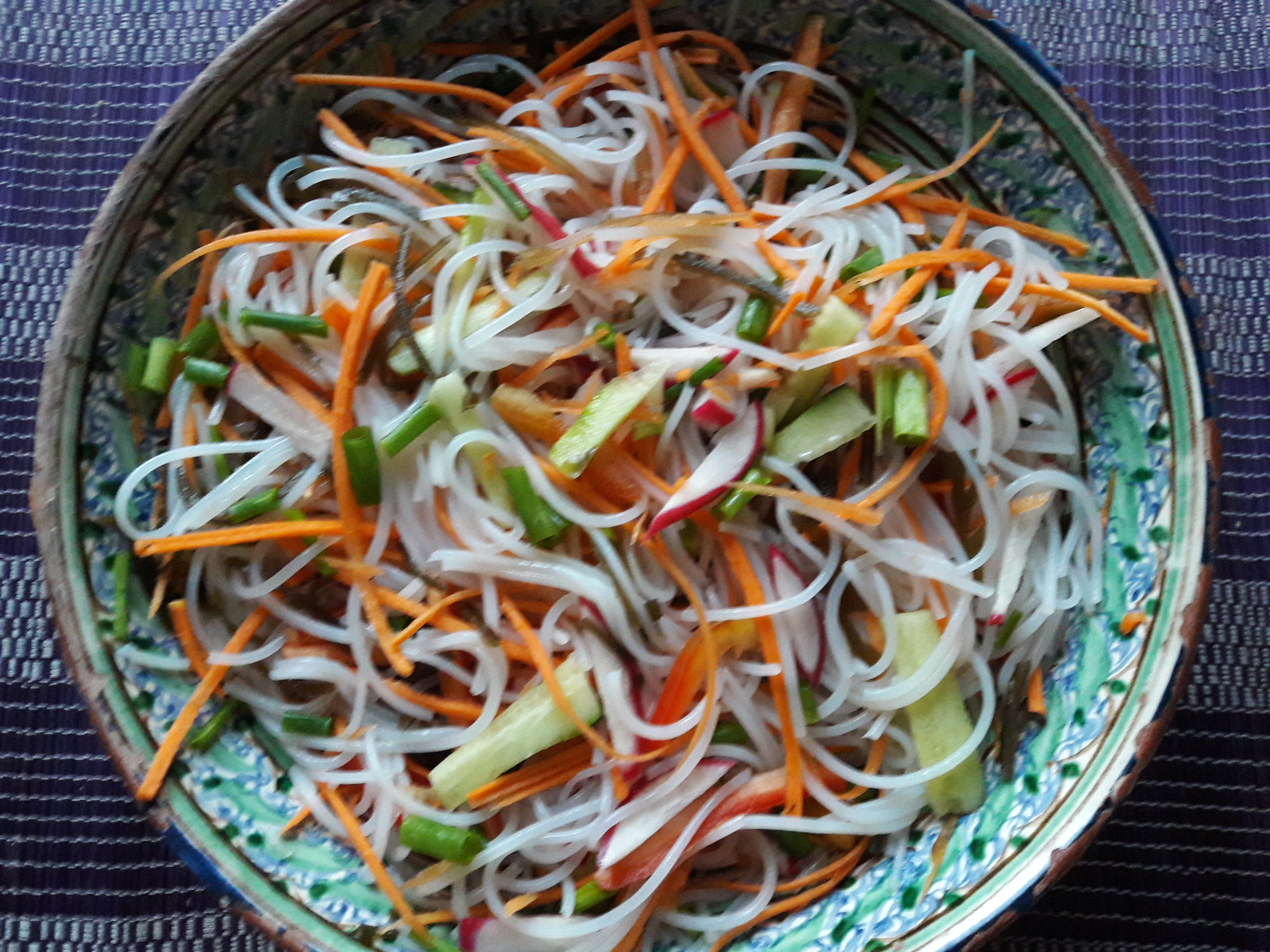
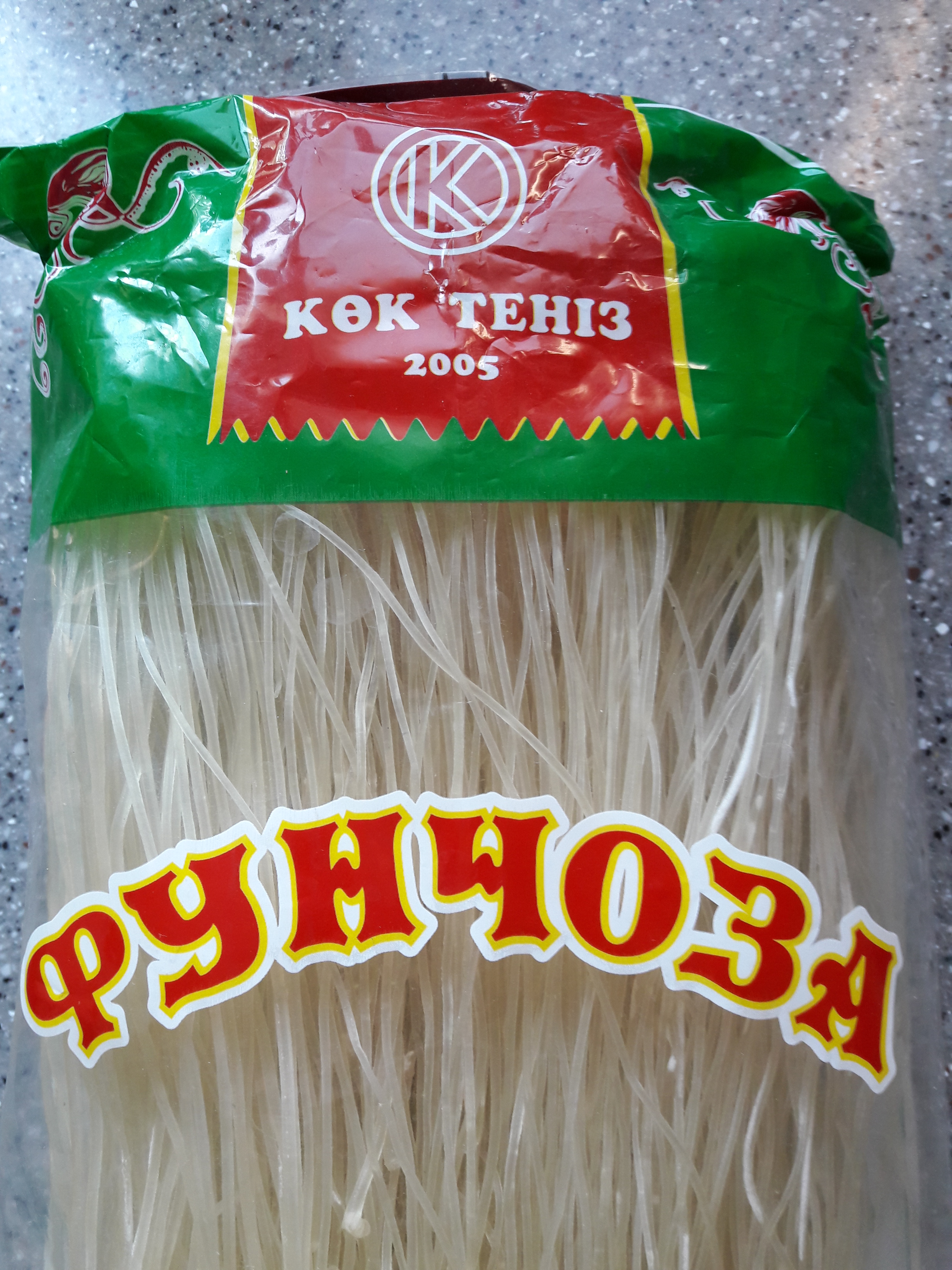
Funchoza is a popular salad across Central Asia that combines glass noodles, which can be produced from various forms of starch such as rice or mung bean, with julienned raw vegetables and a spicy dressing. The noodles just need to be cooked in boiling water for a few minutes so it’s a cinch to prepare on a hot summer’s day.

20190711_182826

These noodles are a staple of Uighur cuisine, but have been adopted by the Central Asia’s Korean community who have made funchoza famous to a wider audience across the former Soviet Union and beyond.

The Uighurs are Turkic-speaking  muslims living mainly in Xinjiang, an autonomous territory in northwest China, where they face increasing persecution by the Chinese authorities, under the pretext of a crackdown on terrorism.

To this end, thousands of Uighurs, Kazakhs, Kyrgyz and Chinese muslims have been interred in ‘re-education’ camps and, as the Guardian put it in a recent editorial, “Those who are nominally free in fact exist in a digital gulag of constant surveillance.”

Earlier this month, 22 states – including Britain, Canada, France, Germany, Australia and Japan – signed a letter to UN human rights officials in condemnation of China’s treatment of Uighur and other minorities there.

Ingredients (makes 3-4 servings)

  • 150 g dried glass noodles
  • 10 g dried seaweed
  • 2 small cucumbers
  • 2 radishes
  • 8 spring onions
  • 2 red peppers
  • 2 carrots
  • Coriander seeds

For the dressing:

  • 4 teaspoons tahini
  • 2 tablespoons apple vinegar
  • 2 tablespoons soy sauce
  • 2 tablespoons pomegranate sauce (Nar Eksisi)
  • 2 teaspoons chilli powder

Method

  • Bring a large pan of water to the boil and cook the noodles in the water according to the pack instructions. Remove and put in a pan of cold water until needed.
  • Soak the dried seaweed in cold water for 15 minutes, drain the water. While the seaweed is soaking,  cut the spring onions into 1 cm slices, remove the seeds for the cucumber and then julienne along with the other vegetables into long, thin slices (use a grater  or chop finely if you don’t have a julienne peeler). Chop the seaweed into 5 cm strips.
  • Remove the noodles from the cold water and cut into 10 cm strips and put in a large bowl. Add the julienned vegetables and mix all the ingredients together. Put all the dressing ingredients into a glass jar with a screw top and shake well, then pour over the salad and mix well. Grind some coriander seeds over the salad.
  • Serve cold – let the flavours mingle by keeping the salad in the fridge for a couple of hours.


Hummus to the Power of Turmeric

30th May 2019

Welcome back to Knidos Cookery Club, or KCC to those in the know. This time we’ll be whipping up some hummus spiked with the super-spice turmeric – it’s easier than you think and once you’ve tasted homemade hummus we’ll be surprised if you settle for a shop bought one again.

20190524_172344(0)
Turmeric-infused hummus all ready to go with carrot and cucumber slices

There are a lot of claims around the eastern end of the  Mediterranean Sea as to where hummus originated, but  ownership of this dip has now become truly international – we first came across this turmeric-infused version in Mexico earlier this year.

You’ll need some tahini (sesame seed paste) to make this recipe, but don’t worry if you can’t track any down – it’s simple to prepare your own batch of this nutty-tasting spread. Toast 50 g of sesame seeds in a frying pan (without oil) over a low heat and shake continuously until they turn from white to a golden colour. Then mix with 50 ml of olive oil in a blender and, hey presto, you have tahini. Add more oil for a runnier consistency.

Ingredients (makes around 300 g)

  • 250 g cooked chickpeas
  • 1 garlic clove
  • 2 teaspoons tahini
  • 1 tablespoon olive oil
  • Juice of a lemon
  • 25 ml chickpea water
  • 1 teaspoon turmeric
  • 0.5 teaspoon cumin or caraway seeds
  • 1 teaspoon paprika or chilli powder

Method 

  • Place all the ingredients into a bowl, except for the paprika and cumin (or caraway) seeds. Mix with the blender setting or with a hand blender. Keep mixing until you have a creamy, smooth paste. If needed, add  more of the reserved chickpea water or lemon juice to achieve a smoother consistency.
  • Allow to chill in the fridge for a few hours then mix in the cumin (or caraway) seeds. Sprinkle the paprika over the top and serve with slices of cucumber and carrot.


Welcoming Uzbekistan with a Royal Feast of Oyster Mushrooms with Buckwheat Noodles

16 May 2019

This time round on Knidos Cookery Club were welcoming cookery fans in Uzbekistan who can finally enjoy unfettered access to our superior vegan and vegetarian recipes after the government unblocked a host of websites, including WordPress, last week.

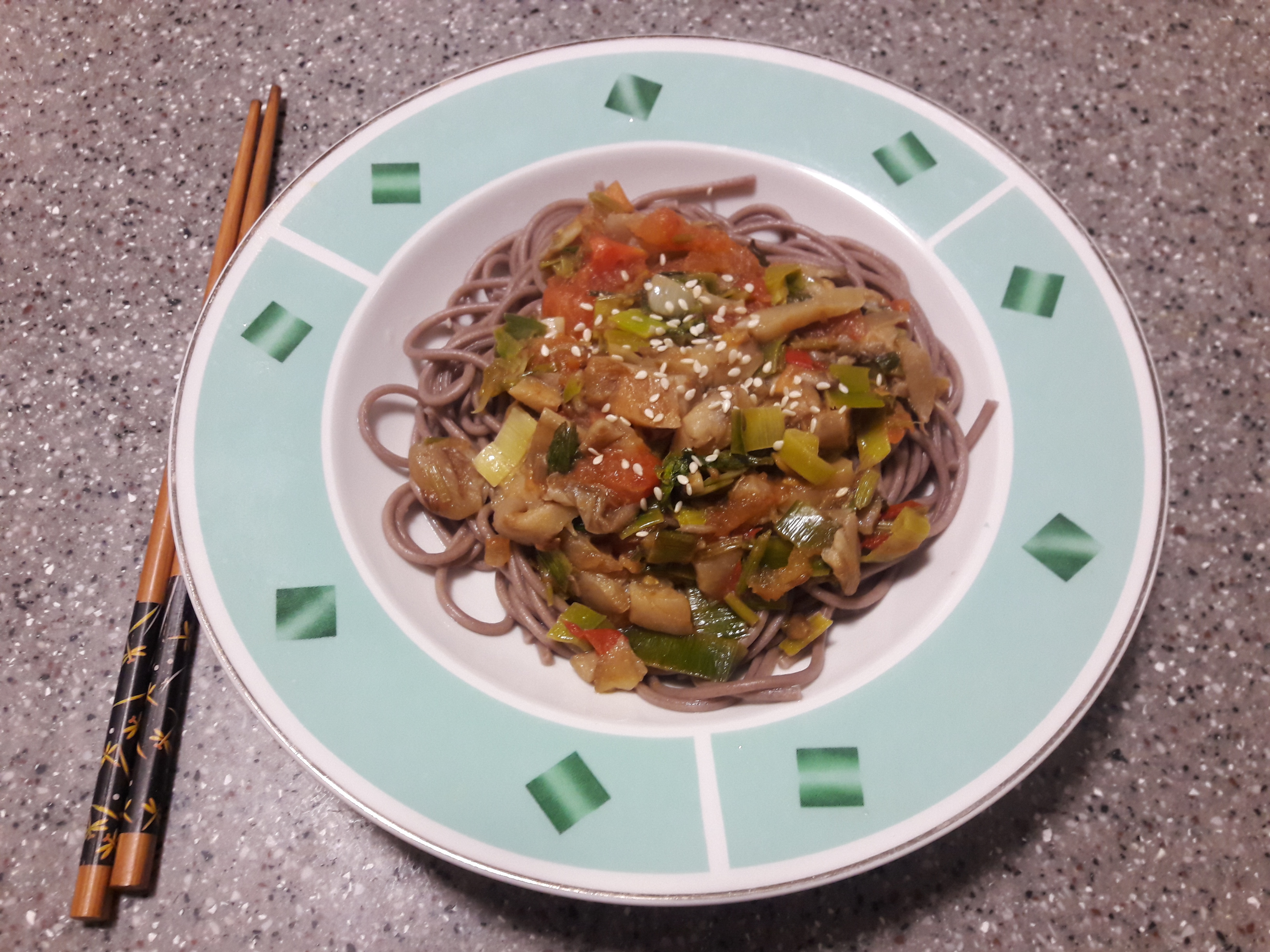
To celebrate this unprecedentedly momentous occasion, we’ll be riffing on laghman, a classic noodle dish from Uzbekistan. A friend recently turned up at KCC’s Almaty HQ with a proliferation of King Oyster Mushrooms (see the photo below), providing us with a challenge to come up with something tasty.

A quick root around the kitchen cupboards produced a pack of soba (buckwheat) noodles and some sesame seeds so we put a pan of water on to boil and chopped up some leek, celery and tomatoes and added a dash of wine for a rapid-fire stir fry involving the funky-looking mushrooms.

Ingredients (serves 4)

  • 50 ml olive oil
  • two teaspoons cumin seeds
  • 100 g celery
  • 100 g leek
  • 600 g king oyster mushrooms
  • 400 g tomatoes
  • 25 ml soy sauce
  • 100 ml dry white wine
  • Sesame seeds
  • 300 g Soba (buckwheat) noodles

Method

  • Heat the olive oil in a frying pan and add the cumin seeds. Cook over a medium heat for a minute and then add the diced leek. After a few minutes add the chopped celery and cook for five minutes, stirring occasionally.
  • Put the leek and celery mixture to one side and put the diced king oyster mushrooms into the frying pan, add the soy sauce and cook over a low heat for ten minutes or so. If the mushrooms start to go dry, add a dash of water and stir.
  • Add the chopped tomatoes to the mushrooms and cook for five minutes, stirring occasionally. Add the leek and celery mixture and the wine and stir well. Braise everything for ten minutes or so until most of the liquid is absorbed.
  • While the mushroom mix is braising, put the soba noodles in a pan of boiling, salted water and simmer for four to five minutes. Drain the noodles and arrange on a bowl with the mushroom mix on top. Add a sprinkle of sesame seeds before serving.

Make Time for Tabbouleh

2 May 2019

This time round on Knidos Cookery Club we’re taking advantage of some fresh, seasonal ingredients to make one of our favourite springtime salads, tabbouleh.

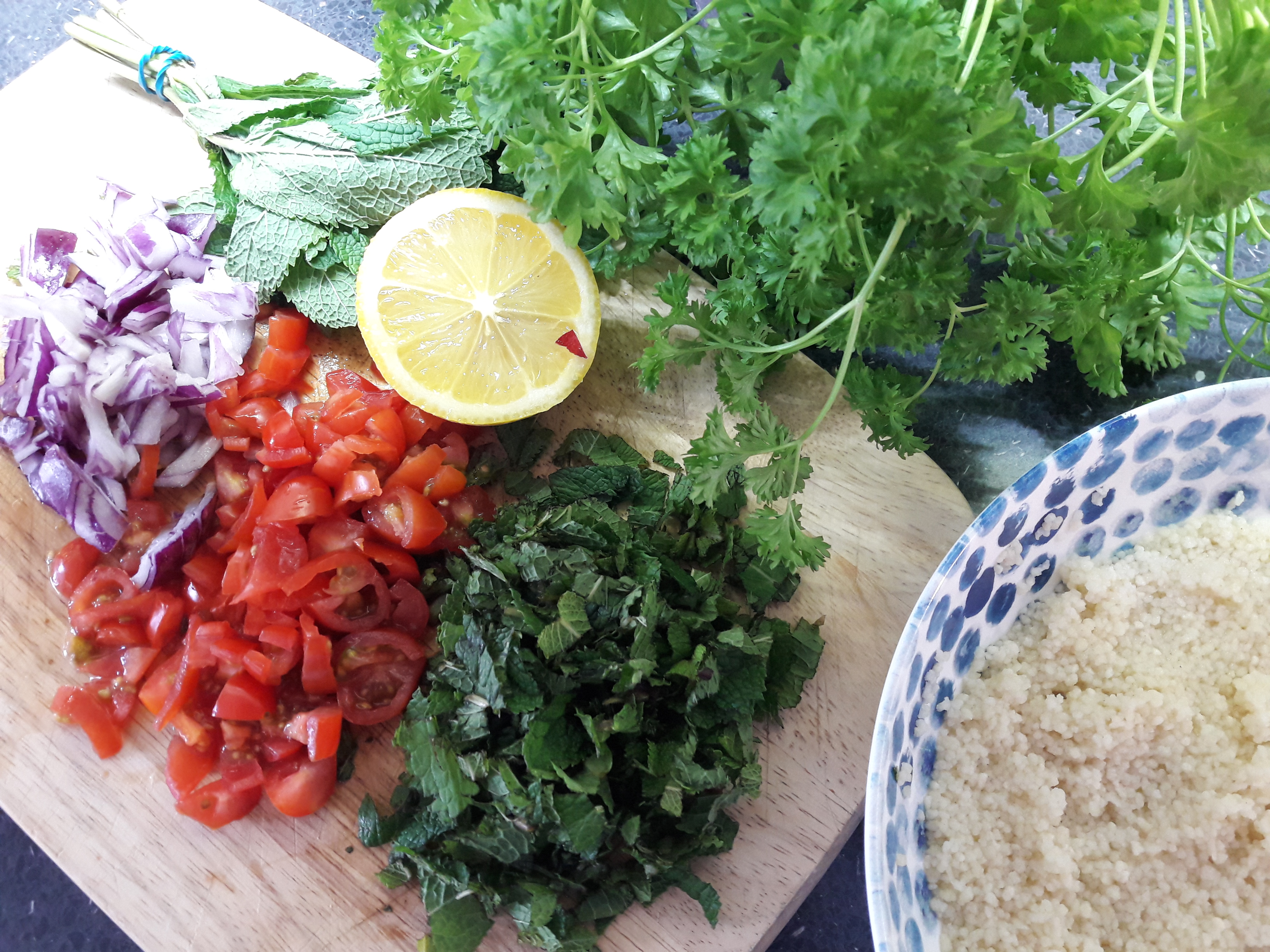
This winning combination of freshly-picked herbs, vegetables, lemon and olive oil with a grain such as couscous or bulgur wheat, that origianets on the eastern shores of the Mediterranean Sea, makes for a light, fresh-tasting dish that works well as part of a meze platter or alongside a selection of barbecued food.

20190419_185838-1.jpg

It’s easy to prepare, giving you more time to lounge in the sun with a glass of chilled wine while making the most of the long evenings.

Ingredients (serves 3-4)

  • 100g grain – couscous or bulgur wheat (coarse or fine both work well here)
  • 200 ml vegetable stock
  • One medium red onion
  • 12 cherry tomatoes
  • One bunch of fresh parsley
  • One bunch of fresh mint
  • Juice of one lemon
  • 25 ml olive oil

Method

  • Heat the vegetable stock until it’s boiling and then pour it over the couscous or bulgur wheat. Cover and leave to stand for 30 minutes or until all the liquid is absorbed.
  • While the couscous or bulgur wheat is soaking, prepare the rest of the ingredients. Dice the onion, quarter the tomatoes, finely chop the mint and parsley and squeeze the lemon.
  • Mix all the ingredients together and then add the olive oil and stir well. Leave to stand in the fridge for 30 minutes and then serve.