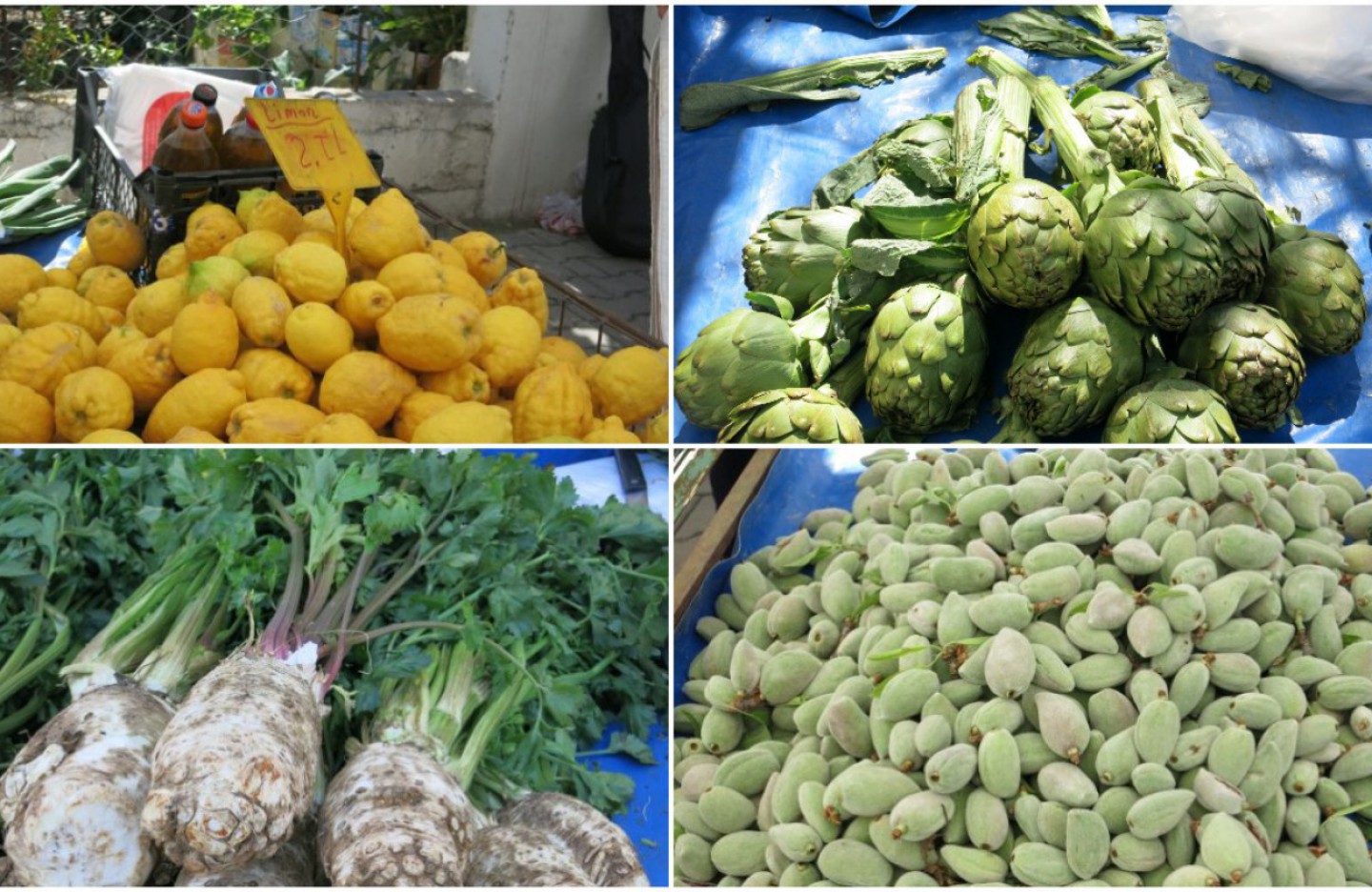
Kookoo Sabzi – Welcoming Nowruz with a Herby Frittata

19 March 2025

This weekend is Nowruz, a spring festival which originated in Persia some 3,000 years ago. Nowruz, or New Day, is a celebration of the end of winter and the start of a new year on the date when day and night are equal in the Northern Hemisphere – usually on or around the 20 – 21 March. The holiday is celebrated in Iran, Afghanistan, Azerbaijan and Central Asia, and in parts of Turkey, Syria, India, Iraq, Pakistan, Russia and China.

Preparing for Nowruz (Nauryz) in Almaty, Kazakhstan

There are many traditional foods associated with the holiday – Uzbekistan has sumalak, a paste made from what flour, sprouted wheat and oil. Kazakhstan has Nauryz Kozhe, a soup made from seven ingredients: barley, meat, kumis (fermented horse milk), onion, garlic, water and salt.

Iran’s Kookoo Sabzi – a herby frittata

Iran’s Nowruz table features the wonderfully named Kookoo Sabzi, sometimes written as Kuku – a herb-filled cousin of Italy’s frittata. The fresh herbs represent rebirth, while the eggs stand for fertility.
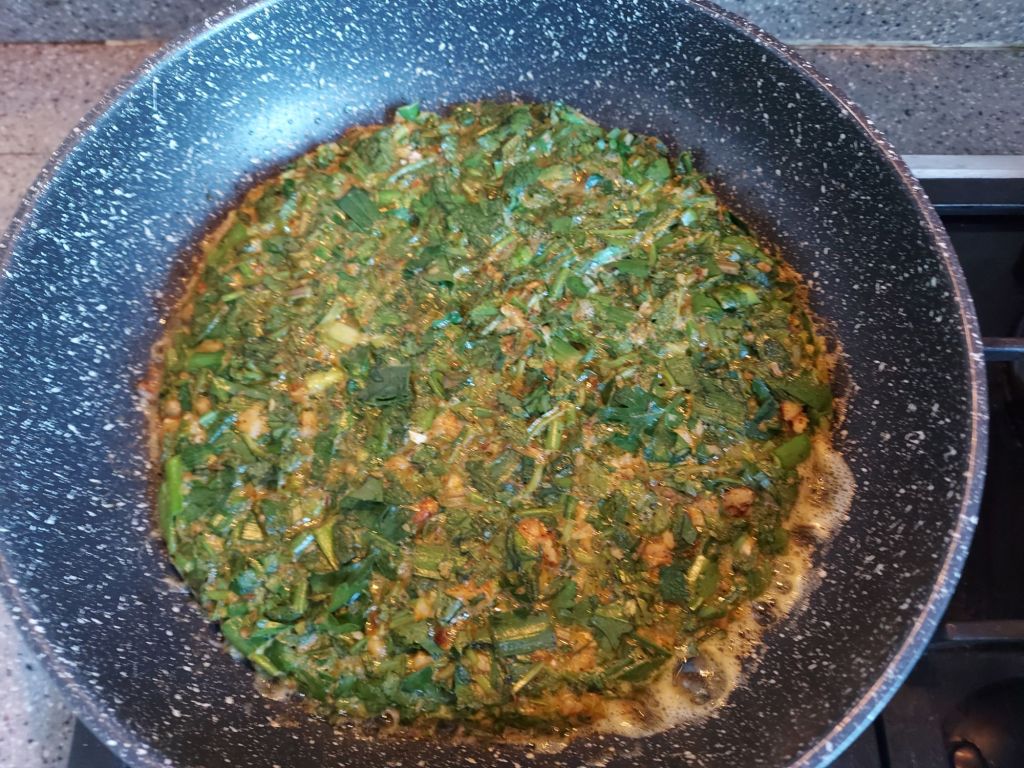
This Kookoo Sabzi’s ready to flip

Kookoo Sabzi is usually a combination of garlic chives, corainder (cilantro) and dill, but seeing as we’re not fans of dill, we’ve opted to replace it with parsley and mint. You can also omit the coriander if that’s not your thing (feel free to add some dill if you must). We’ve added parsley and mint, along with toasted walnuts, for some protien, and barberries (if you can find them – we couldn’t), to add a tart edge to the dish. Cranberries are a good replacement if barberries are proving hard to track down.
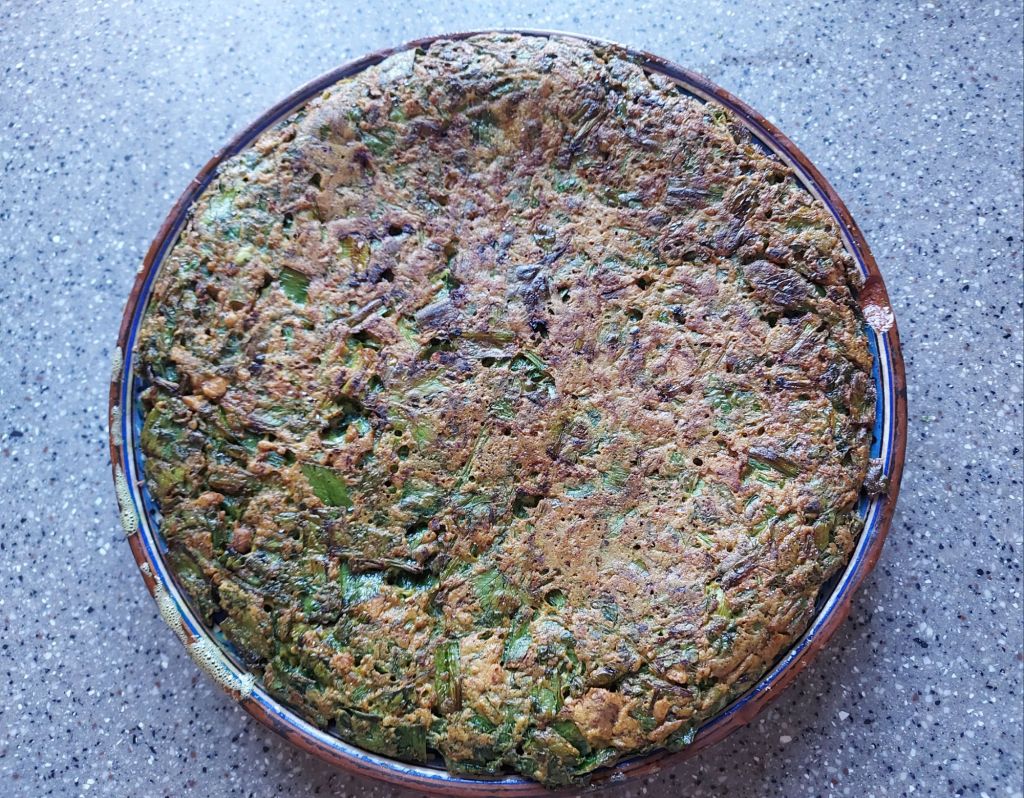
Turn it onto a plate and slide it back into the pan

Ingredients (makes four servings)

  • 50 g fresh parsley
  • 50 g fresh coriander
  • 50 g garlic chives (jusai)
  • 25 g fresh mint leaves
  • 50 g walnuts
  • 10 g dried barberries (or cranberries)
  • 4 eggs
  • 20 g chickpea flour
  • One teaspoon each of: cumin seeds, sumac and turmeric
  • 25 ml olive oil

Method

  • Wash the garlic chives and cut into 0.5 cm pieces. Leave to dry on a tea towel or kitchen paper. Wash and finely chop the parsley, coriander (including stems) and mint leaves. Combine all these ingredients with the chickpea flour, spices, berries and the eggs.
  • Crush and then toast the walnuts (without oil) for 10 minutes in a 12 cm frying pan. Remove the walnuts and mix them in with the herbs and eggs. Put half the olive oil in the frying pan and heat it up and then add the herb mixture, flattening it with a spatula.
  • Cook over a medium heat for 10 minutes. Put a plate on top of the kookoo and turn the frying pan over. Add the rest of the oil to the empty pan and heat it up. Slide the kookoo back into the frying pan and cook for another 10 minutes.
  • Cut the kookoo into four slices and serve with a dollop of natural yogurt and some olives.
A Smashing Alternative to Avocado

23 January 2025

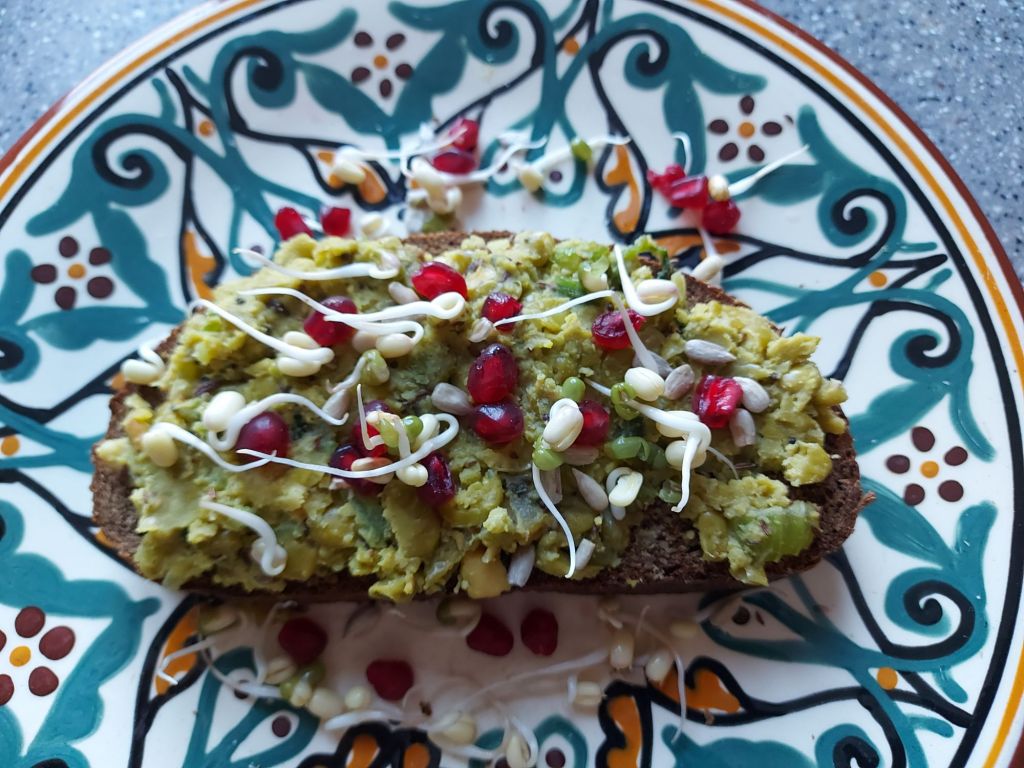
Here at KKC we’re big fans of smashed avocado, but in Kazakhstan it can sometimes be difficult to find the ideal fruit when needed – they’re either underripe and too hard to use immediately or gone mushy with grey stringy bits. Another problem is that most of these fruit that make their way here are grown in Israel and Colombia. So, a less well-travelled alternative is needed – look no further than the humble garden pea.

Move over avocado, here come the smashed peas!

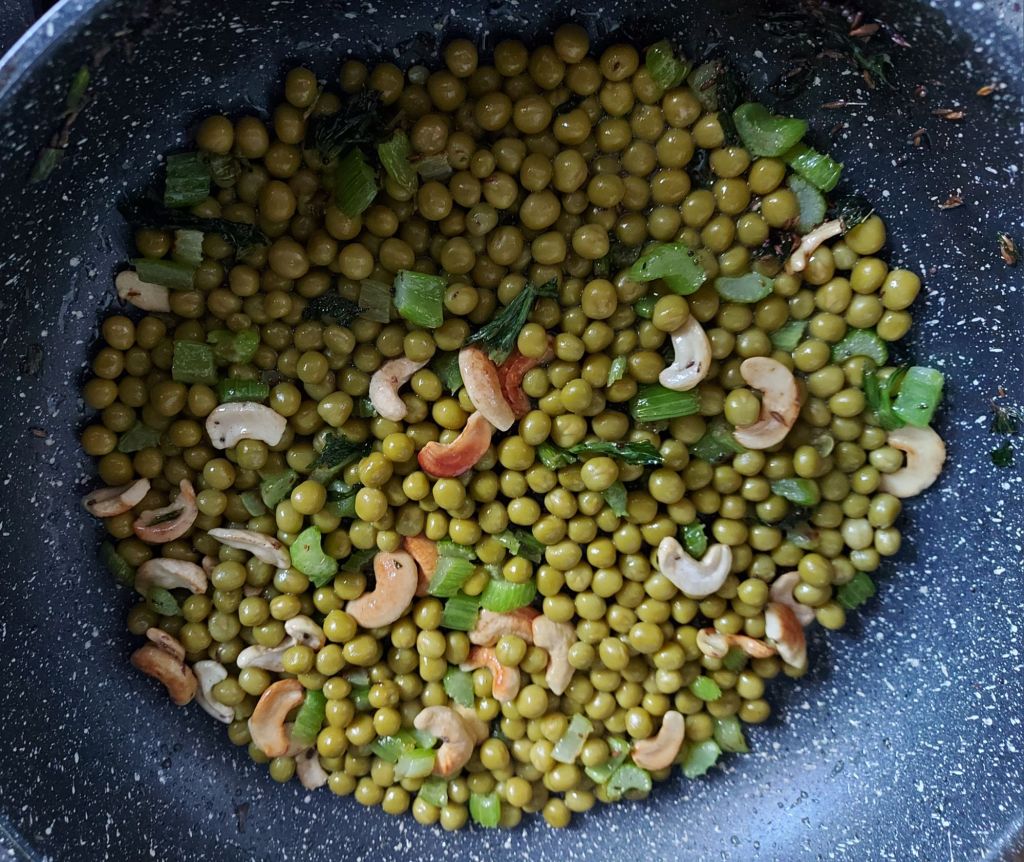
Smashed peas can be used replacement for avocado, and involve a lot less food miles. We combined our peas, from a tin as there were no frozen peas in our local supermarket, with some unsalted cashews and chopped celery to make a great substitute for the alligator pear.

There could be a solution in the offing to the problem of sourcing avocadoes in Kazakhstan. An enterprising farm in the south of the country, near Shymkent, has started growing bananas in greenhouses. This is quite a feat in a country with a sharp continental climate with hot summers and freezing winters.

Get ready to smash those peas…

This year’s banana crop will cover around 5% of demand in Shymkent and the commercial hub, Almaty. And in the coming years, GenGroup Qazaqstan hopes to add mangoes and avocadoes to the supply chain of locally grown fruits, significantly reducing the food miles clocked up for these treats.

Ingredients (makes four servings)

  • 250 g peas
  • 75 g celery
  • 25 g cashew nuts
  • 15 ml olive oil
  • One teaspoon cumin seeds
  • One teaspoon mustard seeds
  • To garnish: a handful of beansprouts
  • One teaspoon sunflower seeds (per serving)
  • One teaspoon pomegranate seeds (per serving)

    Method

    • Heat the oil in a heavy-based frying pan and add the mustard and cumin seeds,. When they start popping, add the chopped celery and stir fry over a medium heat for two minutes and then add the cashews and continue to stir fry for another few minutes until the cashews start to brown.
    • Turn the heat down and add the peas. When the peas are warmed up, turn off the heat and use a potato masher to smash all the ingredients together. Spread the smashed peas on wholemeal bread or toast and garnish with pomegranate seeds, sunflower seeds and beansprouts.

When Veg Barmak met Su Böregi

20 March 2024

To celebrate Navruz this year, KCC has gone for a Kazakh mashup with a loose variation on Kazakhstan’s national dish, Beshbarmak. Lurking at the back of the cupboard was a pack of zhaima, the pasta sheets used in the dish.

Beshbarmak refers to the method of eating this meat and pasta dish, using your hand, or “five fingers.” There are iterations such as “Fishbarmak,” so we decided it was time for a variation on the theme of “Vegbarmak.”

Pasta sheets (zhaima) for Beshbarmak from Kazakhstan

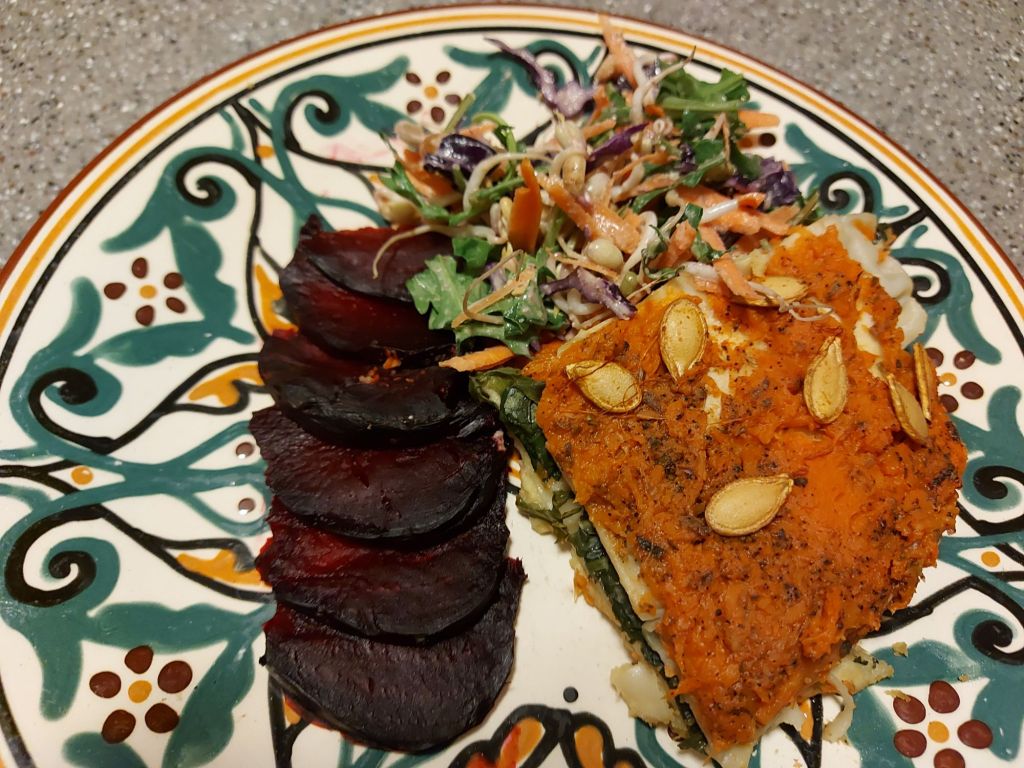
On closer inspection, the pasta sheets looked good for a lasagne-style dish, but the dish that eventually emerged was closer to Turkey’s su böreği. This consists of layers of boiled pastry sheets with a cheesy filling. We used different layers of vegetables and pulses to achieve something between a veg barmak and a su böreği. 

Ingredients (serves 3-4)

  • 300 g cooked chickpeas
  • 400 g roasted pumpkin
  • 50 g spinach
  • 50 g rocket
  • 50 g tahini
  • 50 ml chickpea water (aquafaba)
  • 16 pasta sheets (the ones used were 6 cm x 11cm)
  • Sprinkling of pumpkin seeds
  • Three teaspoons dried oregano
  • One teaspoon dried sage
  • One teaspoon cumin seeds

Method

  • Pre-heat the oven to 180 c. Put 150 g of chickpeas in a blender with the tahini, aquafaba and one teaspoon of oregano and blend until smooth. Mix with the remaining chickpeas and then put this mixture into the bottom of an ovenproof dish. Place the pasta sheets in hot water for a minute and then arrange over the chickpea mixture.
  • Put the washed greens on top of the pasta, sprinkle another teaspoon of oregano over the greens and then put another layer of sheets on top of the greens. Mash the pumpkin and mix with the sage and cumin seeds and oregano. Smooth this over the pasta sheets and decorate with pumpkin seeds.
  • Bake in the oven for one hour at 180 c – cover with tinfoil for the first 40 minutes and then cook uncovered for the last 20 minutes. Cut into four slices – it can be served either hot or cold.

Spicy Spinach and Pumpkin Fritters

30 November 2023

With Halloween and Thanksgiving, the two times in the year when pumpkins take centre stage, now behind us, we’ve got a simple idea to use up any leftover pumpkin you may have with this quick and easy spinach and pumpkin fritter recipe.

Spicy Spinach and Pumpkin Fritters

These fritters are totally vegan – there’s no need to add an egg to bind them together as chickpea flour and rolled oats do a great job of soaking up any extra moisture from the spinach and pumpkin and help the fritters hold their shape. They can be shallow fried on both sides in a little oil or baked in the oven for 30 minutes at 180 c. These spicy fritters taste good served with a side salad and chips or in a burger bun or pita with your choice of toppings.

Ingredients (Makes 6-8 fritters)

  • 175 g grated pumpkin
  • 50 g chopped spinach
  • 50 g chickpea flour
  • 25 g rolled oats
  • One teaspoon each of cumin seeds, coriander seeds, oregano, sumac and turmeric.
  • Half a teaspoon cinnamon
  • 25 ml oil for frying

Method

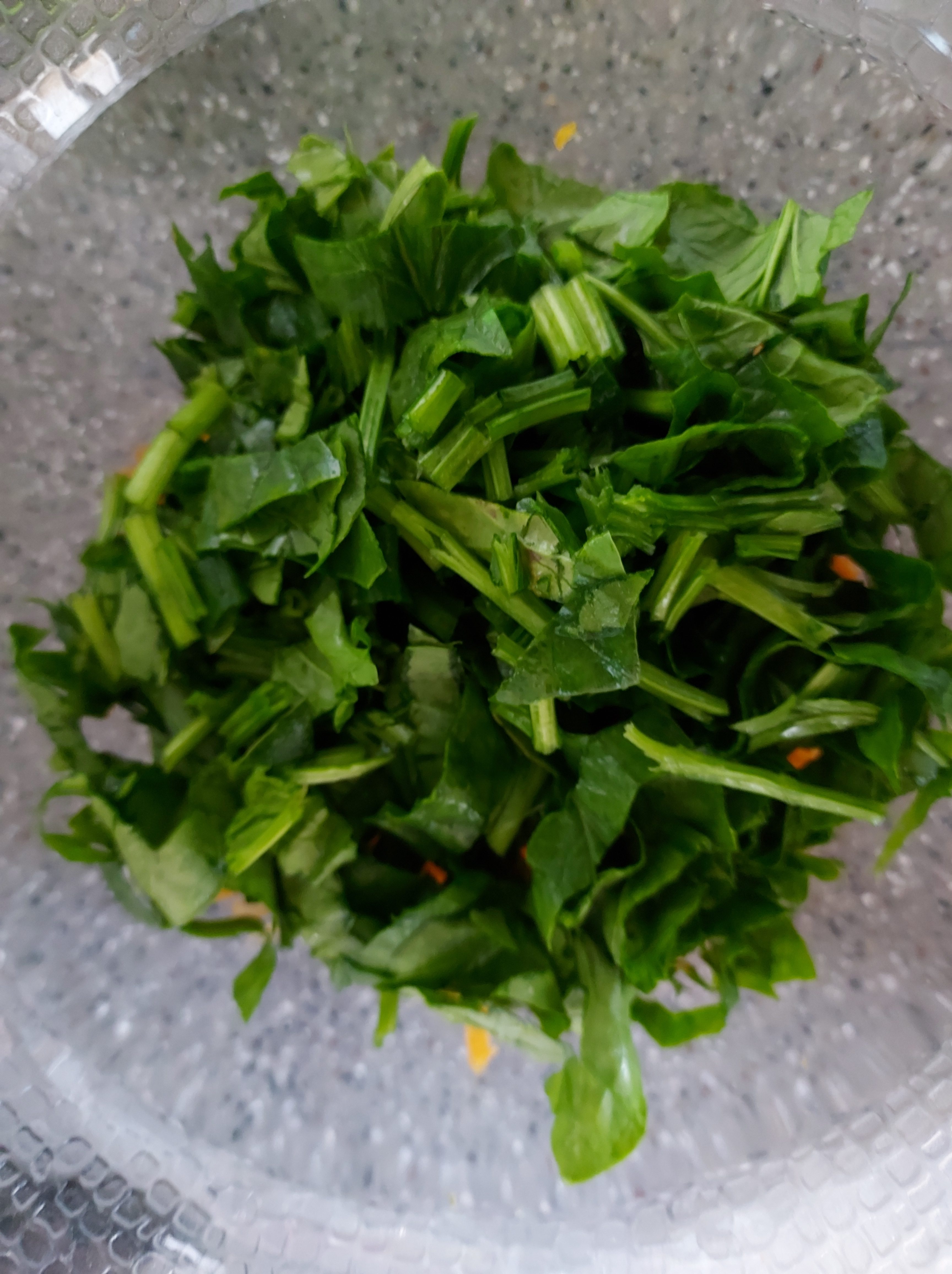
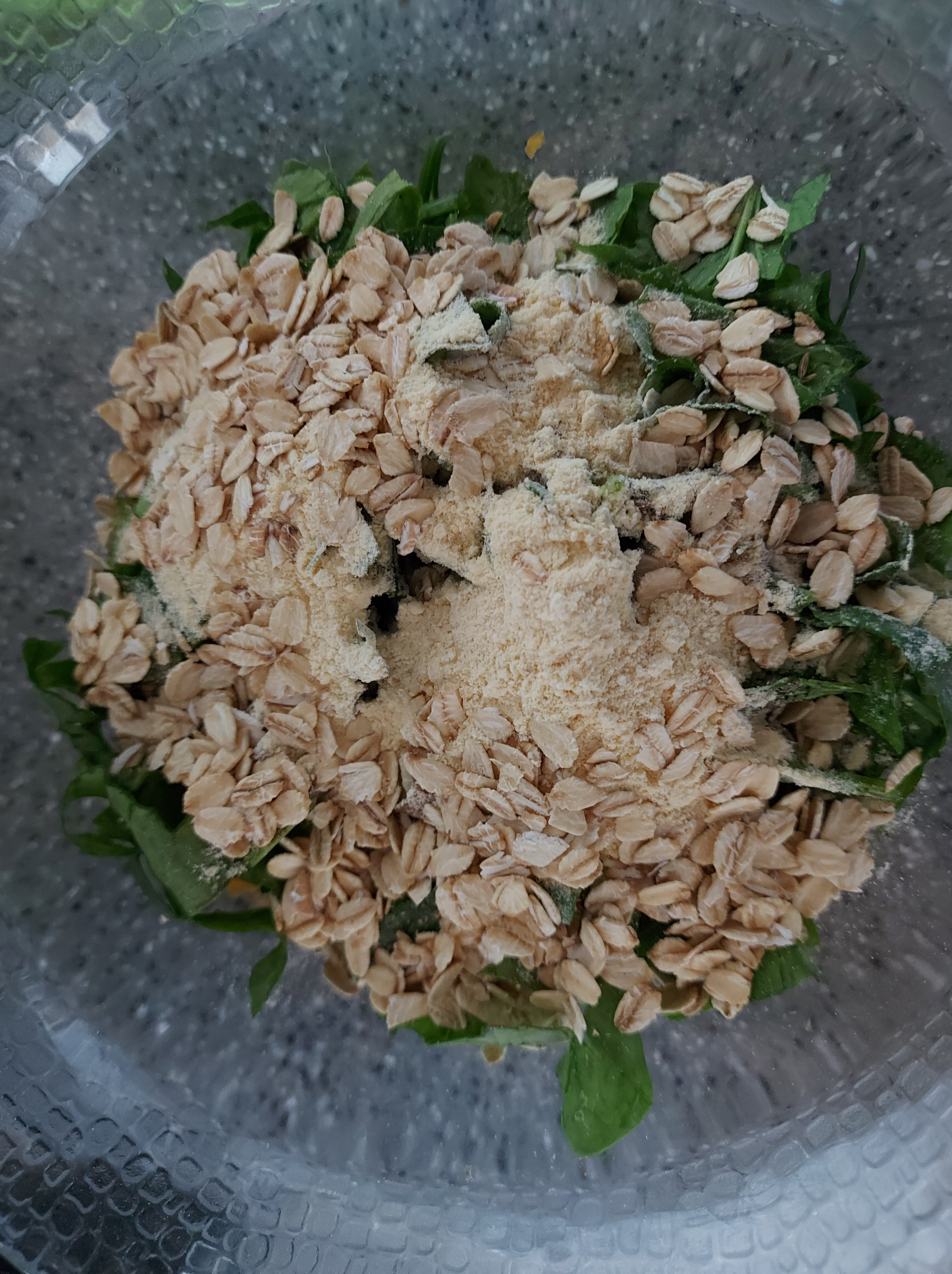
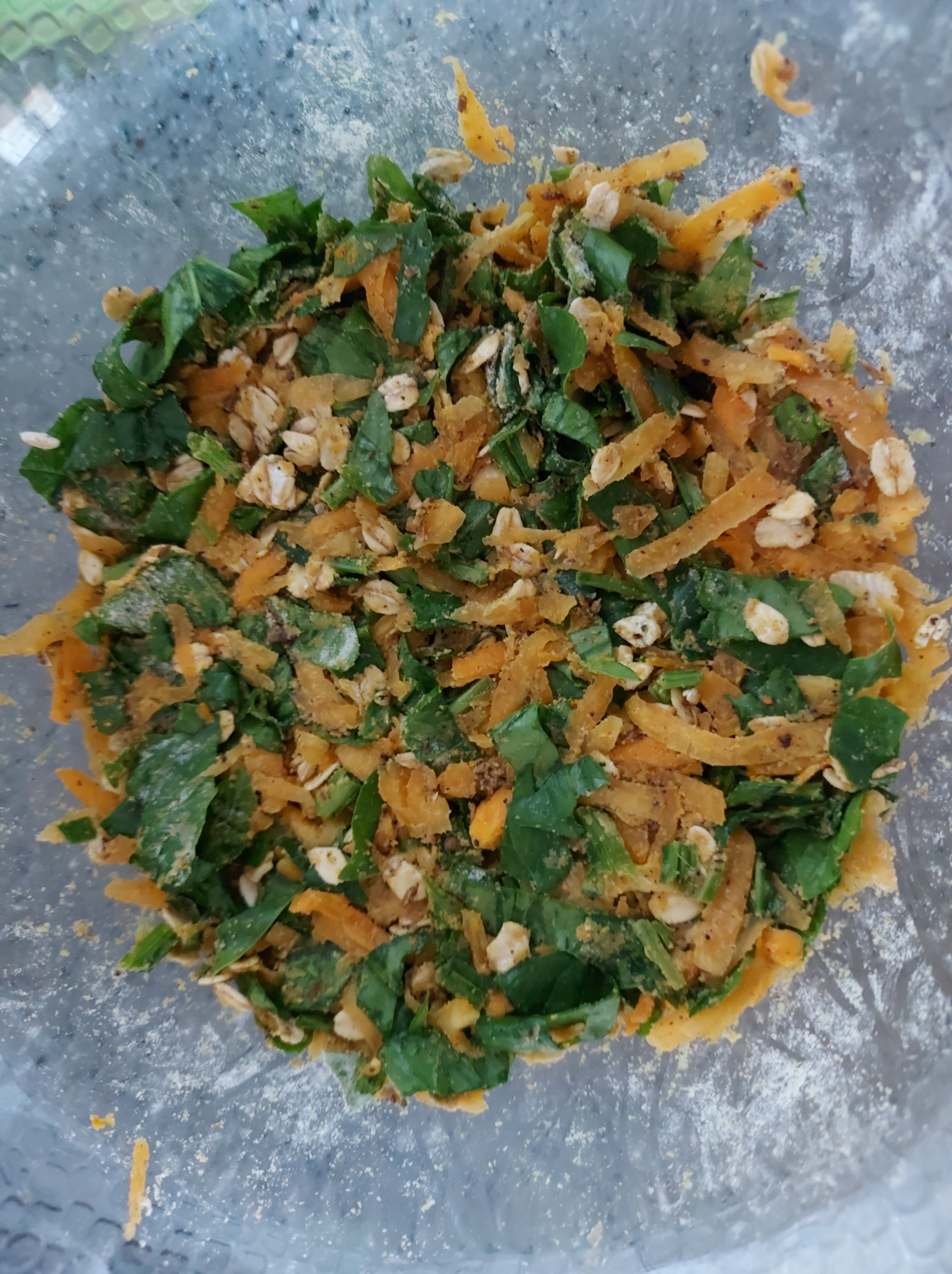
  • Grate the pumpkin into a large bowl, add the chopped spinach and herbs and spices and combine all the ingredients. Now add the rolled oats and chickpea flour and mix well. Leave the mixture to rest for two hours in the fridge, so that any excess moisture is absorbed.
  • Form the mixture into small balls (about the size of a golf ball) in your hands. Heat the oil in a frying pan then turn the heat down low and add as many of the balls as will fit in the pan. Flatten them with a fish slice and after a few minutes turn them over. Cook until golden brown on both sides and then serve straight away.

Meet the Hasselback Potato

21 December 2022

Winter Solstice is upon us once again so it’s time to kick off the holiday season. If you’re looking for something a bit different for your festive feast this year, then look no further than the Hasselback potato, an attractive dish that tastes like a jacket potato crossed with a roast potato.

This method of preparation involves cutting the potato into thin slices that fan out while baking. It can be used for other vegetables like beetroot, carrot and butternut squash, as well as a sweet version using fruits like apple and quince.

Hasselback potato with a pasty and salad

Hasselback potatoes originated in Sweden with the dish featuring in a 1929 recipe book “The Princesses’ Cookbook” by Jenny Åkerström. In 1953. Lief Elisson, a rookie chef at Stockholm’s Hasselbacken restaurant, revived this method for preparing the humble spud.

Preparing the Hasselback

To prepare the fruit or vegetables of your choice, place chopsticks or wooden spoon handles on either side and cut into thin slices until the blade hits the wood.

Ingredients

  • Four medium potatoes
  • 25 ml olive oil
  • One teaspoon rosemary or thyme (fresh if available or dried)
  • One teaspoon cumin seeds

Method

  • Put two chopsticks or the handles of two wooden spoons on either side of the potato. Cut into 1-2 mm slices, cutting until the blade hits the wood.
  • Put the potatoes in an ovenproof dish with the cut side facing up. Drizzle liberally with olive oil and sprinkle cumin seeds and thyme (or rosemary) over them.
  • Bake in a pre-heated oven at 180 c for one hour. Serve on their own or as part of a main course with a pasty or nut roast along with your choice of side vegetables or a salad.

Mooli Mattar Mücver

10 February 2023

This time round on KCC we’re taking a look at mooli, or daikon as some of you might know it. This large, white member of the radish family is common in Japanese, Korean and Chinese cuisine and is also widely used in the Indian sub-continent. It’s a versatile, vitamin-packed vegetable that can be eaten raw or cooked in a variety of dishes. It has a milder flavour than its smaller red cousins but adds an interesting, mildly spicy crunch to salads and stir fries.

Mooli mattar mücver served in a bap with salad

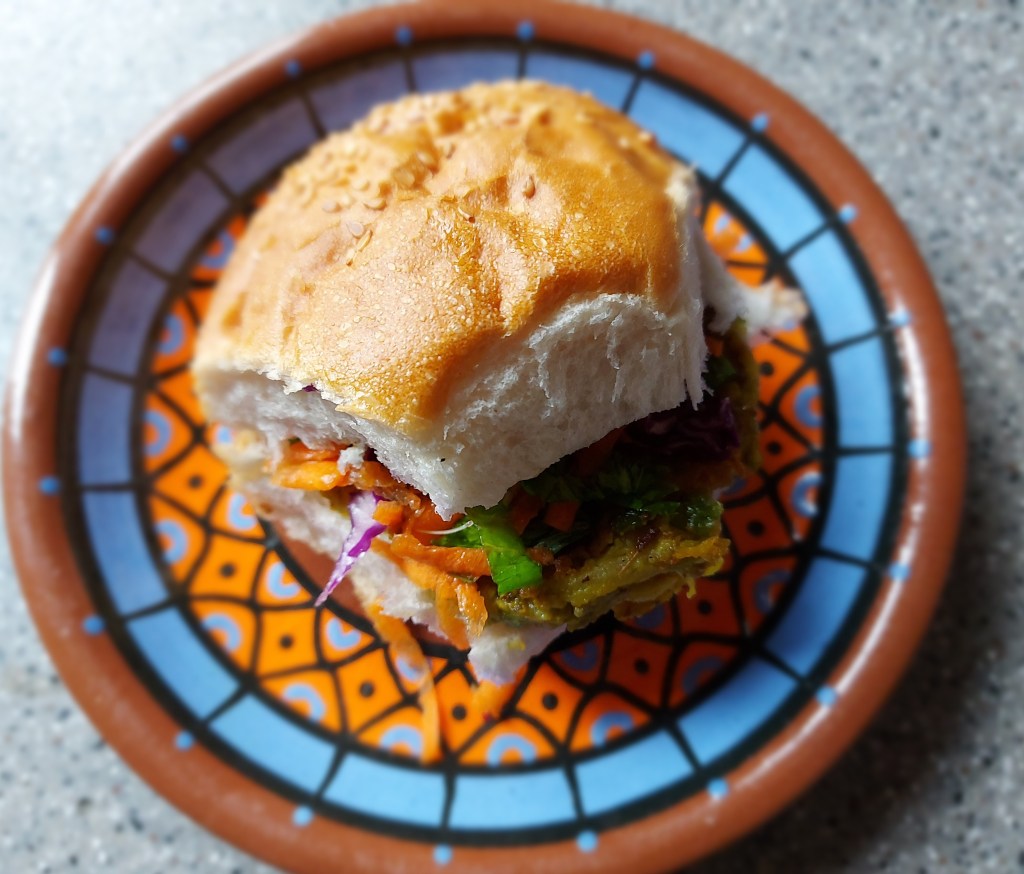
Mücver fritters are a perennial KCC favourite so we decided to make some with grated mooli, mattar (green peas), celery and some chickpea flour to glue it all together for our latest mücver variation. This version is great served in a burger bun or baguette with some fresh coleslaw, shredded salad greens and a dash of soy sauce.


Meet the mooli aka daikon or winter radish

The mooli can be quite wet when grated so give it a good squeeze to remove the excess liquid. The chickpea flour will help bind the fritters together and soak up any remaining moisture so that they hold their shape better when frying.

Ingredients (makes four 125 g fritters)

  • 200 g grated mooli
  • 200 g green peas (fresh, tinned or frozen)
  • 1 celery stick 
  • 50 g chickpea or pea flour
  • One teaspoon cumin seeds
  • One teaspoon turmeric
  • Two teaspoons paprika
  • Oil for frying

Method

  • Peel and grate the mooli into thin strips. Squeeze the moisture from the grated mooli. Chop the celery stalk and leaves finely and  put into a bowl with the grated mooli. Add the peas and the spices and mix well. Now add the chickpea flour and blend everything together. The mix should be sticky but not wet – if it’s too moist, then add a bit more flour until you get a sticky consistency. 
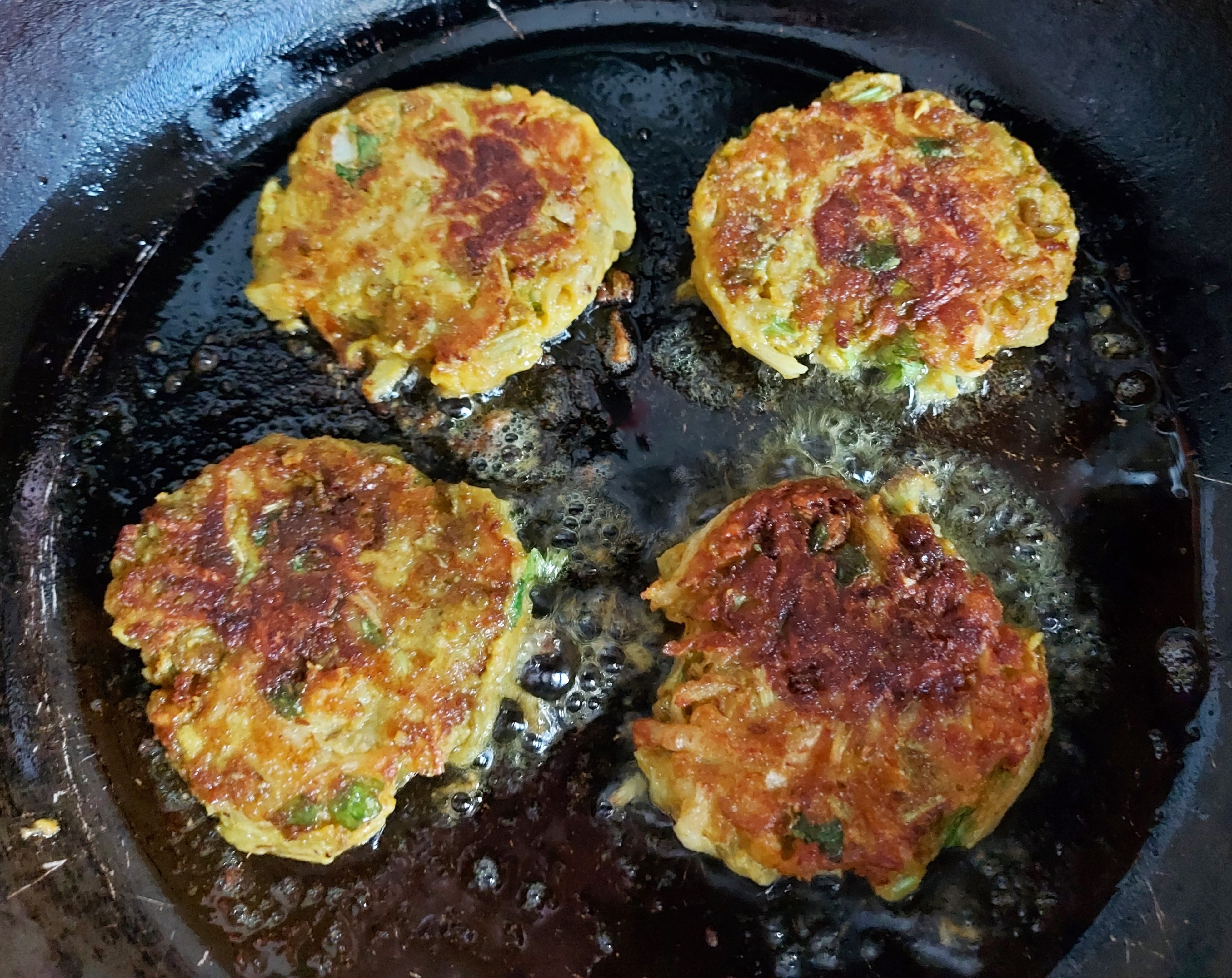
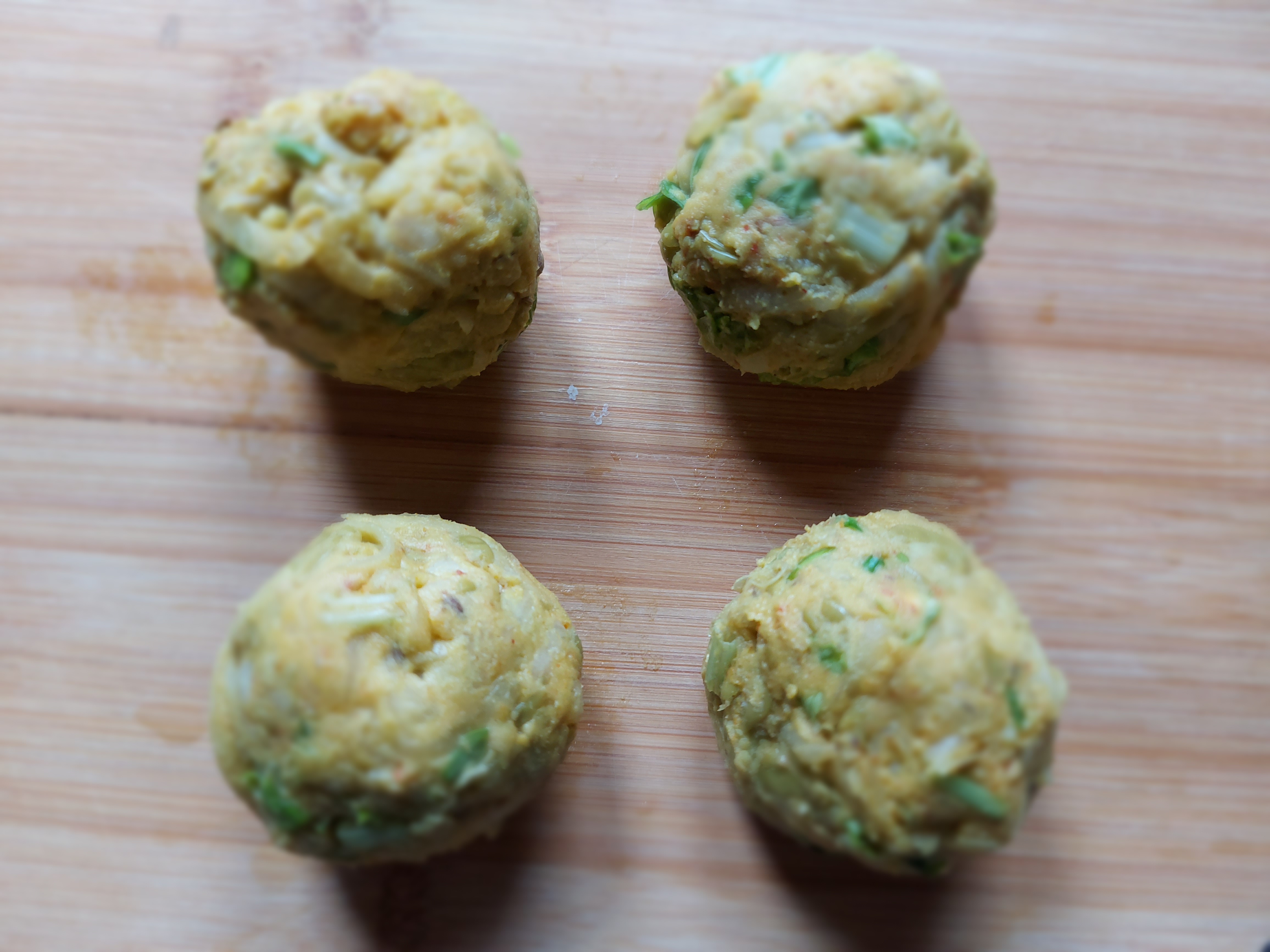
  • Heat the oil in a frying pan. Form the mix into four golf ball-sized pieces. Place in the pan and flatten with a fish slice. Turn the fritters over after frying for two to three minutes. Cook for another two to three minutes until both sides are a golden brown colour. Serve in a burger bun or in a baguette. Top with grated carrot and red cabbage and shredded lettuce or rocket, add a splash of soy sauce and enjoy!

KCC’s Courgette, Coconut and Mung Bean Mash Up

10 November 2022

As the first snow falls here in Almaty, it’s time for some heartier fare. This recipe started out life as courgette soup, but the sudden drop in temperature called for something with a bit more oomph so we added some mung beans and dried coconut to give it a more stew-like consistency. To add a bit of colour, we sprinkled some pomegranate seeds on top and gave it a drizzle of pomegranate sauce before serving.

KCC’s Courgette, Coconut and Mung Bean Mash Up

The delicate, thin courgettes of the summer are giving way to the robust, denser marrows of autumn – perfect for making into a soup. Mung beans are a versatile store cupboard basic – they can be added to stews or grown into bean sprouts for stir fries and salads – check out more recipe ideas here. They’re a staple in home-cooked meals in Uzbekistan, where they’re known as mash, hence the “mash up” in the name of this dish.

Winter is coming to Almaty…

Ingredients (makes four servings)

  • 1 kilo courgette
  • One celery stick
  • One medium onion
  • Bunch of radish leaves
  • 200 g dried mung beans (soaked overnight)
  • 50 g desiccated coconut
  • 50 ml olive oil
  • Two teaspoons dried thyme
  • Two teaspoons cumin seeds
  • 1.5 litres vegetable stock
  • Pomegranate seeds and Pomegranate sauce to garnish

Method

  • Heat the olive oil in a heavy-based pan and fry the cumin seeds until starting to crackle and then add the diced onion and cook for five minutes over a medium heat. Next add the diced celery, lower the heat and and cook for another five minutes, stirring occasionally. Cut the courgette into four pieces lengthwise and then slice into 1 cm thick chunks. Add to the pan along with the thyme and stir fry for ten minutes. Add one litre of vegetable stock and the chopped radish leaves and simmer over a low heat for twenty minutes.
  • While the soup is simmering, cook the mung beans in a separate pan with 500 ml vegetable stock and the coconut. Cook for twenty – thirty minutes or so until the beans are softening or until all the liquid is absorbed. 
  • Remove around 25% of the courgette mix and blend the rest to a smooth consistency with a stick blender. Add these blended courgettes to the cooked mung beans and stir well. Bring to a boil and then add the reserved courgette mix. Pour into soup bowls,  garnish with a few pomegranate seeds and a drizzle of pomegranate sauce and serve immediately.

Apricot and Lentil Courgette Roundels

13 October 2022

It’s that in-between time of year as the nights grow longer and thoughts turn towards more substantial meals after a long summer of salads and lighter fare. The last of the seasonal vegetables such as tomatoes and courgettes are perfect for stuffing and baking in the oven, making a bridge between summery salads and the heartier soups and stews of winter that are coming up.

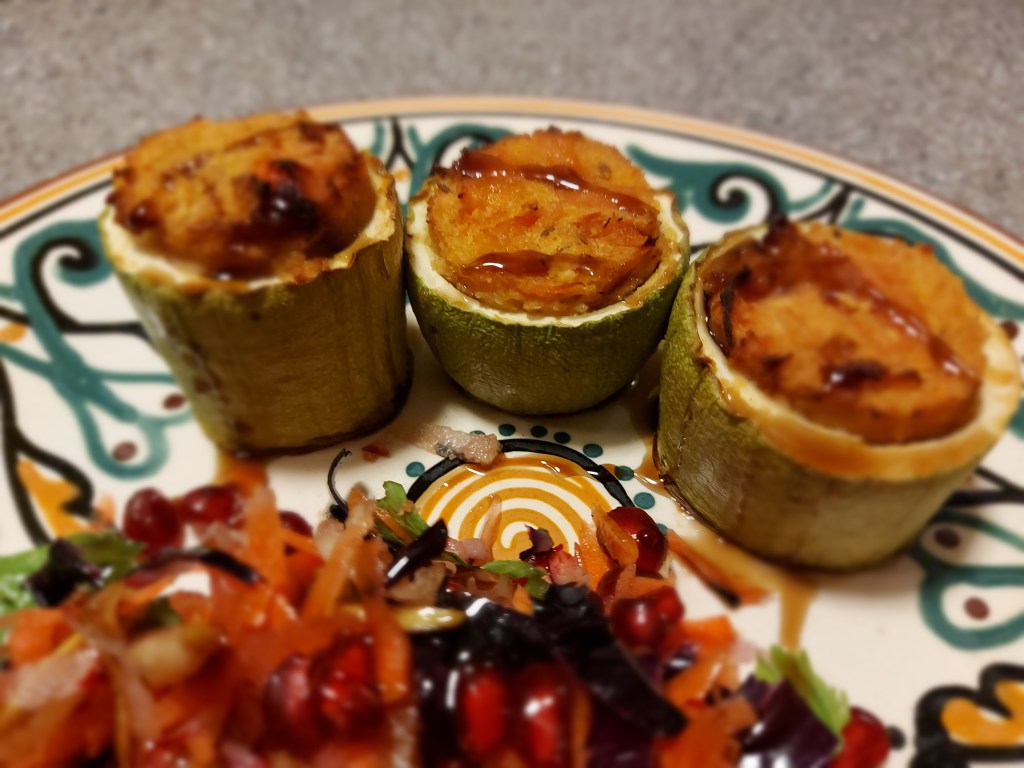
Apricot and lentil courgette roundels drizzled with pomegranate sauce and served with a seasonal salad

We stuffed some courgettes with a mixture of red lentils, apricots, tomato, onion, bulgur wheat and lemon juice to make a versatile roundel that can be served as part of a main course or eaten on its own as a meze, a fully vegan alternative to the sausage roll!

Apricot and lentil courgette roundel – a vegan alternative to the sausage roll?

The autumn fruit is at its best at the moment, and we’ve added some pear and pomegranate to an autumnal red cabbage, carrot, celery and radish salad to accompany these apricot and lentil courgette roundels to make a great lunch or supper. By adding a jacket potato, you can make it into a more filling main course.

Ingredients (makes enough mixture for 10-12 roundels)

  • Three medium sized courgettes
  • 100 g red lentils
  • 50 g dried apricots (or four fresh apricots if available)
  • One small red onion (approx 75 g)
  • One medium tomato (approx 100 g)
  • 50 g fine bulgur wheat
  • 25 ml olive oil
  • 200 ml vegetable stock
  • Juice of half a lemon
  • One teaspoon cumin seeds
  • One teaspoon red chilli flakes
  • Black pepper to taste

Method

  • Cut the dried apricots into eight pieces and soak in hot water for at least 30 minutes. While the apricots are soaking, heat the oil in a heavy based pan and add the cumin seeds. When they start to sizzle, add the finely chopped onion and fry over a medium heat until they start to soften. Grate the tomato into the fried onion and cook over a low heat for five minutes or so, stirring occasionally.
  • Now add the washed lentils, pour in the stock and stir. Cook over a low heat for 15-20 minutes until most of the water has been absorbed. Add the fine bulgur wheat, mix it in well and leave covered for 15 minutes. Drain the apricots and stir them into the mixture. Add the lemon juice, chilli flakes and black pepper to taste and mix well.
  • While the lentils are cooking, start to prepare the courgettes by slicing off the ends to make them flat. Cut into 3 cm slices. Gouge out the seeds with a small spoon, leaving a little bit of flesh at the bottom of the roundel.
  • Pre-heat the oven to 180 c. When the lentil mix is cool, pack it into the courgette roundels and stand them on a baking tray with the filling topmost. Bake at 180 c for 30 minutes or so – the courgette should still be firm and not too squidgy and the lentil mix should rise slightly and be beginning to brown on top. 
  • Serve alongside a salad of red cabbage, carrot, celery, radish, pear and pomegranate and a jacket potato, drizzling pomegranate sauce over the roundels or allow to cool and serve the roundels as a snack on their own.

Grip Green Shakshuka

9 April 2022

With spring greens making a welcome reappearance, it’s time for a brunch special – green shakshuka, North Africa’s breakfast star.

Grip Green Shakshuka

This dish, usually made with tomatoes and peppers, is originally from Tunisia but has now spread all over the Middle East.

For our spring greens version, we made a bed of cumin fried onions, banana peel, radish leaves and spinach on which to poach some eggs for our sublime, zero waste brunch special.

Ingredients (for two servings)

  • one medium onion
  • one banana peel
  • 100 g spinach
  • 50 g radish leaves
  • four eggs
  • one teaspoon cumin seeds
  • one teaspoon chilli powder
  • 25 ml olive oil

Method

  • Heat the oil in a heavy-based pan and add the cumin seeds. When they start to pop, add chopped onion and cook for five minutes over a low heat. Add the banana peel (to prepare, use a knife or spoon to scrape off any remaining banana flesh (use this in a cake, smoothie or banana bread) and then slice the peel into 1 mm strips).
  • Stir fry for another five minutes and then add the chopped radish leaves and three minutes later add the washed and chopped spinach. Cook until the spinach starts to wilt.
  • Make a depression in the mix and pour an egg into it, repeat with the other eggs, sprinkle chilli powder over the eggs put, put a lid on and steam until the eggs are set

Chocolate Chilli Chana

3 February 2022

This time round on KCC we’re going for a chickpea, aka chana, chilli that includes a slab of dark chocolate to balance out the acidity of the tomato sauce – a combination that works surprisingly well.

Chocolate chilli chana

We first came across the dark chocolate infused mole sauce many years ago in a Mexican restaurant in Barcelona. It’s been on the list of things to cook for a while and having received a selection of Green and Black’s chocolate that included an 85% cocoa bean bar there were no longer any excuses not to try it out.

We served our chickpea chilli with some pearl barley – it’s also good with brown rice, couscous, bulgur wheat or some flatbread to mop up the chocolate rich sauce. We also recommend washing it down with a margarita or two.

Ingredients (makes 3-4 servings)

  • 300 g chickpeas (cooked)
  • 150 g carrot
  • 150 g onion
  • 50 g red lentils
  • 250 g tomatoes
  • 20 g dark chocolate
  • 25 ml olive oil
  • 150 ml aquafaba (chick pea cooking water)
  • 1 teaspoon cumin seeds 
  • 1 teaspoon coriander seeds
  • 1 teaspoon paprika (smoked if you can get it)
  • 1 teaspoon chilli powder (or chilli flakes)
  • 2 cm cinnamon stick
  • 5 cloves
  • 1 bunch fresh coriander

Method (Cooking time approx 45 minutes)

  • Heat the olive oil in a heavy-based pan and add the cumin seeds. When the seeds start to pop add the diced onion. Stir fry for five minutes over a medium heat and then add the diced carrots. Cook for five more minutes and then reduce to a low heat. Add the chopped tomatoes and cook for another five minutes.
  • Add the aquafaba, ground coriander seeds,  cinnamon, cloves, paprika and chilli powder and stir well. When the mix starts to bubble, stir in the red lentils. Simmer the mixture and after 15 minutes add the cooked chick peas. Cook for another 10 minutes over a low heat and then add the dark chocolate. 
  • Serve with pearl barley or a grain of your choice and garnish the Chocolate Chilli Chana with fresh coriander. Take a slug of margarita and enjoy!