Can the 3 Cs, Carrot, Coconut and Coriander, help combat Coronavirus?

12 March 2020

With the novel coronavirus (COVID-19) pandemic showing no sign of abating, we’ve come up with a soup that is full of nutritious ingredients that can boost your immune system. A healthy diet combined with regular exercise is recommended to help strength your body’s ability to fight off infection.

SAMSUNG CSC
KCC’s 3 Cs soup – Carrot, Coconut and Coriander

While our 3 Cs soup may not offer you guaranteed protection from coronavirus, it can certainly enhance your health. Its combination of anti-oxidant-packed carrots, garlic and onions, fibre-rich coconut and coriander and the anti-inflammatory properties of turmeric and ginger, should leave you feeling bolstered up and ready to face the crisis with renewed vigour.
SAMSUNG CSC
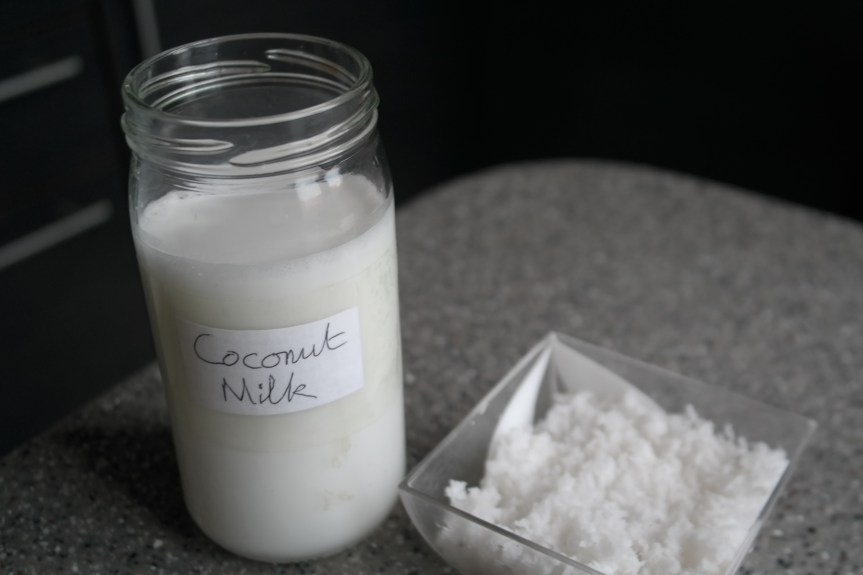
KCC’s homemade coconut milk

Zero Waste Tip: Coconut milk is easy to make at home – you don’t need to buy it in tins. Take 50 g of dried (desiccated) coconut  and cover with 200 ml of hot water. Leave to stand for an hour or so. Liquidise with a hand blender or in a liquidiser on a low setting.

Pour the resulting mix through a fine sieve, pressing the coconut to produce more liquid – you should end up with about 200 ml of milk. Use the leftover coconut mass in soups, burgers, dhals, cakes, or smoothies. The coconut milk will keep for three to four days in the fridge – shake well before use as the cream will settle on the top.

Ingredients (for 4 servings)

  • 500 g carrots
  • 250 ml coconut milk
  • 50 g dried coconut
  • 2 medium onions
  • 2 garlic cloves
  • 1 cm knob of ginger
  • 2 teaspoons coriander seeds
  • 1 teaspoon ground turmeric
  • 50 ml olive oil
  • 500 ml vegetable stock
  • Fresh coriander to garnish

Method

  • Heat the oil in a heavy-based pan and then add chopped onion, garlic ginger, turmeric and ground coriander seeds. Stir and cook for five minutes over a medium heat and then add the finely grated carrots. Reduce the heat and cook for 5 more minute, stirring frequently.
  • Stir in the coconut milk and bring to a simmer, stirring occasionally. Now add the dried coconut and the rest of the stock. Allow the soup to simmer over a low heat for 20 minutes and then blend to a smooth consistency in a liquidiser or with a hand blender. Garnish with fresh coriander leaves before serving.
  • Don’t forget to wash your hands thoroughly before preparing and eating food.
 

Red Bean Hotpot

6 February 2020

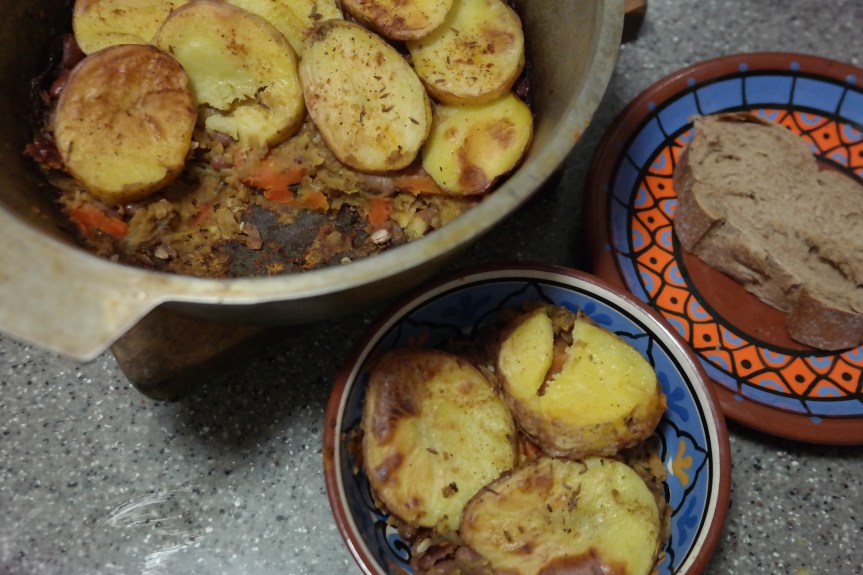
This time round on Knidos Cookery Club, we’re turning our attention to a winter classic from the UK – the Lancashire Hotpot. Our spiced up, veggie-friendly version replaces the meat traditionally used with red beans and red lentils and is topped off with sliced potatoes, helping to retain the hearty, comforting hit of the original.

SAMSUNG CSC

This casserole originated in the north-west of England as a dish that could be left  cooking slowly in the oven over a low heat while families worked from home spinning thread.

The term hotpot is thought to derive from the mixture of ingredients used, although it’s also claimed to be named after the clay pot originally used to cook the dish.  It’s not to be confused with the Chinese Hotpot that uses a steaming pot of stock placed in the centre of the table to cook ingredients.

Ingredients (serves 2)

  • 125 g red lentils
  • 250 g cooked red beans
  • 3 medium potatoes
  • 2 medium carrots
  • 1 medium onion
  • 1 stick of celery
  • 1 garlic clove
  • 50 ml olive oil
  • 600 ml vegetable stock
  • 1 teaspoon each of mustard seeds, coriander seeds, fenugreek seeds, cumin seeds, chilli flakes, turmeric
  • 1 cinnamon stick
  • 1 bay leaf

Method

  • Heat the olive oil in a casserole dish or an ovenproof pan. Fry the onions, garlic, ginger and spices all together for five minutes or so over a medium heat. Add the diced carrot and celery and cook for five more minutes. Add the lentils and 300 ml of stock and cook over a low heat until the water is absorbed and the lentils are cooked but not mushy.
  • While this is cooking, boil the potatoes (cut into 1/2 cm thick slices) for 10 minutes, pour off the water and cover with cold water. Add the cooked beans and the rest of the stock to the lentils and stir well. Place the potato slices in layers over the top of the stew and pour some olive oil over them.
  • Put the casserole dish or pan into an oven heated to  200 c and cook for 30 minutes at this temperature until the potato slices are starting to go a golden brown colour. Serve immediately in individual bowls with a hunk of bread.

The Golden Soup of Samarkand

23 January 2020

This week’s offering – a soup made from chickpeas and carrots, was inspired by a recent visit to a funky Central Asian restaurant called Saksaul in Nur-Sultan, Kazakhstan. This soup appeared on the menu, but unfortunately there wasn’t any left that day. Spotting yellow carrots on sale in the market after returning home, we decided to cook up our own version.

KCC’s Golden Soup of Samarkand featuring yellow carrots and chickpeas

Our soup contains two ingredients that are common in the cookery of Samarkand in Uzbekistan – chickpeas and yellow carrots. Not all carrots are orange in Central Asia, you can even find black ones on occasion, but we find these yellow ones particularly sweet and tasty.

Yellow (and a bit green!) carrots on sale in Kazakhstan

This famed Silk Road city of Samarkand provided further inspiration for our golden potage with spices such as cumin, coriander and turmeric that are still bought and sold along this ancient trade route.

Ingredients (makes 4 portions)

  • 500 g yellow carrots
  • 500 g chickpeas
  • Two yellow onions
  • Two garlic cloves
  • Two teaspoons mustard seeds
  • Two teaspoons chilli powder
  • Two teaspoons cumin seeds
  • Two teaspoons coriander seeds
  • Two teaspoons turmeric
  • 50 ml vegetable oil
  • One litre vegetable stock

Method

  • Heat the oil in a heavy-based pan and add the mustard seeds. When the seeds begin to pop, add the chopped onion and garlic and cook over a medium heat for five minutes. Add the other spices and mix well.
  • Next add the diced carrot and stir to coat the carrot with the mix. Cook for five more minutes, stirring occasionally. Add the chickpeas and stir well, then add the stock and reduce to a low heat and simmer the soup for 30 minutes or so.
  • Using a stick blender, liquidise the soup. Pour into bowls and garnish with chickpeas and a sprinkling of cumin seeds. Serve with bread – we used a flatbread but any crusty bread will work just as well.

Pump up the Dhal

20 February 2020

On these chilly, wintry nights there’s nothing better than a bowl of dhal, the Indian subcontinent’s beloved lentil-based comfort food, to warm you up. We’ve added some chunks of roasted pumpkin that blend perfectly with the red lentils, whilst adding a hint of sweetness to the rich, spicy blend.

20191203_221509
KCC’s pumpkin enriched red lentil dhal

In Sri Lanka, where Knidos Cookery Club has just been on a foodie fact-finding mission, dhal (also spelt dal or daal) is a mainstay of the island’s signature curry and rice dish. It’s served any time of the day – it was particularly good served with string hoppers, little nests of steamed rice noodles, and coconut sambol (grated coconut with chillies and lime juice) – a popular breakfast on the island.

SAMSUNG CSC
Breakfast Sri Lankan style – string hoppers with coconut sambol and red lentil dhal in the background

Dhal can be a meal on its own when served with rice or flatbreads, or try it alongside a selection of your favourite vegetable curries. It’s a dish that tastes even better the next day when the spices have been left over night, allowing the different flavours to mix and mingle.

Ingredients (makes 4-6 servings)

  • 125 g red lentils
  • 200 g roasted pumpkin
  • 250 ml water or vegetable stock
  • 50 ml coconut milk
  • 200 g tomatoes
  • One medium onion
  • One teaspoon each of mustard seeds, cumin seeds, coriander seeds, cloves and chilli flakes
  • Two teaspoons turmeric
  • 1 cm knob of ginger
  • One garlic clove
  • One cinnamon stick
  • One star anise
  • One bunch fresh coriander
  • 50 ml olive oil

Method

  • Roast the chunks of pumpkin in a hot oven at 200 c for 20 minutes. While the pumpkin is cooking, heat the oil in a heavy based pan and add the mustard seeds. When the seeds begin to pop, turn the heat down and add the chopped onions, ginger and garlic and the other spices and stir well. Cook for 10 minutes over a medium heat.
  • Wash the lentils until the water runs clear and then add them to the onion mix with the vegetable stock and chopped tomatoes, stir and cook until all the liquid is absorbed. Add the pumpkin chunks and coconut milk. Cook over a low heat until it starts to bubble. When cooked, remove the cinnamon stick and star anise. Garnish with the chopped coriander and serve with rice and/or a flat bread such as chapati or pita.

The Turk-Mex Chronicles: A Crazy Cactus Salad

5 September 2019

This week we’re cooking up a cactus salad with the main ingredient foraged from some wild prickly pear bushes in Turkey. In an earlier post we reported on some of the similarities between Turkish and Mexican cooking – they both love hot chilli peppers in their food, there’s plenty of beans used, fresh white cheese is a key ingredient and wrapping food in flat bread is popular.

20190827_165824.jpg
A prickly pear cactus growing wild in Datça, Turkey

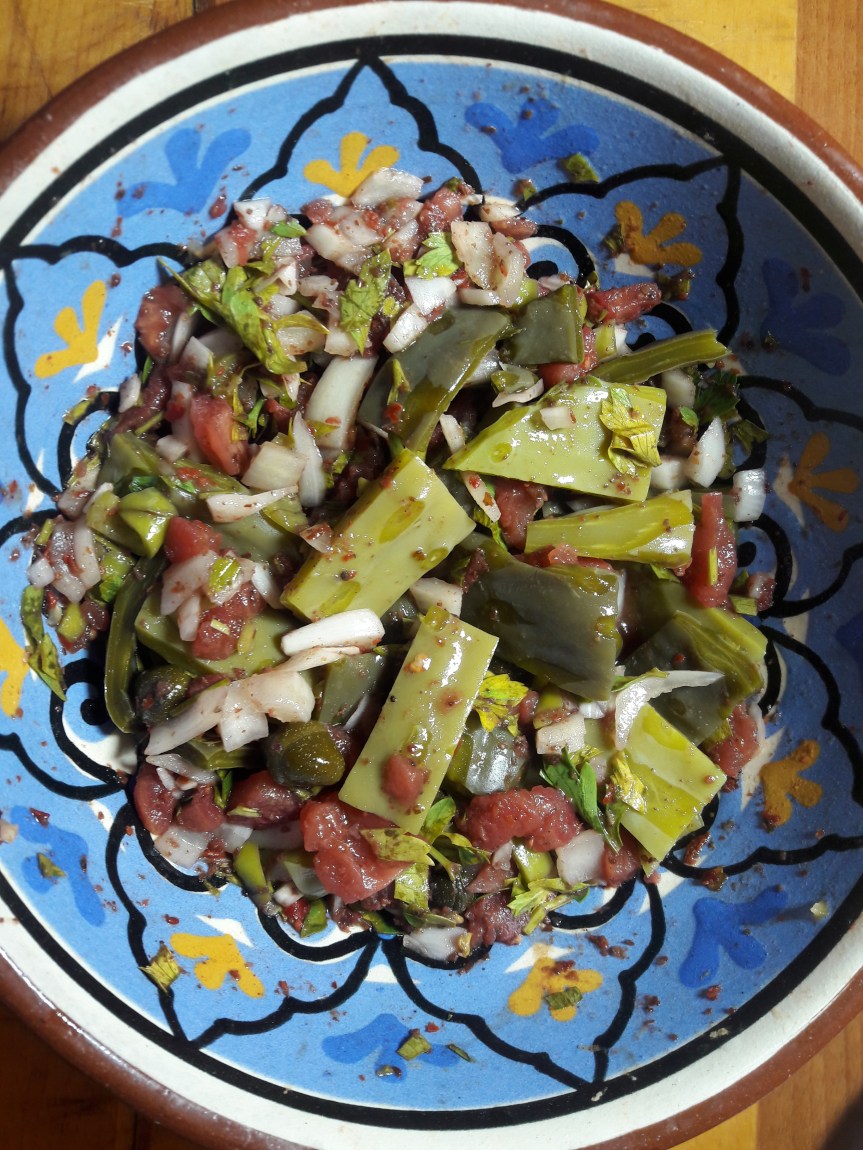
A key area of difference is the use of cacti, a staple of Mexican cuisine. In Mexico the prickly pear paddles, known as nopales or napolitoes (from the Spanish for cactus), are used in a variety of dishes. They can be found in salads, as a taco or tortilla filling, simply grilled or scrambled up with eggs. They have a crunchy taste similar to green beans.

20190829_210243.jpg
Kaktuslu acili ezme

Whilst the prickly pear cactus grows all over southern Turkey, only the fruit – the prickly pears, are usually eaten and sometimes used in cocktails! We’re about to change all that with the first of one of our irregular ventures into the world of Turk-Mex cuisine…

How to deal with a thorny problem…

This slideshow requires JavaScript.

We harvested a few cactus paddles from a secret location in Datça, Turkey. After harvesting, we put on our marigolds and removed the thorns with a sharp knife, sliced the pads up and then boiled them. Next we mixed then in with a spicy tomato sauce, aka acili ezme, to create this Crazy Cactus Salad.

Ingredients (serves 3-4)

Four prickly pear cactus paddles (roughly hand-sized)

For the sauce:

  • One medium-sized onion
  • Three medium-sized plum tomatoes
  • One medium-sized green pepper
  • One garlic clove
  • One teaspoon capers
  • One bunch of parsley
  • One teaspoon dried mint
  • Three teaspoons red chilli flakes
  • Two teaspoons sumac
  • One teaspoon flavoured vinegar (such as apple or fig)
  • Three teaspoons pomegranate sauce

Method

Remove all the thorns from the pads with a sharp knife. Slice into 1 cm strips and then cut into 2 cm pieces. Boil in salted water for 8-10 minutes until cooked but still crunchy – cook them too long and they can go a bit slimy. Drain and rinse in cold water and then mix with the acili ezme salad (instructions below).

For the sauce:

  • Peel the tomatoes and de-seed (to peel: plunge the tomatoes into boiling water for 30 seconds then place in cold water – the skin should now come off easily). Chop the tomatoes, green pepper, onion, garlic and parsley as finely as you can.
  • Put all the ingredients into a bowl, add the herbs and spices, vinegar and pomegranate sauce and mix well. Leave to chill in the fridge for at least two hours before serving.


Hummus to the Power of Turmeric

30th May 2019

Welcome back to Knidos Cookery Club, or KCC to those in the know. This time we’ll be whipping up some hummus spiked with the super-spice turmeric – it’s easier than you think and once you’ve tasted homemade hummus we’ll be surprised if you settle for a shop bought one again.

20190524_172344(0)
Turmeric-infused hummus all ready to go with carrot and cucumber slices

There are a lot of claims around the eastern end of the  Mediterranean Sea as to where hummus originated, but  ownership of this dip has now become truly international – we first came across this turmeric-infused version in Mexico earlier this year.

You’ll need some tahini (sesame seed paste) to make this recipe, but don’t worry if you can’t track any down – it’s simple to prepare your own batch of this nutty-tasting spread. Toast 50 g of sesame seeds in a frying pan (without oil) over a low heat and shake continuously until they turn from white to a golden colour. Then mix with 50 ml of olive oil in a blender and, hey presto, you have tahini. Add more oil for a runnier consistency.

Ingredients (makes around 300 g)

  • 250 g cooked chickpeas
  • 1 garlic clove
  • 2 teaspoons tahini
  • 1 tablespoon olive oil
  • Juice of a lemon
  • 25 ml chickpea water
  • 1 teaspoon turmeric
  • 0.5 teaspoon cumin or caraway seeds
  • 1 teaspoon paprika or chilli powder

Method 

  • Place all the ingredients into a bowl, except for the paprika and cumin (or caraway) seeds. Mix with the blender setting or with a hand blender. Keep mixing until you have a creamy, smooth paste. If needed, add  more of the reserved chickpea water or lemon juice to achieve a smoother consistency.
  • Allow to chill in the fridge for a few hours then mix in the cumin (or caraway) seeds. Sprinkle the paprika over the top and serve with slices of cucumber and carrot.


Down Home Arizona Kızartma

14 February 2019

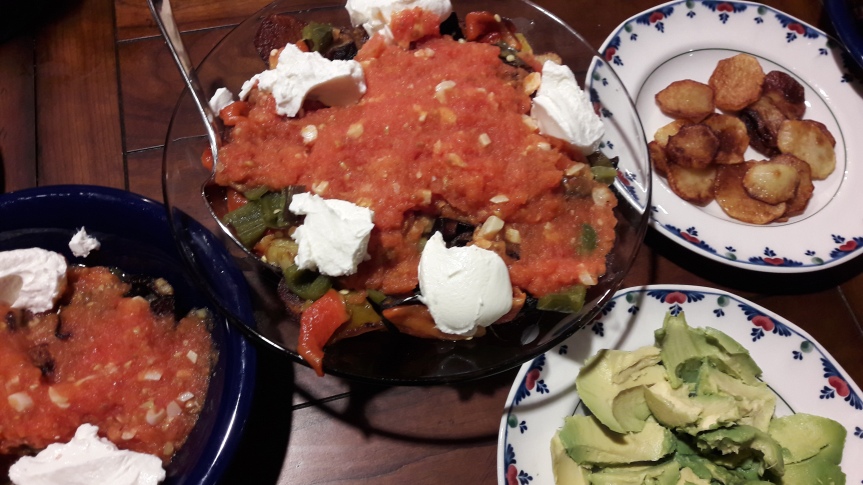
This time round on Knidos Cookery Club we’re swinging through Tucson, Arizona on the way back home. Whilst in Tucson, we met up with some old friends from Kazakhstan (via Turkey and the USA) and were treated to Tolga’s kızartma –  grilled peppers mixed in with fried aubergines and potatoes served in a garlic-infused tomato sauce and garnished with dollops of natural yogurt.

20190204_191319
Tolga’s classic down home Arizona kızartma

Tucson is located on the edge of the Sonora Desert which stretches up into Arizona from northern Mexico. It’s a surreal landscape of towering cacti called saguaro (Carnegiea gigantea), which can grow to be more than 12 m tall.

20190203_163203
There’s a lot of cactus….

The desert is a fascinating place populated with bobcats, coyotes, a variety of snakes and scorpions along with hallucinogenic Sonoran Desert toads (if you’re brave enough to lick them… ).

Having observed the master chef at work closely, here’s KCC’s take on the Turkish classic kızartma.

Ingredients (serves 3-4)

  • Two large potatoes
  • Three medium-sized tomatoes
  • Three garlic cloves
  • one small onion
  • One large aubergine
  • One avocado
  • Four peppers – a mix of green and red
  • Four jalapeño peppers
  • 75 ml olive oil
  • 100 ml natural yogurt

Method

  • Heat 25 ml of oil in a heavy-bottomed pan. Cut the potato into 1mm slices and fry in the oil, turning occasionally, until they are a golden-brown colour on both sides. Remove with a slotted spoon and put on a plate lined with kitchen towel.
  • Prick the peppers a couple of times with a fork and then roast them on a barbecue or over an open flame (here’s some tips on how to do this) until the skin is blackened all over. While the peppers are roasting, put 25ml oil in the pan and cut the aubergine into 1cm cubes and fry until golden brown. Remove with a slotted spoon and put on a plate lined with kitchen towel.
  • Add the rest of the oil to the pan, heat it up and then fry the finely chopped onion and garlic for five minutes over a medium heat and then grate the tomatoes into the pan and cook for 15-20 minutes. Peel the peppers, remove the seeds and chop the roasted peppers roughly.
  • In a large bowl put a layer potatoes, aubergine and peppers alternately. Pour the tomato sauce over the top and garnish with dollops of yogurt. Serve with slices of avocado.

Viva l’Armenian (Revolutionary) Peppers

3 May 2018

With Nikol Pashinyan, leader of the largest political protests  in Armenia’s post-Soviet history, looking likely to become this impoverished  Caucasus Mountains nation’s next  prime minister, Knidos Cookery Club is celebrating this momentous event with an Armenian recipe cooked up by our friend Bagila.

IMG-20180502-WA0003
Bagila’s Armenian (Revolutionary) Peppers take centre stage

This mountainous, landlocked country sandwiched between Turkey, Iran, Azerbaijan and Georgia, has a rich cuisine that draws on an array of fresh vegetables such as aubergines and peppers, pulses and beans and fruits and nuts.

Bagila’s recipe uses red peppers that are fried and then marinated overnight in her signature marinade and they taste amazing served alongside a platter of other dips and salads as in the picture above.

Ingredients (serves 4-6)
500 gr red peppers, cut lengthwise in quarters
50 ml olive oil
For the marinade:
2 fresh tomatoes, skinned and grated
5 crushed/mashed garlic cloves
75 ml of lemon juice
1 bunch of fresh coriander, chopped
1 bunch of fresh parsley, chopped
1.5 tablespoons of sugar
a little less than 1 tablespoon spoon of salt
black pepper to taste;
oil  left over from frying
Method
Fry the quartered peppers in hot olive oil  until soft and then set aside. While they’re cooking, mix all the marinade ingredients together in a bowl.

Combine it all together: a layer of peppers, followed with a layer of marinade and so on.

Put something heavy on top for pressure (a saucer with a stone on top, or a jar of honey (jam), or whatever you can think of), and keep in the fridge for at least several hours (better one night/day) before eating. Enjoy!


I Heard it through the Grapevine

26 October 2017

Welcome to the 60th post on Knidos Cookery Club – to celebrate we took a tour to Datça’s very own vineyard to check out some of the local vintages on offer.

The vineyard is located on a hilltop on the main road into Datça and has a reserve range of delicious reds, going under the name of Cnidus, an alternative spelling of Knidos, and some  excellent red and white blends along with a superb blush wine.

This slideshow requires JavaScript.

It has been in its present site since 2011 and has both south and north-facing rows of vines to take advantage of the sun’s rays from both sides. Look out for the round brick windmill on a hillside on the left as you drive into Datça – the vineyard’s on the main road just before the turn off to the town.

This boutique vineyard produces around 40 – 50,000 bottles of wine a year –  using Cabernet Sauvignon, Merlot, Syrah (Shiraz) and the indigenous Öküzgözü and Boğazkere grape varieties to produce red wines and a blush, and Chardonnay, Sauvignon Blanc and the local Sultaniye grape to make white wine.

You can taste the wines in the windmill or in the beautiful garden with its spectacular views over the Mediterranean Sea and Greek islands on the horizon. You can also take a tour of the vineyard and buy wine in the shop at competitive prices.

Datça Vineyard’s wines are on sale in some restaurants in town and in two supermarkets – Erdi on the harbour front, and Dilge on the road to the town’s Saturday market.

20170516_102107
Green beans roasted with walnuts

With all this wine tasting to do, something simple was called for so this week we’re going to make a a quick pasta dish with roasted green beans and walnuts. It’s really easy to cook and there’s not much washing up either, leaving more time to enjoy the fruits of Datça’s vineyard!

Ingredients (serves 2-3)

250 g green beans

50 g walnuts

200 g pasta (penne, fusilli or spaghetti works well here)

One garlic clove

25 ml olive oil

One teaspoon dried thyme

Method 

Top and tail the green beans and cut into 3-4 cm slices. Put the beans in an oven dish, crush the walnuts and mince the garlic and scatter over the beans and then add the thyme and olive oil. Stir well and then put the dish in a pre-heated oven and cook for 30 minutes at 180 c.

While the beans are roasting, cook your favourite pasta as per the instruction on the pack. When cooked to your taste, drain and mix with the roasted beans and walnut and serve immediately on warmed plates with shavings of Parmigiano-Reggiano (Parmesan), if you’re a cheese fan.

As for the wine pairing, we’d recommend either a Silenus Chardonnay or a Silenus Blush – in Greek mythology Silenus was the god of wine making and drunkenness and the foster-father of Dionysos, the god of wine, vegetation, pleasure, festivity, madness and wild frenzy – enjoy!


No Beef with the Beetburger

19 October 2017

The beet is back on Knidos Cookery Club and this time round we’ll be using our burgundy-coloured friend to tap into another zeitgeist treat in the form of the tasty beetburger.

20171013_210527

The stalls in Datça market last Saturday were overflowing with bunches of beetroots so we picked up a bunch, chopped off the leaves and stems for sautéing, and wrapped the beets in foil and roasted them in the oven for an hour or so.

Beetroot burgers have been a bit of a barbecue craze in the UK over the summer, with supermarkets reporting soaring sales as people turn towards healthier options to meat.

20171013_175647
Turkey’s papatya, or daisy, loaf of bread

We’ve done some experimentation and come up with a patty that will hold together under the grill, on the barbie, in the oven or can be shallow-fried. Stuff it in a bun – we’ve used the papatya loaf as pictured above, and serve with chips and salad for a delicious yet healthy meal (the chips were roasted in the oven, not fried).

Ingredients (makes 6-8 burgers)

100 g red lentils

50 g fine bulgur wheat

150 g roasted beetroot, grated

One medium onion

One garlic clove

50 ml olive oil

Two teaspoons dried thyme

One teaspoon each of sumac, cumin and chilli flakes

Dash of soy sauce

Method

Heat 25 ml of the olive oil in a heavy-based pan, add the herbs and spices and the chopped onion and garlic and fry for five minutes until the onion starts to soften. Add the lentils and water, bring to the boil and then simmer until the liquid is absorbed.

Add the bulgur wheat to the mix and allow to cool for 30 minutes – this should thicken the mixture. Then add the grated beetroot and stir to combine all the ingredients. Form into burger shapes (take a dollop of walnut-sized mix and flatten with a spatula and shallow fry in the rest of the olive oil on both sides until going crispy on the outside.

Alternatively, these burgers can be baked in the oven for 30-40 minutes at 200 c or grilled or cooked on the barbecue until crispy on both sides. Serve in a burger bun with salad and chips.