With autumn upon us once again, it’s time for pumpkin to make a return to the table. This versatile memeber of the squash family makes for perfect comfort food for the longer, chillier nights. KCC’s back catalogue features a number of pumpkin dishes – try this cousin of lasagne made with chickpeas and mixed greens and this roasted pumpkin with halloumi for starters.
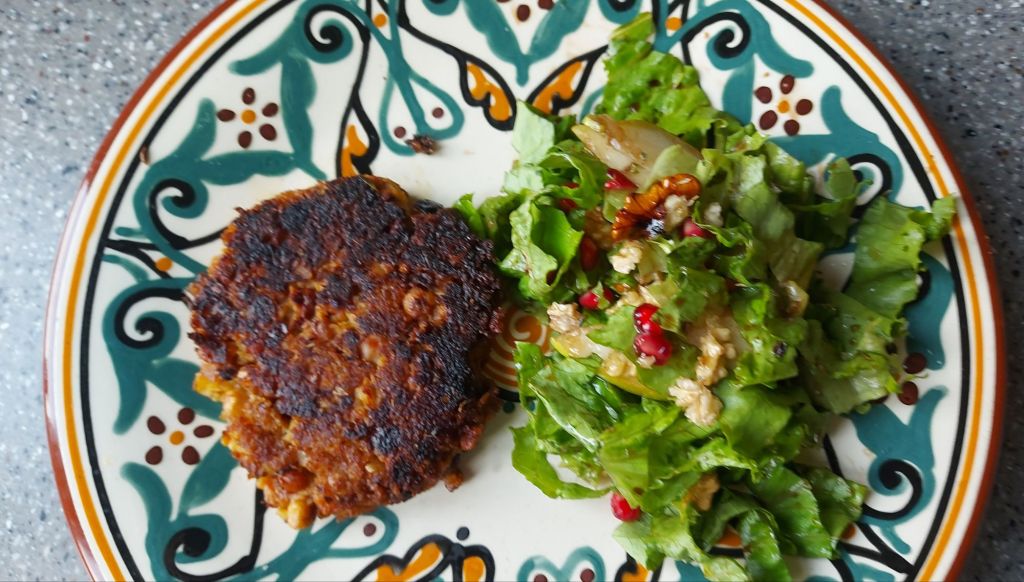
A nutty chickpea and pumpkin fritter served with a lettuce, pear, pomegranate and walnut salad
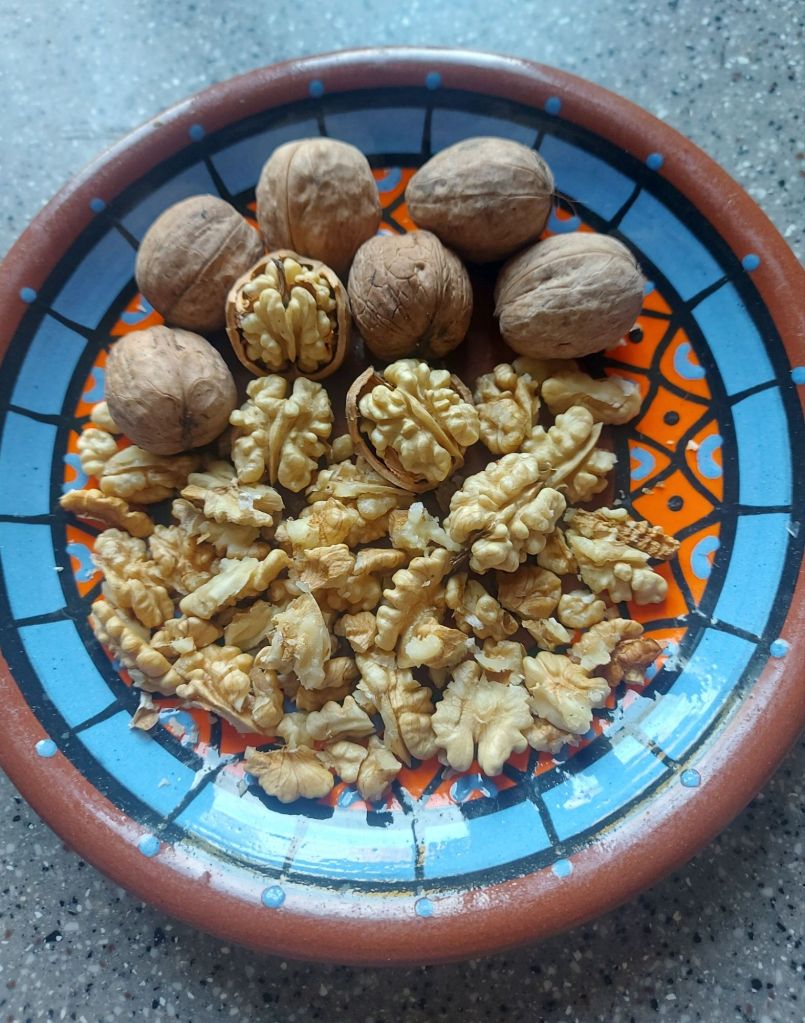
This time, we’re using the pumpkin in a fritter made with chickpeas and fine bulgur wheat. Recently, we recieved some walnuts from a friend of a friend’s dacha outside Almaty, here in Kazakhstan, which are ideal for adding a nutty edge to these chickpea and pumpkin fritters. We also added some walnuts to a fruity salad made with lettuce, pear and pomegranate seeds to accompany the fritters. Dress it with equal parts of balsamic vinegar and extra virgin olive oil.
This year’s walnuts fresh from the dacha in Almaty, Kazakhstan
Turkey meets India this time round on KCC as we cook Turkey’s beloved bulgur wheat in in Indian biryani style. Bulgur, parboiled, dried and cracked wheat, is a quick-cooking alternative to rice that works really when combined with spicy vegetables.
Bulgur biryani
Biryani belongs to the family of layered rice dishes that includes Uzbekistan’s plov and other pilafs. The name is from the Persian barian, which translates as ‘roasted’.
The dish was originally brought to the Indian sub-continent by travellers from Iran and has developed into a number of regional variations, with the Hyderabadi one, served with a yoghurty raitha, being the most famous.
As bulgur is parboiled, it cooks really quickly. It takes around 15 – 20 minutes to cook – the total prep time for this dish is less than an hour from start to finish and it is cooked in one-pan, so less washing up to worry about.
Ingredients (for two servings)
100g coarse bulgur
100g diced carrot
100 g courgette
150 g cooked chickpeas
25 g tomato paste
25 g pepper paste (we used tatli (sweet), if you want it hot, use acili)
20 ml olive oil
1 stick of celery (approx 25 g)
2 spring onions (approx 10 g)
1 green pepper (approx 30 g)
250 ml vegetable stock
1 cinnamon stick
1 teaspoon each of mustard seeds, cumin seeds, turmeric, fenugreek, chilli powder
25 g fresh coriander
Method
Heat the oil in a large frying pan and add the mustard seeds. When they start to pop, add the chopped spring onion and celery and cook for two minutes. Then add the chopped green pepper and diced carrot and cook for two more minutes. Add the courgettes and cook for another two minutes.
Add the spices and stir well and then add the cooked chick peas and the vegetable stock. Stir in the tomato and pepper paste, bring to a boil and then reduce the heat to a gentle simmer. Add the bulgur in a layer over the veggies. Put a lid on the pan and cook over a low heat for 15 – 20 minutes until all the liquid is absorbed.
Turn off the heat and allow the mix to rest for ten minutes or so. Stir well and then serve. Garnish with chopped coriander.
It’s that asparagus time of year once again. These tasty green spears are a harbinger of the warmer months of Spring and Summer – the first tips are ready for harvest shortly after the ground temperature hits 10°C.
Asparagus and chickpea pasta
Here in Almaty, Kazakhstan, locally-grown asparagus is currently having its moment in the sun, with many restaurants offering seasonal dishes featuring these flavour-packed spears of goodness.
Asparagus from Kazakhstan
Over the years, KCC has featured a number of asparagus dishes, such as a bulgur pilaf with asparagus (KCC’s first ever recipe), Mr Alan’s Top Tips, and in a stir-fry. This time round, after tracking down some locally-grown asparagus in Almaty, we’ve cooked it with chickpeas, capers, walnuts and tagliatelle:
Ingredients (for 2 servings)
150 g asparagus
175 g chickpeas
30 g walnuts
20 g capers
50 – 100 ml aquafaba (chickpea cooking liquid)
25 ml olive oil
150 g dried taglaitelle
One teaspoon fresh or dried rosemary
Method
To make the green sauce, blitz 50 g of chopped, raw asparagus in a blender with 75 g chickpeas, the chopped walnuts and capers and olive oil. Keep adding aquafaba slowly until the sauce had a creamy consistency,
Cook the pasta according to the packet instructions in a pan of boiling, salty water. Slice the remaining asparagus into 3 mm slices and cook with the pasta for the last five minutes. While the pasta is cooking, add the remaining chickpeas to the green sauce in a heavy-based pan, warm over a low heat and stir in the rosemary.
Drain the pasta and asparagus, reserving some of the cooking Waterloo to loosen the sauce, if needed, and add to the green sauce and chickpeas, combine well and serve.
To celebrate Navruz this year, KCC has gone for a Kazakh mashup with a loose variation on Kazakhstan’s national dish, Beshbarmak. Lurking at the back of the cupboard was a pack of zhaima, the pasta sheets used in the dish.
Beshbarmak refers to the method of eating this meat and pasta dish, using your hand, or “five fingers.” There are iterations such as “Fishbarmak,” so we decided it was time for a variation on the theme of “Vegbarmak.”
Pasta sheets (zhaima) for Beshbarmak from Kazakhstan
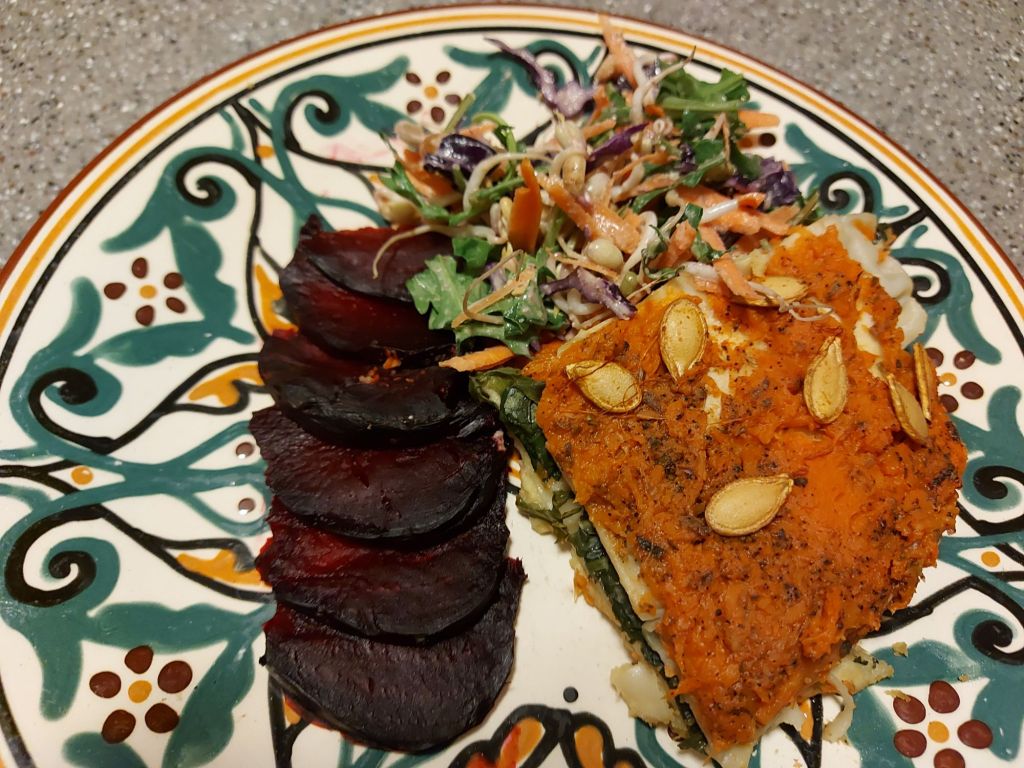
On closer inspection, the pasta sheets looked good for a lasagne-style dish, but the dish that eventually emerged was closer to Turkey’s su böreği. This consists of layers of boiled pastry sheets with a cheesy filling. We used different layers of vegetables and pulses to achieve something between a veg barmak and a su böreği.
Put a layer of mixed greens on top of the chickpeas that have been covered with pasta sheetsPut another layer of pasta sheets and then top with mashed pumpkin and decorate with pumpkin seeds
Ingredients (serves 3-4)
300 g cooked chickpeas
400 g roasted pumpkin
50 g spinach
50 g rocket
50 g tahini
50 ml chickpea water (aquafaba)
16 pasta sheets (the ones used were 6 cm x 11cm)
Sprinkling of pumpkin seeds
Three teaspoons dried oregano
One teaspoon dried sage
One teaspoon cumin seeds
Method
Pre-heat the oven to 180 c. Put 150 g of chickpeas in a blender with the tahini, aquafaba and one teaspoon of oregano and blend until smooth. Mix with the remaining chickpeas and then put this mixture into the bottom of an ovenproof dish. Place the pasta sheets in hot water for a minute and then arrange over the chickpea mixture.
Put the washed greens on top of the pasta, sprinkle another teaspoon of oregano over the greens and then put another layer of sheets on top of the greens. Mash the pumpkin and mix with the sage and cumin seeds and oregano. Smooth this over the pasta sheets and decorate with pumpkin seeds.
Bake in the oven for one hour at 180 c – cover with tinfoil for the first 40 minutes and then cook uncovered for the last 20 minutes. Cut into four slices – it can be served either hot or cold.
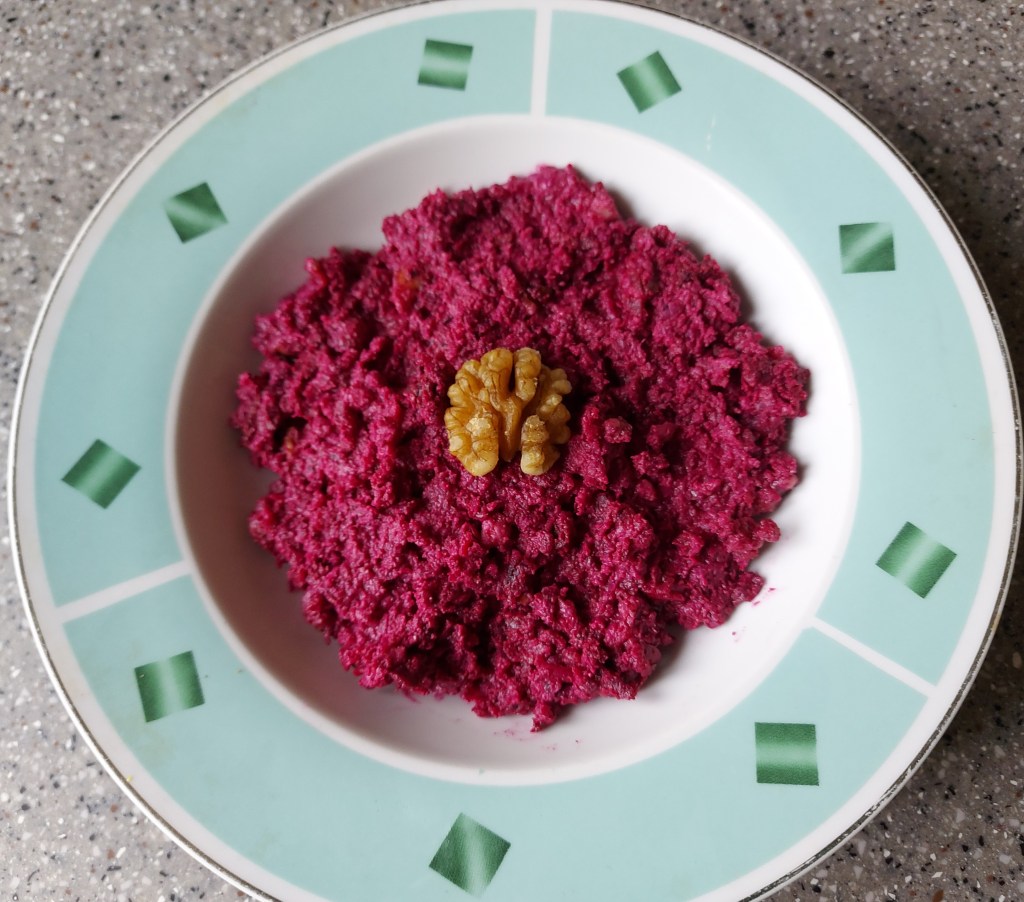
Hummus is one of those dips that we come back to time after time here on KCC. Beyond the classic basic dip of chickpeas, tahini, garlic, lemon juice and olive oil, the possibilities are endless. Our latest version is inspired by a recent trip to Myrtos, Crete where we tasted a beetroot-driven hummus at the excellent O Platanos restaurant.
In the past, we’ve made a turmeric-infused hummus and one from red beans, now here’s our latest variation. Beetroot is one of our favourite root vegetables, and it’s really good for you to boot. Taking some tips from Georgia, where a similar dip called pkhali is a regular feature on the dinner table, we’ve added some walnuts to give this hummus an extra protein boost.
Ingredients
125 g baked beetroot – grated
125 g crushed chickpeas
50 g tahini – mixed with up to 50 ml of hot water
25 g toasted walnuts
One garlic clove
100 ml aquafaba (chickpea water)
a few dashes of olive oil
Two teaspoons of sumac
pinches of ground cumin and coriander
Method
Grate the beetroot and then put in a large bowl and crush with a fork (you can also put it in the blender, if you have one). Add the mashed up chickpeas and stir well. Combine the tahini with hot water until you have a creamy paste and then add to the mix.
Add the crushed, toasted walnuts, finely chopped garlic and sumac (this replaces lemon juice to give the hummus a citrusy kick without the acid) and stir together. Add some aquafaba and some splashes of olive oil and blend until the dip achieves your favoured consistency. Season with cumin and coriander and serve with warm pita bread.
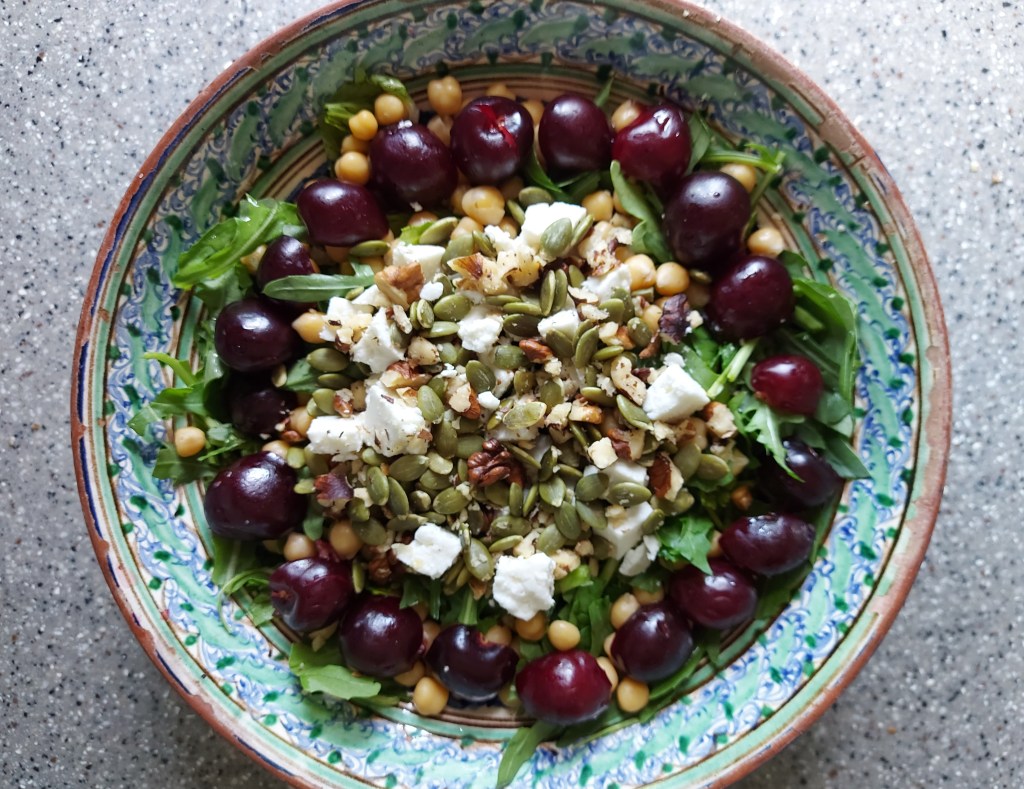
If you’re a purist who believes that fruits have no business being in salads, then this is not the place for you. At KCC we have no such qualms about mixing vegetables and fruits. In the past we’ve featured a salad with raspberries, one with grilled peaches and another with watermelon, to name a few. As long as something salty, like feta or halloumi cheese, is included to counterbalance the sweetness, then adding fruit to to your salad is fine in our book.
A rocket-fuelled cherry, chickpea, feta and walnut salad
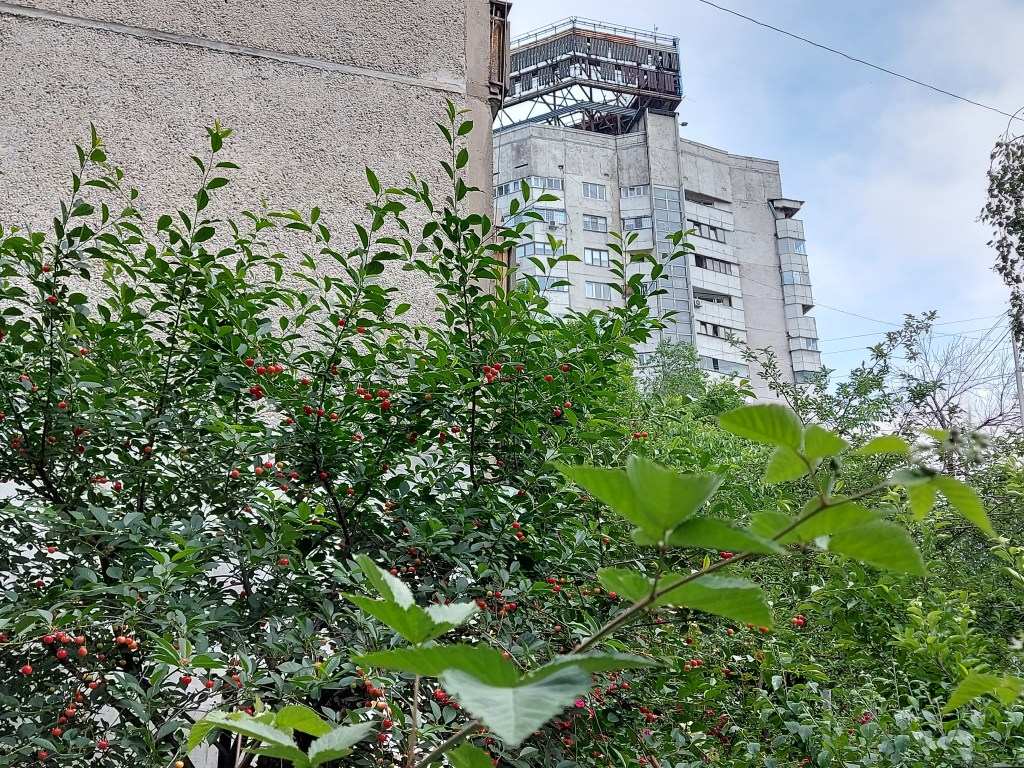
Cherries are at their peak at this time of the year. Whatever variety you can get your hands on – sweet or sour, both work fine in this salad. Prepare a bed of rocket and celery, top with chickpeas, pumpkin seeds, walnuts and feta, arrange the cherries around the edge and dress with pomegranate sauce and olive oil to make a balanced meeting of sweet and sour in this early summer special.
This time round on KCC we’re going for a chickpea, aka chana, chilli that includes a slab of dark chocolate to balance out the acidity of the tomato sauce – a combination that works surprisingly well.
Chocolate chilli chana
We first came across the dark chocolate infused mole sauce many years ago in a Mexican restaurant in Barcelona. It’s been on the list of things to cook for a while and having received a selection of Green and Black’s chocolate that included an 85% cocoa bean bar there were no longer any excuses not to try it out.
We served our chickpea chilli with some pearl barley – it’s also good with brown rice, couscous, bulgur wheat or some flatbread to mop up the chocolate rich sauce. We also recommend washing it down with a margarita or two.
Ingredients (makes 3-4 servings)
300 g chickpeas (cooked)
150 g carrot
150 g onion
50 g red lentils
250 g tomatoes
20 g dark chocolate
25 ml olive oil
150 ml aquafaba (chick pea cooking water)
1 teaspoon cumin seeds
1 teaspoon coriander seeds
1 teaspoon paprika (smoked if you can get it)
1 teaspoon chilli powder (or chilli flakes)
2 cm cinnamon stick
5 cloves
1 bunch fresh coriander
Method (Cooking time approx 45 minutes)
Heat the olive oil in a heavy-based pan and add the cumin seeds. When the seeds start to pop add the diced onion. Stir fry for five minutes over a medium heat and then add the diced carrots. Cook for five more minutes and then reduce to a low heat. Add the chopped tomatoes and cook for another five minutes.
Add the aquafaba, ground coriander seeds, cinnamon, cloves, paprika and chilli powder and stir well. When the mix starts to bubble, stir in the red lentils. Simmer the mixture and after 15 minutes add the cooked chick peas. Cook for another 10 minutes over a low heat and then add the dark chocolate.
Serve with pearl barley or a grain of your choice and garnish the Chocolate Chilli Chana with fresh coriander. Take a slug of margarita and enjoy!
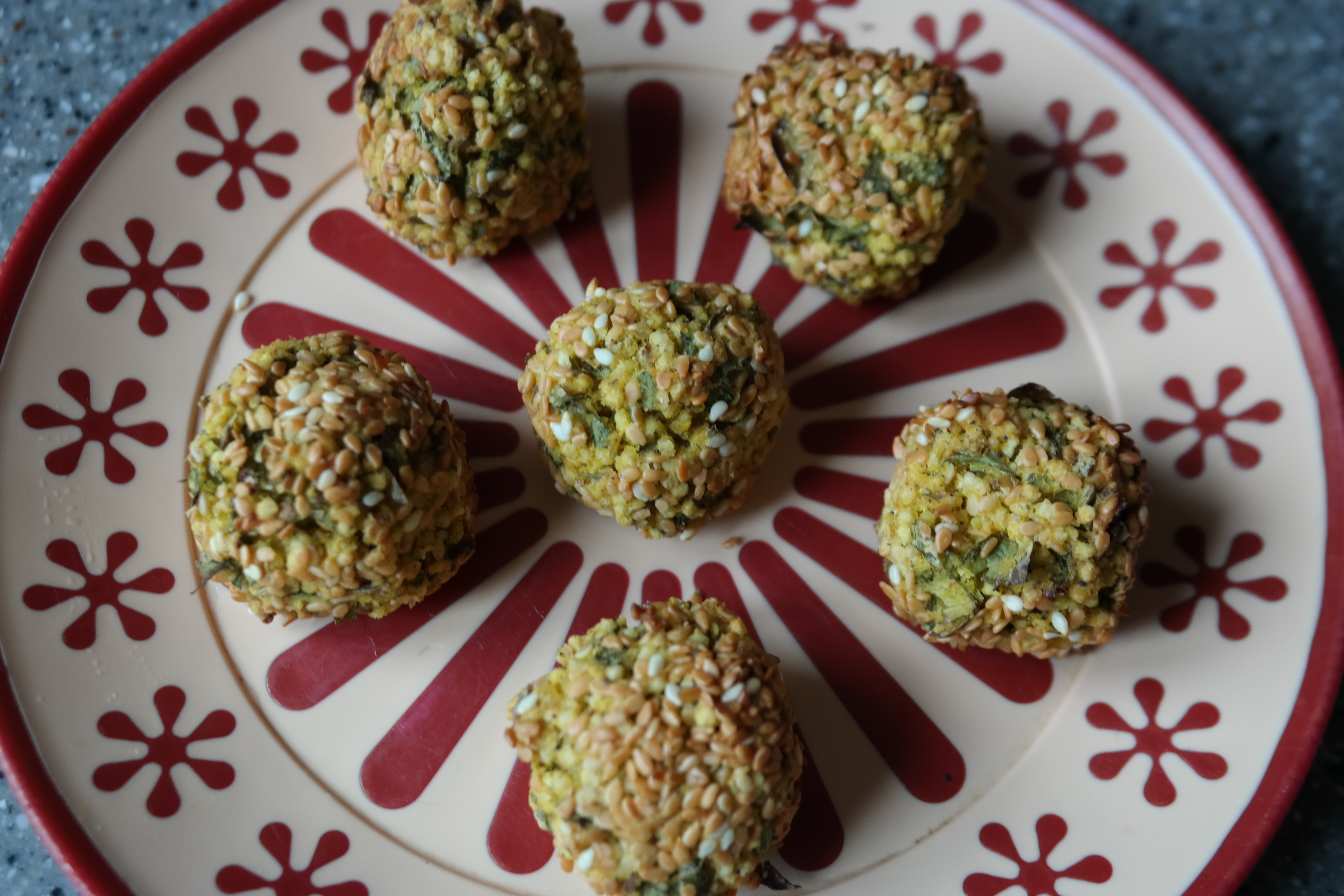
This time round on Knidos Cookery Club we’ll be taking an armchair culinary tour to the Middle East and looking at the origins of the humble falafel. Arguments abound as to where this street snack par excellence originated, but most likely it was Egypt according to the evidence.
Millet falafel, anyone?
The Egyptian version of this tasty bite is usually made with fava beans, known as fūl in Arabic, which is thought to be the base for the name falafel , whilst in other parts of the Mediterranean region chickpeas are preferred.
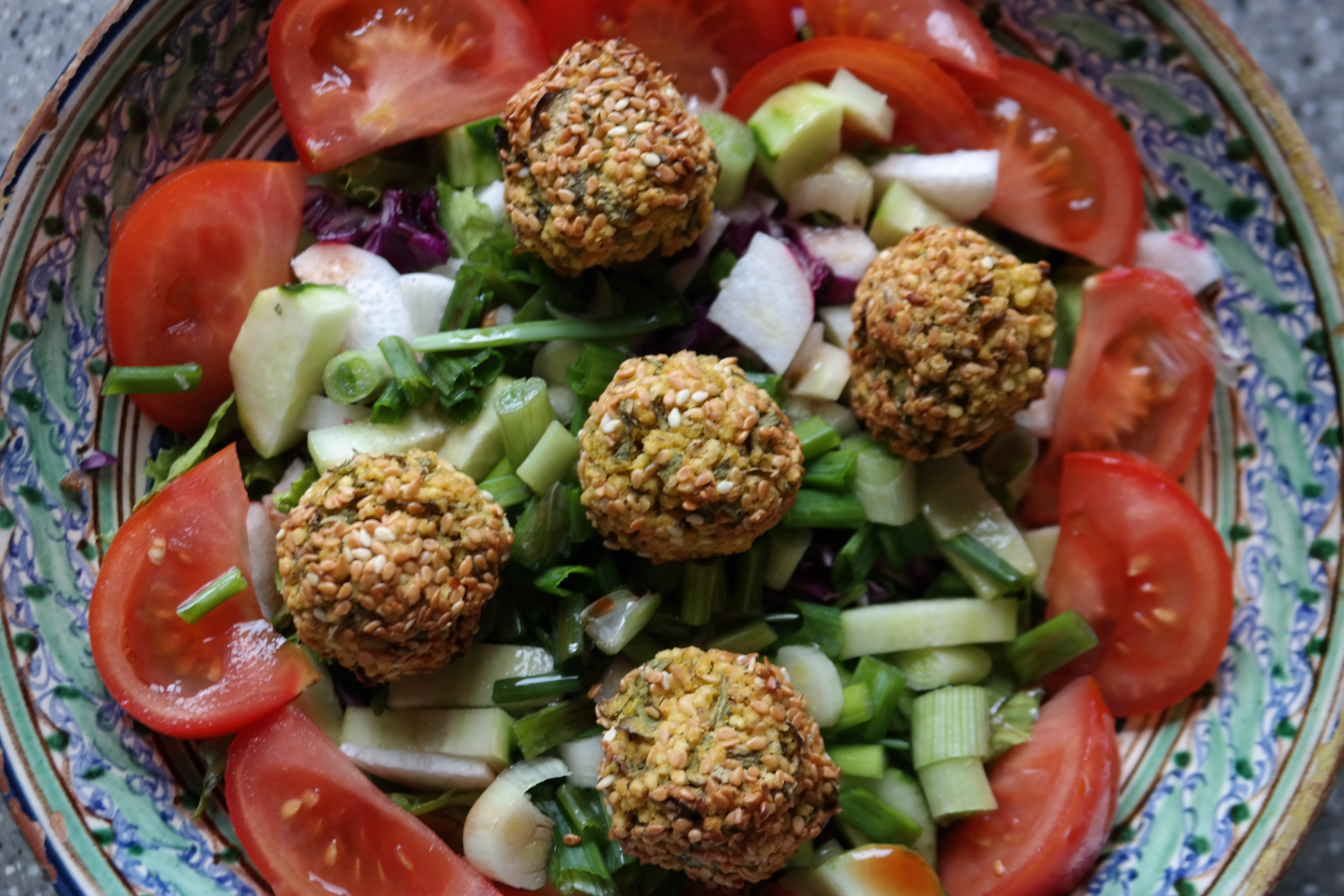
Falafel salad
With both chickpeas and fava beans in short supply in Almaty at the moment, it was back to the drawing board to look for an alternative base for our falafel. While stocking up during lockdown in our local shop we came across a pack of millet and a spot of googling revealed that this would work just fine as the base for our take on the falafel.
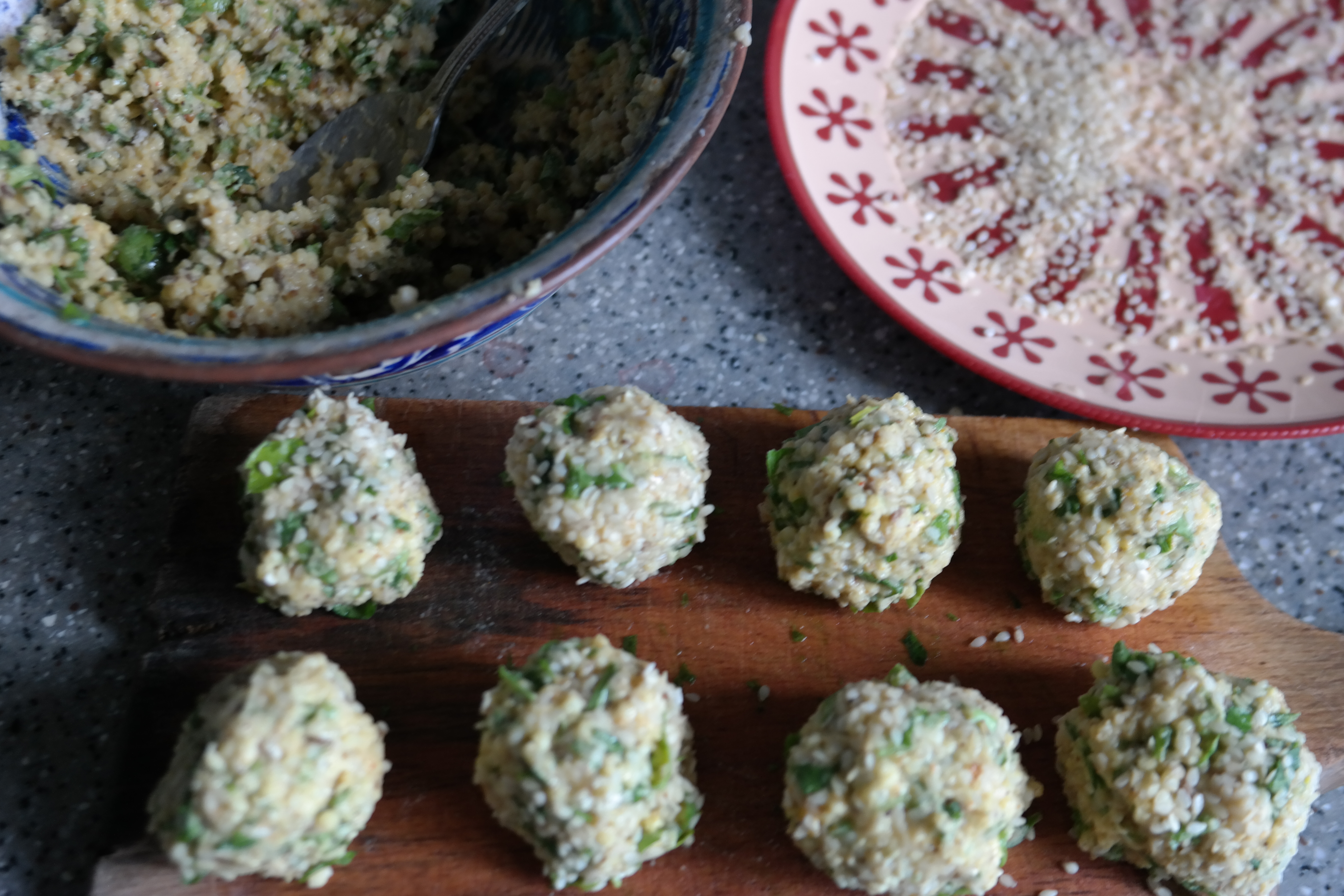
Forming the falafel
We baked them in the oven rather than deep-fried them as it’s a lot less hassle. Be sure to use plenty of parsley, cumin, coriander and chilli powder to spice up the millet. The resulting falafel were crisp on the outside but soft and fluffy in the centre, just as they should be.
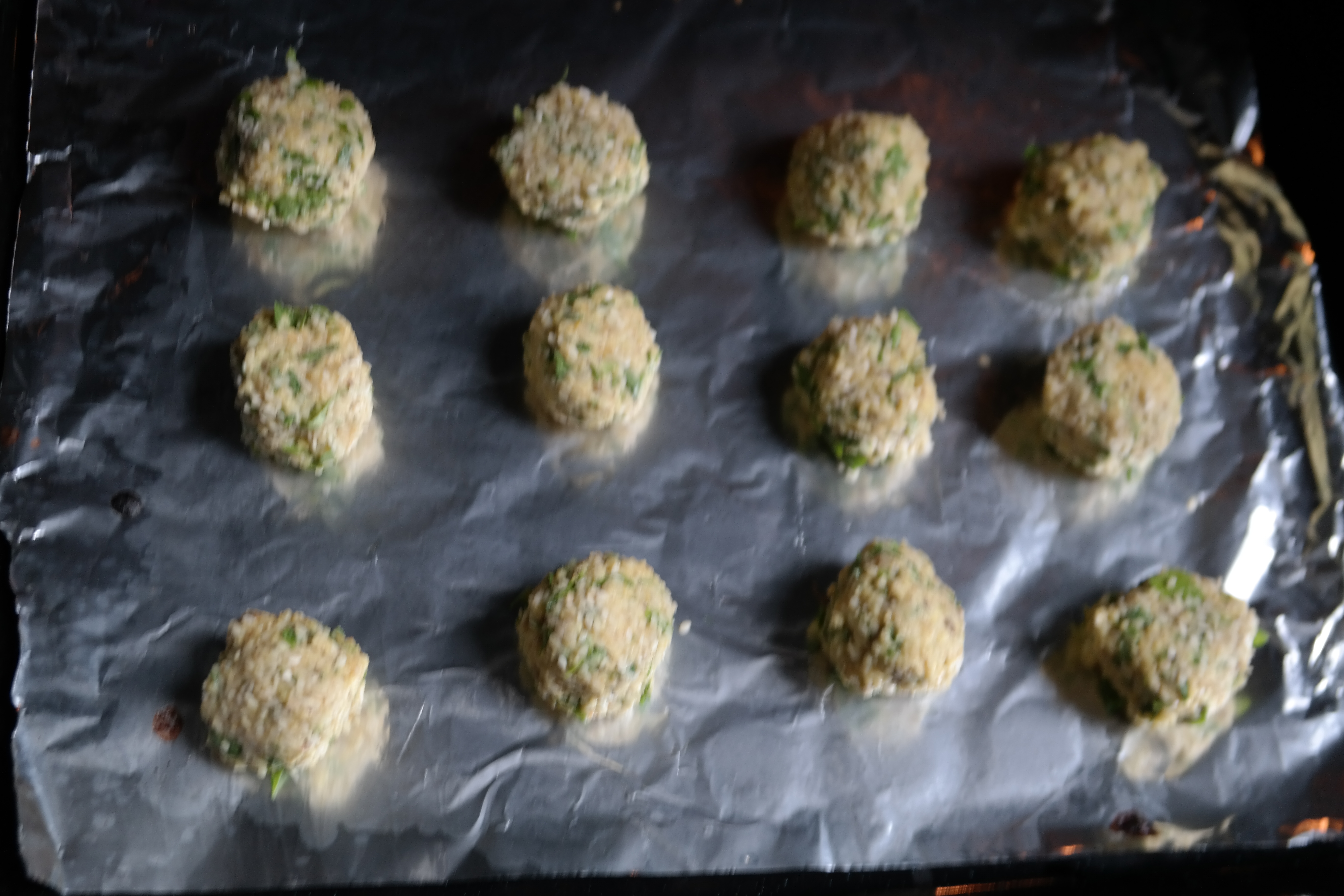
Bake the falafel in the oven
Be careful when cooking millet as it has a tendency to stick to the pan if you don’t keep an eye on it and stir regularly. We found it best to rinse and soak it for a few hours before cooking as this reduces the time needed to cook it.
Ingredients (makes 12-16 falafel)
150 g millet
300 ml water or vegetable stock
one garlic clove
one bunch of parsley
one teaspoon cumin
one teaspoon coriander
one teaspoon chilli powder
Sesame seeds to coat the falafel
Method
Rinse and then soak the millet in a pan for four hours. Drain the millet and cover with water or vegetable stock. Bring to a boil and then simmer until the liquid is absorbed. Stir regularly as the millet will stick to the bottom of the pan if not watched carefully.
Finely chop the parsley, both leaves and stalks, mince the garlic clove and add to the cooked millet. Add the spices – if you want to give your falafel more oomph, double the amount. Mix well and then form into balls. Roll the balls in the sesame seeds and then place on a tray and oven bake for 20 minutes at 200 c, or until the falafel turn a golden-brown colour.
Serve in pita bread with salad and sauces of your choice or as part of a salad – we made one from cucumber, tomato, spring onion, celery, red cabbage and radish. These falafel will keep in the fridge for a few days so you can cook a large batch at the same time.
With movement getting ever more restricted in the lockdown — we’re now limited to not going more than 500 m from our flat in Almaty, which rules out big supermarkets for shopping trips, maintaining a supply of fresh ingredients is becoming more tricky – so this is the time when beansprouts come into their own…
This slideshow requires JavaScript.
So, this time round we’ll be looking at some things you can do in the home, such as sprouting beans and lentils, to add a fresh, nutritious kick to your salads and stir-fries. We’ve gone for mung beans which are easy to sprout – your first crop will be ready in a matter of days and all you need is a glass jar and some mesh netting (we re-purposed a yoga mat bag by recycling the nylon mesh for our sprouter).
KCC’s sprout-powered salad with carrot, chickpeas, spring onions and radish.
Here are the steps for germinating mung beans:
Select clean, undamaged mung beans and wash them thoroughly.
Sterilise your glass jar and mesh lid with boiling water and/or in a hot oven.
Fill the jar about a quarter of the way with washed beans.
Soak the beans in cold water in the jar for at least four hours.
Drain off all the water and put the jar in a cool, dark cupboard.
Rinse the mung beans a few times a day with cold water and drain the liquid off.
After two or three days, your first crop will be ready for eating.
When the sprouts are around 2-3 cm long, put them in the fridge until using.
Warning: Raw bean sprouts can lead to food poisoning if not prepared in sterile conditions and regularly washed with clean water.
If the sprouts look slimy or smell strange, throw them away.
Once sprouted, store the sprouts in the fridge and try to use them as quickly as possible.
And don’t forget to wash your hands frequently, especially when preparing food.
This week’s offering – a soup made from chickpeas and carrots, was inspired by a recent visit to a funky Central Asian restaurant called Saksaul in Nur-Sultan, Kazakhstan. This soup appeared on the menu, but unfortunately there wasn’t any left that day. Spotting yellow carrots on sale in the market after returning home, we decided to cook up our own version.
KCC’s Golden Soup of Samarkand featuring yellow carrots and chickpeas
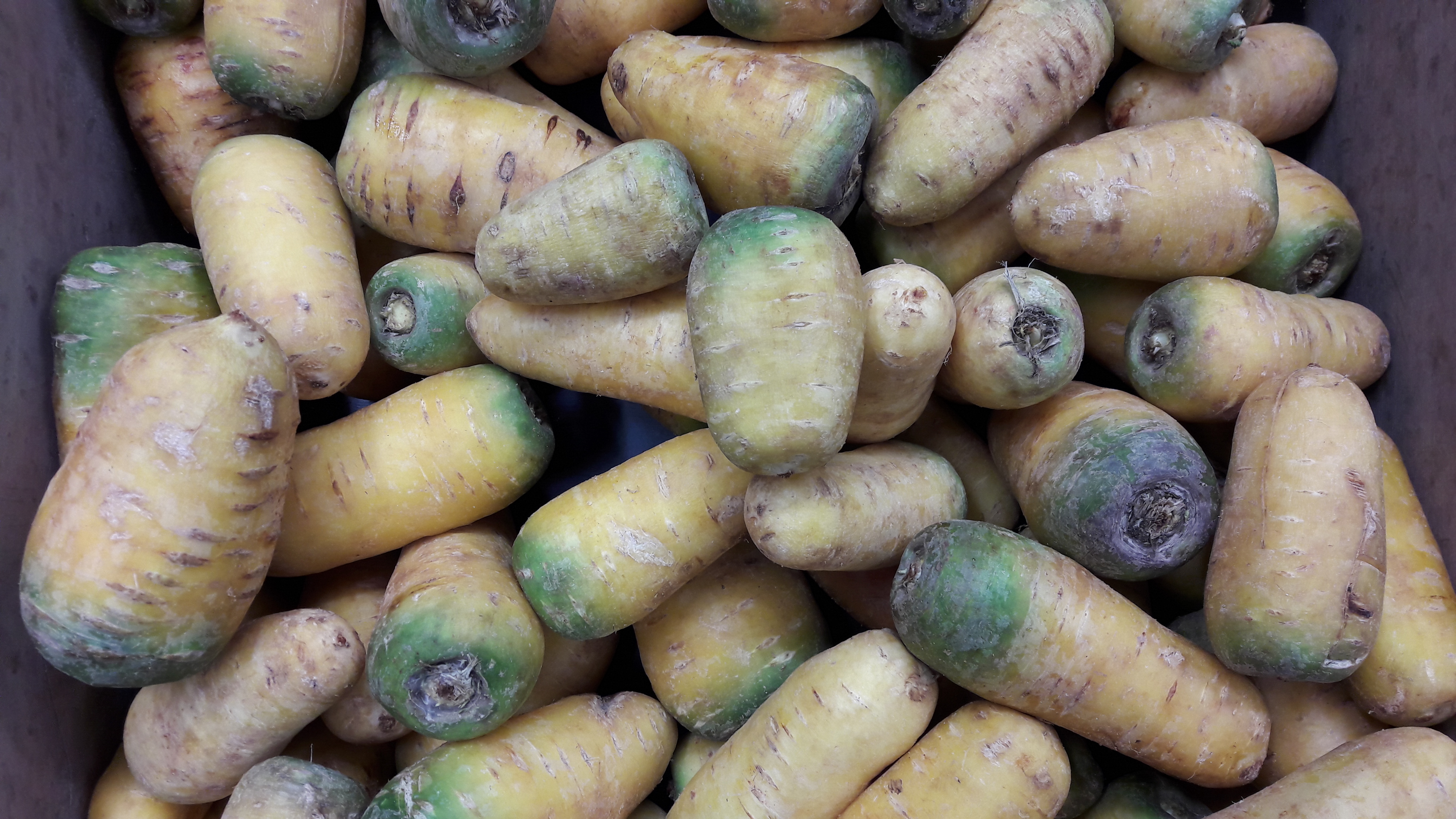
Our soup contains two ingredients that are common in the cookery of Samarkand in Uzbekistan – chickpeas and yellow carrots. Not all carrots are orange in Central Asia, you can even find black ones on occasion, but we find these yellow ones particularly sweet and tasty.
Yellow (and a bit green!) carrots on sale in Kazakhstan
This famed Silk Road city of Samarkand provided further inspiration for our golden potage with spices such as cumin, coriander and turmeric that are still bought and sold along this ancient trade route.
Ingredients (makes 4 portions)
500 g yellow carrots
500 g chickpeas
Two yellow onions
Two garlic cloves
Two teaspoons mustard seeds
Two teaspoons chilli powder
Two teaspoons cumin seeds
Two teaspoons coriander seeds
Two teaspoons turmeric
50 ml vegetable oil
One litre vegetable stock
Method
Heat the oil in a heavy-based pan and add the mustard seeds. When the seeds begin to pop, add the chopped onion and garlic and cook over a medium heat for five minutes. Add the other spices and mix well.
Next add the diced carrot and stir to coat the carrot with the mix. Cook for five more minutes, stirring occasionally. Add the chickpeas and stir well, then add the stock and reduce to a low heat and simmer the soup for 30 minutes or so.
Using a stick blender, liquidise the soup. Pour into bowls and garnish with chickpeas and a sprinkling of cumin seeds. Serve with bread – we used a flatbread but any crusty bread will work just as well.







 Knidos Cookery Club