The HummusVariations: Beetroot and Walnut Hummus

02 November 2023

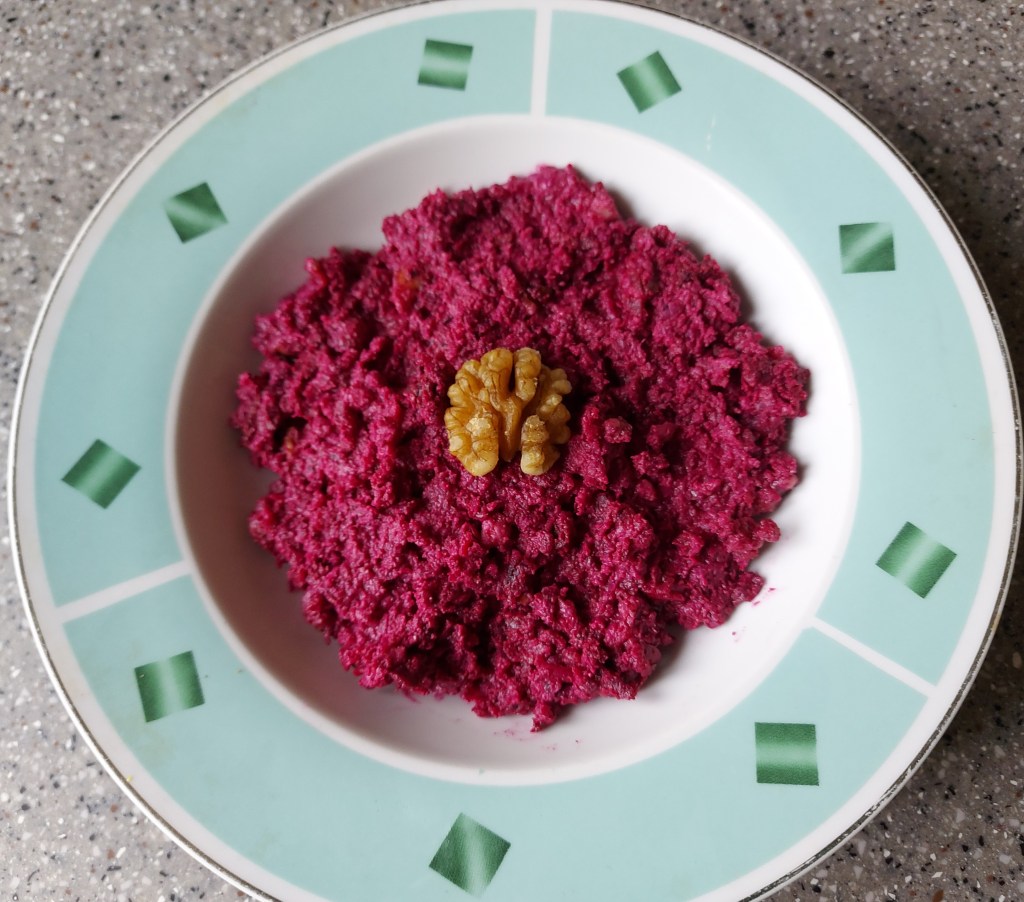
Hummus is one of those dips that we come back to time after time here on KCC. Beyond the classic basic dip of chickpeas, tahini, garlic, lemon juice and olive oil, the possibilities are endless. Our latest version is inspired by a recent trip to Myrtos, Crete where we tasted a beetroot-driven hummus at the excellent O Platanos restaurant.

In the past, we’ve made a turmeric-infused hummus and one from red beans, now here’s our latest variation. Beetroot is one of our favourite root vegetables, and it’s really good for you to boot. Taking some tips from Georgia, where a similar dip called pkhali is a regular feature on the dinner table, we’ve added some walnuts to give this hummus an extra protein boost.

Ingredients

  • 125 g baked beetroot – grated
  • 125 g crushed chickpeas
  • 50 g tahini – mixed with up to 50 ml of hot water
  • 25 g toasted walnuts
  • One garlic clove
  • 100 ml aquafaba (chickpea water)
  • a few dashes of olive oil
  • Two teaspoons of sumac 
  • pinches of ground cumin and coriander

Method

  • Grate the beetroot and then put in a large bowl and crush with a fork (you can also put it in the blender, if you have one). Add the mashed up chickpeas and stir well. Combine  the tahini with hot water until you have a creamy paste and then add to the mix.
  • Add the crushed, toasted walnuts, finely chopped garlic and sumac (this replaces lemon juice to give the hummus a citrusy kick without the acid) and stir together. Add some aquafaba and some splashes of olive oil and blend until the dip achieves your favoured consistency. Season with cumin and coriander and serve with warm pita bread. 

Hasty Tasty Avocado Tzatziki

12 October 2023

Over the next few weeks on KCC, we’ll be looking at some dishes inspired by a recent visit to Crete, Greece’s largest island.

Avocado Tzatziki – with love from Crete!

Crete has dishes not commonly found in other parts of Greece, including hortapitakia, small pies filled with leafy greens and fresh herbs picked from the slopes of the island’s plentiful mountains and a tzatziki made with avocado – check the recipe for this dish below.

KCC spent some time this summer in Myrtos on the south-east coast of Crete. A favourite taverna was O Platanos, which had some imaginative takes on some Greek classics, such as avocado tzatzikl, beetroot hummus, fried manouri cheese with honey and sesame seeds and a moussaka made with sweet potato.

Avocado Tzatziki à la Platanos, Myrtos, Crete

Ingredients (makes four servings)

  • 200 ml Greek yogurt
  • 75 g avocado
  • 75 g cucumber 
  • One garlic clove
  • Add fresh basil, oregano or dill (to your taste)

Simply smash the avocado, grate the cucumber and mix with the yogurt and then add crushed garlic if using and the herbs of your choice. Hey presto, your tzatziki is ready! Serve with warm pita bread.

Bean and Beetroot Shakshuka

14 September 2023

This time round on KCC. we’re experimenting with a tomato-free twist on shakshuka, that North African breakfast staple.

Rip Red Shakshuka with beans and beetroot

Our latest shakshuka (click here for our grip green one from last year), replaces tomatoes and onions, which have a high acid content, with beetroot and red beans as the base to poach the eggs in.

This makes for a dish that is easier on the stomach and is ideal for people suffering from GERD, Gastroesophageal reflux disease, which occurs when excess stomach acid flows back into the tube connecting your mouth and stomach.

Ingredients

  • 150 g cooked red beans
  • 100 g diced cooked beetroot
  • 25 g celery
  • 150 ml vegetable stock
  • A pinch of fresh thyme 
  • 2 teaspoons sumac
  • 2 eggs

Mix the beetroot, red beans, celery, carrot and thyme together in a frying pan and add the vegetable stock. Bring to a boil and then reduce the heat so the mixture is simmering.

Cook for five minutes and then make two wells in the mix and break the eggs into these wells. Cover the pan and cook over a low heat for 4-5 minutes until the eggs are set. Sprinkle with sumac and serve with crusty bread or fresh pitas.

Scrappy, Hempy Courgette Hash

10 Aug 2023

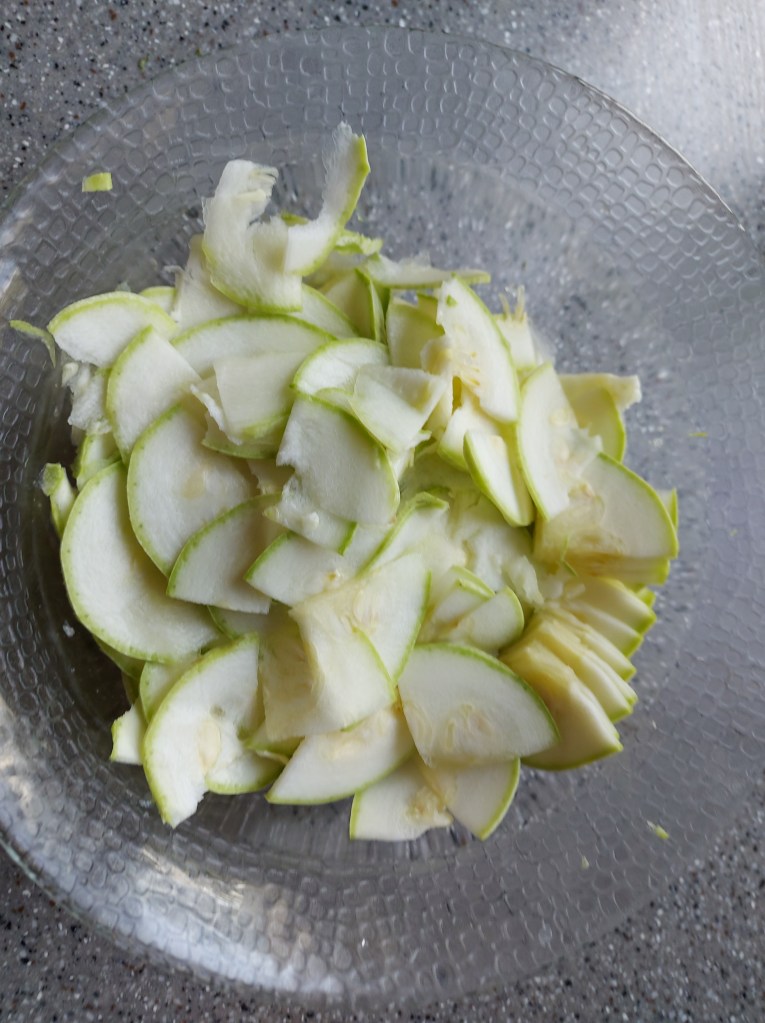
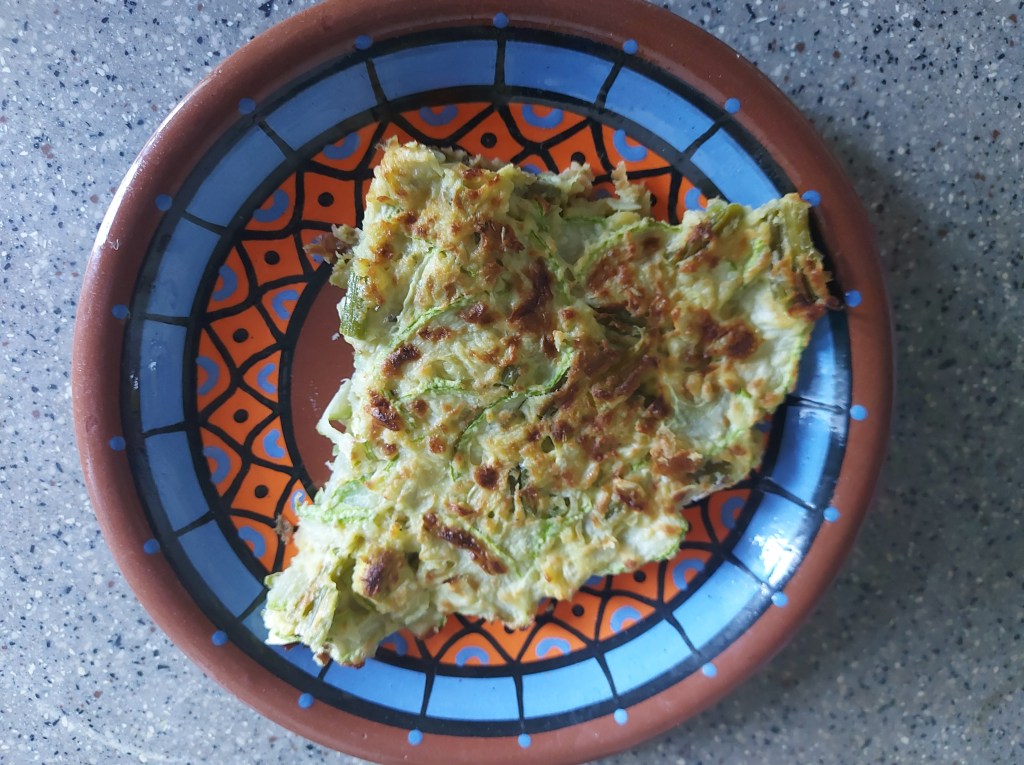
It’s that time of year again when you’ve got more courgettes than you know what to do with so here at KKC we’re looking at scarpaccia from Italy’s Tuscany region. Our take on this crispy tart uses chickpea flour, thinly sliced courgettes, garlic scapes, rosemary, parsley and the mystery ingredient, hemp seed oil.

Try a slice of KCC’s scrappy, hempy courgette hash!

A friend in Uzbekistan recently gave KCC a bottle of locally-produced, premium quality, first pressing hemp seed oil from a company called Leodar. Hemp seed oil adds an earthy, nutty flavour to dishes and salad dressings.

Hemp, the non-psychoactive cousin of marijuana, grows wild in many parts of Central Asia. It’s ideally suited to the arid conditions found here – a much better choice than thirsty cotton. Besides oil, this versatile plant can be used for textiles, paper and bio fuel amongst others.

The return of the scapes!

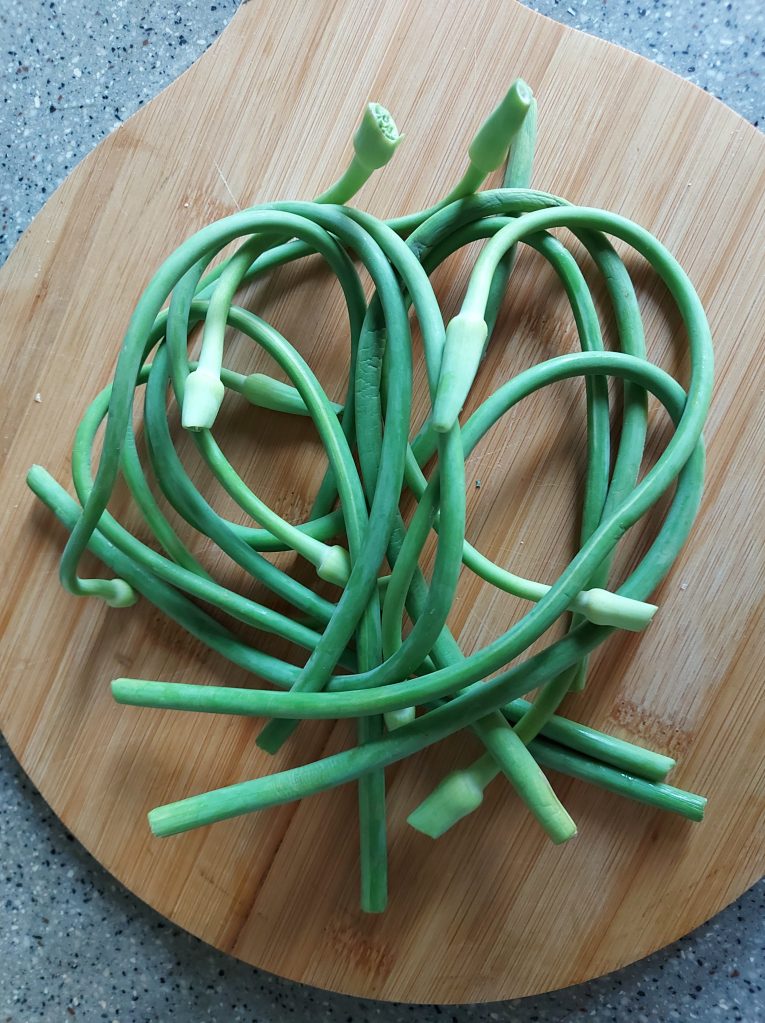
Regular readers may well remember garlic scapes, the edible stem that grows from the garlic bulb, from a previous recipe – a variation on the mücver theme. This flavoursome peduncle gives a mild garlicky kick to pies and tarts, soups and salads, pesto and stir fries.

Ingredients (serves 4)

  • 500 g courgette – thinly sliced with a potato peeler or similar
  • 50 g garlic scapes – cut into 1 – 2 cm slices
  • 2 teaspoons rosemary
  • 5 g fresh parsley
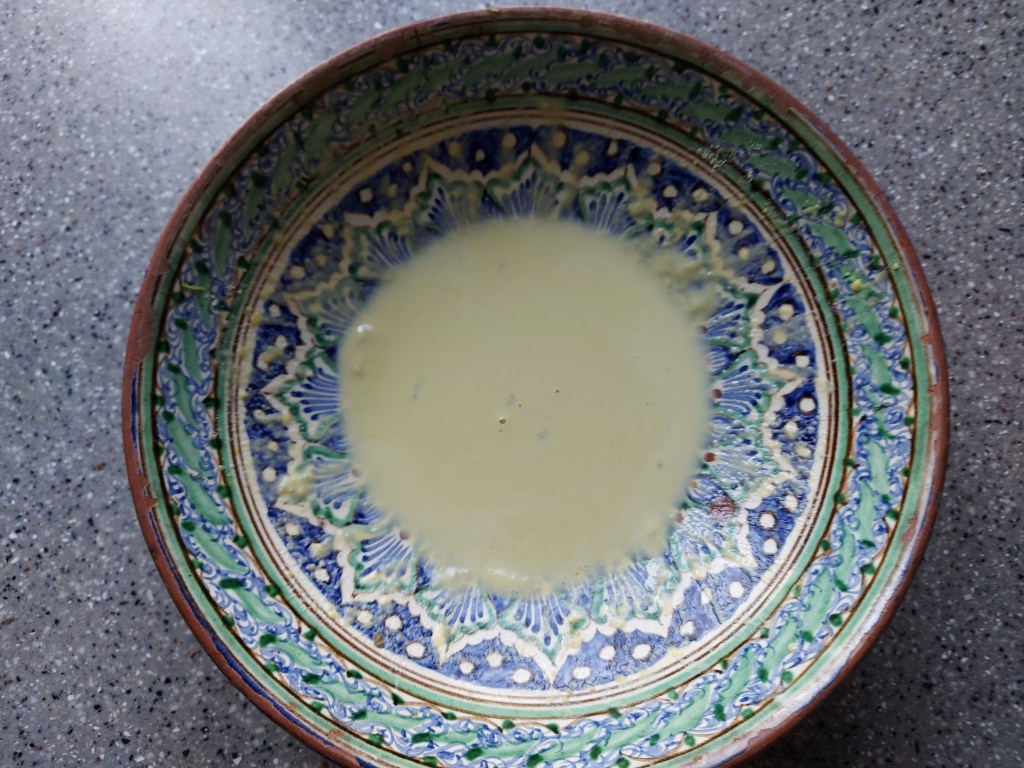
  • 50 g chickpea flour
  • 25 ml hemp seed oil (or any flavoursome oil you have to hand)
  • 75 ml water, including any liquid left over from straining the sliced courgettes

Method

Summertime Cocktail: Hibiscus Heat Haze

27 July 2023

As the July heat builds up here in Almaty, where daytime temperatures are heading for the high 30s, we’ve been looking around for some cold drinks to chill down a bit.

Hibiscus Heat Haze

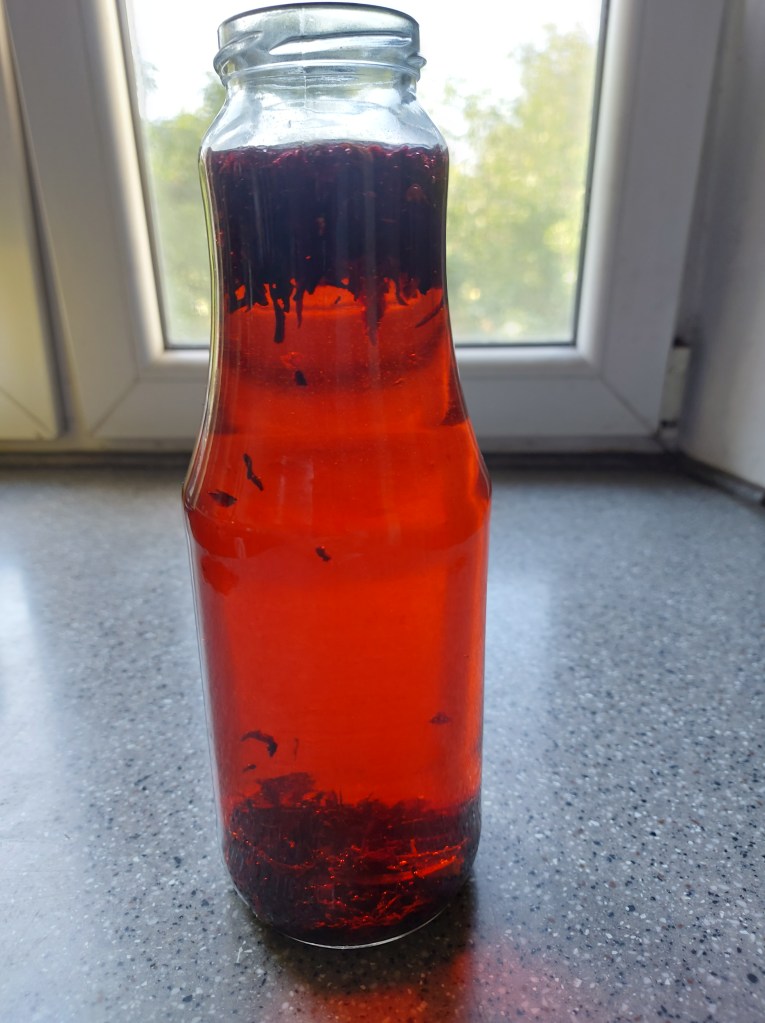
We’re not fans of overly sweet drinks here at KCC so this tart hibiscus and cinnamon cold brew really hits the spot. It’s a refreshing brew that will help you keep your cool in the heatwave.

Hibiscus and cinnamon cold brew

It’s easy to make – put 15g of hibiscus flowers and a cinnamon stick in a 1 litre glass jar. Add cold water to the top of the jar and leave overnight in the fridge. Strain off the leaves and cinnamon stick and serve with ice. Add more water or some sugar or honey if you find it tastes too tart.

For a summertime cocktail, fill a tall glass with ice, add 10 raspberries, 100ml dry vermouth, 100ml hibiscus cold brew and top up with sparkling water. Add a shot of white rum or brandy to give your Heat Haze an extra bit of oomph.

Rocket-Fuelled Cherry, Chickpea, Feta and Walnut Salad

9 June 2023

If you’re a purist who believes that fruits have no business being in salads, then this is not the place for you. At KCC we have no such qualms about mixing vegetables and fruits. In the past we’ve featured a salad with raspberries, one with grilled peaches and another with watermelon, to name a few. As long as something salty, like feta or halloumi cheese, is included to counterbalance the sweetness, then adding fruit to to your salad is fine in our book.

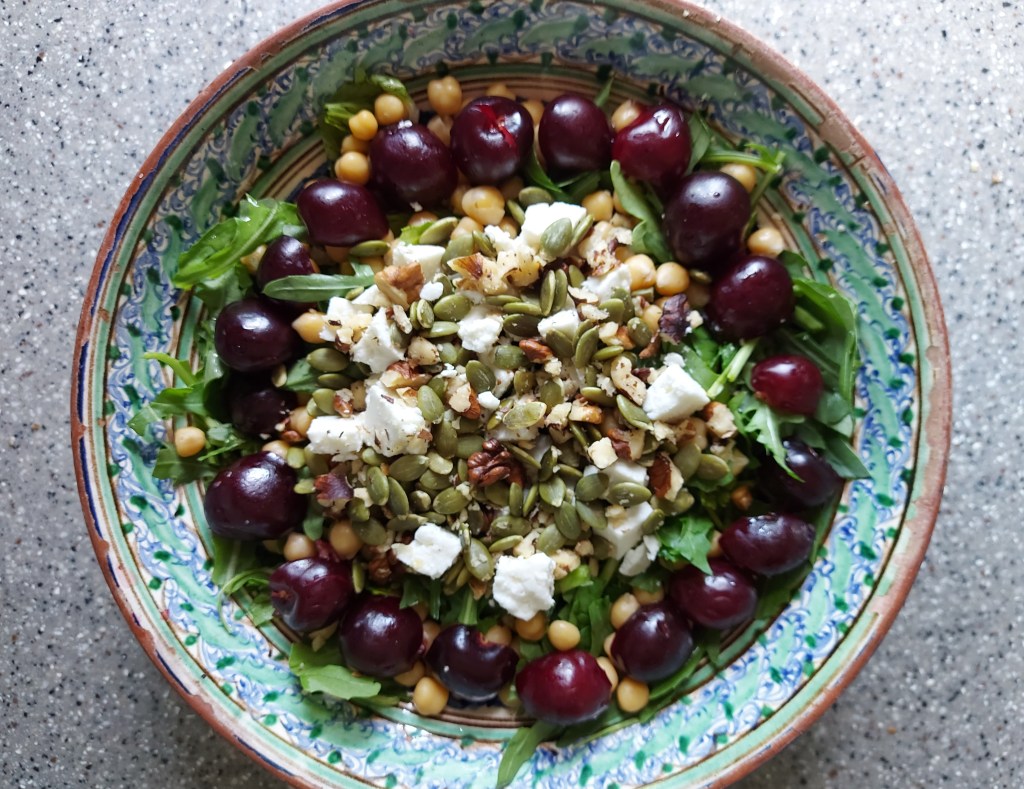
A rocket-fuelled cherry, chickpea, feta and walnut salad

Cherries are at their peak at this time of the year. Whatever variety you can get your hands on – sweet or sour, both work fine in this salad. Prepare a bed of rocket and celery, top with chickpeas, pumpkin seeds, walnuts and feta, arrange the cherries around the edge and dress with pomegranate sauce and olive oil to make a balanced meeting of sweet and sour in this early summer special.

Cherries growing in Almaty’s urban jungle

Ingredients (serves 4)

  • 200 g cooked chickpeas
  • 150 g rocket leaves
  • 100 g crumbled feta cheese
  • 50 g celery
  • 20 cherries, halved and de-stoned
  • 40 g walnuts, lightly toasted
  • 40 g pumpkin seeds
  • 25 ml olive oil
  • 25 ml pomegranate sauce

Baltic Bites: Grey Pea Potage

12 May 2023

KCC has been spending some time exploring the culinary scene in Latvia. In our travels, we came across grey peas, a pulse that is native to this part of the world and has been a basic staple since neolihic times. In 2015, it was included on the EU’s Protected Designations of Origin (PDO) list.

In Latvia, grey peas,also known as carlin or pigeon peas, are usually served at Christmas with bacon – our take, of course, omits the bacon and combines these indigenous peas with a selection of local vegetables and caraway seeds.

Dried Grey Peas are actually more brown in colour

Despite being called grey peas, when dried they turn brown and resemble chickpeas. Soaked overnight, they cook in about 30 minutes to produce a pea that is crunchy on the outside but soft in the middle.

The crunchy soft taste sensation was reminiscent of Thailand’s baby aubergines, leading to the idea that grey peas would work in a coconut milk gravy. Add some cabbage, carrot, celery and beetroot and some caraway seeds, a distinctive taste in central and eastern European cooking, for a tasty grey peas potage.

Ingredients (serves 4)

  • 250 g dried grey peas
  • 100 g shredded white cabbage
  • 100 g grated carrot
  • 100 g grated beetroot
  • 2 teaspoons caraway seeds
  • 200 ml coconut milk
  • 400 ml grey peas cooking liquid

Method

  • Soak the grey peas overnight in 500 ml cold water. Drain and add fresh water before cooking. Bring to the boil in a large pan and reduce heat and simmer for around 20 – 30 minutes until tender but not falling apart.
  • Drain the peas and retain 400 ml of the cooking liquid in the pan. Add the coconut milk and the shredded cabbage, sliced celery, grated carrot. beetroot and the caraway seeds. Bring to a boil and then simmer for ten minutes. Add the grey peas and simmer for ten more minutes, stirring occasionally.
  • Serve while hot with rye bread.

Roasted Red meets Baby Romaine

9 March 2023

A recent visit to Barcelona serves as the inspiration for this roasted red cabbage dish that KCC tried as part of the veggie restaurant Sésamo‘s 30 euro tasting menu. The great value menu includes seven tapas plates (that can be served as vegan or veggie), a dessert and a glass of local wine.

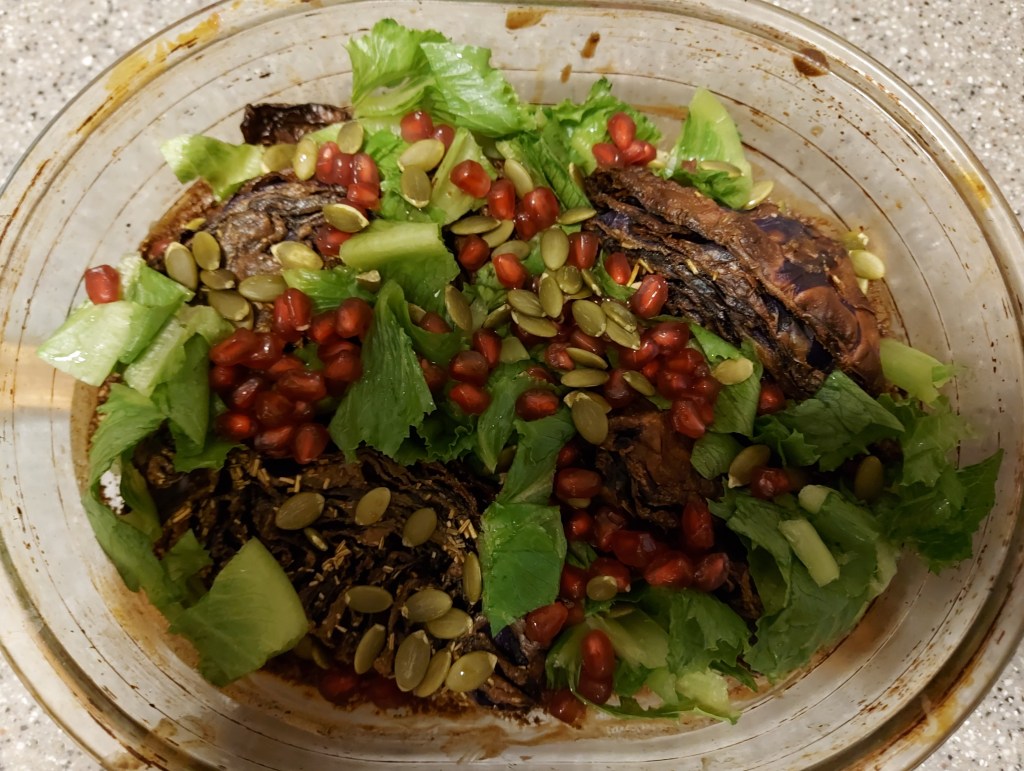
Sésamo’s baked cabbage was cooked with pesto, mint and dukkah – from the ingredients we had at hand we decided to cook ours with tahini, soy sauce and a sprinkling of sesame seeds. It can be served on its own as a main dish or as a salad – we added some shredded baby romaine lettuce and some pomegranate and pumpkin seeds to add some more colour to the dish.

If you’re in Barcelona, then we fully recommend you head for Sésamo which is located near Sant Antoni market. Unlike in most other tapas joints, you can be sure of a meat-free experience at this little gem of a restaurant. It’s closed on Tuesdays and Wednesdays but otherwise works from 19.00 to midnight. If you’re not planning on being in Catalonia, then follow the recipe below to recreate a taste of one of Sésamo’s signature dishes.

Ingredients (serves 4)

  • Half a red cabbage
  • 50 g baby romaine lettuce
  • 25 ml olive oil
  • 50 ml tahini
  • 10 ml soy sauce
  • One teaspoon sesame seeds
  • One tablespoon pumpkin seeds
  • One tablespoon pomegranate seeds

Method

  • Remove the tough outer leaves from the cabbage. Cut off the top half of the cabbage (not the stalk end) and then cut this into four slices. Mix the olive oil, tahini, rosemary and soy sauce together in a glass or ceramic baking dish with a fork. Coat the cabbage slices in the dressing. Bake for 30 minutes at 180 c.
  • Sprinkle with sesame seeds and serve hot immediately or let the cabbage cool down and then mix it with the baby romaine lettuce, add the pumpkin and pomegranate seeds and serve as a salad.


Meet the Hasselback Potato

21 December 2022

Winter Solstice is upon us once again so it’s time to kick off the holiday season. If you’re looking for something a bit different for your festive feast this year, then look no further than the Hasselback potato, an attractive dish that tastes like a jacket potato crossed with a roast potato.

This method of preparation involves cutting the potato into thin slices that fan out while baking. It can be used for other vegetables like beetroot, carrot and butternut squash, as well as a sweet version using fruits like apple and quince.

Hasselback potato with a pasty and salad

Hasselback potatoes originated in Sweden with the dish featuring in a 1929 recipe book “The Princesses’ Cookbook” by Jenny Åkerström. In 1953. Lief Elisson, a rookie chef at Stockholm’s Hasselbacken restaurant, revived this method for preparing the humble spud.

Preparing the Hasselback

To prepare the fruit or vegetables of your choice, place chopsticks or wooden spoon handles on either side and cut into thin slices until the blade hits the wood.

Ingredients

  • Four medium potatoes
  • 25 ml olive oil
  • One teaspoon rosemary or thyme (fresh if available or dried)
  • One teaspoon cumin seeds

Method

  • Put two chopsticks or the handles of two wooden spoons on either side of the potato. Cut into 1-2 mm slices, cutting until the blade hits the wood.
  • Put the potatoes in an ovenproof dish with the cut side facing up. Drizzle liberally with olive oil and sprinkle cumin seeds and thyme (or rosemary) over them.
  • Bake in a pre-heated oven at 180 c for one hour. Serve on their own or as part of a main course with a pasty or nut roast along with your choice of side vegetables or a salad.

Mooli Mattar Mücver

10 February 2023

This time round on KCC we’re taking a look at mooli, or daikon as some of you might know it. This large, white member of the radish family is common in Japanese, Korean and Chinese cuisine and is also widely used in the Indian sub-continent. It’s a versatile, vitamin-packed vegetable that can be eaten raw or cooked in a variety of dishes. It has a milder flavour than its smaller red cousins but adds an interesting, mildly spicy crunch to salads and stir fries.

Mooli mattar mücver served in a bap with salad

Mücver fritters are a perennial KCC favourite so we decided to make some with grated mooli, mattar (green peas), celery and some chickpea flour to glue it all together for our latest mücver variation. This version is great served in a burger bun or baguette with some fresh coleslaw, shredded salad greens and a dash of soy sauce.


Meet the mooli aka daikon or winter radish

The mooli can be quite wet when grated so give it a good squeeze to remove the excess liquid. The chickpea flour will help bind the fritters together and soak up any remaining moisture so that they hold their shape better when frying.

Ingredients (makes four 125 g fritters)

  • 200 g grated mooli
  • 200 g green peas (fresh, tinned or frozen)
  • 1 celery stick 
  • 50 g chickpea or pea flour
  • One teaspoon cumin seeds
  • One teaspoon turmeric
  • Two teaspoons paprika
  • Oil for frying

Method

  • Peel and grate the mooli into thin strips. Squeeze the moisture from the grated mooli. Chop the celery stalk and leaves finely and  put into a bowl with the grated mooli. Add the peas and the spices and mix well. Now add the chickpea flour and blend everything together. The mix should be sticky but not wet – if it’s too moist, then add a bit more flour until you get a sticky consistency. 
  • Heat the oil in a frying pan. Form the mix into four golf ball-sized pieces. Place in the pan and flatten with a fish slice. Turn the fritters over after frying for two to three minutes. Cook for another two to three minutes until both sides are a golden brown colour. Serve in a burger bun or in a baguette. Top with grated carrot and red cabbage and shredded lettuce or rocket, add a splash of soy sauce and enjoy!