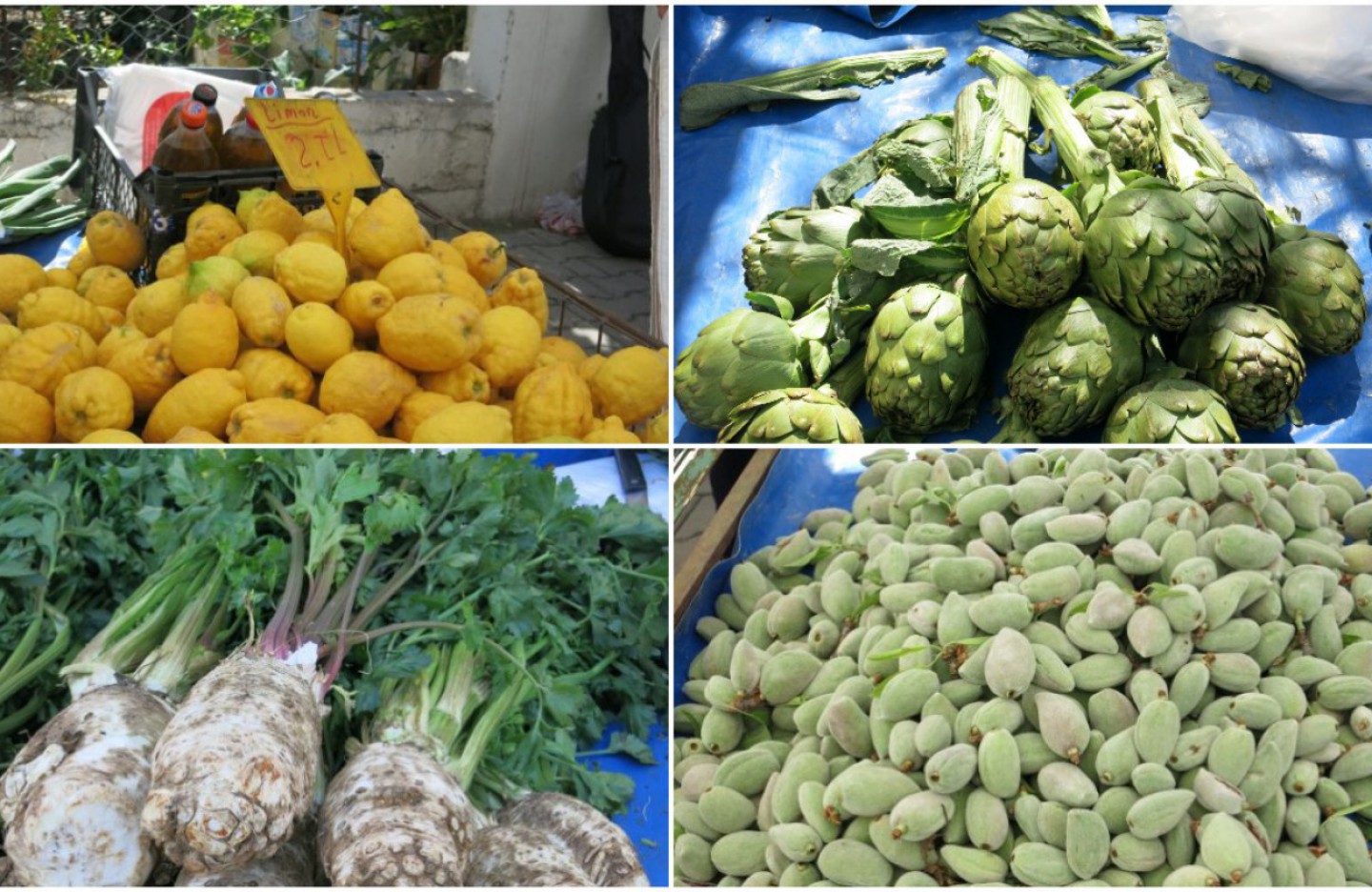
Almond Party Time in Datça

12 February 2025

Almonds are on the agenda in KCC’s spiritual home of the Datça Peninsula this weekend as the Turkish seaside town hosts its annual Almond Blossom Festival.

The festival, which celebrates the blossoming of the peninsula’s almond trees, takes place between 13-16 February. Alongside live entertainment, with local faves Rampapa performing on Thursday and Anatolian psych rock legends Moğollar headlining on Saturday, there are cookery competitions, sports events and a speedy almond cracking contest.

Datça’s tasty almonds, badem in Turkish, are rightly famous all over Turkey – I remember sitting on a terrace in Istanbul’s Beyoğlu district, back in the days when it still had tables on the street, when a guy came round selling ice-chilled Datça almonds.
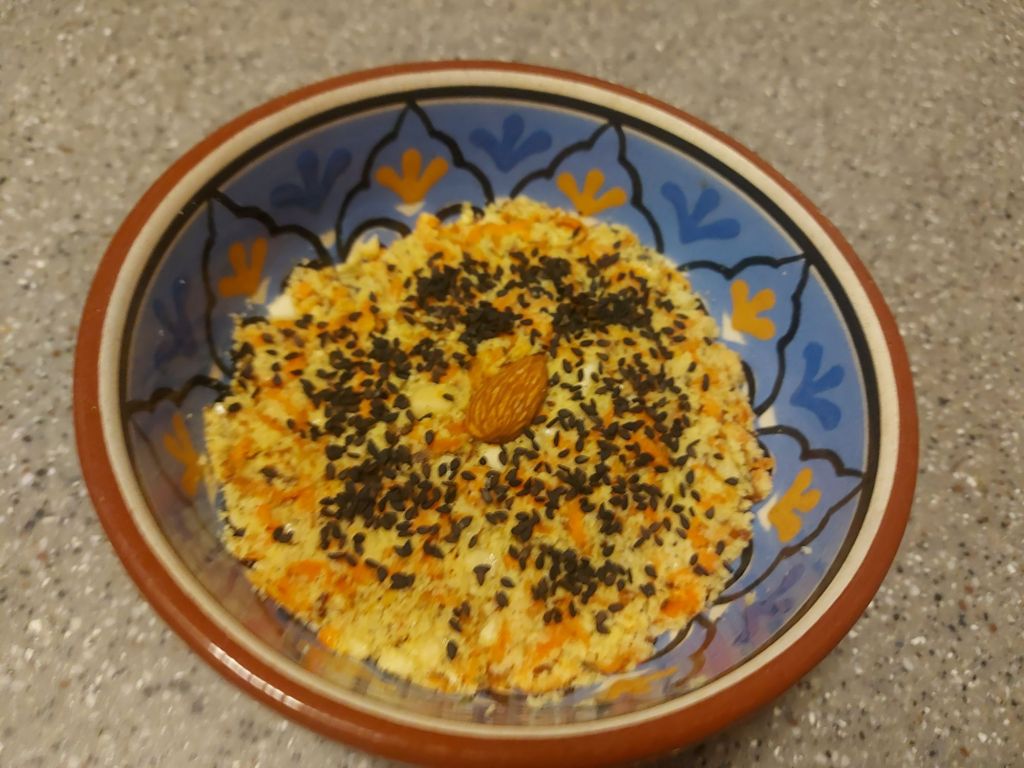
Bademli havuç tarator (carrot and almond tarator)

In Istanbul and along the Aegean coast tarator is a yogurt-infused meze made with carrots or courgettes and walnuts (recipe link here). Tarator started life in the eastern Mediterranean as a tahini-based dipping sauce for falafel. In Ottoman times it referred to a sauce made from walnuts, breadcrumbs and lemon juice (often served with kalimari), before it took on its yogurt iteration in the modern day. In Bulgaria, Tarator is the name of a yogurt-based, cold soup.

We adapted the recipe to make it vegan by replacing the yogurt with almond cream and gave it more of a Datça vibe by using almonds instead of walnuts and throwing in some local capers to give it an umami kick. The resulting dip had a thicker consistency than the yogurt version – it came out more like a savoury carrot halwa, but was still delicious.

Ingredients

  • 100 g blanched almonds
  • 50 ml cold water
  • Two teaspoons apple cider vinegar
  • 20 capers (with brine)
  • 150 g carrot
  • One or two garlic cloves (optional)
  • Pinches of herbs and spices of your choice (e.g. oregano, black pepper, salt, sumac, red chili flakes)
  • One teaspoon nigella (black cumin) seeds

Method

  • If your almonds have skins on, then pour hot water over the almonds and leave for a minute or two. Drain off the water and peel the nuts between your fingers. Set aside 20 g of the nuts. Cover the remaining almonds with cold water and leave to soak overnight.
  • Drain the almonds and put in a blender bowl. add the vinegar, capers and water and blitz to a smooth cream. Add more water if needed (10 ml at a time) to get the required creamy consistency.
  • Heat the oil in a heavy-based pan, grate the carrot and saute it in the oil for ten minutes over a medium heat. Add diced garlic (if using), the remaining almonds (crushed with a rolling pin or wooden spoon) and pinches of herbs and spices (as needed).
  • Allow the carrot mix to cool and then blend with the almond cream. Garnish with nigella seeds and some unblanched almonds. Serve as part of a meze set or as a dip.
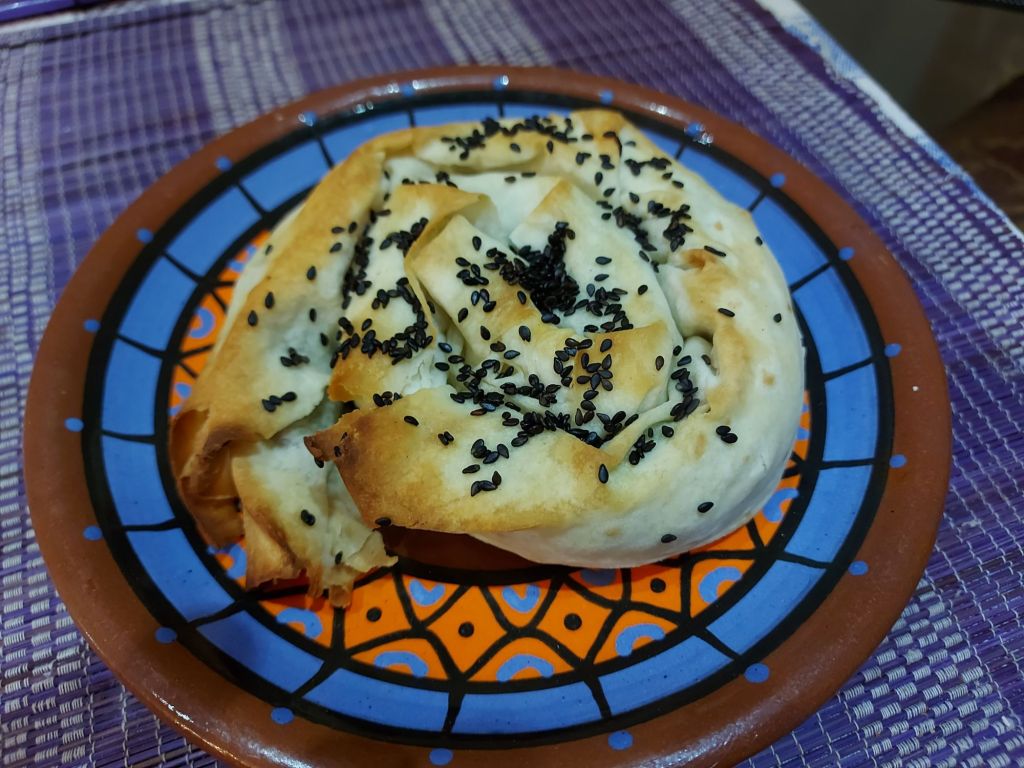
Flower Power Börek

18 June 2024

If you’ve ever been to Turkey, or eaten in a Turkish cafe, then you’ll probably be familiar with the börek, a tasty treat consisting of wafer-thin sheets of yufka (filo pastry) brushed with lashings of olive oil, stuffed with cheese or vegetables and sprinkled with black seeds.

Flower Power Börek

Börek is found in all corners of Turkey and comes in a variety of shapes – sigara, like a cigar, gül, like a rose, triangle-shaped or as a layered pie, tepsi böreği, among others.

As for the fillings, alongside the more familiar white cheese (beyaz peynirli), spinach (ıspanaklı) or potato (patatesli), it’s worth looking out for the lesser-spotted leek filled version, known as pırasalı börek in Turkish, and the elusive kabaklı, prepared with courgettes. (Veggie warning – there are meat-stuffed ones too).

Ingredients for the filling – makes 2

100 g radish leaves

100 g spinach

25 g parsley

25 g walnuts

25 g olives

25 g capers

50 ml olive oil

One teaspoon of dried rosemary, cumin seeds, sumac, nigella seeds

Four big sheets of filo pastry (approx 30cm x 50 cm)

Ingredients for yufka (Filo Pastry) – makes 4 sheets

300 g all-purpose flour

100 ml olive oil

20 ml vinegar (apple or white wine)

150 ml warm water

Method

To make the filo pastry, combine the sieved flour with the olive oil and vinegar. Slowly add the water a bit at a time and mix it all together with a wooden spoon until the dough forms into a smooth ball. Knead for 10 minutes on a lightly-floured surface to make the dough more stretchy. Separate into four tennis-ball sized pieces. Lightly coat with olive oil, cover with clingfilm and leave for an hour at room temperature.

Heat 25 ml of olive oil in a heavy-based pan over a medium heat. Add the cumin seeds and fry until starting to pop. Reduce the heat to low and add the chopped greens (radish leaves, spinach and parsley), rosemary and sumac. Stir fry until the leaves are wilting. Stir in the toasted, chopped walnuts, capers and minced black olives.

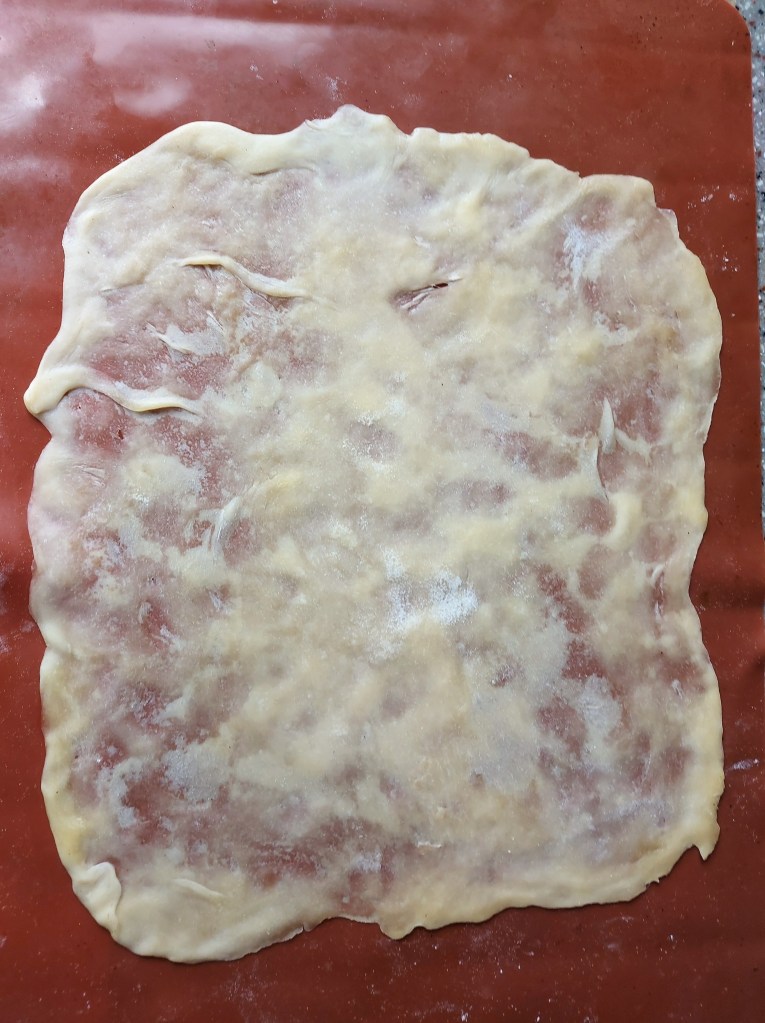
Roll out the filo sheets as thinly as you can using a rolling pin or the palm of your hand. They should be around 30 cm by 50 cm and become clear in places. Brush one sheet with olive oil and then place another on top.

Add half the filling along the shorter edge. Roll up the mixture into a long cylinder and then roll around in a spiral to make the rose shape. Brush liberally with olive oil, sprinkle nigella seeds over the börek, then bake for 20 minutes at 200 c until they turn a golden-brown colour. Serve hot or allow to cool – they taste great both ways.

Getting Back to our Roots

25 April 2024

Recently, Knidos Cookery Club was back in its spiritual home on the Datça peninsula in Turkey, getting back to its roots in the place where its culinary journey began eight years ago.

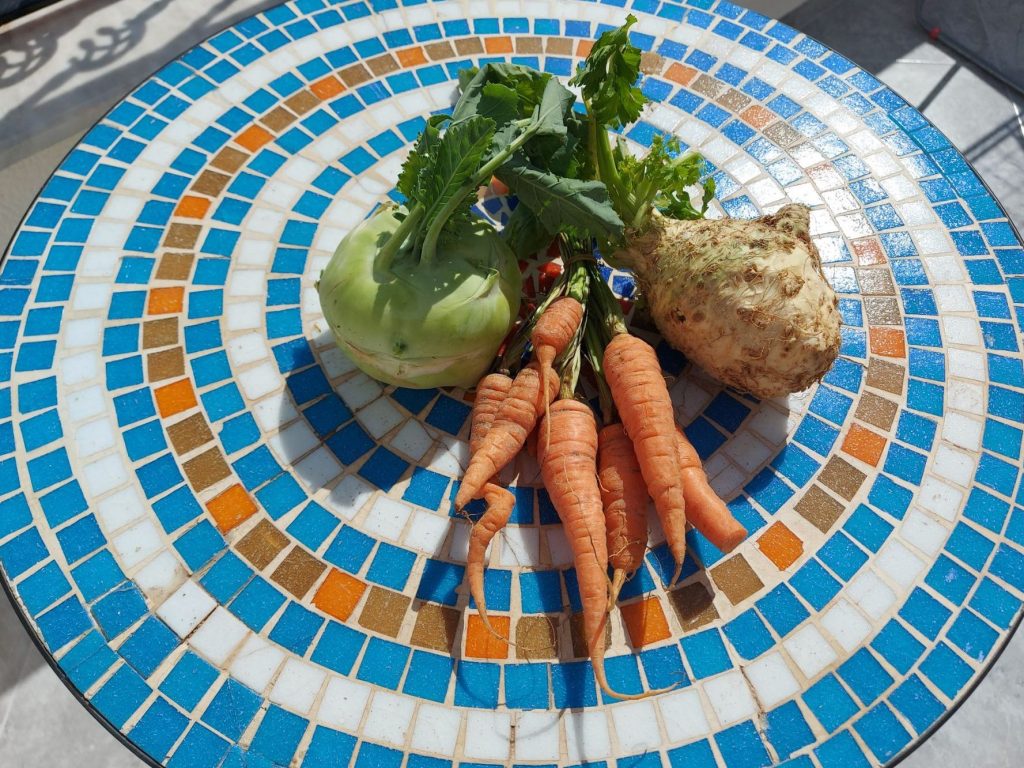
Getting back to our roots… carrots, celeriac and kohlrabi

This blog was named after the ancient Greek city of Knidos, the ruins of which are located on the tip of the peninsula. KCC started out exploring the veggie and vegan dishes eaten around this point where the Aegean Sea meets the Mediterranean Sea.

Since 2016, it has expanded its exploration to Central Asia and many other corners of the globe, seeking out new dishes to tickle your tastebuds!

Now, in addition to its WordPress blog, KCC is making its debut on Substack, where a regular newsletter will keep you up to speed with KCC’s latest culinary adventures, along with updated posts from the archive.

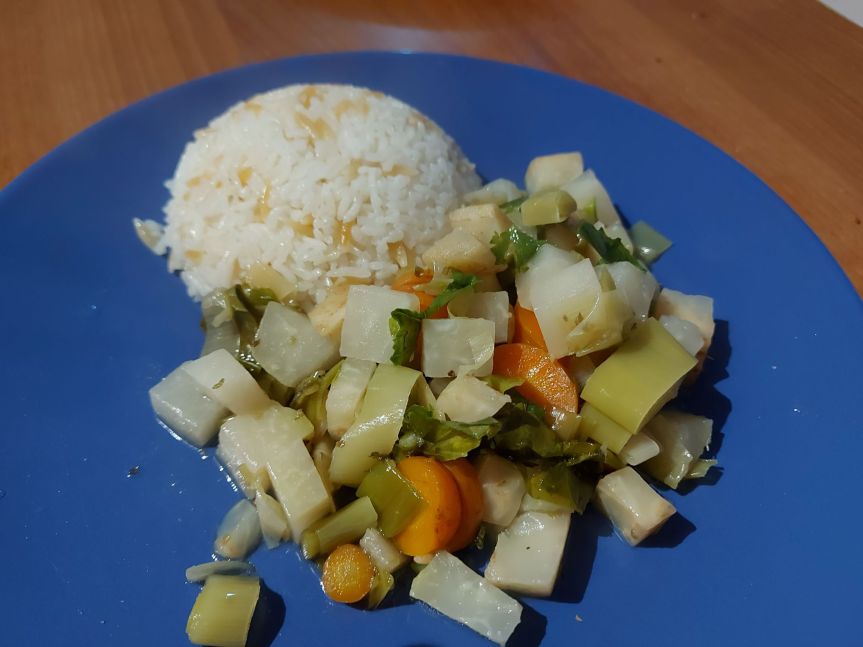
Zeytinyağlı carrot, celeriac, kohlrabi and leek with rice

After spending the winter in Kazakhstan, it was a treat to get back to Turkey with its wider choice of ingredients – it was time to move on from the winter staples, such as pumpkin and potatoes, and dig up some root vegetables that are less seen in Central Asia.

The local market turned up trumps with celeriac, kohlrabi and leeks on sale, perfect for making a zeytinyağlı (with olive oil) dish, so-called as these dishes are prepared with lashings of olive oil.

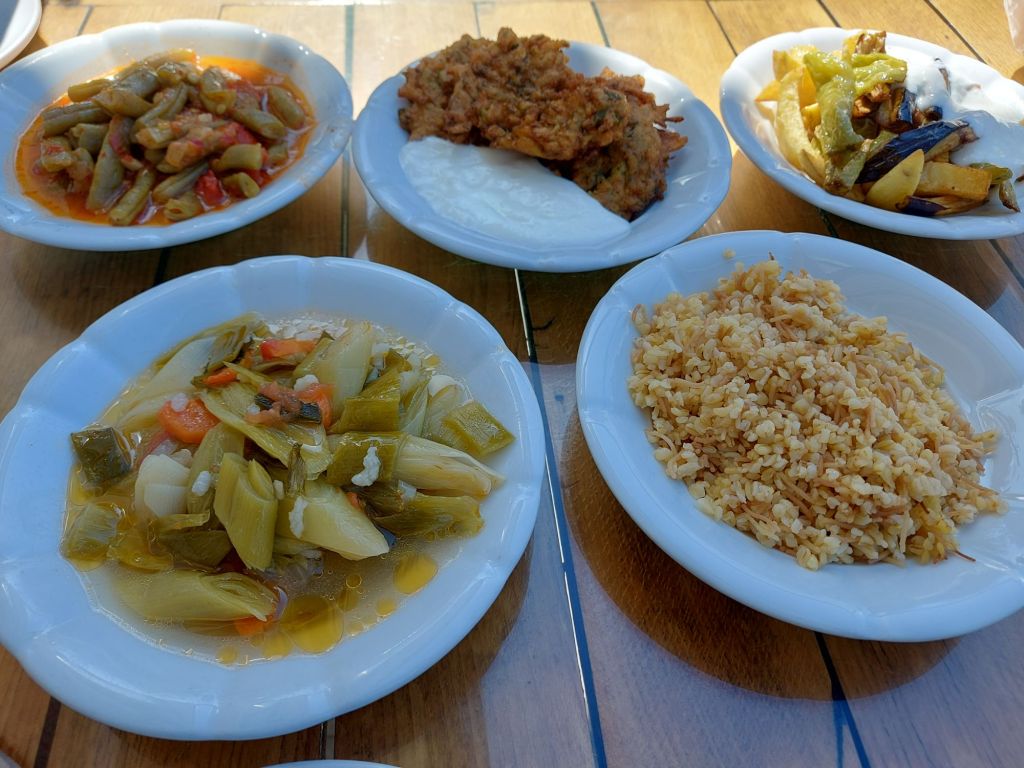
Standards include green beans (taze fasulye), artichoke (enginar) and leek (pırası). They are a staple of ev yemekleri (home-cooked food) restaurants, lokanta in Turkish, cheap and cheerful canteen-style eateries.

A selection of zeytinyağlı dishes – green beans, leeks and aubergines, green peppers and potatoes – from Datça’s Korsar/Erkin’nin yeri restaurant, located by the harbour

The last few years have seen the price of the key ingredient, olive oil, soar. This is due to numerous factors, including unexpectedly cold and wet conditions at the start of the growing season and drought and forest fires in the summer, that have led to poor harvests in the main olive-producing regions.

Global olive oil production has dropped by a third in just two years, which in turn has led to higher prices for consumers. However, we think it’s still worth shelling out that bit more for a bottle of extra virgin olive oil, as its fruity, peppery flavour adds so much to a cornucopia of delicious dishes, such as this carrot, celeriac, kohlrabi and leek zeytinyağlı  one:

Ingredients (makes 3-4 servings)

  • One medium-sized kohlrabi (approx 200 g)
  • One medium-sized celeriac (approx 200 g)
  • One bunch of baby carrots (approx 200 g)
  • One leek (approx 200 g)
  • One small lemon
  • 75 ml extra virgin olive oil
  • 100 ml vegetable stock
  • Two teaspoons dried oregano
  • One teaspoon sumac

Method

  • Wash the leek well and then cut it into 2 cm slices. Top and tail the carrots, kohlrabi and celeriac, put the leaves and stems to one side, and then peel off the hard outer skin of the kohlrabi and celeriac and chop both into 1 cm cubes. Slice the washed carrots into 2 mm rounds. Roughly chop the leaves and stems from the carrots, kohlrabi and celeriac.
  • Heat 50 ml of olive oil in a heavy-based pan over a low heat and then add the leeks. Stir fry for five minutes and then add the carrots, kohlrabi and celeriac and cook for another five minutes, stirring occasionally. Add the chopped leaves and stems and cook for another five minutes, continuing to stir every now and then.
  • Add the vegetable stock, the juice of the lemon and oregano and cook over a low heat for 15 minutes until all the vegetables are soft but still holding their shape. Stir in 25 ml of olive oil, garnish with sumac and serve with rice and some crusty bread to mop up the juices.

Mooli Mattar Mücver

10 February 2023

This time round on KCC we’re taking a look at mooli, or daikon as some of you might know it. This large, white member of the radish family is common in Japanese, Korean and Chinese cuisine and is also widely used in the Indian sub-continent. It’s a versatile, vitamin-packed vegetable that can be eaten raw or cooked in a variety of dishes. It has a milder flavour than its smaller red cousins but adds an interesting, mildly spicy crunch to salads and stir fries.

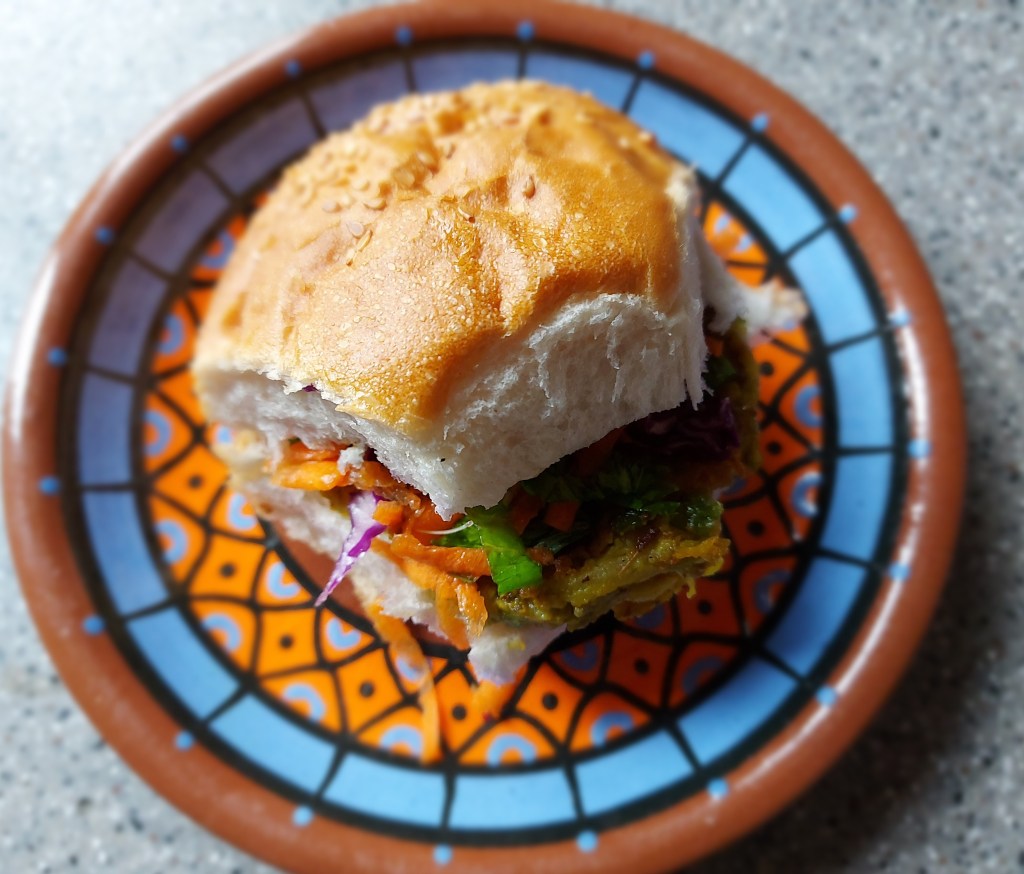
Mooli mattar mücver served in a bap with salad

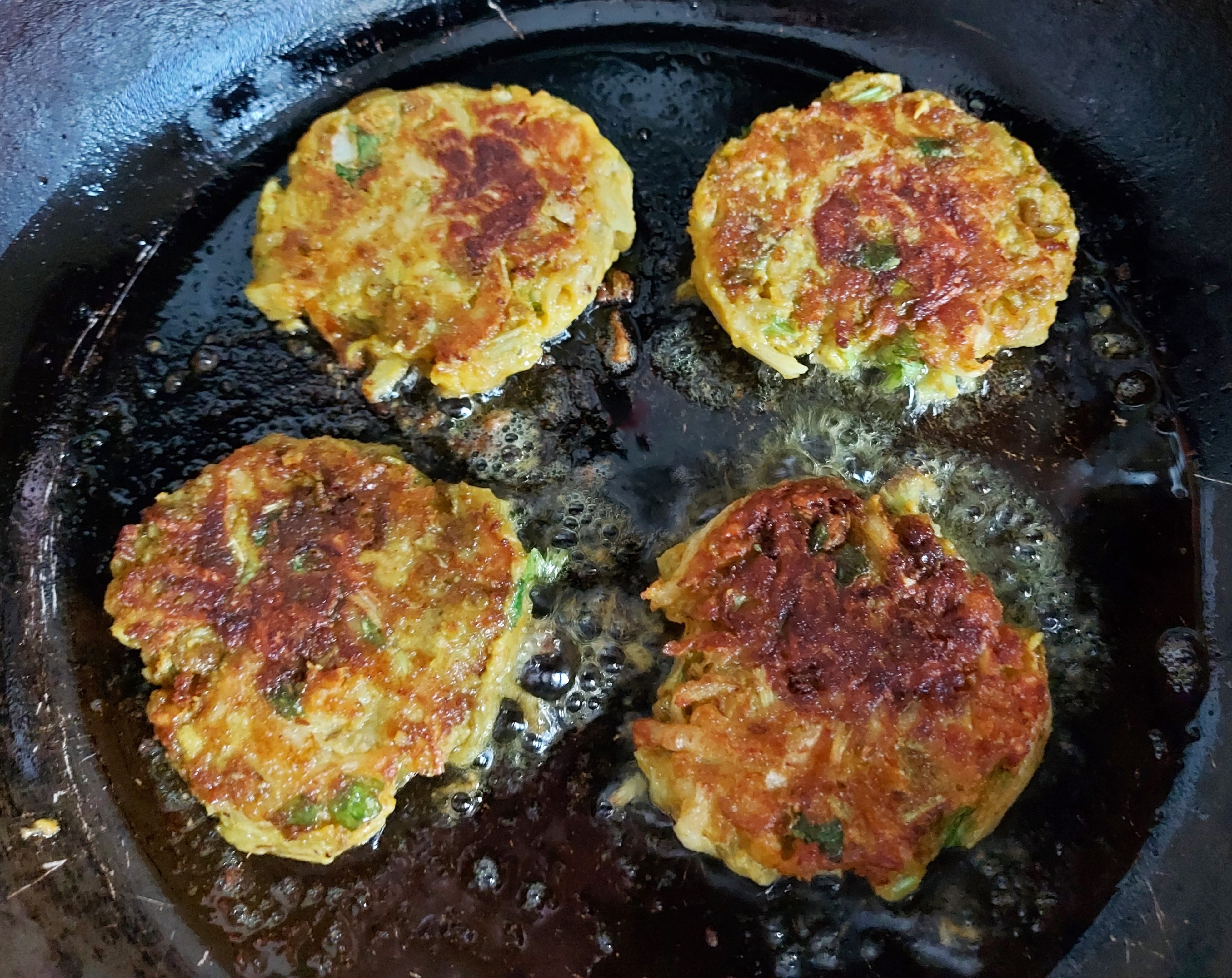
Mücver fritters are a perennial KCC favourite so we decided to make some with grated mooli, mattar (green peas), celery and some chickpea flour to glue it all together for our latest mücver variation. This version is great served in a burger bun or baguette with some fresh coleslaw, shredded salad greens and a dash of soy sauce.


Meet the mooli aka daikon or winter radish

The mooli can be quite wet when grated so give it a good squeeze to remove the excess liquid. The chickpea flour will help bind the fritters together and soak up any remaining moisture so that they hold their shape better when frying.

Ingredients (makes four 125 g fritters)

  • 200 g grated mooli
  • 200 g green peas (fresh, tinned or frozen)
  • 1 celery stick 
  • 50 g chickpea or pea flour
  • One teaspoon cumin seeds
  • One teaspoon turmeric
  • Two teaspoons paprika
  • Oil for frying

Method

  • Peel and grate the mooli into thin strips. Squeeze the moisture from the grated mooli. Chop the celery stalk and leaves finely and  put into a bowl with the grated mooli. Add the peas and the spices and mix well. Now add the chickpea flour and blend everything together. The mix should be sticky but not wet – if it’s too moist, then add a bit more flour until you get a sticky consistency. 
  • Heat the oil in a frying pan. Form the mix into four golf ball-sized pieces. Place in the pan and flatten with a fish slice. Turn the fritters over after frying for two to three minutes. Cook for another two to three minutes until both sides are a golden brown colour. Serve in a burger bun or in a baguette. Top with grated carrot and red cabbage and shredded lettuce or rocket, add a splash of soy sauce and enjoy!

Green Bean Amandine

22 September 2022

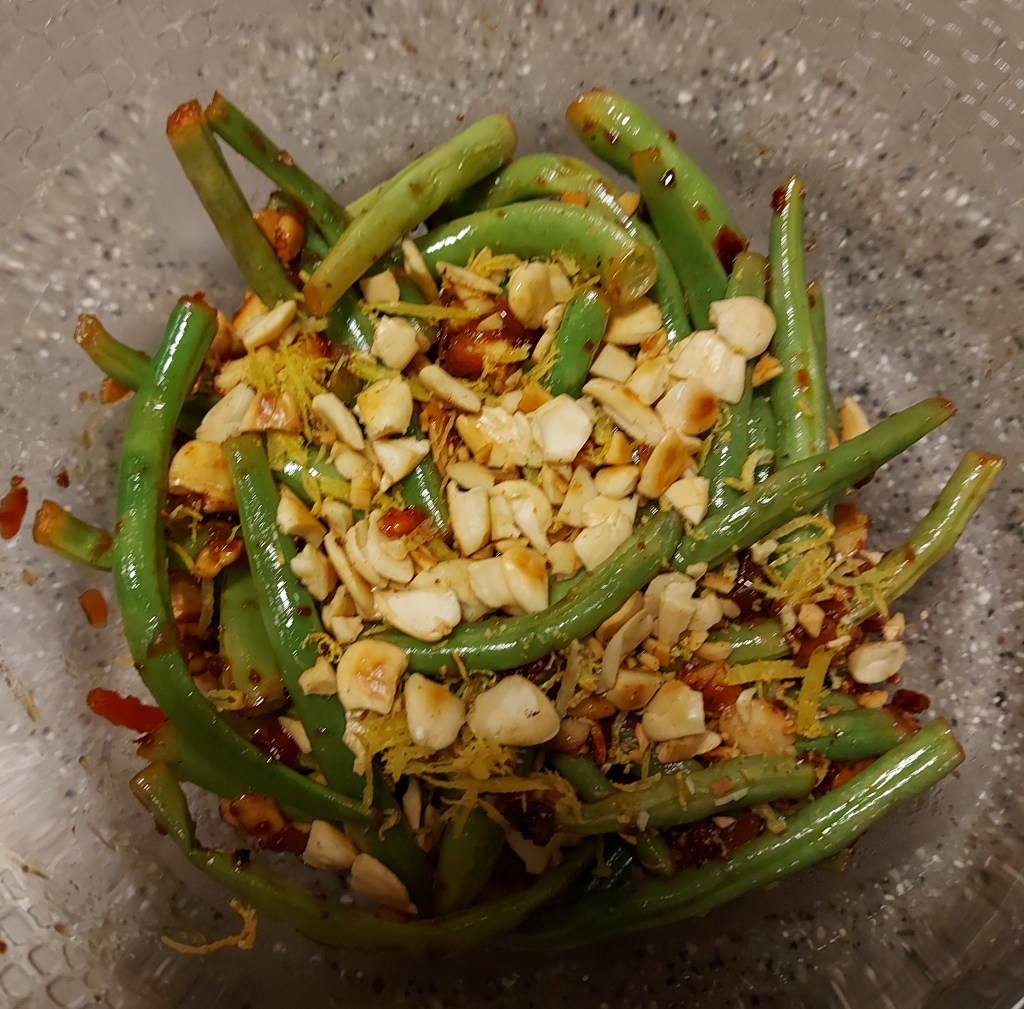
This time round on KCC, we’ve brought a recipe back from our heartland of the Datça peninsula that uses fresh almonds, lemons and olive oil to make an amandine dressing for green beans based on France’s classic almond sauce.

We had some great meze dishes on our travels around the peninsula including one made with fresh black-eyed beans – börülce in Turkish – and almonds at Ada Pansiyon on Ovabükü beach. Having failed to track down fresh black-eyed beans back in Almaty, we opted for green beans as they were available.

This dish can be served along other meze dishes – check out some of our other meze ideas here, or with bulgur, rice or pasta as more of a main course. The amandine dressing also works well with other vegetables such as broccoli and cauliflower.

Ingredients 

  • 500 g green beans
  • 100 g red onion
  • 100 g almonds
  • 50 ml olive oil
  • One lemon
  • One teaspoon chilli flakes

Method

  • Peel the almonds – put them in hot water for 30 seconds and then into cold water, the skins should now be easy to remove. Break the almonds into small chunks and toast in a frying pan over a low heat until they go a golden brown colour. Remove from the pan and set aside.
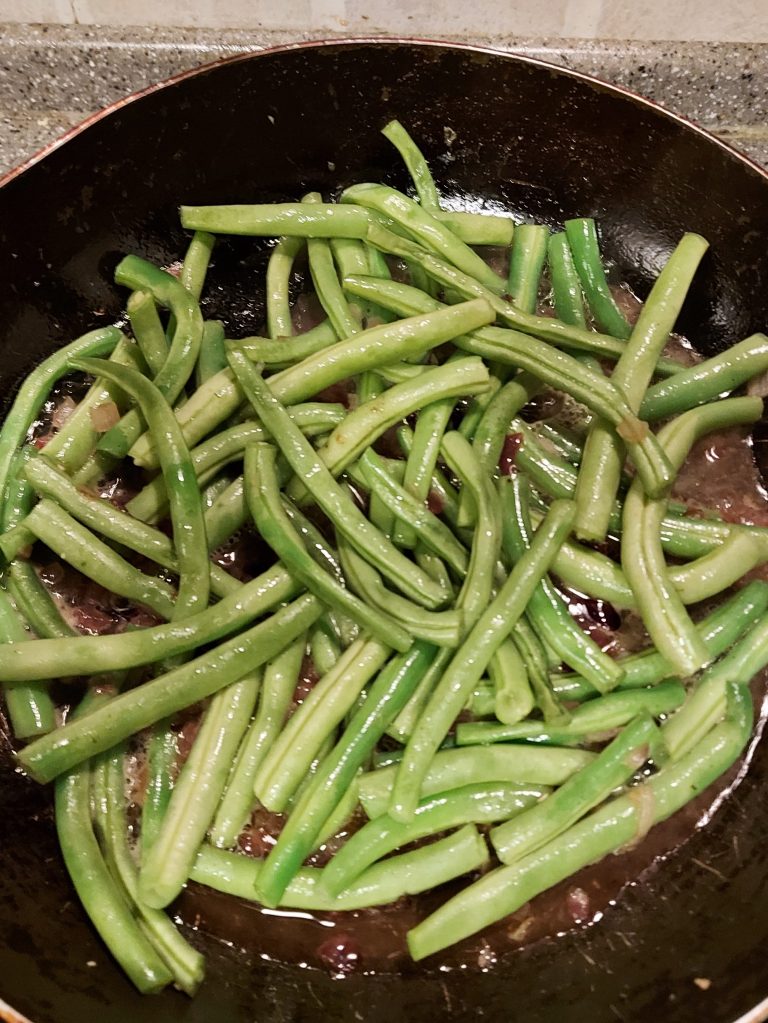
  • Top and tail the green beans and slice into 5 cm lengths. Heat the oil in the frying pan and then fry the chopped onion for five minutes and then add the beans and stir fry over a medium heat for five minutes or so – they should retain a little bit of crunch. While the beans are cooking, zest the lemon and then squeeze the juice.
  • Combine all the ingredients in a large bowl, including the lemon juice and chilli flakes and serve straight away or allow to cool if you prefer.

Börek with a Celtic Twist

25 February 2021

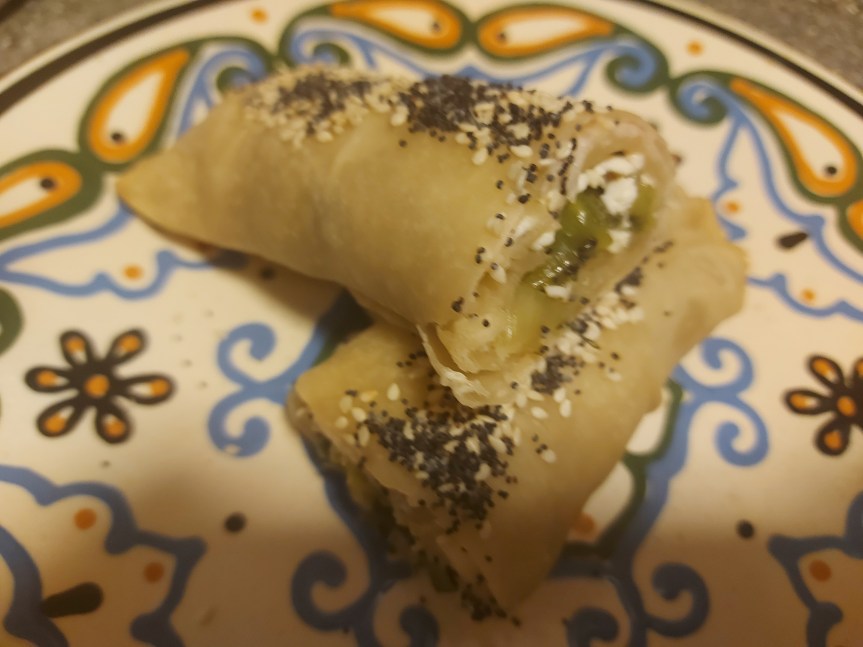
With the feast of St David, the patron saint of Wales, coming up on 1 March, we’re cooking with leeks. We’ll be combining this creamy-tasting cousin of the onion, which is one of the symbols of this country with a dragon on its flag, with crumbly white cheese in layers of filo pastry to give a Celtic twist to Turkey’s popular anytime snack – the börek.

Börek consists of thin sheets of pastry stuffed with cheese or vegetables. It is found in all corners of Turkey and alongside the more familiar fillings of white cheese, spinach or potato, it’s worth looking out for the lesser-spotted leek filled version, known as pırasalı börek in Turkish.

The leek is thought to have been adopted as a symbol by the Welsh in the 7th century when soldiers, fighting off an invasion by Saxons from the east, were advised to wear leeks in their helmets in order to distinguish the home fighters from the enemy. The battle was won and the leek is still worn by people in Wales to this day. Expect to see many being sported this Saturday in the run up to St David’s Day as Wales seek to repel more invaders from the east in the form of England’s rugby team.

To celebrate the occasion we’ve filled our börek with a riff on the Glamorgan sausage, a vegetarian, breadcrumb-covered speciality of south Wales made from leek and Caerphilly cheese. We also knocked up our own sheets of filo as Ramstore, the purveyor of all things Turkish in Kazakhstan, has shut its doors, a victim of the pandemic. This means that yufka, as the Turks call filo, is no longer easy to find in Almaty.

Ingredients (makes 4 böreks)

Filo Pastry

  • 300 g all-purpose flour
  • 100 ml olive oil
  • 20 ml white wine vinegar 
  • 150 ml warm water

Leek Filling

  • One leek (approx. 250 g)
  • 150 g crumbly white cheese
  • One teaspoon caraway seeds
  • One teaspoon of nigella, sesame or poppy seeds
  • 50 ml olive oil

Method

  • Make the filo pastry first. Combine the sieved flour with olive oil and white wine vinegar. Slowly add the water a bit at a time and mix it all together with a wooden spoon until the dough forms into a smooth ball. Knead for 10 minutes on a lightly-floured surface to make the dough more stretchy. Separate into eight golf-ball sized pieces. Lightly coat with olive oil and leave for an hour covered in clingfilm at room temperature.
  • For the leek filling, heat the olive oil in a heavy-based pan and add the caraway seeds. Clean the leek thoroughly and roughly chop it into 0.5 cm rounds. Use all the leek, including the green bits, discarding the rough tops of the leaves. Add to the pan and cook over a low heat for 15 minutes stirring occasionally. When the leek has softened, turn off the heat and grate in the white cheese and combine well.
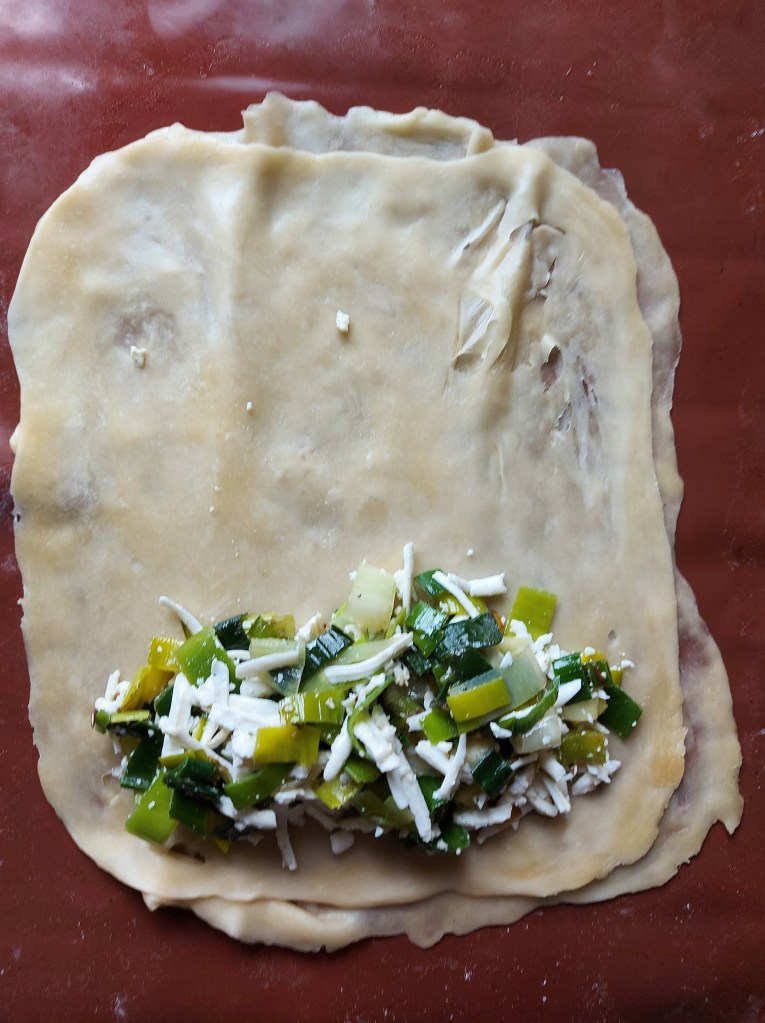
  • Roll out the filo sheets as thinly as you can using a rolling pin or the palm of your hand. It should be around 15 cm by 20 cm and become clear in places. Brush one sheet with olive oil and then place another on top. Add a quarter of the leek the filling along the shorter edge. Roll up the mixture into a cigar shape and tuck in the edges. Brush with olive oil, sprinkle nigella, sesame or poppy seeds (or all three) over the börek and cook for 20 minutes at 200 c, until they turn a golden-brown colour. Serve on its own or with a green salad or roasted root vegetables.  

The Path to Perfect Pizza

26 November 2020

With much of 2020 spent at home there has been plenty of time this year to hone our baking skills here at KCC. Over the past few months we have been experimenting with the base for an old favourite, pide (Turkey’s take on the baked dough and cheese combo), with an eye to creating a perfect pizza base that is soft and springy but with a crispy crust and we’re well pleased with our latest efforts.

After testing bases made from plain wheat flour, wholemeal flour or rye flour but found that these resulted in a denser base so we tried a more finely-milled flour, similar to Italy’s 00 standard, and found that this gave the best results with a fluffy but crispy base.

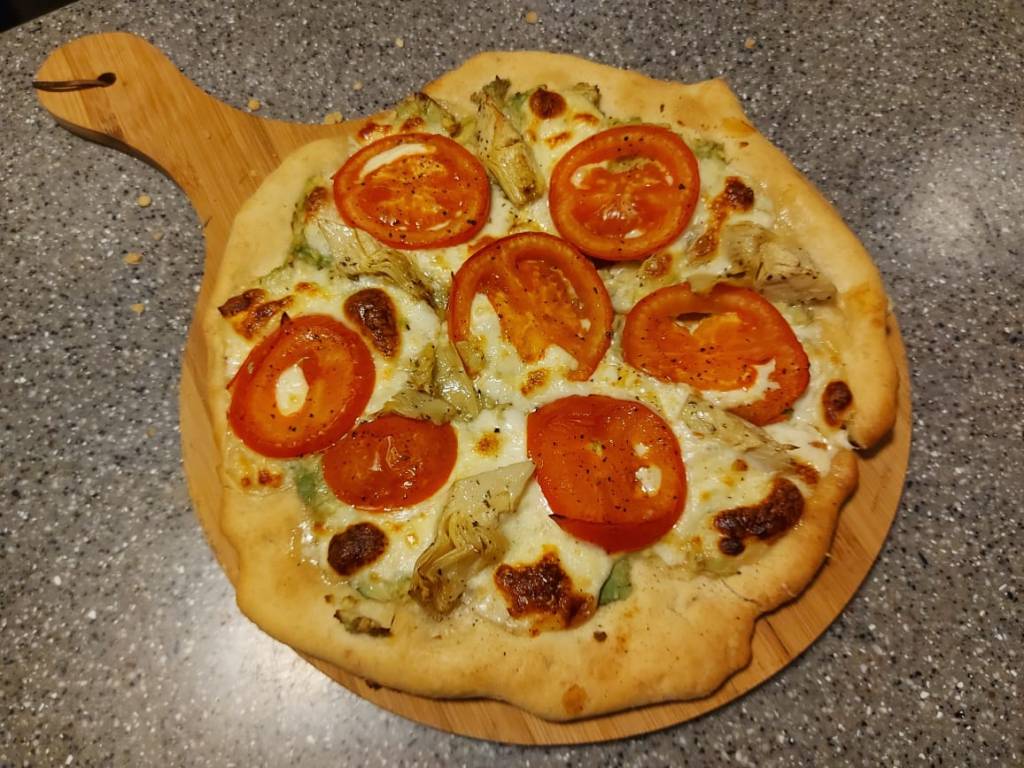
With tomato supplies running low (and being too lazy to brave the icy conditions outside), we improvised with crushed avocado in place of tomato sauce and hit upon a winning combination. Add some melty mozzarella, chunks of artichoke and slices of tomato to complete the taste sensation!

Ingredients (makes an eight-slice, 30 cm pizza)

  • 150 g pizza flour (00 grade) 
  • 30 ml olive oil
  • Dried yeast (use according to pack instructions)
  • 75 ml water

Toppings

  • One avocado
  • One medium tomato
  • Artichoke hearts
  • 150 g mozzarella 
  • One teaspoon dried mixed herbs (of your choice)

Method

  • Sieve the flour into a large mixing bowl and add the olive oil and mix with a wooden spoon. Add the dried yeast (according to the instructions on the pack) and then slowly add the water, mixing all the while.
  • Use your hands to form the dough into a ball and knead gently for ten minutes or so. Leave to rise in a warm place in an oiled bowl with a damp tea towel over the top for an hour or so.  After 30 minutes, turn the oven on and heat to 200 c. 
  • Roll the dough into a 30 cm round on a lightly-floured surface and then spread crushed avocado over the base. Arrange strips of mozzarella on top of the avocado. Put tomato slices on top of this and then add chunks of artichoke. Sprinkle with mixed herbs if using.
  • Bake the pizza on the top shelf of the oven for 10 – 15 minutes or until the cheese starts to bubble and brown and the edges of the crust turn a golden brown colour.

Hash Greens: More Mücver Variations

17 September 2020

This time round on KCC we’re returning to mücver, Turkey’s versatile courgette fritter, with our take on that brunch staple Hash Browns. This mücver variation adds potato and garlic scapes to the mix to give us a fritter we’ve dubbed Hash Greens.

These fritters are super-easy to prepare and cook and are great as part of a breakfast or brunch. They can also be served in a roll to make it closer to a veggie burger.

We came across garlic scapes, the edible stem that grows from the bulb, on a recent visit to the local greengrocer while looking for green beans. This flavoursome peduncle gives a milder garlicky kick to soups, pestos and stir fries. It’s not an overpowering flavour as it adds a subtler, roasted garlic undernote to these dishes.

Ingredients (Makes 6-8 fritters)

  • One medium courgette (zucchini) (approx 200 g)
  • One medium potato (approx 200 g)
  • One small onion (approx 100 g)
  • 50 g garlic scapes
  • 100 g chickpea flour
  • 25 g mixed fresh herbs
  • One teaspoon cumin seeds
  • One teaspoon chilli flakes
  • One teaspoon turmeric
  • One teaspoon black pepper
  • 50 ml olive oil

Method

  • Grate the potato and courgette and mix together in a large bowl. Finely chop the garlic scapes and add to the bowl. Stir in the chickpea flour and add the herbs (use and fresh herbs you have e.g. parsley, coriander, mint) and spices and mix well so you have a smooth that’s neither too dry and crumbly nor too wet and sloppy.
  • Heat the oil in a frying pan. Form the mix into golf-ball sized patties and then put in the pan and flatten with a fish slice or spatula. Fry until golden-brown on both sides. Serve as part of a breakfast or brunch or in a bun as a burger with toppings of your choice.

Falafel to the Fore

18 June 2020

This time round on Knidos Cookery Club we’ll be taking an armchair culinary tour to the Middle East and looking at the origins of the humble falafel. Arguments abound as to where this street snack par excellence originated, but most likely it was Egypt according to the evidence.

SAMSUNG CSC
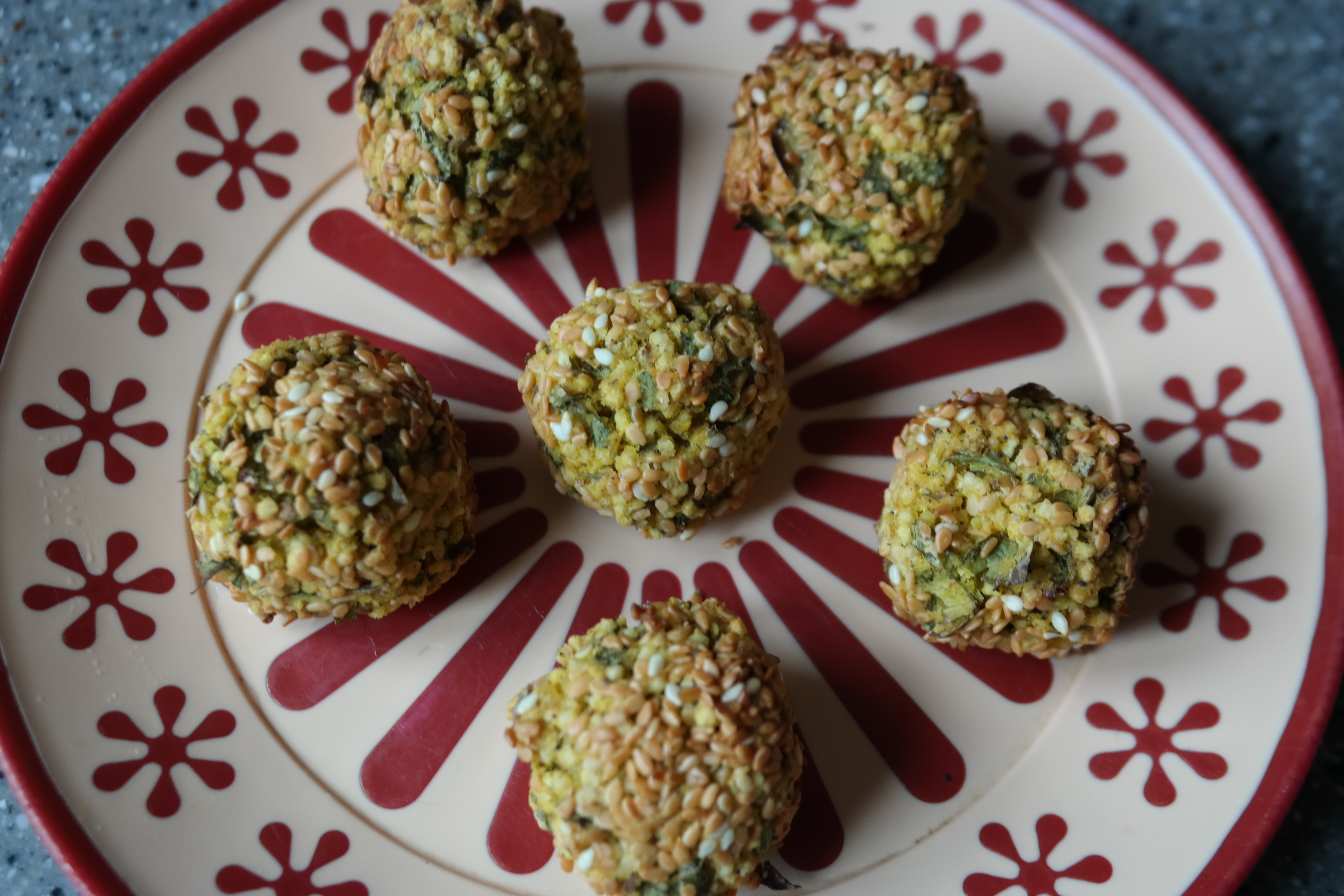
Millet falafel, anyone?

The Egyptian version of this tasty bite is usually made with fava beans, known as fūl in Arabic, which is thought to be the base for the name falafel , whilst in other parts of the Mediterranean region chickpeas are preferred.

SAMSUNG CSC
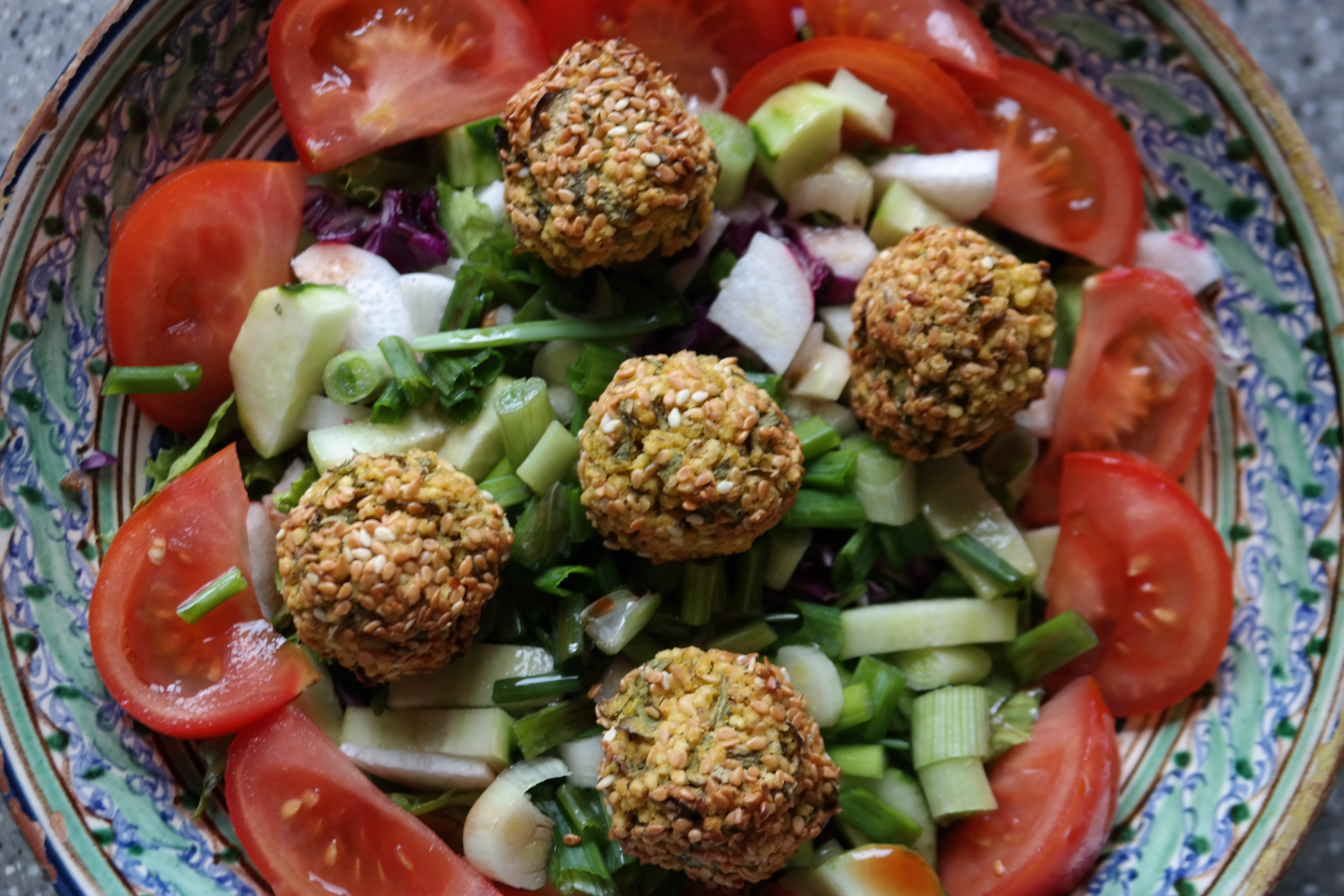
Falafel salad

With both chickpeas and fava beans in short supply in Almaty at the moment, it was back to the drawing board to look for an alternative base for our falafel. While stocking up during lockdown in our local shop we came across a pack of millet and a spot of googling revealed that this would work just fine as the base for our take on the falafel.

SAMSUNG CSC
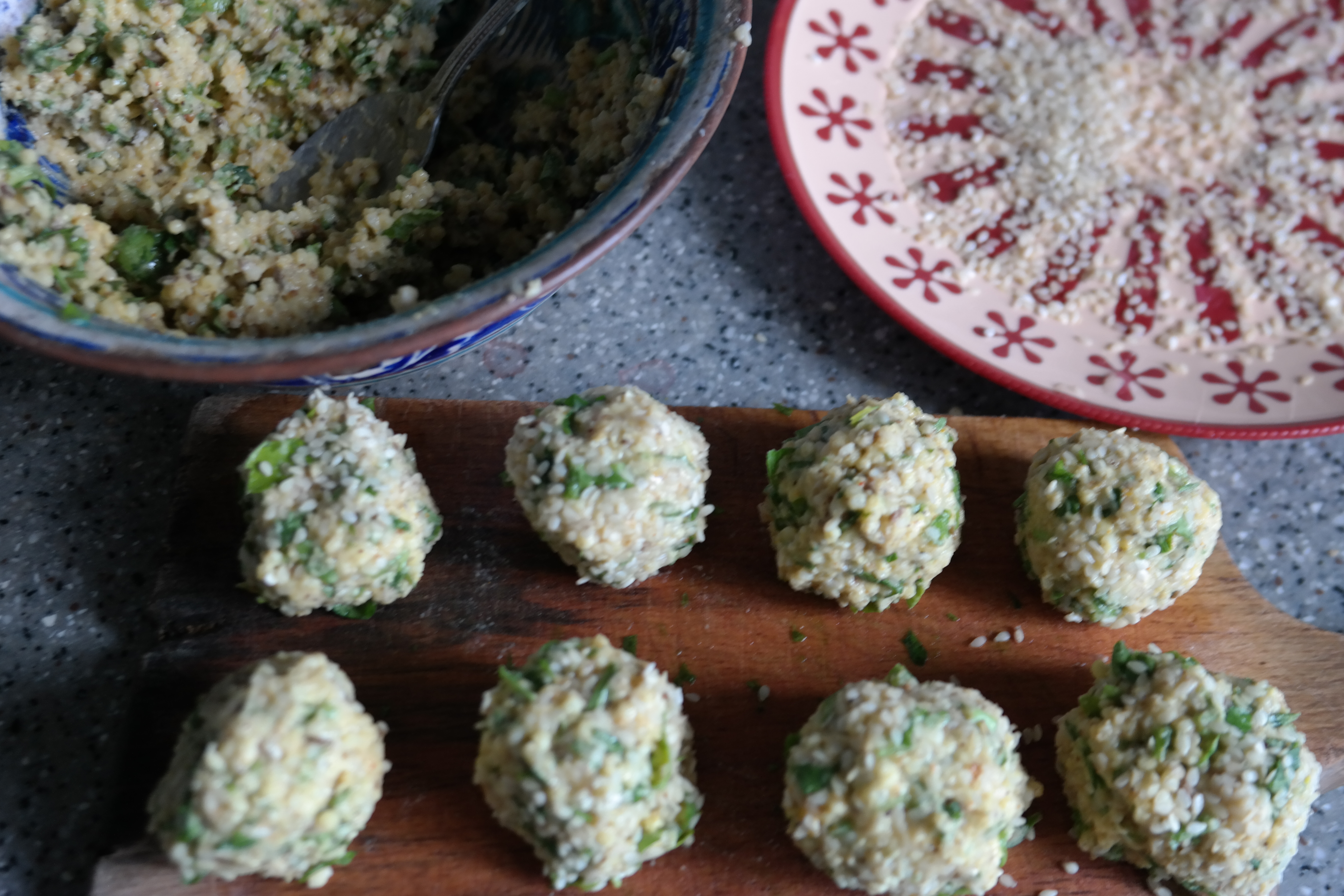
Forming the falafel

We baked them in the oven rather than deep-fried them as it’s a lot less hassle. Be sure to use plenty of parsley, cumin, coriander and chilli powder to spice up the millet. The resulting falafel were crisp on the outside but soft and fluffy in the centre, just as they should be.

SAMSUNG CSC
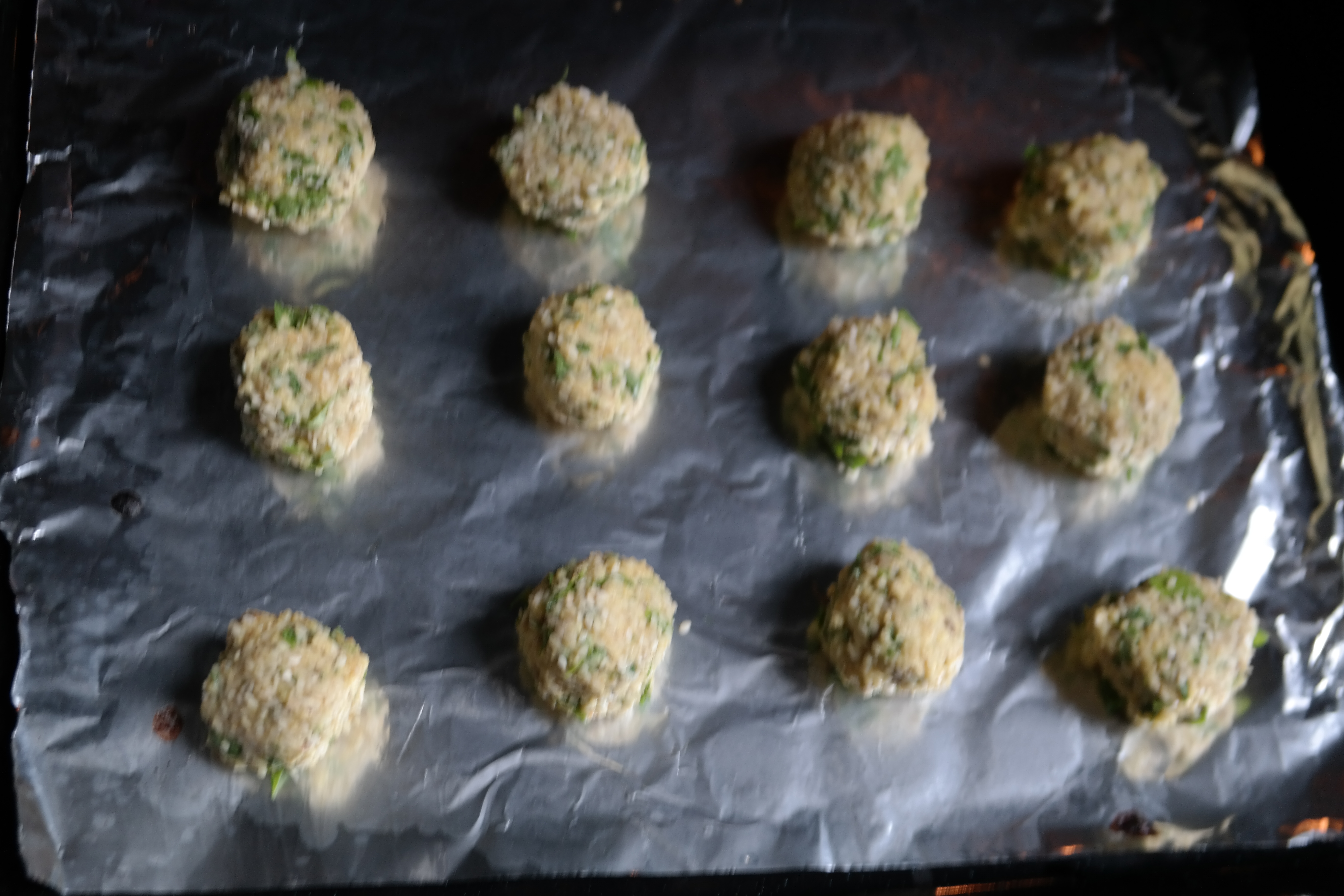
Bake the falafel in the oven

Be careful when cooking millet as it has a tendency to stick to the pan if you don’t keep an eye on it and stir regularly. We found it best to rinse and soak it for a few hours before cooking as this reduces the time needed to cook it.

Ingredients (makes 12-16 falafel)

  • 150 g millet
  • 300 ml water or vegetable stock
  • one garlic clove
  • one bunch of parsley
  • one teaspoon cumin
  • one teaspoon coriander
  • one teaspoon chilli powder
  • Sesame seeds to coat the falafel

Method

  • Rinse and then soak the millet in a pan for four hours. Drain the millet and cover with water or vegetable stock. Bring to a boil and then simmer until the liquid is absorbed. Stir regularly as the millet will stick to the bottom of the pan if not watched carefully.
  • Finely chop the parsley, both leaves and stalks, mince the garlic clove and add to the cooked millet. Add the spices – if you want to give your falafel more oomph, double the amount. Mix well and then form into balls. Roll the balls in the sesame seeds and then place on a tray and oven bake for 20 minutes at 200 c, or until the falafel turn a golden-brown colour.
  • Serve in pita bread with salad and sauces of your choice or as part of a salad – we made one from cucumber, tomato, spring onion, celery, red cabbage and radish. These falafel will keep in the fridge for a few days so you can cook a large batch at the same time.

The Life of Briam

21 May 2020

There were signs this week of life slowly beginning to return to some sort of normal.  Cafes and terraces are set to open once again in Almaty from next week and the streets are busier. We’re not planning on changing too much at the moment and, in the meantime, we’re content to continue our armchair culinary travels.

20200520_184214
Half-way there – assembling the briam…

Greece has been in the headlines this week with the news that its beaches are reopening and it’s preparing to open its borders to tourists next month. This news brought back memories of holidays in the Greek islands and the great food in the tavernas. One of our favourite dishes is briam (pronounced bree-AM) – a delicious stew of oven-roasted seasonal vegetables.

IMG-20200521-WA0012
Briam – good enough to eat

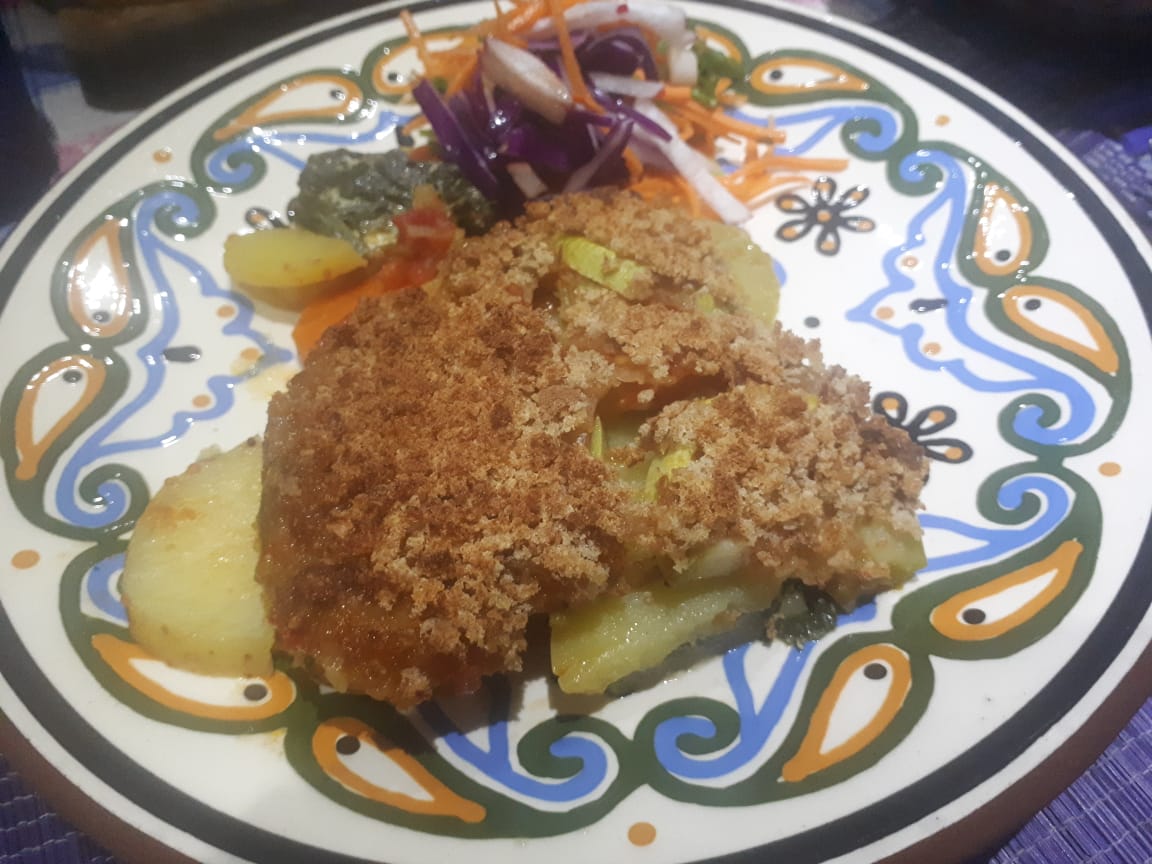
As usual, we’ve taken a few liberties with the recipe, omitting aubergines (usually a key ingredient) as they are not quite in season in Almaty yet, so foodie purists please look away. We’ve added carrot and spinach to the usual potatoes and courgettes and then cooked it slowly in a tomato sauce. We’ve also topped it with some breadcrumbs to enclose our briam.

Screen Shot 2020-05-21 at 12.15.00

The name briam has an interesting history – it is a borrowed word – there is no letter ‘b’ in the Greek alphabet, instead this sound is represented by combining the letters ‘μ’ (m) and ‘π’ (p) – ‘μπ’. Many Greeks call this casserole tourlou tourlou (all mixed-up), so briam could have come from Greeks who lived in Anatolia until the mass population exchanges in the early 20th century.

20200520_211656
Briam and salad


In the Ottoman era, there was a word biryan, spelt büryan in modern Turkish, which refers to a side of lamb cooked slowly over charcoal in a pit in the ground – a speciality of Siirt in the Kurdish area on the borders with Iraq and Syria. This in turn could come from Persian, where biryan means roasted (notice the similarity with India’s biriyani). Whatever the name’s origin, it tastes great!

Ingredients (serves 4)

For the bake:

  • Two courgettes (approx 300 g)
  • Four potatoes (approx 300 g)
  • One carrot (approx 100 g)
  • 200 g spinach
  • 75 g breadcrumbs

For the tomato sauce:

  • One red onion
  • 250 g tomatoes
  • One bunch of parsley
  • 20 capers
  • 25 ml olive oil
  • One teaspoon mustard seeds
  • 250 ml vegetable stock or water

Method

  1. Make the tomato sauce first. Heat the oil in a heavy based pan, add the mustard seeds and when they start to pop add the chopped onions and cook over a medium heat, stirring occasionally. After five minutes reduce the heat and add the chopped tomatoes. Stir and simmer for ten minutes then add the stock, chopped parsley and capers. Cook until the liquid has reduced by half.
  2. Cook the spinach for a few minutes until it is beginning to wilt and then set aside. Cut the potato, courgette and carrot into 1 mm slices and put a layer of potatoes, then courgettes and then carrots into a greased baking dish. Add the spinach and pour half the tomato sauce over the vegetables. Add another layer of potatoes and courgettes and then pour the remainder of the tomato sauce over the layers. Spread the breadcrumbs over the top.
  3. Cover with tin foil and bake in an oven at 180 c for around 1.5 hours. After an hour, remove the foil and cook for another 20-30 minutes until the breadcrumbs go start to go a golden brown colour. Keep an eye on it to make sure the breadcrumbs aren’t burning. Serve immediately with a fresh salad – it’s also great when it’s cooled down a bit.