The Mücver Variations

29 June 2017

This time round on Knidos Cookery Club we’re revisiting an old favourite – mücver, Turkey’s tasty courgette fritter.
20170531_132309
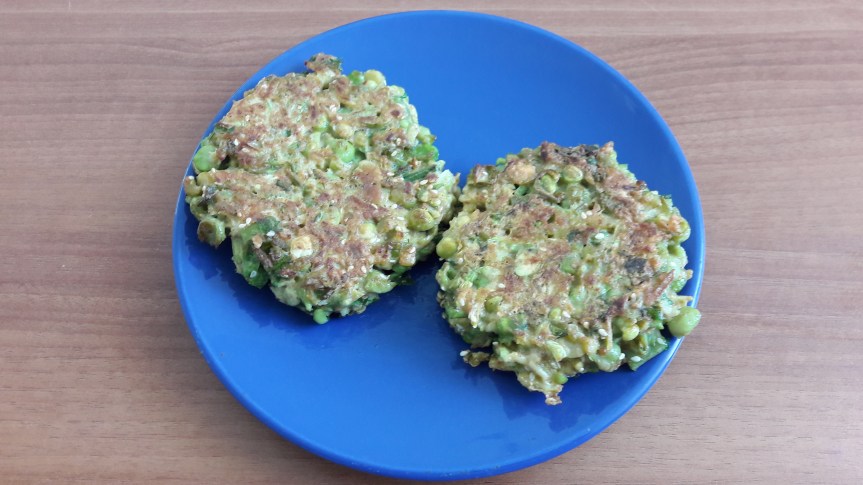
Could this be called a pea fritter?

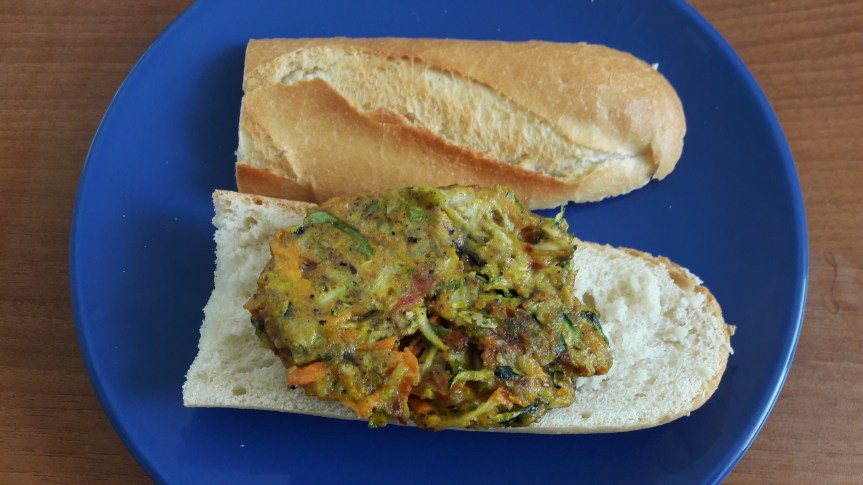
The mücver usually served up in Turkish eateries are made from grated courgettes, so we’ve decided to spice up this old favourite by adding some other ingredients. Why not try them with fresh peas or grated carrot? Mushrooms work well, as do green beans.
20170609_133418
Putting some carrots in the mix

You can even add all these ingredients to the basic mix, chuck in a few chopped almonds or walnuts and, hey presto, you have a chunky veggie nut burger!

Serve the fritters in a pita, on a baguette, in a burger bun, rolled up in flat lavaş bread or just plain with a salad and condiments of your choice.

Ingredients (for around 8 fritters)

Two medium-sized courgettes

One small onion

One egg (or 15 ml of olive oil for vegan version)

Choose one or more from: 100 g chopped mushroom / grated carrot / peas (fresh if you have them, otherwise frozen or tinned) / sliced green beans (use 50 g of each if using more ingredients)

50 g of plain flour

Bunch of parsley, mint and/or dill (if you like that sort of thing)

Dried herbs to taste

A generous sprinkle of sesame seeds

An  optional dusting of chili flakes and grated cinnamon

Salt and pepper

A dash of olive oil for frying

Plain yogurt for serving

Method

Grate or chop up the courgettes and the extra of your choice (mushroom, carrot  peas, green beans or even all three) finely and mix with the chopped onion. Add fresh parsley, mint and/or dill, dried herbs, chili flakes, cinnamon, sesame seeds salt and pepper and blend well.

Make a well in the centre of the mix and break the egg into it. Sprinkle in the crumbled white cheese. Mix well. (Vegan readers should skip the egg and add 25 ml of olive oil instead)

Gradually add the plain flour and blend  until the mixture has quite a thick consistency – you don’t want it to be too wet and sloppy.

Drizzle some olive oil in a frying pan and put over a medium heat.

Place golf ball-sized scoops of the courgette mixture into the pan and flatten with a spatula or fork.

After a few minutes turn the fritter. Keep cooking until both sided are a golden-brown colour.

Serve hot with a dollop of yogurt on top.

Courgette Flower Power

4 May 2017

This time round on Knidos Cookery Club we’ve been busy stuffing courgette flowers, a popular starter all around the Aegean Sea. In Turkey, these delicate taste-bud ticklers, known as kabak çiçeği dolması, are stuffed with a rice mixture and baked, unlike their Italian cousins which are filled with ricotta cheese and deep fried.

IMG_1295
Succulent stuffed courgette flower power

The courgette, zucchini to our north American readers, is a really versatile vegetable – in the past we’ve used it in a tasty fritter mücverstuffed courgettes and in a creamy almond dip, and it’s great that we’ve found a use for its flowers as well.

If you’re growing your own courgettes, then you should have a ready supply of flowers, otherwise you may need to scour your local farmers’ market for these vivid orange blossoms.

Ingredients 

20-25 courgette flowers

One cup (approx. 100g) of short or long grain rice (We recommend brown rice for its earthier flavour)

250 ml vegetable stock

One medium-sized onion

One medium-sized tomato

One garlic clove

Pinches of dried thyme, oregano, black pepper, chili pepper flakes, cinnamon and salt

5 g fresh parsley

5 g fresh mint

25 g raisins

25 g  pine nuts

25 ml olive oil for frying

Juice of one lemon

One sliced lemon

100 ml natural yogurt

Method

Pour the olive oil into a heavy-based pan and add the chopped onion and garlic. Cook over a medium heat until the onion becomes translucent. Add the chopped tomato, dried and fresh herbs, seasoning, dried fruit and pine nuts and cook for five minutes over a high heat.

Turn the heat down and add the washed and soaked rice to the onion mix and stir to cover the grains with oil. Add the stock and cook over a low heat until the liquid is absorbed.

Make sure that the courgette flowers are free from any green, leafy bits or stem and remove the stamen from the inside of the flower. Allow the rice mixture to cool and then fill each flower with a teaspoon of rice mix – don’t overfill them as the rice will continue to expand as it cooks.

Fold the end of the blossom together to seal the rice mix in and place the filled flowers into a heavy based frying pan or casserole dish. Pour water over the flowers to just cover them, add a generous glug of olive oil and the lemon juice, put a lid on the pan and cook over a low heat until all the water is absorbed.

Leaving the pan covered, let the cooked courgette flowers rest for 30 minutes or so with the heat turned off and then serve with lemon slices and a dollop of natural yogurt.


Seventh Heaven Samsas


23 March 2017

Happy Nowruz from Knidos Cookery Club!

20170317_163343
Nauryz (Nowruz) greetings from Almaty, Kazakhstan

To celebrate this spring equinox festival, we’ll be serving up kok samsa, deep-fried pies filled with a selection of spring greens.

20170317_181312
Seven tastes of spring: parsley, spinach, coriander, celeriac leaves, spring onion, garlic and mint

Originating in Persia some 3,000 years ago, Nowruz, or New Day, is a celebration of the end of winter and the start of a new year on the date when day and night are equal in the Northern Hemisphere. This date usually falls on or around 21 March.

The holiday is still widely celebrated in Iran and Iraq, across Central Asia, Russia, Afghanistan, Albania, Azerbaijan, in eastern Turkey and in parts of Syria, India, Pakistan and China. Food plays an important role in these celebrations – in Iran the table is set with seven items, as explained in this article from Iran Wire:

A few weeks before Nowruz, Iranians begin setting up their haft sin, or “seven Ss,” a ceremonial display of symbolic items whose names begin with the Persian letter “sin” or “s.” They include “sabzeh,” or green sprouts grown from lentils, which symbolize rebirth; “samanu,” a sweet pudding that represents affluence, “senjed,” or dried wild olives, which symbolize love; “seer,” or garlic, which symbolizes medicine; “seeb,” an apple, which represents health; “somaq” or sumac fruit, which symbolizes the color of sunrise, and “serkeh,” or vinegar, which symbolises maturity.

Kok samsa, a close relative of India’s samosa, are prepared in Uzbekistan, where the holiday is called Navruz. These tasty pies are filled with fresh spring greens.

We’ve developed our own take on the kok samsa using the Iranian magic number of seven ingredients: parsley, spinach, coriander, celeriac leaves, spring onion, garlic and mint. As fully signed-up members of Dillwatch, we omitted that scurrilous weed, dill, from this recipe.

20170317_230319.jpg
KCC’s Kok samsa with seven spring herbs inside

Ingredients (makes 8-10 pies)

  1. For the Pastry
  • 300 g plain flour
  • 75 ml olive oil
  • Pinch of salt
  • Up to 75 ml cold water
  • Two – three teaspoons of  sesame seeds

       2. For the Filling

150 g spring onions

  • 2 garlic cloves
  • 50 g fresh coriander
  • 50 g fresh parsley
  • 150 g spinach
  • 25 g the leafy bits from the top of a celeriac
  • 15 g fresh mint
  • Two teaspoons of cumin seeds
  • 25 ml olive oil

      3. For Deep Frying

  • 1 litre sunflower oil (for deep frying)

Method

      1.For the Pastry

Pour the flour into a large mixing bowl and add the salt. Pour in the olive oil and stir with a fork. The mixture should form into small clumps of flour and oil. Pour some of the cold water and continue mixing. Continue adding water until the mixture forms into a large ball shape. Cover with cling film and leave in the fridge until you’re ready to use it.

      2. For the Filling

Heat the olive oil in a heavy-based pan and add the chopped spring onions and minced garlic. Fry for five minutes over a medium heat, stirring occasionally. Add the coriander and parsley and cumin and fry for two to three minutes. Add the torn up spinach leaves, chopped celeriac leaves and mint and continue cooking until the spinach has wilted, about 10 more minutes or so, stirring every now and then.

      3. For Deep Frying

Heat the sunflower oil in a heavy-based pan. For deep frying you need to get the oil to around 180 c – to check the temperature use this tip from Delishably:

When the oil has preheated, dip the handle of a wooden spoon or a chopstick into the oil. If the oil starts steadily bubbling, then the oil is hot enough for frying. If the oil bubbles very very vigorously, then the oil is too hot and needs to cool off a touch. If no or very few bubbles pop up, then it’s not hot enough.

While the oil is heating, prepare the pies. Form the pastry into 8-10 walnut-sized balls. Put the pastry ball onto a lightly floured surface and roll out into a 1 mm thick circle. Sprinkle with sesame seeds and turn the circle over.

Place three teaspoons of filling on half of the pastry round and then close the other half over the top of the filling. Use a fork to mould the edges of the pie together. Prick the pie’s top to allow air to escape.

Place two or three pies at a time in the hot oil and fry for around 8 minutes or until the pie is golden brown in colour. Remove with a slotted spoon and drain on kitchen roll. Serve the kok samsa either hot or cold.


Lobiani Sausagiani

9 March 2017

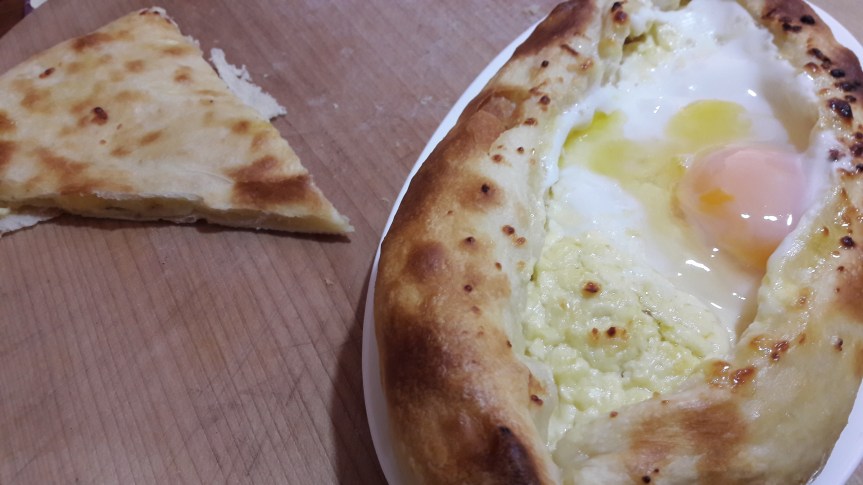
This time round on Knidos Cookery Club we’re off to Turkey’s far north-east corner and across the border into Georgia. This mountainous country shares some dishes in common with the people of Turkey’s Black Sea coast such as the bread and cheese concoction known as khachapuri in Georgia, pide in Turkey.

20170309_152546


Georgian dishes rely on both fresh and dried local ingredients. The diet is generally meat-heavy – this point was crudely pushed home last year when outraged sausage-wielding activists attacked Kiwi Café, a vegan café in Georgia’s capital Tbilisi, throwing chunks of meat and fish at diners, but there are lots of options for non-carnivores as its cuisine also features a wide range of veggie dishes.

Georgia’s location on a number of east-west trade routes heading through the Caucasus Mountains has seen different influences make their mark on its  eating culture over the years, with spices playing a key role.

20170218_135303
KCC’s new brunch treat –lobiani sausagiani

Dried beans, or lobio, walnuts, pomegranates and spices like coriander and blue fenugreek give a distinctive taste to the local fare. Cheese also features strongly on the Georgian table, from the versatile sulguni, an elastic, brined cheese akin to mozzarella, that can be deep fried to the fresh white imeruli cheese.

Georgia’s dried red beans are made into a dish called lobio, that, depending on the region of the country it’s prepared in, can be like a soup, a stew or re-fried beans. It is usually cooked in a clay pot and sometimes comes with a thin layer of bread as a cover on top. Mashed red beans are also cooked inside bread in a dish called lobiani.

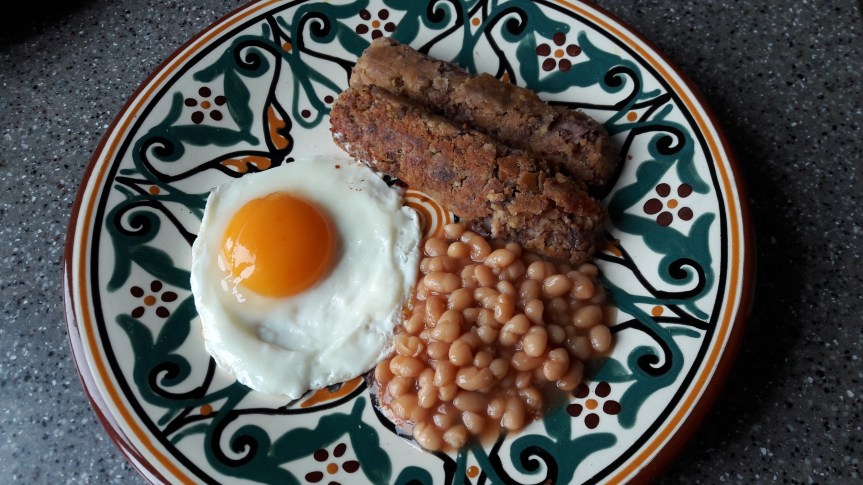
We’ve decided to do our own take on a lobio dish, and to get our own back on those meat-wielding activists, by making a Georgian-influenced veggie sausage, to be served as part of a brunch or main meal.

Ingredients (makes 8-10 sausages)

200 g dried red beans, soaked overnight

100 g red lentils (one cup)

150 g fine bulgur wheat (1.5 cups)

50 g chopped walnuts

1 teaspoon dried coriander

1 teaspoon cumin

1 teaspoon black pepper

1 teaspoon red chili flakes

25 ml olive oil for frying the sausages

1 tablespoon plain flour

Method

Soak the beans overnight and then cook for an hour or so over a low heat until the beans are cooked and beginning to break up. Drain and reserve the cooking water , then mash the beans roughly.

Wash the lentils until the water goes clear and then place in a pan with the water from the cooked beans – add more water so the lentils are covered by 2 cm of liquid. Bring to the boil and simmer over a low heat for 20 minutes or so. The lentils should be going mushy and there should be about 1 cm of water covering the lentils – add more water if necessary.

Add the washed bulgur wheat to the cooked lentils and blend well. Allow to stand for 30 minutes or so and then add the toasted, chopped walnuts and the mashed beans. Then grind the spices together and add to the mix. Leave overnight in the fridge to allow the flavours to blend.

Sprinkle some flour on a chopping board and roll lemon-sized portions of the mix  into sausage shapes, coating evenly with flour. Fry the sausages in the oil until browned on the outside and then serve with baked beans and a fried egg for a top brunch.

Operation Lentil

23 February 2017

It was on this day back in 1944  that the Chechen and Ingush  people of the North Caucusus had one of the darkest moments in their troubled history. Accused by the Soviets of siding with the Nazi forces, the entire population was herded onto cattle trucks and deported by force to Central Asia.

The mission was codenamed ‘Operation Lentil’ – after chechevitsa, the Russian word for lentil, which shares its first two syllables with Chechen. By way of commemoration of this tragedy that befell the Chechen and Ingush communities, who refer to the deportations as Aardakh, the exodus, this time around we’ll be sharing a recipe for the Turkish dish mercimek köftesi – a versatile red lentil patty.

lentil-patties
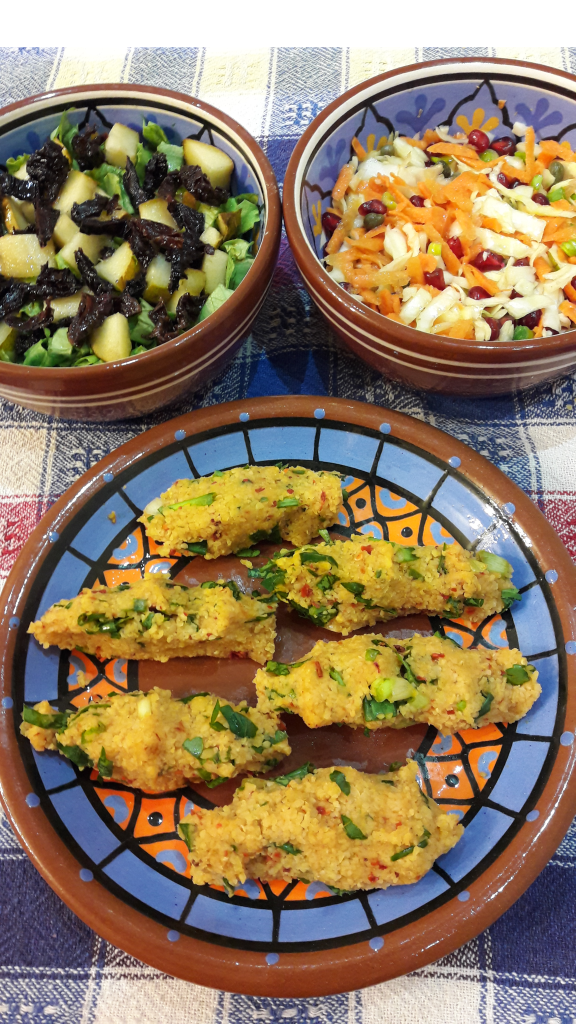
Mercimek köftesi – red lentil patties, served with green salad and cole slaw

These spicy, lentil patties are easy to prepare and are delicious when rolled up in flatbread, like lavash, with fresh cole slaw and a green salad. We used ajika sauce from Georgia on the other side of the Caucasus mountains, a fiery blend of red chili peppers and tomatoes, to flavour the patties – but if you can’t find this locally, then a mix of tomato paste with chili flakes will do nicely.

Ingredients (Makes around 20-24 lentil patties)

100 g red lentils (one cup)

150 g fine bulgur wheat (1.5 cups)

500 ml water

6-8 teaspoons of ajika sauce (see above)

5 spring (green) onions – chopped

A handful of fresh flat leaf parsley, roughly chopped

One teaspoon of cumin seeds

One teaspoon red chili flakes

Black pepper

25 ml olive oil

Juice of one lemon

Method

Wash the lentils until the water goes clear and then place in a pan with the water. Bring to the boil and simmer over a low heat for 20 minutes or so. The lentils should be going mushy and there should be about 1 cm of water covering the lentils – add more water if necessary.

Add the washed bulgur wheat to the cooked lentils and the ajika sauce and blend well. Allow to stand for 30 minutes or so and then add the olive oil, lemon juice, spring onions, parsley, cumin, red chili flakes and black pepper and mix well.

Allow to stand for a few hours to let the flavours combine and then mould a walnut-sized piece of the mix in the palm of your hand and use your fingers to form a  sausage-shape (see picture above).

Serve rolled in flatbread or stuffed into a pita with a cole slaw made from shredded cabbage, grated carrot, pomegranate seeds, spring onion and capers and  a salad of lettuce, sun dried tomatoes, pear and spring onion.


Getting Down to the Nuts and Roots

26 January 2017

This time round on Knidos Cookery Club we’re getting back to the roots with a comforting winter soup made from some of our favourite root vegetables, a leek or two and some roasted chestnuts.

20170124_204349
Roasted chestnuts – a winter treat

One of the big events in the world of Knidos Cookery Club so far in 2017 has been the relocation of Datça’s weekly market to a new, purpose-built site. Previously, when the market came to town on Friday and Saturday, it would spill down the hill in the centre of town, causing considerable congestion with the stallholders looking for parking spots and the customers squeezed in-between.

The new site has a covered area for the local fruit and vegetable growers with the other stalls – spices and nuts, clothes, household goods etc., setting up around the covered market. It’s a lot more user-friendly, with plenty of space for shoppers and stall holders.

The last few visits to the market have entailed searching for some of our regular suppliers in the new layout, and we’re pleased to report that most of them have been accounted for!

20170108_222106
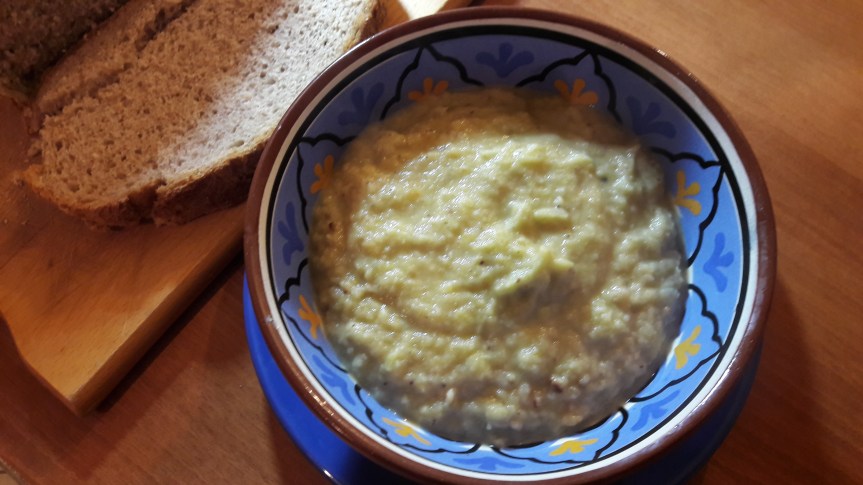
A warming bowl of rooty, chestnut pureed soup

In season at the moment are chestnuts – anyone who’s visited Istanbul in winter will probably remember trying fresh roasted chestnuts while on the move around the centre, a delicious snack that epitomises the city in the colder months of the year to me.

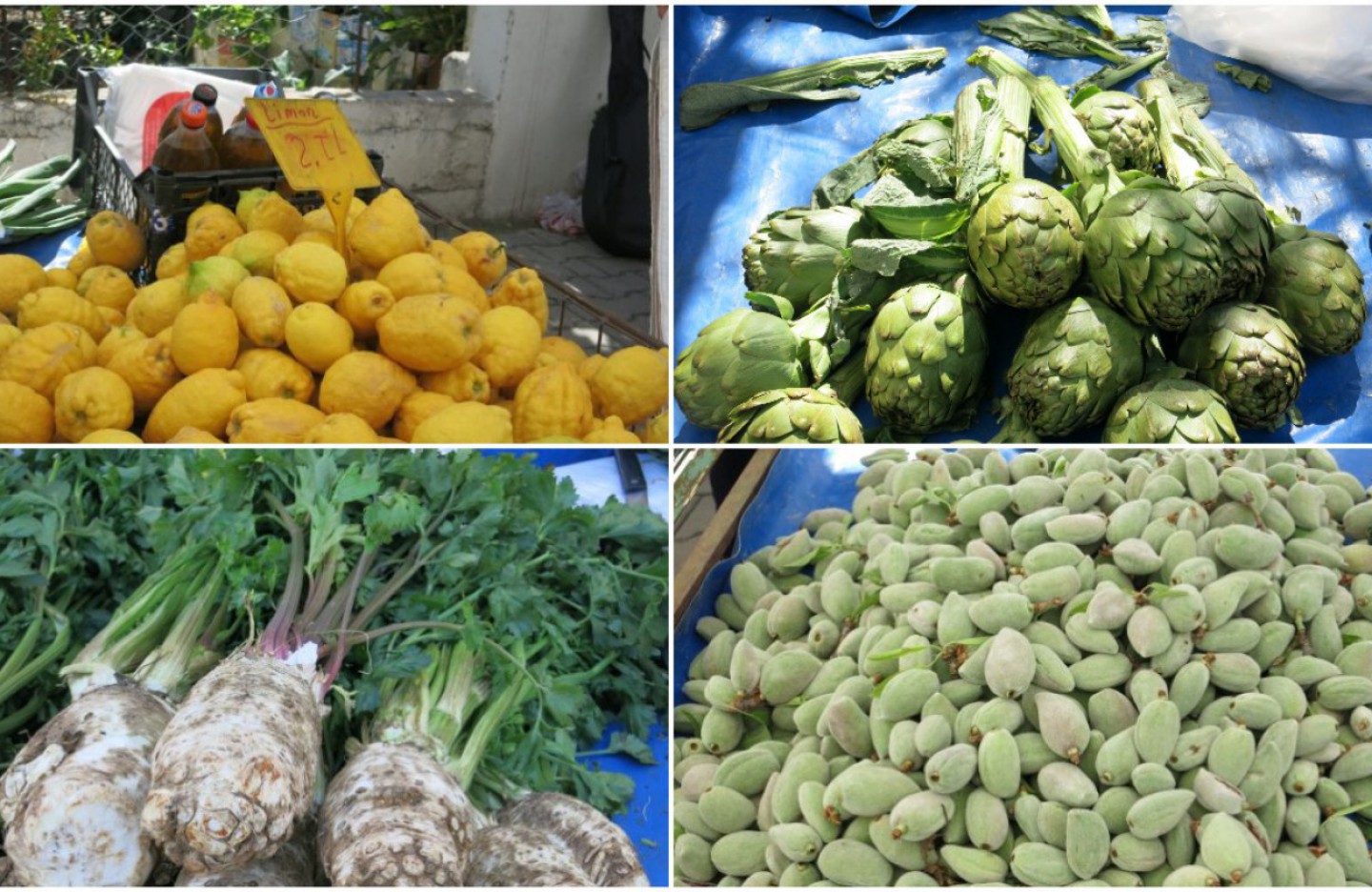
There were also root vegetables aplenty – including black carrots (these root vegetables were first cultivated in Afghanistan and were yellow and purple in colour) and celeriac, lengthy leeks and lashings of oranges and lemons. So this week we’ll be making a rooty nutty soup containing celeriac, potato, carrot, leek, shallots and chestnuts.

Ingredients (serves 3-4)

75 g shallots

250 g leeks

250 g celeriac

one medium-sized potato

100 g carrot (black if you can find them!)

500 ml vegetable stock

25 ml olive oil

150 g chestnuts

one teaspoon dried thyme

salt and pepper for seasoning

juice of one lemon

Method 

Fry the finely sliced leeks and chopped shallots in the olive oil, which has been seasoned with dried thyme, over a medium-high heat until just beginning to brown. Peel and dice the celeriac, potato and carrot into 1 cm cubes  and add to the pan of leeks and shallots.

Stir in well to coat the cubed root vegetables with oil and thyme and then add the stock and the juice of the lemon and simmer for 20 minutes over a low-medium heat. While this is bubbling away, score the outside of each chestnut with a cross shape (on one side) and roast the chestnuts in an oven pre-heated to 220 c /gas mark 7.

Check the chestnuts after 20 minutes or so – if they are easy to peel and are roasted sufficiently, then they are ready for use. If not, check every 5 minutes until the shell comes off easily.

Add the peeled chestnuts to the soup pan, stir well and season with salt and pepper to taste. Then use a hand blender to make a smooth, thick soup and serve straight away with hunks of wholemeal bread.

Ezo the Bride’s Soup

20 October 2016

Knidos Cookery Club is off to a wedding soon so we did a quick google to see what Turkey has in the way of wedding-related foodstuffs and chanced upon this soup with a great backstory.

One wedding day tradition in Turkey is to the feed up the bride-to-be with a hearty soup, Ezogelin Çorbası, to help her prepare for the rigours of her wedding day and the subsequent move into the groom’s household.

img_2061

The name translates as ‘Ezo the Bride’s Soup’ and the recipe comes from the tale of a woman, Ezo, short for Zöhre, who was born in 1909 in a village near Gaziantep, now in south-eastern Turkey on the border with Syria.

She became famed in the region for her her looks and was highly sought after as a bride. Eventually, she married a man from a neighbouring village but unfortunately the marriage didn’t work out. One version of the tale, that has inspired short stories, folk songs, a film and a TV series in Turkey, as well as the soup, has it that her husband loved another so Ezo left him.

In 1936, Ezo married again and moved with her husband over the border to the town of Jarabulus in Syria. She pined for her homeland and to quell her homesickness she would cook a soup that reminded her of Turkey – a filling combination of red lentils, bulgur wheat, rice, tomato paste, herbs and spices. She also used the soup to win over her mother-in-law, a move crucial to finding happiness in her new home.

Ezo had nine children with her second husband, but she only lived to her mid-40s, dying in 1956 in Jarabulus. Her last wish was to be buried on a hillside overlooking her beloved homeland. Her memory lives on in this soup and in the legends that have grown up around her life story.

Ingredients (Makes four servings)

150 g red lentils

50 g coarse bulgur wheat

25 g rice

one medium-sized onion

one or two cloves of garlic

one lemon

25 ml olive oil

1.2 l warm water

3-4 tablespoons of tomato paste (a more liquid form of tomato purée – if using purée then two tablespoons should suffice)

two teaspoons of dried mint

black pepper

two teaspoons of chili flakes

sprig of fresh mint

Method

Wash the red lentils, bulgur wheat and rice and soak for two hours in cold water.

Finely chop the onion and garlic and fry for five minutes in the olive oil in a heavy-based pan. Add the red lentils, bulgur wheat and rice, pour in one litre of water and simmer over a low to medium heat for 30 minutes or until everything is cooked.

Add the tomato paste, the dried mint, chili flakes and some black pepper and 200 ml of water and the juice of one lemon and stir well. Simmer for ten or fifteen minutes until the soup is taking on a creamy texture.

Ladle the soup into bowls and garnish with a sprig of fresh mint and sprinkle more chili flakes over the top. Serve with a slice of lemon and some crusty bread.

Double Meloned Squeaky Cheese

1 September 2016

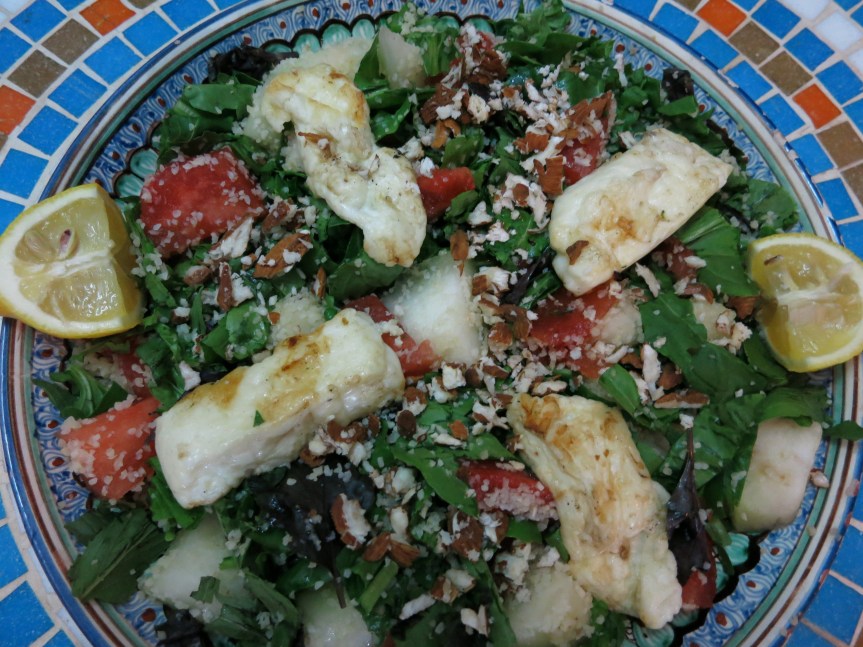
This summer has seen a rash of articles in the UK press about salads combining melon and white cheese and here at Knidos Cookery Club we love to tap into any zeitgeist that’s going – here’s our own take on this refreshing summery salad using watermelon, honeydew melon and halloumi cheese.

IMG_1324
Double Meloned Squeaky Cheese

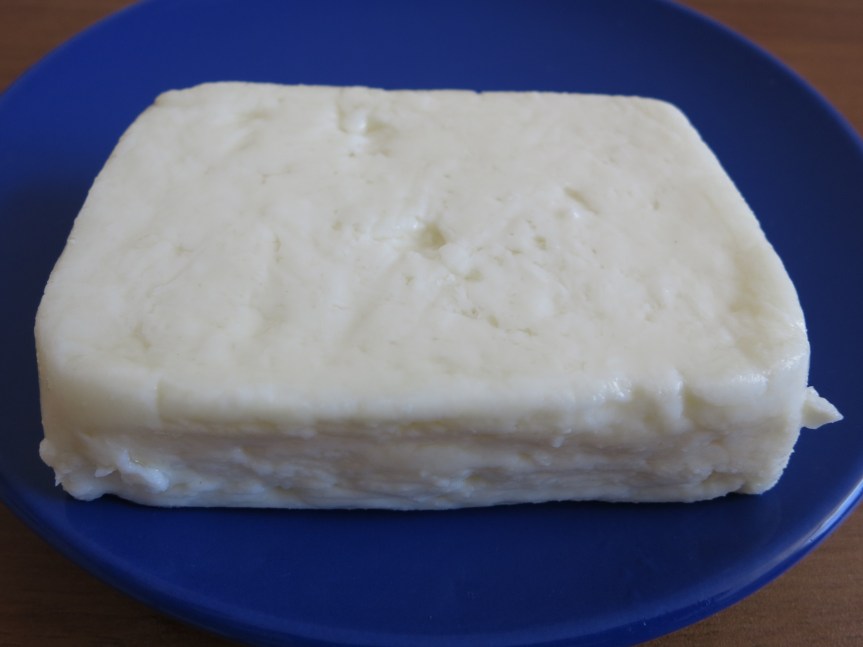
Halloumi, hellim in Turkish, is a salty white cheese with a high melting point that makes it perfect for grilling or frying. It originated in Cyprus – it’s a semi-hard cheese preserved in brine that can be stored for use in the winter months. It’s known in some quarters as ‘squeaky cheese’ because of its tendency to emit a mouse-like sound when you bite into it.

IMG_1337
A slab of halloumi – the cheese that squeaks!

It’s peak season for melons at the moment in the Knidos area so the time was ripe to attempt our own melon cheese combo. With the addition of some halloumi, that had been grilled into submission on the barbecue, and some rocket leaves, fresh mint  and basil, along with bulgur wheat and crushed almonds to add some body, the salad was a winner and set to be a fixture on the Knidos Cookery Club menu.

Ingredients (serves 3-4)

300 g watermelon cut into wedges

300 g honeydew melon cut into wedges

250 g halloumi cheese

One bunch of rocket (approx 125 g)

A handful of fresh mint and basil leaves

100 g fine bulgur wheat

50 g chopped almonds

100 ml hot water

One small lemon, juiced

A glug of olive oil

Method

Soak the bulgur wheat in 100 ml hot water until all the water is absorbed

Tear the rocket, mint and basil leaves and scatter into a large bowl and then add the bulgur wheat. Add the melon wedges and mix well. Dress the salad with lemon juice and olive oil.

Cut the halloumi into slices and grill or fry until going golden-brown on the outside. Arrange the halloumi slices on top of the melon and leaves and sprinkle chopped almonds over the salad. Serve with crusty bread.


Melon Almond a Go-Go

11 August 2016

As Knidos Cookery Club turns 20, we’re celebrating this week with a look at two of the mainstay crops of the Datça Peninsula – melons and almonds.

WP_20160810_13_03_46_Pro
This year’s almond crop has arrived!

This year’s new nut harvest is already arriving in the market. Datça’s almonds, badem in Turkish, are rightly famous in Turkey – I remember sitting at a terrace in Istanbul’s Beyoğlu district, back in the days when it still had street tables,  and a guy came round selling fresh Datça almonds, cooled on a bed of ice.

In the Knidos area, almonds are widely used in cooking, in making soaps and creams and in Datça many cafes offer a milky ‘almond coffee’. Last week we had some mezes at Kasapoğlu Pansiyon in Ovabükü which came liberally sprinkled with almonds – one green bean dish and another made from grated courgette and yogurt.

The area around Knidos is perfect for growing melons, kavun in Turkish. The market is full at the moment with a green and yellow striped variety – I’m not sure what it’s called, but it sure tastes good!

We’ve decided to attempt something unusual for the 20th edition of Knidos Cookery Club – stuffed melon. This dish was popular in the palaces of the Ottoman Empire, drawing on a Persian and Armenian-influenced fusion of sweet and savoury tastes.

IMG_1096
Plov in a melon

The Knidos Cookery Club version is fully veggie-friendly and uses mushrooms in place of meat, along with rice, dried fruit and fresh Datça almonds. The end result is basically plov in a melon, a most unusual taste sensation!

Ingredients (serves 4)

One melon (honeydew or similar – not watermelon!)

125 g rice

25 g orzu or pine nuts, if you’re feeling flush

One medium-sized onion

One garlic clove

100 g almonds

75 g mixed dried fruit (raisins, currants, chopped apricot, chopped fig)

250 g mushrooms

50 ml olive oil

One teaspoon of cumin, cinnamon and red pepper flakes

Salt and black pepper to season

Method

Wash the rice and soak for an hour or so. Heat 25 ml olive oil in a pan and cook the orzu or pine nuts until golden brown. Add the rice and stir to coat the grains with oil. Pour in 300 ml cold water, add a pinch of salt and cook until all the liquid is absorbed.

Heat the rest of the olive oil in a heavy-based pan and add the chopped onion and garlic. Cook until translucent and then add the peeled almonds. Keep stirring for five minutes and then add the mixed dried fruit and one teaspoon of cumin, cinnamon and red pepper flakes.

Chop the mushrooms up and then pour into the sizzling mix. Stir regularly – you don’t need to add any liquid as the mushrooms contain a lot of water. Cook for ten minutes or so and then turn off the heat. Mix in the rice, blending well.

Prepare the melon by cutting it in half and scooping out the seeds. Then scoop out the flesh, leaving about 1 cm inside the melon. Stuff with the rice mix, arranging some almonds on top.

Place the melon halves in a shallow dish, add 100 ml warm water and bake at 200°C or gas mark 6 for one hour.

Serve a quarter of the melon to each person with an Uzbek-style salad of sliced tomatoes, onions and chili pepper  – achik chuchuk.


Battle of the Beans 2: Land of the Giants

SAMSUNG CSC

Giant beans served up at Aigli restaurant, Kos Town, Greece

21 July 2016

When it comes to food, Turkey and Greece have more in common than they’ll often admit. They share a love for small cups of strong coffee and sweet tooths all around the Aegean Sea love baklava,  made from chopped nuts and layers of filo pastry drenched in honey.

WP_20160720_23_55_39_Pro
Baklava and coffee a la Turca

On the savoury side, no selection of starters is complete without that famous yogurt dip made with cucumber and garlic – known as cacık in Turkish, tzatziki in Greek. A Turk’s ıspanaklı börek is a spanakopita to a Greek.

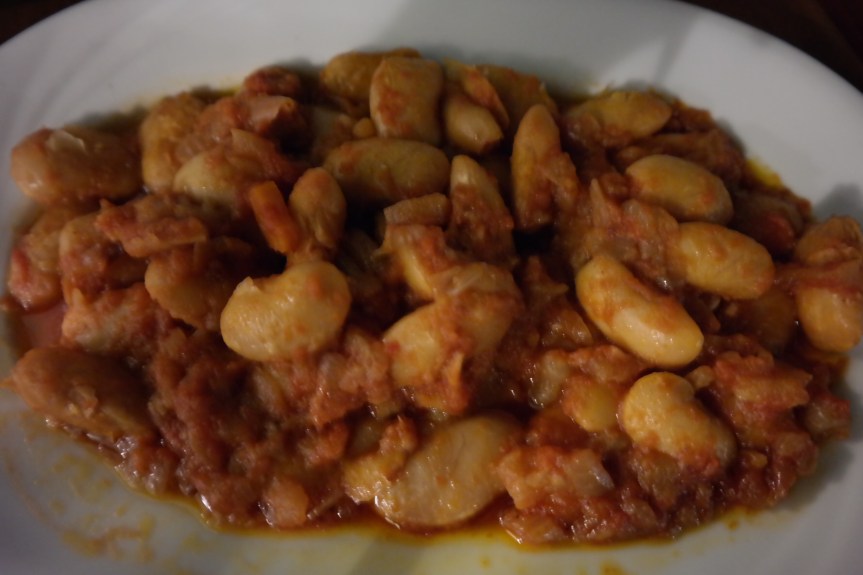
Last week’s Knidos Cookery Club looked at Turkey’s signature bean dish, kuru fasulye, using haricot beans. This week, we will attempt to make the brasher Greek version, gigantes plaki, which uses the biggest beans you can get your hands on and bakes them in a thick tomato sauce in the oven

There’s something about the humble bean that makes it a great comfort food when your body craves something plain and wholesome. After a period of indulging in Greece’s myriad takes on feta cheese: a slab placed atop a horiatiki salad, deep fried in a honey and sesame seed coating or wrapped in layers of flaky filo pastry, feta fatigue can sometimes set in.  If this happens, then there’s nothing like a bowl of giant beans served with a light green salad to bring your appetite back to life.

Butter beans, also called lima beans, work well in this dish, with their insides going soft and mushy while the exterior remains firm. Reserve some of the liquid (around 200 ml) from cooking the dried beans to use for these baked beans with an edge. A secret ingredient that gives this dish it’s distinctive taste is celery.

Ingredients (serves 5-6 generous portions)

250 g dried butter (lima) beans soaked overnight

Two medium-sized red onions

Two small stalks of celery

One or two cloves of garlic

Three medium-sized plum tomatoes

A small bunch of parsley

Pinches of salt, pepper and cumin

One teaspoon of cinnamon

One teaspoon dried thyme

50 g olive oil

Method

Boil the butter beans over a low heat for an hour or so until they are tender but not falling apart. Stick around and every five minutes or so scoop off the foam that forms while the beans are cooking. Drain the beans, reserving 200 ml of the cooking water for use later.

While the beans are cooking, prepare the sauce. Heat the olive oil in a frying pan and add most of the finely diced onion (save some slices to sprinkle over the cooked beans) and the chopped garlic. Fry until translucent and then add the finely chopped celery. Cook for five minutes or so and then add the parsley, thyme and cinnamon and season with salt, pepper and cumin.

Peel the tomatoes (dunking them in boiling water for 30 seconds and then into cold water will help loosen the skins) and chop finely and add to the other ingredients in the frying pan and cook for ten minutes.

Pour the beans into a large baking dish, cover them with the sauce and add the reserved cooking liquid. Bake in an oven pre-heated to 180 °C (gas mark 5) for one hour. The beans should still be fairly firm on the outside but mushy and soft on the inside. Leave in the oven for longer if the insides are firm other than mushy.

Allow to cool for 15 minutes or so and then serve with a green salad and crusty bread to soak up the juices.

SAMSUNG CSC
SAMSUNG CSC

T