Pumpkin, Pear and Pomegranate Potage

21 December 2017

Seasoned greetings to all our readers! To end the year on a high, we’ve come up with a thick and hearty pumpkin and pear soup sprinkled with pomegranate to add a colourful touch to your seasonal table.

Screen Shot 2017-11-16 at 15.56.41

Roasting pumpkin in the oven is a great way to prepare our favourite winter vegetable. After cubing the pumpkin, it’s just a matter of waiting about an hour or so for it all to cook leaving time to enjoy a few glasses of mulled wine or a snowball or 

Knidos Cookery Club would like to say a big thank you for all our readers who voted for us in the Saveur food blog awards – unfortunately we didn’t win this time round…

Wishing you all a creative and tasty 2018 in your kitchen. Have a great time with whatever tickles your festive fancy in what’s left of 2017. See you next year!

Ingredients (serves 3-4)

500 g pumpkin cubed

100 g pear

One small onion (around 75 g)

One teaspoon cumin seeds

Half teaspoon ground cinnamon

Pinch of black pepper

50 ml olive oil

250 ml vegetable stock

50 g pomegranate seeds

Method

Chop the pumpkin into 2 cm cubes, quarter and slice the pear into 1 cm cubes and put in a baking dish. Sprinkle the sliced onion, cumin seeds and cinnamon over the pumpkin and pear and then slosh the olive oil over the top. Bake for 40 minutes at 180 c in a pre-heated oven.

While this is baking, boil up some vegetable stock. Add the pumpkin and other ingredients to the stock, blend with a hand blender and serve immediately in a bowl with a smattering of pomegranate seeds over the soup.


Let them Eat Cabbage!

9 November 2017

This week saw the 100th anniversary of Russia’s October Revolution, which led to the creation of the Soviet Union. To mark this momentous occasion in world history, Knidos Cookery Club has turned to a soup made from the close relative of a vegetable that was at the heart of Soviet cuisine – the humble cabbage.

20171104_235653
KCC’s cabbage soup with brown bread

The cabbage, and soups such as shchi that were made from it, was a mainstay of the Soviet diet. I remember hearing jokes about it when I was a lad such as this gem:

Q. What’s three miles long and eats cabbage?

A. A Soviet meat queue.

We’ve used Chinese cabbage as a twist on the traditional recipe that uses the more familiar member of the Brassica family and spiced up the mix with a few Shiitake mushrooms and some chilli powder.

Screen Shot 2017-11-08 at 17.36.31

It makes a great accompaniment, along with a few shots of vodka, to October: Ten Days that Shook the World, the classic 1928 Soviet silent classic directed by Sergei M. Eisenstein and Grigori Aleksandrov (which is available on BBC iPlayer until the end of this November).

The film was based on John Reed’s book of the same name, which told the story of the revolution from the abdication of the last Czar to the Bolshevik seizure of power. Another good read on the same topic follows Lenin on the Train, an account by Catherine Merridale of Lenin’s trip back to Petrograd on the eve of the revolution.

Ingredients (serves 4)

300 g shredded Chinese cabbage

2 medium onions

1 green pepper

4 dried mushrooms (rehydrated)

2 garlic cloves

2 medium tomatoes

25 ml cooking oil (sunflower or another neutral, refined oil)

1 litre vegetable stock

1 bayleaf

Pinch of black pepper

One teaspoon red chilli flakes

Dash of soy sauce

Rye bread (or a similar hearty brown bread)

Method

You’ll need a good hearty stock for this soup, so prepare some in advance or use stock cubes. Heat the oil in a heavy-based pan and then add the chopped onions and garlic. Cook for 10 minutes or so over a medium heat – while it’s cooking chop up the mushrooms and green pepper and then add to the mix,

Stir and cook for five more minutes then add the chopped tomatoes, black pepper, chilli flakes and bayleaf and cook until the tomatoes start to collapse. Then add the vegetable stock and bring to the boil.

Next add the shredded cabbage and cook for ten minutes or so until the cabbage is tender. Add soy sauce, remove the bay leaf and serve with brown or black bread and a shot of vodka!

Viva la Revolution, comrades!


No Beef with the Beetburger

19 October 2017

The beet is back on Knidos Cookery Club and this time round we’ll be using our burgundy-coloured friend to tap into another zeitgeist treat in the form of the tasty beetburger.

20171013_210527

The stalls in Datça market last Saturday were overflowing with bunches of beetroots so we picked up a bunch, chopped off the leaves and stems for sautéing, and wrapped the beets in foil and roasted them in the oven for an hour or so.

Beetroot burgers have been a bit of a barbecue craze in the UK over the summer, with supermarkets reporting soaring sales as people turn towards healthier options to meat.

20171013_175647
Turkey’s papatya, or daisy, loaf of bread

We’ve done some experimentation and come up with a patty that will hold together under the grill, on the barbie, in the oven or can be shallow-fried. Stuff it in a bun – we’ve used the papatya loaf as pictured above, and serve with chips and salad for a delicious yet healthy meal (the chips were roasted in the oven, not fried).

Ingredients (makes 6-8 burgers)

100 g red lentils

50 g fine bulgur wheat

150 g roasted beetroot, grated

One medium onion

One garlic clove

50 ml olive oil

Two teaspoons dried thyme

One teaspoon each of sumac, cumin and chilli flakes

Dash of soy sauce

Method

Heat 25 ml of the olive oil in a heavy-based pan, add the herbs and spices and the chopped onion and garlic and fry for five minutes until the onion starts to soften. Add the lentils and water, bring to the boil and then simmer until the liquid is absorbed.

Add the bulgur wheat to the mix and allow to cool for 30 minutes – this should thicken the mixture. Then add the grated beetroot and stir to combine all the ingredients. Form into burger shapes (take a dollop of walnut-sized mix and flatten with a spatula and shallow fry in the rest of the olive oil on both sides until going crispy on the outside.

Alternatively, these burgers can be baked in the oven for 30-40 minutes at 200 c or grilled or cooked on the barbecue until crispy on both sides. Serve in a burger bun with salad and chips.

Fava a la Turca

5 October 2017

This time on Knidos Cookery Club we’ll be looking at fava, a popular Turkish meze made from broad beans (we’ve used dried but use fresh if you have them). Greece also has a dish called fava, but its version uses split peas and is an all-together different beast to Turkey’s variant which is left in the fridge to firm up into a spread that can be sliced into chunks (more on the Greek variation next time round).

20170929_122236.jpg
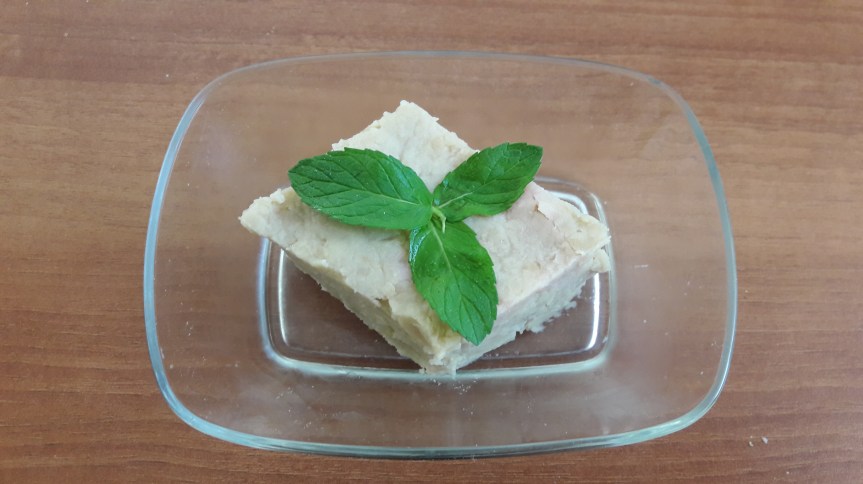
Knidos Cookery Club’s take on fava served with mint

Our variation on the Turkish fava theme turned out a bit less smooth than the one served up in Turkish cafes but it still tasted great! Having cooked up the beans into a mush, we went for a swim while it cooled down. Apparently, it should have been pushed through a sieve while still warm, but no worries – it turned out all right on the night albeit a bit lumpier than expected!

20171005_114611
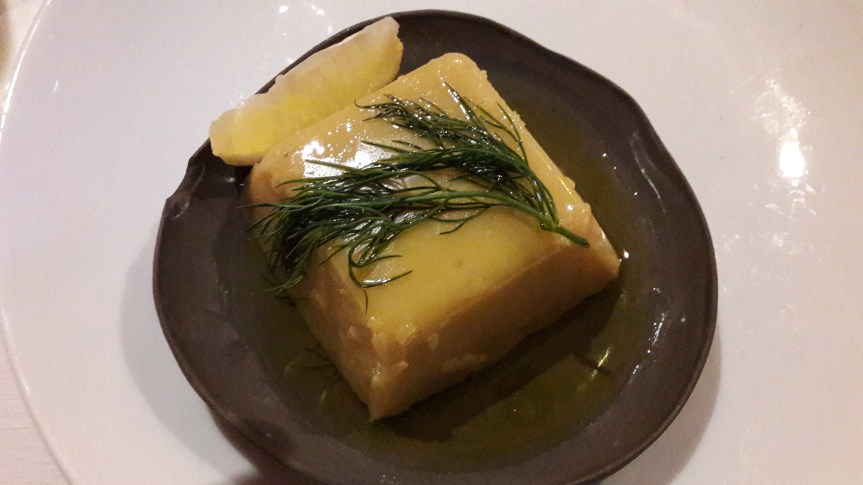
Fava served with … dill in a restaurant in Akyaka, Turkey’s slow food capital

In Turkey fava comes adorned with sprigs of dill (some recipes even put dill in the bean mix itself). Knidos Cookery Club is not a big fan of dill, so we’ve used some fresh mint leaves to adorn our take on this Turkish classic.

Ingredients (makes around 8-10 individual servings)

200 g dried broad beans (soaked overnight in cold water)

One small red onion

400 ml water

One teaspoon honey

25 ml olive oil

Pinch of salt

Mint leaves to garnish

Method

Put the drained beans into a heavy-based pan with the finely chopped onion, olive oil, honey and salt and pour the water over the top. Bring to the boil and simmer over a low heat for an hour or so until all the water is absorbed and the beans are breaking up to form a thick paste.

Allow the mix to cool and while still warm press through a metal sieve with a wooden spoon to remove any excess liquid. Oil a glass serving dish and pile the bean mix into the dish. Cover with clingfilm (clear plastic wrap) and leave overnight in the fridge.

Serve in cubes or diamond shapes, cutting the solid mass with a wet knife (to avoid it sticking). Garnish with mint leaves and a drizzle of lemon juice and olive oil and serve with crusty bread as part of a meze platter.


Spice it up with Sumac!

21 September 2017

This time round on Knidos Cookery Club we’ll be looking at a spice called sumac that is ubiquitous in Turkish cooking. Sumac comes from the flowering plants of the genus Rhus and its powdered purple-reddish berries give a tart but tangy boost to everything from soups and dips to grilled vegetables and kebabs. It also gives a rich dark burgundy hue to the dishes it flavours.

20170919_133053
Sumac

We’ve decided to use it in acili ezme, a fiery tomato, onion and pepper dip that is delicious eaten on it’s own with bread,  used as a sauce to accompany dishes such as pide, Turkey’s take on pizza, as part of a meze plate with our carrot and walnut tarator and our  creamy almond and courgette dip or with mücver, Turkey’s courgette fritter.

20170919_133855.jpg
A fearsome acili ezme

The secret to a successful acili ezme is to chop the ingredients as finely as you can with the sharpest knife you have and to chill it for a few hours before serving so the flavours have a chance to blend.

We’ve added red chilli flakes and sumac to give it a kick and used mint and parsley to balance out the flavours. If you like your dips hot, then use green chillies in place of green peppers in this recipe.

Ingredients (serves 3-4)

One medium-sized onion

Three medium-sized plum tomatoes

One medium-sized green pepper

One garlic clove

One bunch of parsley

One teaspoon dried mint

Three teaspoons red chilli flakes

Two teaspoons sumac

One teaspoon flavoured vinegar (such as apple or fig)

Three teaspoons pomegranate sauce

Method

Peel the tomatoes and de-seed (to peel: plunge the tomatoes into boiling water for 30 seconds then place in cold water – the skin should now come off easily). Chop the tomatoes, green pepper, onion, garlic and parsley as finely as you can.

Put all the ingredients into a bowl, add the herbs and spices, vinegar and pomegranate sauce and mix well. Leave to chill in the fridge for at least two hours before serving with flat bread.

The Mücver Variations

29 June 2017

This time round on Knidos Cookery Club we’re revisiting an old favourite – mücver, Turkey’s tasty courgette fritter.

20170531_132309
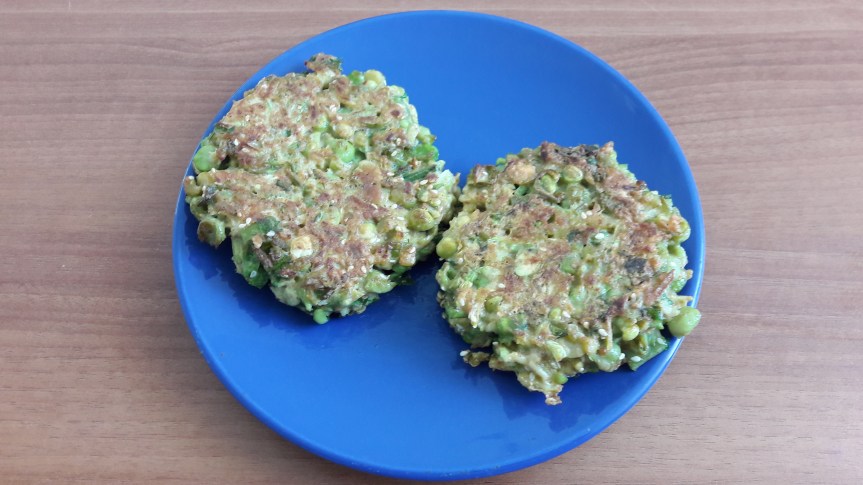
Could this be called a pea fritter?

The mücver usually served up in Turkish eateries are made from grated courgettes, so we’ve decided to spice up this old favourite by adding some other ingredients. Why not try them with fresh peas or grated carrot? Mushrooms work well, as do green beans.

20170609_133418
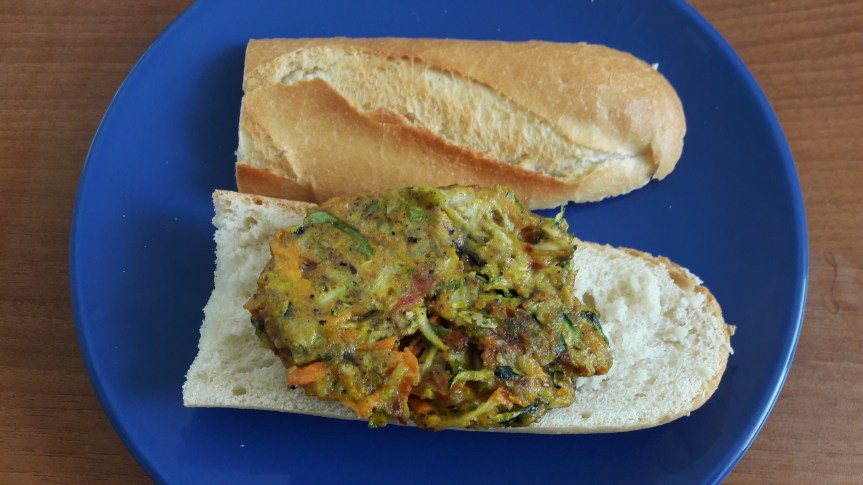
Putting some carrots in the mix

You can even add all these ingredients to the basic mix, chuck in a few chopped almonds or walnuts and, hey presto, you have a chunky veggie nut burger!

Serve the fritters in a pita, on a baguette, in a burger bun, rolled up in flat lavaş bread or just plain with a salad and condiments of your choice.

Ingredients (for around 8 fritters)

Two medium-sized courgettes

One small onion

One egg (or 15 ml of olive oil for vegan version)

Choose one or more from: 100 g chopped mushroom / grated carrot / peas (fresh if you have them, otherwise frozen or tinned) / sliced green beans (use 50 g of each if using more ingredients)

50 g of plain flour

Bunch of parsley, mint and/or dill (if you like that sort of thing)

Dried herbs to taste

A generous sprinkle of sesame seeds

An  optional dusting of chili flakes and grated cinnamon

Salt and pepper

A dash of olive oil for frying

Plain yogurt for serving

Method

Grate or chop up the courgettes and the extra of your choice (mushroom, carrot  peas, green beans or even all three) finely and mix with the chopped onion. Add fresh parsley, mint and/or dill, dried herbs, chili flakes, cinnamon, sesame seeds salt and pepper and blend well.

Make a well in the centre of the mix and break the egg into it. Sprinkle in the crumbled white cheese. Mix well. (Vegan readers should skip the egg and add 25 ml of olive oil instead)

Gradually add the plain flour and blend  until the mixture has quite a thick consistency – you don’t want it to be too wet and sloppy.

Drizzle some olive oil in a frying pan and put over a medium heat.

Place golf ball-sized scoops of the courgette mixture into the pan and flatten with a spatula or fork.

After a few minutes turn the fritter. Keep cooking until both sided are a golden-brown colour.

Serve hot with a dollop of yogurt on top.

Barbunya Bean Therapy

22 June 2017

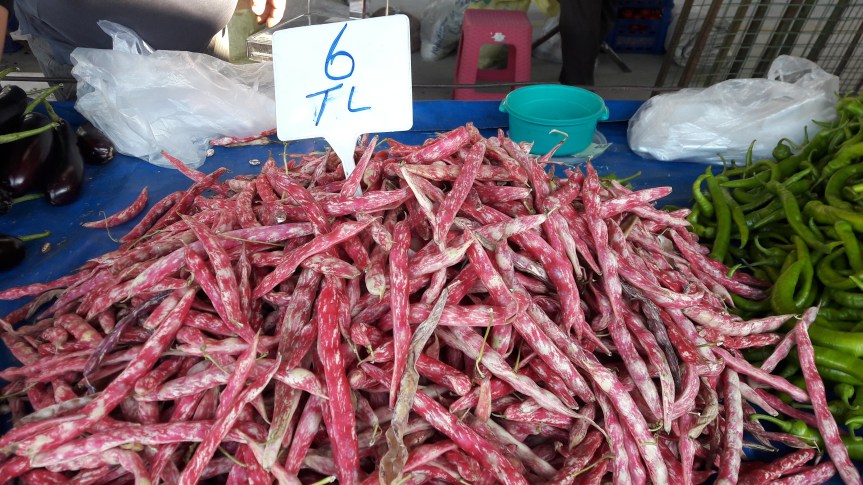
Last week in Datça market piles of psychedelic pink-podded barbunya beans arrayed against their green-podded cousins caught our eye. In Turkey these distinctive beans, also known as borlotti or cranberry beans, are made into a starter called barbunya pilaki, which is always high on our list when ordering a spread of mezeler.

20170616_183758
Psychedelic pink barbunya beans piled high in Datça market

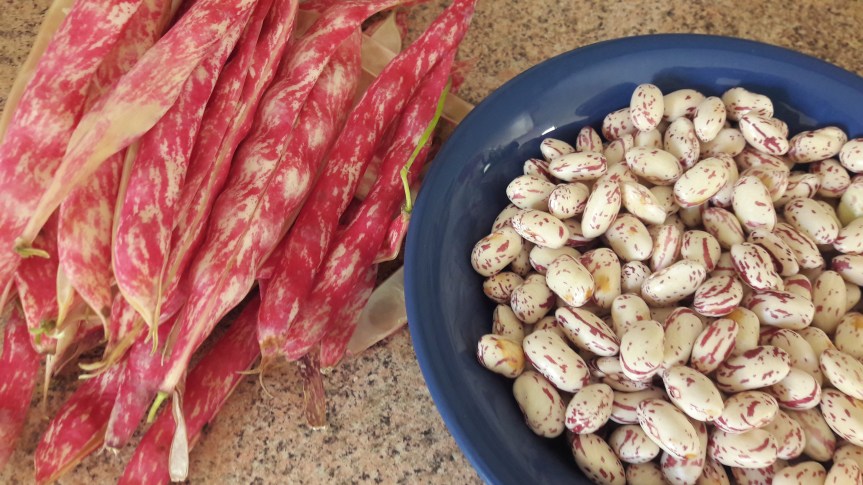
There’s something very therapeutic about podding these beans, like a beanish mindfulness moment!  Our kilo of beans in their pods yielded around 600 g of pink-marbled white beans.

20170616_194034
Bean therapy!

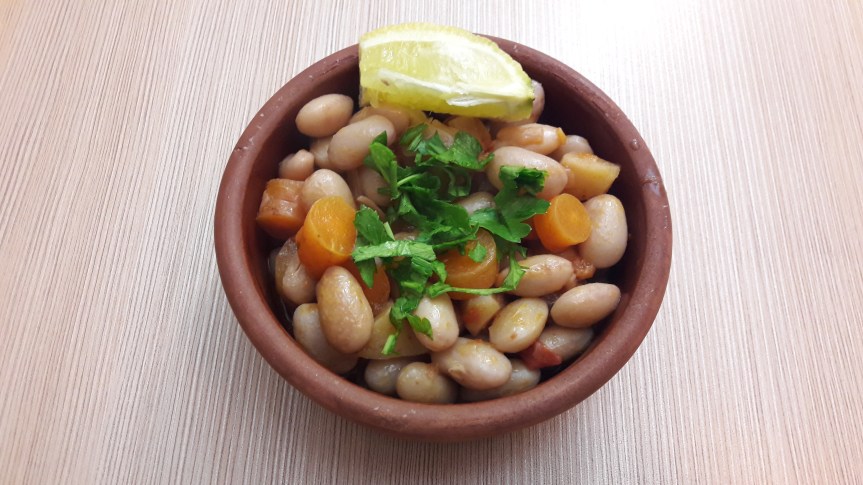
When cooked and allowed to cool, the pink colour leaches out and the beans take on a delicate brown hue. They’re delicious stewed with olive oil, onion, carrot, potato and lemon juice, served with a sprinkling of fresh parsley and a chunk of lemon. Some recipes omit the potato, but we think this gives the dish more oomph and means you don’t need to cook up any additional carbs.

20170616_220421
Barbunya pilaki all ready to go

They can be served hot as a less sugary take on baked beans, or served cold as part of the aforementioned selection of starters – Knidos Cookery Club recommends its carrot and walnut tarator, creamy almond and courgette dip, peppery muhammara and stuffed courgette flowers for a scrumptious feast of Turkish mezeler.

Ingredients (for 4-6 servings)

600 g shelled barbunya beans (or dried borlotti beans soaked overnight)

1 onion (around 100 g)

100 g carrot

100 g potato

100 g tomato

1 garlic clove

1 lemon

1 teaspoon honey

1 teaspoon red chili flakes

Fresh parsley to garnish

50 g olive oil

400 ml hot water

Method

Heat the olive oil into a heavy-based pan, chop the onion and garlic finely and fry over a medium heat for five minutes or so. Add the chopped tomatoes, lower the heat and cook for another five minutes.

Dice the carrot and potato into small cubes and then add these along with the beans, the juice of half a lemon, the honey, chili flakes and hot water to the pan and bring to a boil. Simmer for 30-45 minutes, stirring occasionally, until the beans are cooked but not going mushy.

Serve hot or allow to cool and garnish with fresh parsley and lemon slices.

Moussaka Mania

8 June 2017

As the UK continues its downward plunge to become the latest contender for the mantle of Europe’s most basket case economy, we’re turning our attention to the current holder of that title, Greece, for culinary inspiration this week in the form of moussaka, a great comfort food. We’ll be needing lots of comfort in the coming months as the lucky winner of today’s UK election navigates a course through the choppy waters of Brexit.
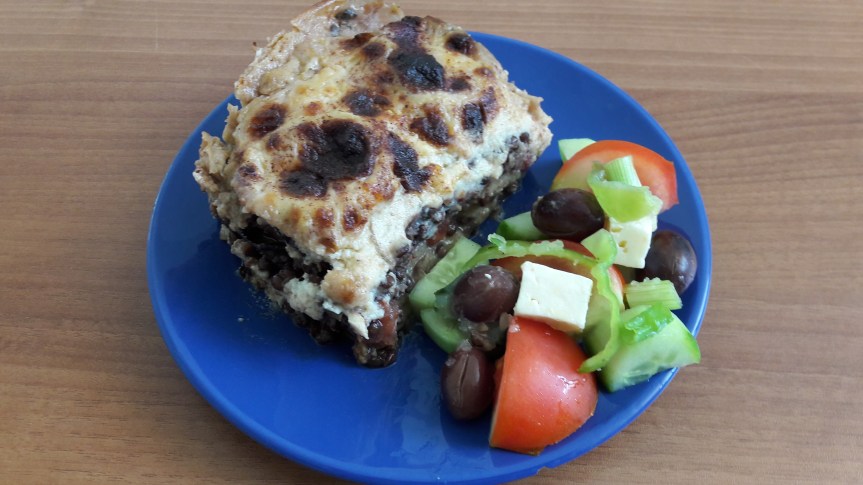
20170531_131610

Summer is here, and with Datça market overflowing with an array of fresh produce, Knidos Cookery Club is moving back to weekly posts for the foreseeable future. The aubergine is a vegetable that has had surprisingly little coverage in these pages, so it’s high time that was rectified.
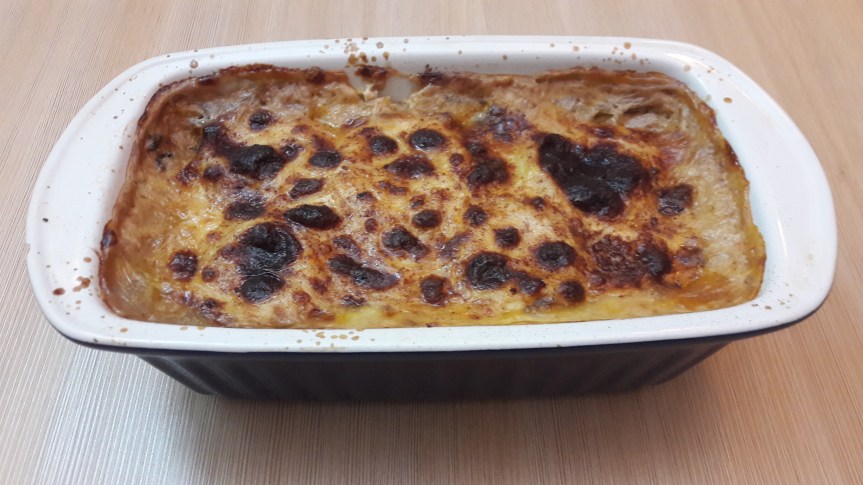
20170530_221006

Moussaka is a perennial Greek favourite that is great fresh from the oven or eaten cooled down, allowing the flavours some time to collide. It combines layers of fluffy  potato and silky aubergine covered with a tomato-rich ragù, all topped with a creamy white béchamel sauce.

We’ve used black lentils in place of minced lamb to make our veggie take on moussaka, although any lentils should work well in this dish. It pairs excellently with a classic Greek salad of tomato, cucumber, onion, green pepper, olives and white cheese.

Ingredients (for 3-4 servings)

300 g aubergines

300 g potatoes

250 g tomatoes

100 g black lentils (or any other lentil)

3 spring onions

1 garlic clove

400 ml vegetable stock

100 ml red wine

1 teaspoon of cinnamon

1 teaspoon of dried sage

1 bayleaf

Pinch of black pepper

Pinch of red chili flakes

50 ml olive oil

For the white sauce:

50 ml olive oil

50 g flour

500 ml milk

5 peppercorns

1 bayleaf

75 g cheese (feta or  any crumbly white cheese)

Method

Heat 20 ml of olive oil in a heavy-based pan, chop the spring onions and garlic clove and add to the pan. Cook for five minutes then add the washed lentils and stir. Add the stock, bring to the boil then simmer for 20 minutes or so until most of the liquid is absorbed.

Pre-heat the oven to 200 c / gas mark 6. Cut the potatoes into one cm slices and boil for five minutes in a pan of water. Drain immediately and allow to cool. While the potatoes are boiling, chop the aubergine into 1 cm slices. If you like, you can coat the aubergine slices with a little salt, leave to stand for 10 minutes and then rinse. This should make them less bitter and remove excess moisture.

Place the potato slices in an oven dish and coat with 15 ml olive oil and stir to coat thoroughly. Place the aubergine slices into a separate oven dish and pour 15 ml of olive oil over them. Put both the dishes into the oven and bake for 30-40 minutes or until the potatoes are a golden brown colour and the aubergine slices beginning to char.

Add the peeled, chopped tomatoes, 100 ml red wine, bayleaf, cinnamon, sage and pepper to the lentils and cook over a low heat for 45 minutes until the sauce has reduced by about half.

While this is cooking, make the white sauce. Heat the oil in a heavy-based pan and stir in the flour to make a roux of a runny consistency. Slowly stir in the milk and add the peppercorns and bayleaf, stirring constantly with a wooden spatula or spoon or a whisk over a low heat. When the sauce begins to thicken, add the grated cheese and continue stirring until the sauce sets.

Now it’s time to assemble the moussaka. Pour half the lentil ragù over the potatoes to coat, add a layer of aubergines and pour over the rest of the ragù. Place the remaining aubergine slices over this and then pour the white sauce over these.

Sprinkle with red chili flakes and place in the oven and bake at 180 c /gas mark 5 for an hour or so – the top should be going a nice spotted brown colour as in the photo above.

Allow to cool and serve with a classic Greek salad made from tomato, cucumber, onion, green pepper, olives and white cheese, liberally dressed with olive oil and thyme.
A Passion for Pkhali

20 April 2017

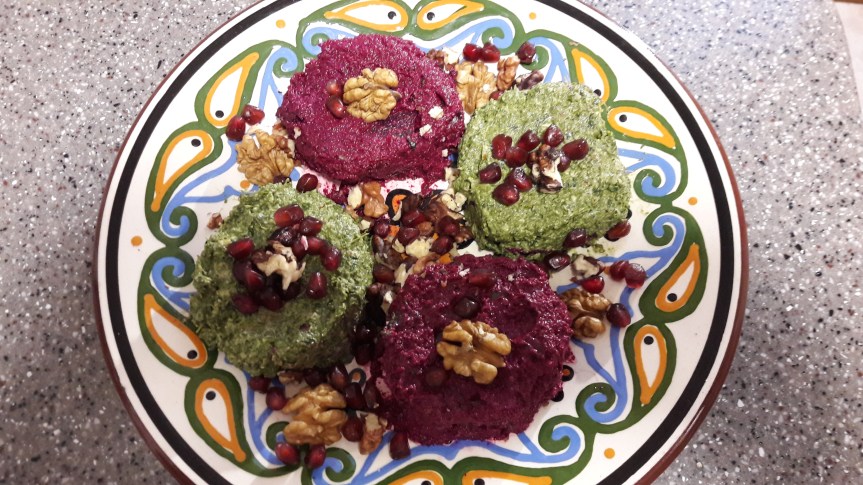
This time round on Knidos Cookery Club we’re returning to Georgia for some culinary inspiration in the form of pkhali, a type of starter made from walnuts, herbs, spices and whatever vegetable happens to be in season, such as spinach, beetroot, aubergine, cabbage or carrot.

20170415_200229

Walnuts are widely used in Georgian cooking – besides pkhali, they can be turned into  satsivi, a thick paste similar to hummus, and  bazhe, a sauce made with the holy trinity of Georgian herbs – blue fenugreek, ground coriander (cilantro) and crushed marigold flowers. These combos can be mixed with fresh cucumbers and tomatoes as a salad dressing or stuffed into tongues of fried aubergine (eggplant).

IMG-20170415-WA0000

Staying on the walnut theme, on a recent visit to the former home of famous Kazakh writer Mukhtar Auezov in Almaty, Kazakhstan, the guide gave me a handful of walnuts from the gnarled old tree in the garden of the writer’s house. These nuts were used in the making  of today’s pkhali recipe.

Auezov was famous in Soviet times for writing The Path of Abai, an epic historical novel based on the life and teachings of Kazakhstan’s most famous poet and composer Abai Qunanbayuli, who had been a neighbour and friend of Auezov’s grandfather.

It was said in the Soviet era that all were equal, but some were more equal than others – and this was certainly the case for Auezov after he won the Lenin Prize in 1959 for his four-volume epic novel about Abai.

The prize came with a sackful of roubles which he invested in a two-storey house, which is now a museum dedicated to his life and work. The house was lavish by the standards of the time and was designed by the architect who designed Almaty’s Abai Opera Theatre.

Ingredients (Makes around four generous servings of each pkhali – see photo above)

For the beetroot pkhali

  • 300 g cooked beetroot
  • 100 g walnuts
  • One garlic clove
  • 5 g fresh parsley
  • 5 g fresh coriander
  • One teaspoon blue fenugreek powder
  • One teaspoon black pepper
  • 20 ml wine vinegar
  • A scattering of pomegranate seeds and walnuts


For the spinach pkhali

  • 250 g fresh spinach
  • 100 g walnuts
  • One small onion (around 75 g)
  • One garlic clove
  • 5 g fresh parsley
  • 5 g fresh coriander
  • One teaspoon blue fenugreek powder
  • One teaspoon black pepper
  • 20 ml wine vinegar
  • A scattering of pomegranate seeds and walnuts


Method

  • For the beetroot pkhali:
  • Boil the beetroot for 30 minutes or so until you can pierce it with a knife easily.
  • Leave to cool and then peel and chop into small chunks.
  • Toast the walnuts over a low heat for 5-10 minutes and then add to the garlic and herbs and spices in a bowl. Add the vinegar and use a blender to make a smooth paste. Add the beetroot chunks and keep blending until you have a gloopy mixture.
  • Leave overnight in the fridge and then serve with a scattering of pomegranate seeds and walnuts.

Method

  • For the spinach pkhali:
  • Cook the spinach in boiling water for 5 minutes until it begins to wilt. Remove and place in cold water and then drain.
  • Finely chop the onion and put it in a mixing bowl with the garlic, herbs and spices. Toast the walnuts over a low heat for 5-10 minutes and then add to the bowl. Add the vinegar and use a blender to make a smooth paste. Add the spinach and keep blending until you have a gloopy mixture.
  • Leave overnight in the fridge and then serve with a scattering of pomegranate seeds and walnuts.


Cutting Edge Noodles

1 December 2016

This week on Knidos Cookery Club we’re looking to Central Asia for inspiration in the form of the noodle, which, Marco Polo legends aside, is thought by some to have originated in this part of the world.

While the question of who first came up with the idea of combining wheat flour, water, egg and salt to make pasta is still being debated, one thing is certain – the dish (most likely) came from somewhere in Asia!

img_2375
Noodles from Kazakhstan – where they’re called kespe

The noodle probably came into Turkey with the nomadic tribes who swept across the Eurasian steppe, located between China and Eastern Europe, in the wake the Mongol invasions of Anatolia from the 13th century onwards. Pasta dishes in Turkey include manti, small meat-filled dumplings and erişte, thin strips of pasta dressed with cream and walnuts or added to soups and stews to add body.

img_2380
Chick pea, pumpkin and noodle soup

Another name for erişte is kesme  – this caused some confusion when researching this article as kesme can be a negative (do not cut) or the ‘-me‘ ending can turn the word into a noun – in this case it’s the latter as the name refers to a large sheet of pasta cut into strips. Erişte, by the way, is from the Persian reshteh, which means string or thread.

We’ve decided to stick with the Persian vibe – a popular dish in Iran is ash reshteh, a vegetable and noodle soup, and make a version of this hearty soup cum stew with chickpeas, pumpkin, tomato and noodle strips.

Ingredients (serves 3-4)

For the noodles: 

If you have time and want to make your own  noodles, follow this link, otherwise use about 100 g of shop-bought dried egg noodles, broken up into 2 cm strips.

For the stew:

100 g egg noodles, broken into 2 cm strips

400 g pumpkin

200g dried chick peas, soaked overnight and cooked for an hour or so until tender but not mushy

25 ml olive oil

one medium-sized onion

three medium-sized tomatoes

500 ml vegetable stock or reserved cooking water form the chick peas

one clove of garlic

one teaspoon coriander seeds

one teaspoon red chili flakes

one teaspoon cumin seeds

salt and black pepper to taste

dollop of sour cream

Method

Cut the pumpkin into 2 cm chunks and roast in a baking dish in an oven pre-heated to  220 c /gas mark 7 for 30 minutes or so. If you have any seeds from the pumpkin, place these on tin foil and roast alongside the pumpkin until turning brown.

Chop up the onion and fry in the olive oil in a heavy-based pan with the garlic and spices on a medium heat until beginning to brown. Turn down the heat, add the chopped up tomatoes and stir.

Cook for five minutes and then add the chick peas and 200 ml of the stock. Bring to the boil and simmer for ten minutes. Add the roasted pumpkin and the rest of the stock and bring to the boil again. Add the broken-up noodles and cook for five minutes until the noodle pieces are cooked.

Serve in a bowl with a dollop of sour cream or yogurt and sprinkle some roasted pumpkin seeds over the top.