With autumn upon us once again, it’s time for pumpkin to make a return to the table. This versatile memeber of the squash family makes for perfect comfort food for the longer, chillier nights. KCC’s back catalogue features a number of pumpkin dishes – try this cousin of lasagne made with chickpeas and mixed greens and this roasted pumpkin with halloumi for starters.
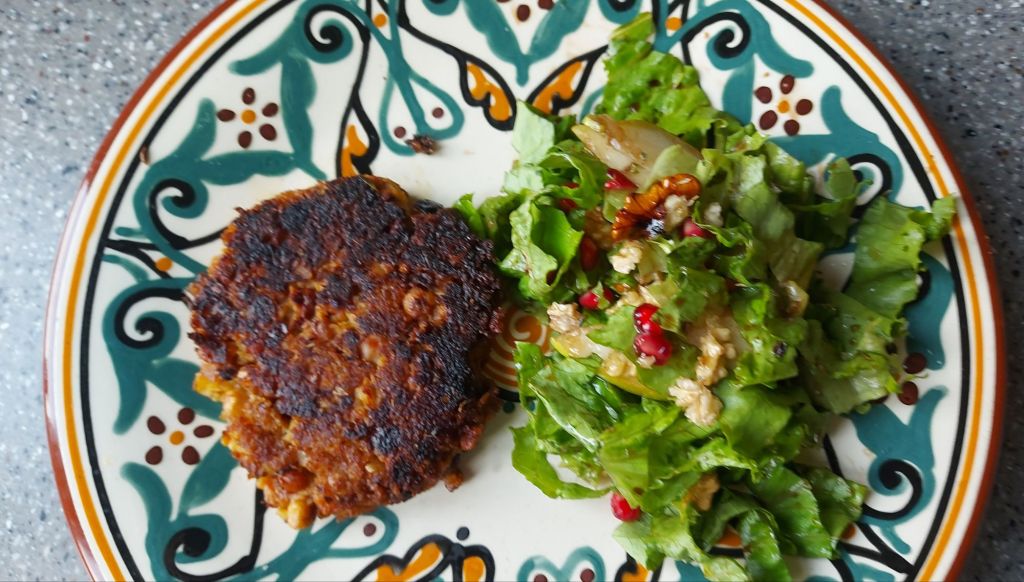
A nutty chickpea and pumpkin fritter served with a lettuce, pear, pomegranate and walnut salad
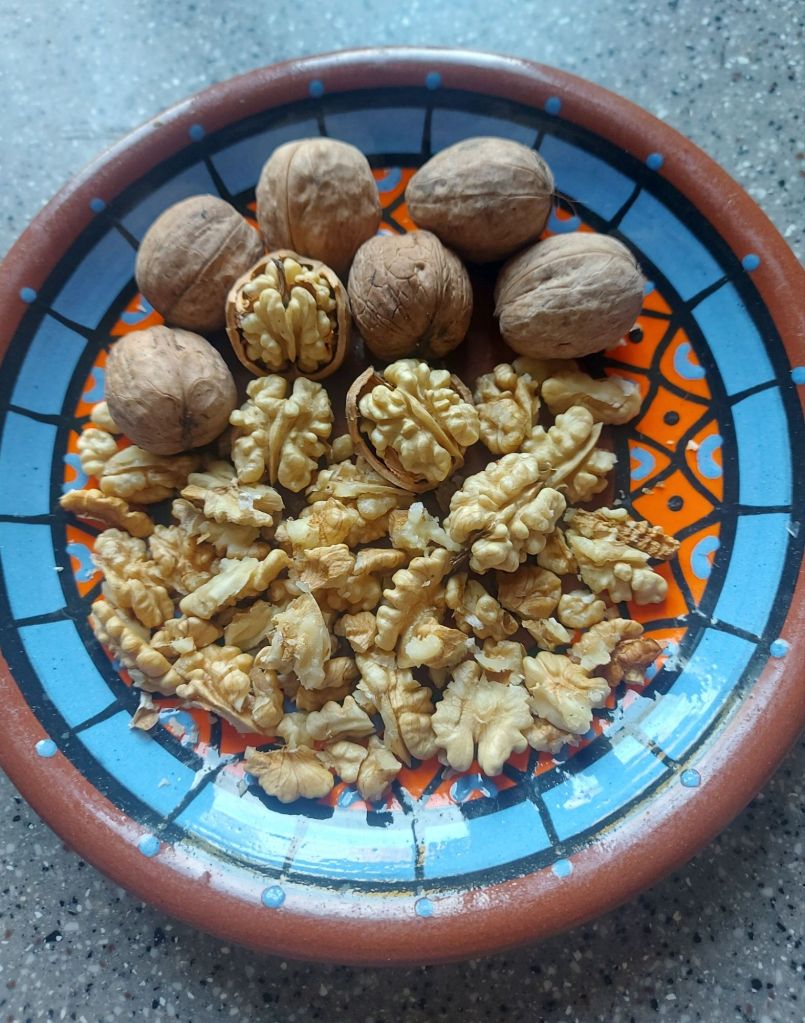
This time, we’re using the pumpkin in a fritter made with chickpeas and fine bulgur wheat. Recently, we recieved some walnuts from a friend of a friend’s dacha outside Almaty, here in Kazakhstan, which are ideal for adding a nutty edge to these chickpea and pumpkin fritters. We also added some walnuts to a fruity salad made with lettuce, pear and pomegranate seeds to accompany the fritters. Dress it with equal parts of balsamic vinegar and extra virgin olive oil.
This year’s walnuts fresh from the dacha in Almaty, Kazakhstan
Turkey meets India this time round on KCC as we cook Turkey’s beloved bulgur wheat in in Indian biryani style. Bulgur, parboiled, dried and cracked wheat, is a quick-cooking alternative to rice that works really when combined with spicy vegetables.
Bulgur biryani
Biryani belongs to the family of layered rice dishes that includes Uzbekistan’s plov and other pilafs. The name is from the Persian barian, which translates as ‘roasted’.
The dish was originally brought to the Indian sub-continent by travellers from Iran and has developed into a number of regional variations, with the Hyderabadi one, served with a yoghurty raitha, being the most famous.
As bulgur is parboiled, it cooks really quickly. It takes around 15 – 20 minutes to cook – the total prep time for this dish is less than an hour from start to finish and it is cooked in one-pan, so less washing up to worry about.
Ingredients (for two servings)
100g coarse bulgur
100g diced carrot
100 g courgette
150 g cooked chickpeas
25 g tomato paste
25 g pepper paste (we used tatli (sweet), if you want it hot, use acili)
20 ml olive oil
1 stick of celery (approx 25 g)
2 spring onions (approx 10 g)
1 green pepper (approx 30 g)
250 ml vegetable stock
1 cinnamon stick
1 teaspoon each of mustard seeds, cumin seeds, turmeric, fenugreek, chilli powder
25 g fresh coriander
Method
Heat the oil in a large frying pan and add the mustard seeds. When they start to pop, add the chopped spring onion and celery and cook for two minutes. Then add the chopped green pepper and diced carrot and cook for two more minutes. Add the courgettes and cook for another two minutes.
Add the spices and stir well and then add the cooked chick peas and the vegetable stock. Stir in the tomato and pepper paste, bring to a boil and then reduce the heat to a gentle simmer. Add the bulgur in a layer over the veggies. Put a lid on the pan and cook over a low heat for 15 – 20 minutes until all the liquid is absorbed.
Turn off the heat and allow the mix to rest for ten minutes or so. Stir well and then serve. Garnish with chopped coriander.
It’s that asparagus time of year once again. These tasty green spears are a harbinger of the warmer months of Spring and Summer – the first tips are ready for harvest shortly after the ground temperature hits 10°C.
Asparagus and chickpea pasta
Here in Almaty, Kazakhstan, locally-grown asparagus is currently having its moment in the sun, with many restaurants offering seasonal dishes featuring these flavour-packed spears of goodness.
Asparagus from Kazakhstan
Over the years, KCC has featured a number of asparagus dishes, such as a bulgur pilaf with asparagus (KCC’s first ever recipe), Mr Alan’s Top Tips, and in a stir-fry. This time round, after tracking down some locally-grown asparagus in Almaty, we’ve cooked it with chickpeas, capers, walnuts and tagliatelle:
Ingredients (for 2 servings)
150 g asparagus
175 g chickpeas
30 g walnuts
20 g capers
50 – 100 ml aquafaba (chickpea cooking liquid)
25 ml olive oil
150 g dried taglaitelle
One teaspoon fresh or dried rosemary
Method
To make the green sauce, blitz 50 g of chopped, raw asparagus in a blender with 75 g chickpeas, the chopped walnuts and capers and olive oil. Keep adding aquafaba slowly until the sauce had a creamy consistency,
Cook the pasta according to the packet instructions in a pan of boiling, salty water. Slice the remaining asparagus into 3 mm slices and cook with the pasta for the last five minutes. While the pasta is cooking, add the remaining chickpeas to the green sauce in a heavy-based pan, warm over a low heat and stir in the rosemary.
Drain the pasta and asparagus, reserving some of the cooking Waterloo to loosen the sauce, if needed, and add to the green sauce and chickpeas, combine well and serve.
Hummus is one of those dips that we come back to time after time here on KCC. Beyond the classic basic dip of chickpeas, tahini, garlic, lemon juice and olive oil, the possibilities are endless. Our latest version is inspired by a recent trip to Myrtos, Crete where we tasted a beetroot-driven hummus at the excellent O Platanos restaurant.
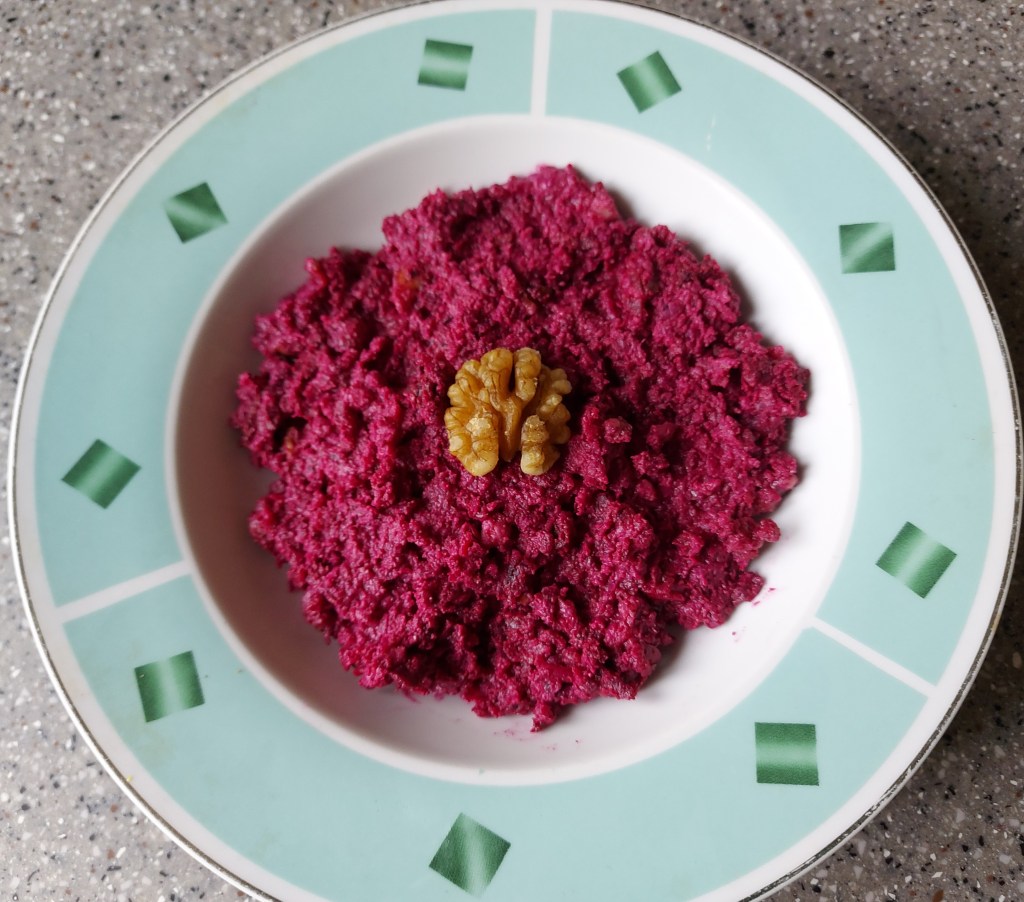
In the past, we’ve made a turmeric-infused hummus and one from red beans, now here’s our latest variation. Beetroot is one of our favourite root vegetables, and it’s really good for you to boot. Taking some tips from Georgia, where a similar dip called pkhali is a regular feature on the dinner table, we’ve added some walnuts to give this hummus an extra protein boost.
Ingredients
125 g baked beetroot – grated
125 g crushed chickpeas
50 g tahini – mixed with up to 50 ml of hot water
25 g toasted walnuts
One garlic clove
100 ml aquafaba (chickpea water)
a few dashes of olive oil
Two teaspoons of sumac
pinches of ground cumin and coriander
Method
Grate the beetroot and then put in a large bowl and crush with a fork (you can also put it in the blender, if you have one). Add the mashed up chickpeas and stir well. Combine the tahini with hot water until you have a creamy paste and then add to the mix.
Add the crushed, toasted walnuts, finely chopped garlic and sumac (this replaces lemon juice to give the hummus a citrusy kick without the acid) and stir together. Add some aquafaba and some splashes of olive oil and blend until the dip achieves your favoured consistency. Season with cumin and coriander and serve with warm pita bread.
If you’re a purist who believes that fruits have no business being in salads, then this is not the place for you. At KCC we have no such qualms about mixing vegetables and fruits. In the past we’ve featured a salad with raspberries, one with grilled peaches and another with watermelon, to name a few. As long as something salty, like feta or halloumi cheese, is included to counterbalance the sweetness, then adding fruit to to your salad is fine in our book.
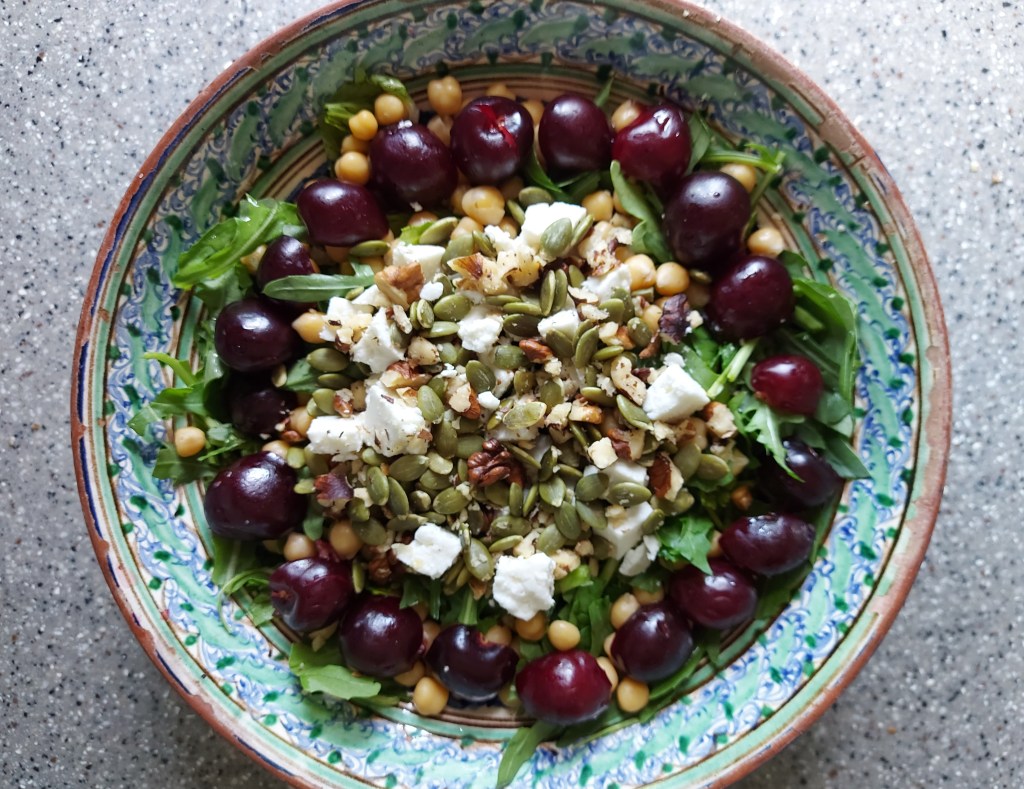
A rocket-fuelled cherry, chickpea, feta and walnut salad
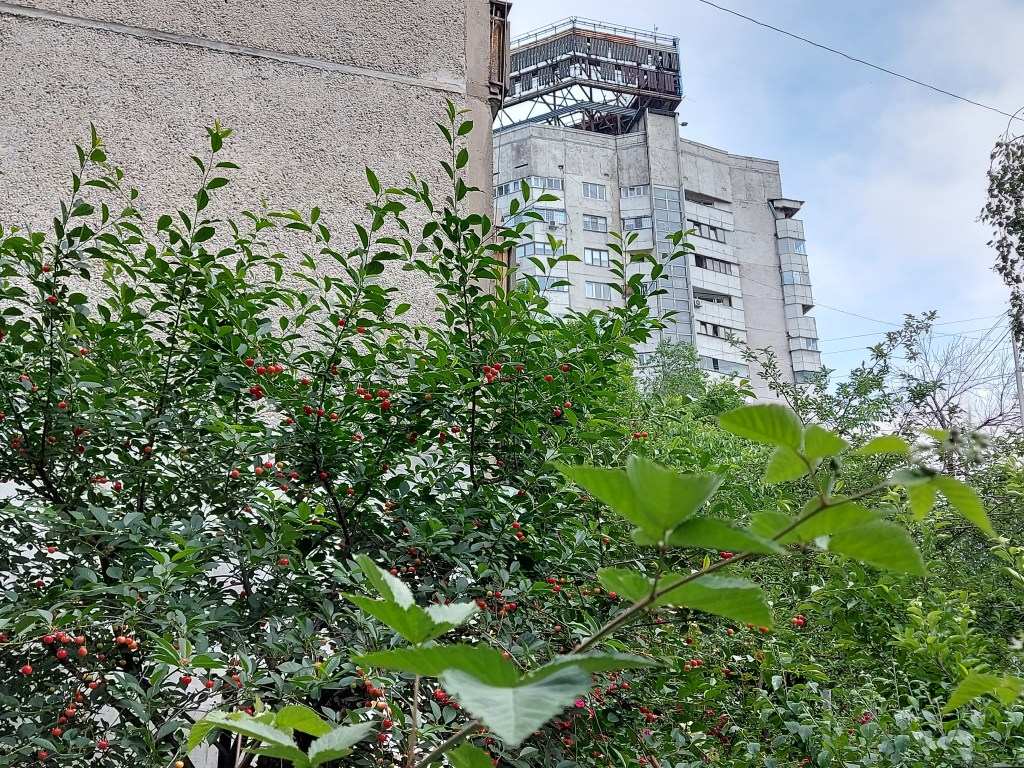
Cherries are at their peak at this time of the year. Whatever variety you can get your hands on – sweet or sour, both work fine in this salad. Prepare a bed of rocket and celery, top with chickpeas, pumpkin seeds, walnuts and feta, arrange the cherries around the edge and dress with pomegranate sauce and olive oil to make a balanced meeting of sweet and sour in this early summer special.
This time round on KCC we’re going for a chickpea, aka chana, chilli that includes a slab of dark chocolate to balance out the acidity of the tomato sauce – a combination that works surprisingly well.
Chocolate chilli chana
We first came across the dark chocolate infused mole sauce many years ago in a Mexican restaurant in Barcelona. It’s been on the list of things to cook for a while and having received a selection of Green and Black’s chocolate that included an 85% cocoa bean bar there were no longer any excuses not to try it out.
We served our chickpea chilli with some pearl barley – it’s also good with brown rice, couscous, bulgur wheat or some flatbread to mop up the chocolate rich sauce. We also recommend washing it down with a margarita or two.
Ingredients (makes 3-4 servings)
300 g chickpeas (cooked)
150 g carrot
150 g onion
50 g red lentils
250 g tomatoes
20 g dark chocolate
25 ml olive oil
150 ml aquafaba (chick pea cooking water)
1 teaspoon cumin seeds
1 teaspoon coriander seeds
1 teaspoon paprika (smoked if you can get it)
1 teaspoon chilli powder (or chilli flakes)
2 cm cinnamon stick
5 cloves
1 bunch fresh coriander
Method (Cooking time approx 45 minutes)
Heat the olive oil in a heavy-based pan and add the cumin seeds. When the seeds start to pop add the diced onion. Stir fry for five minutes over a medium heat and then add the diced carrots. Cook for five more minutes and then reduce to a low heat. Add the chopped tomatoes and cook for another five minutes.
Add the aquafaba, ground coriander seeds, cinnamon, cloves, paprika and chilli powder and stir well. When the mix starts to bubble, stir in the red lentils. Simmer the mixture and after 15 minutes add the cooked chick peas. Cook for another 10 minutes over a low heat and then add the dark chocolate.
Serve with pearl barley or a grain of your choice and garnish the Chocolate Chilli Chana with fresh coriander. Take a slug of margarita and enjoy!
The anniversaries are coming thick and fast here at Knidos Cookery Club and to celebrate our 150th post we’re bringing you a hassle-free recipe for pakora, a spicy fritter from the Indian subcontinent, that can be prepared in under 30 minutes.
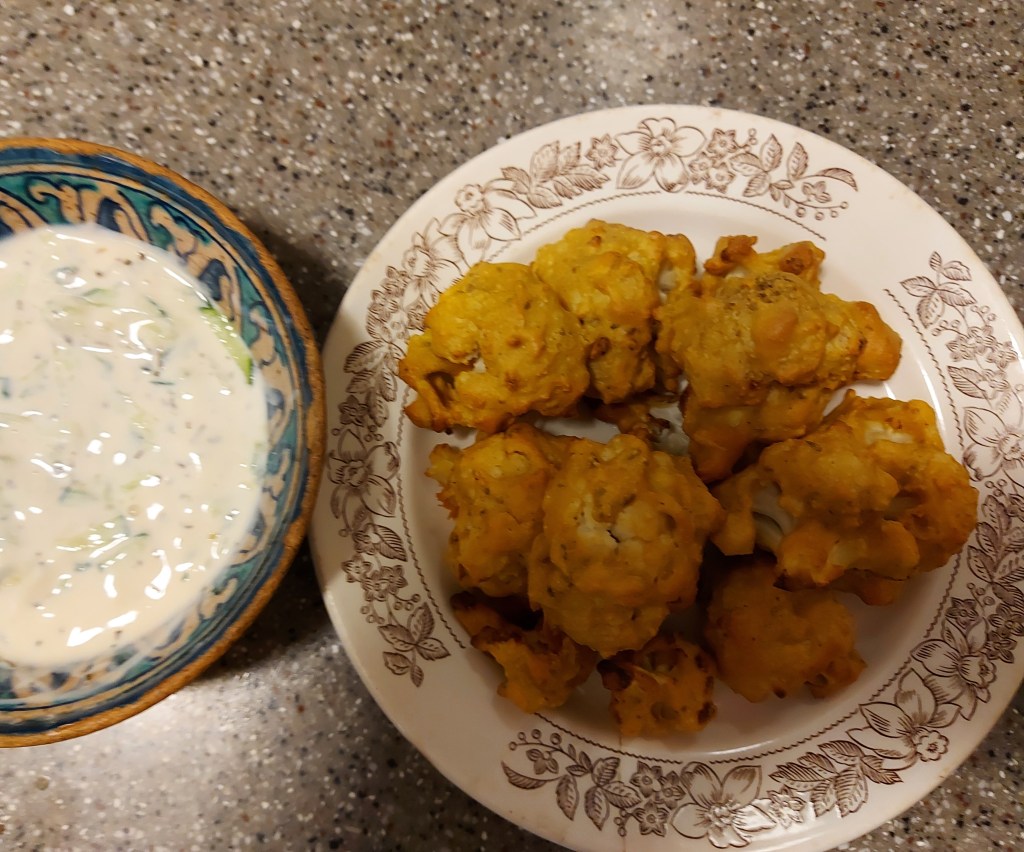
Cauliflower pakora meets cucumber raita
Pakora are a great snack that you can eat at any time of the day and are easy to make – just coat vegetable or paneer cheese slices with a spiced chickpea flour batter and then deep-fry them. For a more user friendly and healthier take on this street food classic, you can bake them in the oven as we did with this batch.
We’ve used cauliflower to make pakora this time round, but you can use onion, carrot, potato, peppers, mushrooms or combinations of more or less any vegetable you have handy. Paneer cheese (or halloumi) also works well with this versatile batter. We like to serve the pakora straight from the oven with a yogurt-based cucumber raita to dip them into.
Ingredients (makes enough for 3-4 people)
100 g chickpea flour (also known as gram or besan)
100 ml water
250 g cauliflower broken into florets
One teaspoon each of: chia seeds, cumin seeds, turmeric, ginger, chilli powder, black pepper
Method
Heat the oven to 200 c. Put the chickpea flour in a large bowl and add the seeds and spices. Slowly add the water and mix to form a batter that is neither too dry nor too runny. Stir in the cauliflower florets and coat thoroughly.
Place the individual florets on a baking tray and cook in the top half of the oven for 20 minutes or so – keep an eye on them and if they start to char a bit then they are ready.
Serve them straight away with a raita sauce made from yogurt, cucumber and mint.
Today we’re celebrating KCC’s 5th anniversary with a hearty plate of laghman, hand-pulled wheat noodles, one of Central Asia’s favourite dishes. These thick, chewy noodles are often served with a rich, spicy sauce but we decided to make a drier version with spring greens and chickpeas.
KCC’s Leafy Green Laghman
We can’t believe that it’s been five years since we started our culinary journey in Datça, Turkey. KCC’s first recipe was this asparagus risotto, inspired by the fresh produce on sale in the town’s weekly market.
Over the last five years, we’ve branched out from Turkey and sought out dishes from around the globe with gastronomic excursions to Greece, Georgia, Russia, Albania, Italy, India, Sri Lanka, Central Asia and Mexico among others.
Since the start of the pandemic KCC has been confined to Almaty, Kazakhstan, so we’ve been trying out new recipes based on locally sourced ingredients which brought us to laghman.
When it came to making this dish we cheated a bit – Gulzada, our local greengrocer, now offers home made noodles along with whatever fruit and vegetables are in season.
If your local grocer doesn’t stock noodles and you have the time to pull your own noodles, then check out this recipe to make the key ingredient for your laghman.
Ingredients (for 3-4 servings)
150 g noodles per person
200 g mixed greens – we used cauliflower and radish leaves but you can use anything you have handy
200 g leek
50 g garlic chives (jusai)
50 g celery
350 g cooked chickpeas
100 ml chickpea cooking water (aquafaba)
One teaspoon cumin seeds
One teaspoon red chilli flakes
50 ml olive oil
Method
Heat the olive oil in a heavy-based pan and add the cumin seeds. Wash the leek thoroughly and then chop in half lengthways and then cut into 1 cm slices. Use as much of the leek as you can including the leafy green bits. When the cumin seeds begin to pop, reduce the heat to a low setting and add the leek to the pan and stir fry for five minutes.
Add the red chilli flakes, celery, garlic chives and chopped radish and cauliflower leaves to the leek and cook until the the leaves start to wilt. Stir in the chickpeas and the aquafaba and cook until most of the liquid is absorbed and you have a fairly thick sauce.
Bring a large pan of water to the boil. Put the noodles in the pan and leave for 2-3 minutes to warm them through. Arrange on a plate and pour the sauce on top and serve.
March is always an unpredictable month in Almaty. One day the temperature dips below freezing and snow falls. The next day brings bright sunshine and blue skies carrying a promise of the warmer days to come. Then on the next day a leaden sky gives the city a gloomy aspect as the rain pours down.
Zesty, lemony chickpea pasta
With the days settling into a grey, rainy pattern, something light and zesty is called for – such as the simple pasta dish made with chickpeas and lemons we ate back in 2015 when KCC visited Maiori on Italy’s Amalfi coast for a spring break. What a different world it was then – no COVID-19, no Brexit and travel was easy.
Back in 2021 in Almaty the choice of vegetables is gradually expanding with spring onions and jusai, a cross between a spring onion and garlicky chives, making a welcome seasonal reappearance, which along with that magic ingredient, the lemon, can give a lift to any dish. This light pasta dish is perfect for focusing our thoughts on the brighter days ahead. We added some capers, chilli and ginger to spice it up a bit and fast forward our taste buds into spring.
Ingredients (serves 4)
300 g dried pasta of your choice
300 g cooked chickpeas (reserve 100 ml cooking water)
50 g garlic chives (jusai)
Four spring onions
20 capers
1 cm cube of grated fresh ginger
Two teaspoons chilli flakes
One lemon
25 ml olive oil
Method
Cook the pasta according to the pack instructions. While it’s cooking, combine the olive oil, chickpeas, capers and the cooking water in a heavy-based pan and heat gently until it starts to boil. Add the grated ginger, the zest and juice of the lemon and the chilli flakes and stir well. Finely dice the jusai and spring onions and add to the chickpea mix. Turn off the heat, drain the pasta and combine it with the chickpea sauce and serve.
It’s time for a bit more armchair culinary tourism and we’re off to Genoa in northern Italy, birthplace of the farinata, a chickpea flour pancake that is a popular snack along the coast of the Ligurian Sea, where it’s known as fainâ, and down into France’s Côte d’Azur, where it’s known as socca.
Farinata with Saag Aloo Gobi
With Diwali, the Festival of Lights celebrated by Hindus, coming up on 14 November this year, we decided to mark the occasion by topping our chickpea pancake with a dry, spicy Indian inspired combination of spinach, potato and roasted cauliflower.
Prepare the farinata batter
Pancake puffing up
Toss it over to finish it off
Serve with the topping of your choice
These chickpea pancakes are usually baked in the oven but we didn’t have a suitable baking dish so we tracked down a recipe at Electric Blue Food for a pan–fried version. We replaced the water with aquafaba – the leftover liquid from cooking beans – to give the pancake a bit more oomph. This pancake proved really easy to cook compared with traditional ones made from flour, milk and eggs.
Farinata is often eaten plain with just a sprinkling of black pepper and rosemary, but it can also be served with other, more substantial, toppings. The taste of this chickpea pancake reminded us of a thicker version of southern India’s dosa, a much missed treat since the start of the pandemic. So we decided to top it with spicy vegetables to attempt an approximation of our favourite pancake.
Ingredients (serves 4)
For the farinata:
200 g chickpea flour
100 ml olive oil
300 ml aquafaba
For the Saag Aloo Gobi topping:
250 g spinach
250 g cauliflower
250 g potato
One onion
One teaspoon cumin seeds
One teaspoon coriander seeds
One teaspoon chilli powder
One teaspoon cinnamon
One teaspoon turmeric
50 ml olive oil
Method
For the farinata:
Use a wooden spoon to mix the chickpea flour with the oil in a large bowl and then slowly add the aquafaba and switch to a hand whisk and blend until smooth (you can use a blender or a stick blender for this).
Leave to stand for 30 minutes. Heat a few drops of oil in a large frying pan (around 30 cm in diameter) and then pour in a quarter of the pancake batter. Swirl it around to distribute the batter evenly.
The pancake will start to puff up – when this happens, slide a spatula underneath and turn it over and cook on the other side until it slides off the pan easily. Put on a plate and keep in a pre-heated oven (100 c) until ready to serve.
For the Saag Aloo Gobi:
Break the cauliflower into florets, drizzle with olive oil and bake in the oven at 180 c for 30 minutes or until they start to char slightly.
Slice the potatoes into four or eight pieces depending on how big they are. Put in boiling, salted water and cook for five minutes. Drain and put in cold water.
Heat the oil in a heavy based pan and then add the cumin seeds. When they start to sizzle, add the chopped onion. Add the rest of the spices and stir well. After five minutes or so, add the potato and stir fry for five minutes.
Now put the chopped spinach on top of the potatoes and add a few of teaspoons water. Cook until the spinach begins to wilt. Stir in the baked cauliflower and serve immediately on top of a farinata.





 Knidos Cookery Club