Almaty Apple Spritz: A Cocktail for the (Old) New Year

11 January 2024

We’re almost two weeks into 2024, but in some parts of the world the new year is marked according to the Julian calendar rather than the Gregorian, which means that Old New Year’s Eve is celebrated on 13 January. This date is still marked in many parts of Eastern Europe. It’s also celebrated in parts of Wales, where it’s called Hen Galan (old new year), and some parts of Scotland, on 12 January .

Cheers, and Happy Old New Year, with an Almaty Apple Spritz!

Here at KCC, we regard old new year as the end of the holiday season, allowing a few weeks of respite before Chinese New Year! To mark the occasion, this cocktail combines cloudy apple juice with a cinnamon-infused cold brew. To see off the old year with a kick, add some shots of vodka to this apple spritz.

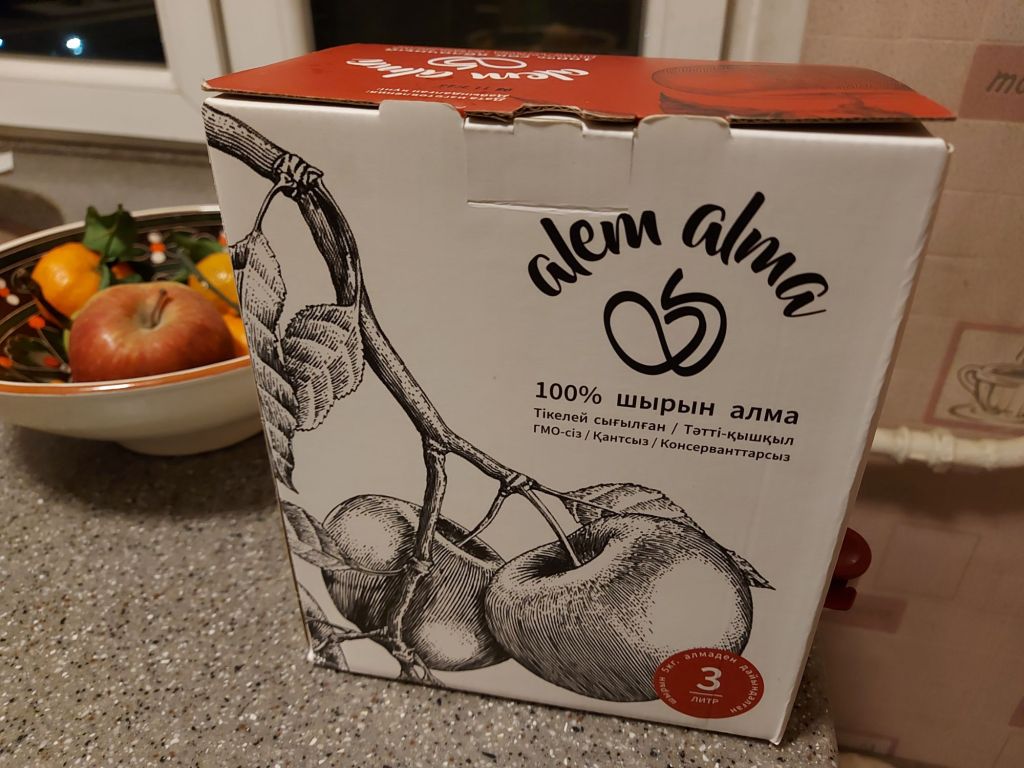
Any apple juice can be used – we used a local one from Almaty, Kazakhstan that’s free from extra sugar and other additives and is naturally cloudy. Almaty, whose name translates as “place of apples”, is where the antecedents of today’s apples evolved.
Apples are from Almaty!

To make the cold brew, add a cinnamon stick, or a teaspoon of powdered cinnamon, five cloves, two teaspoons of fresh ginger and a pinch of nutmeg to a litre of cold water. Shake well and leave overnight in the fridge.

For one serving of the the Almaty Apple Spritz, put some ice cubes into a tall glass, pour in 25 ml of any vodka of your choice (or 50 ml if you want to get a jag on, if you’re doing dry January, just omit the vodka!). Add 75 ml of the cinnamon cold brew, 50 ml of apple juice and top up with fizzy water, garnish with a slice of apple and stir before drinking.

This cocktail also works well warmed up (you don’t need the ice or fizzy water).The spices and apple juice evoke a cosy mulled cider vibe. Simply heat until it’s just about to boil and serve asap. A recommended food pairing is with KCC’s coleslaw variation or a traditional new year Olivier salad.

Spicy Spinach and Pumpkin Fritters

30 November 2023

With Halloween and Thanksgiving, the two times in the year when pumpkins take centre stage, now behind us, we’ve got a simple idea to use up any leftover pumpkin you may have with this quick and easy spinach and pumpkin fritter recipe.

Spicy Spinach and Pumpkin Fritters

These fritters are totally vegan – there’s no need to add an egg to bind them together as chickpea flour and rolled oats do a great job of soaking up any extra moisture from the spinach and pumpkin and help the fritters hold their shape. They can be shallow fried on both sides in a little oil or baked in the oven for 30 minutes at 180 c. These spicy fritters taste good served with a side salad and chips or in a burger bun or pita with your choice of toppings.

Ingredients (Makes 6-8 fritters)

  • 175 g grated pumpkin
  • 50 g chopped spinach
  • 50 g chickpea flour
  • 25 g rolled oats
  • One teaspoon each of cumin seeds, coriander seeds, oregano, sumac and turmeric.
  • Half a teaspoon cinnamon
  • 25 ml oil for frying

Method

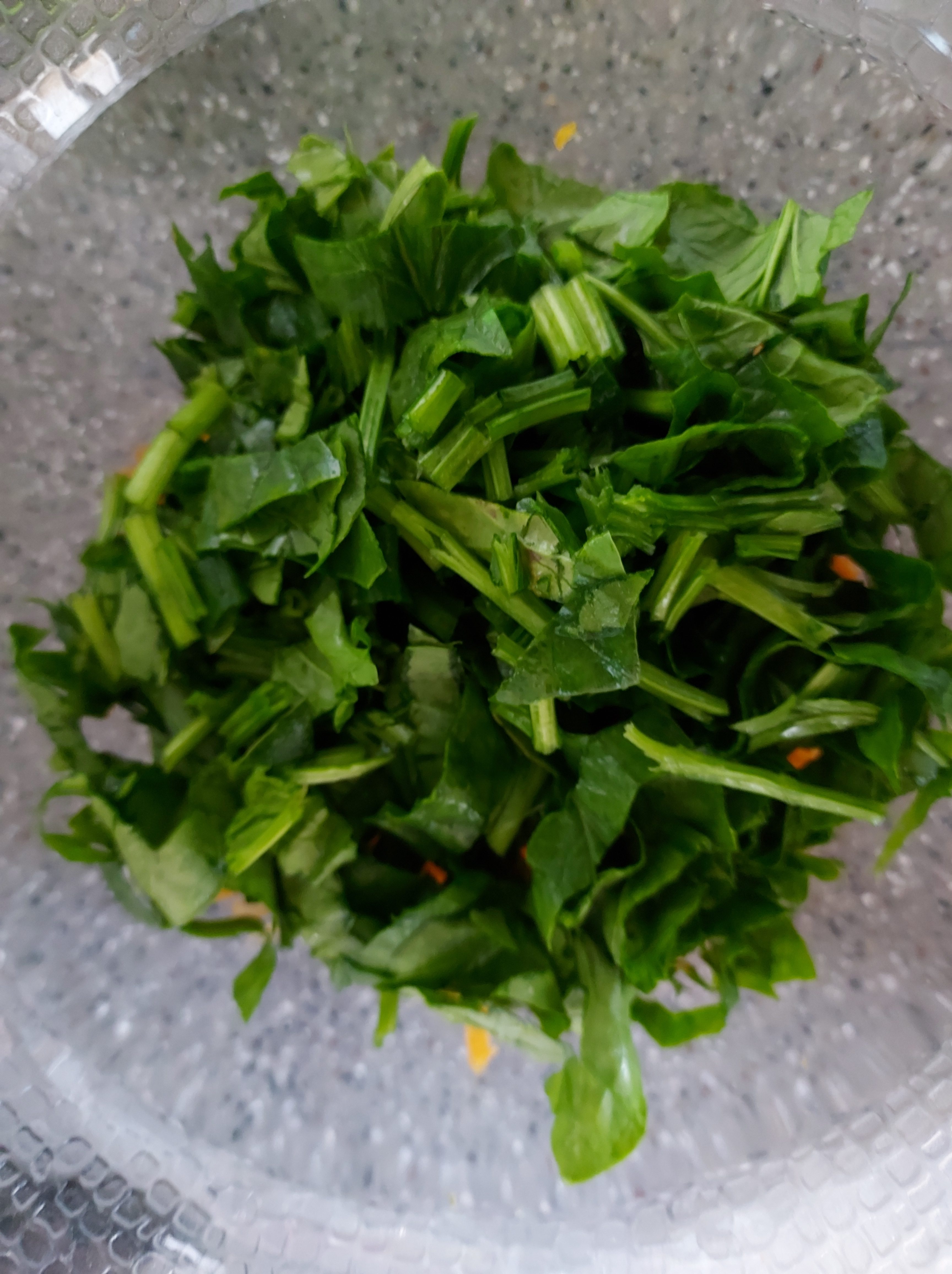
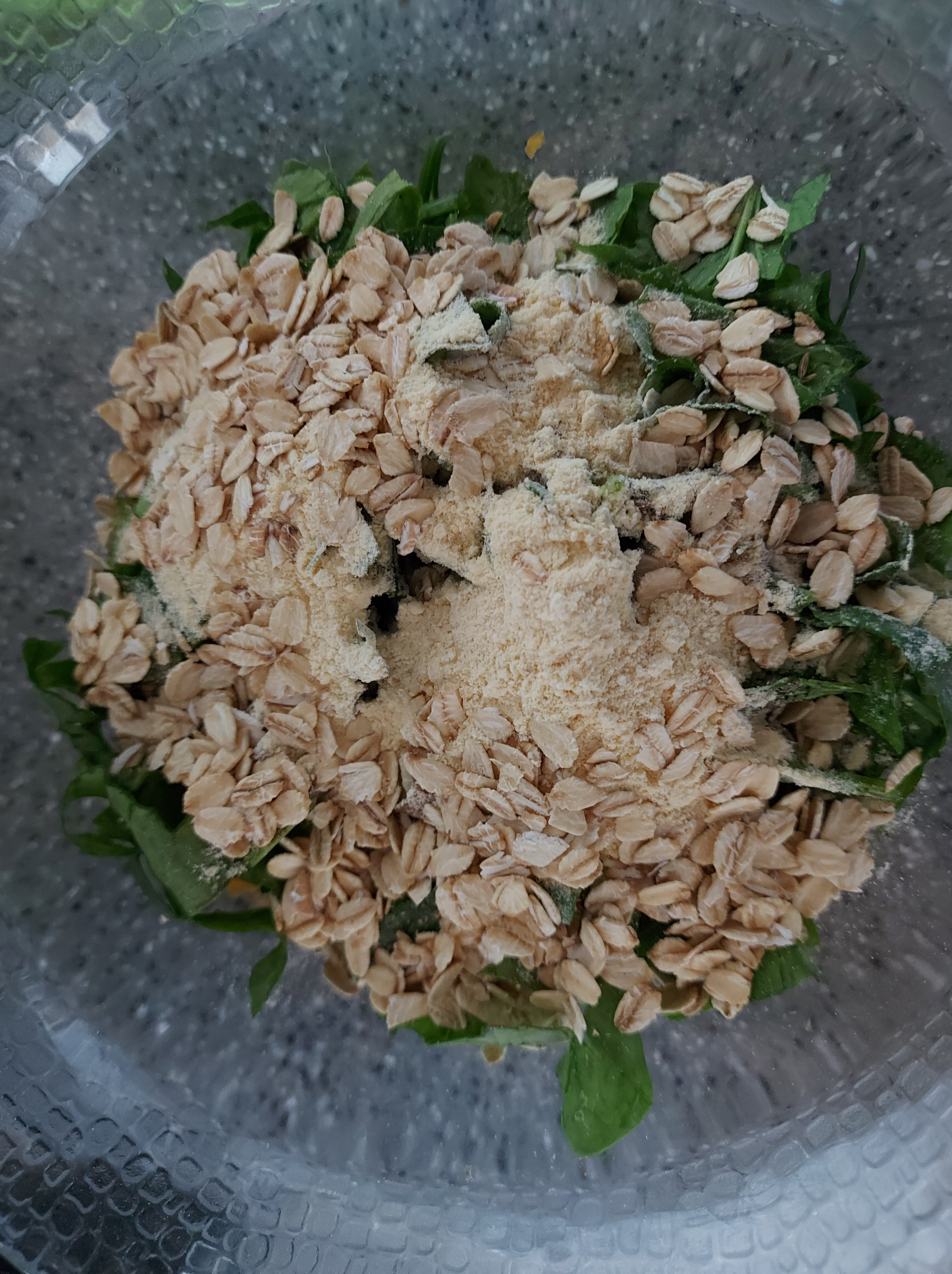
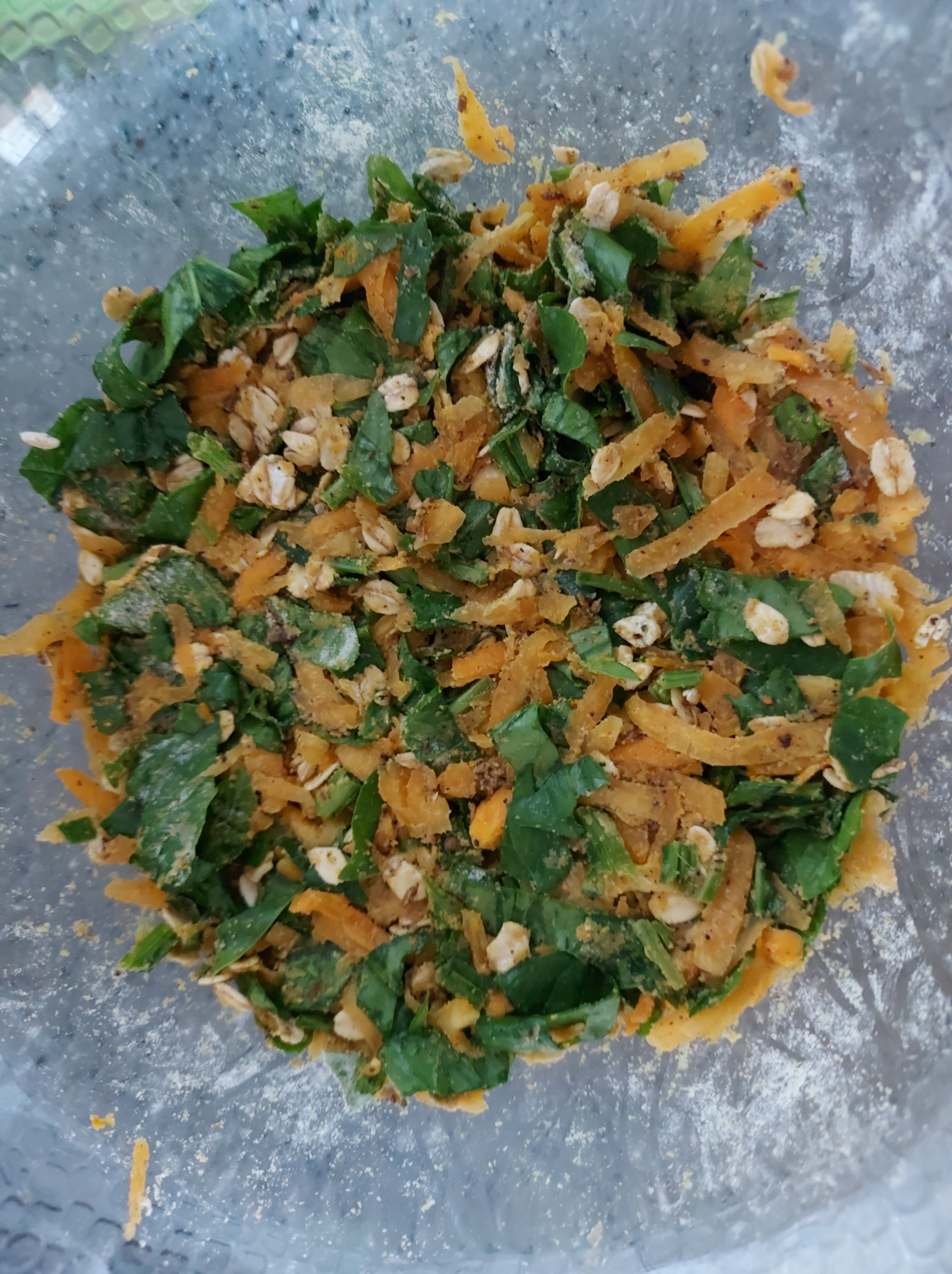
  • Grate the pumpkin into a large bowl, add the chopped spinach and herbs and spices and combine all the ingredients. Now add the rolled oats and chickpea flour and mix well. Leave the mixture to rest for two hours in the fridge, so that any excess moisture is absorbed.
  • Form the mixture into small balls (about the size of a golf ball) in your hands. Heat the oil in a frying pan then turn the heat down low and add as many of the balls as will fit in the pan. Flatten them with a fish slice and after a few minutes turn them over. Cook until golden brown on both sides and then serve straight away.

Summertime Cocktail: Hibiscus Heat Haze

27 July 2023

As the July heat builds up here in Almaty, where daytime temperatures are heading for the high 30s, we’ve been looking around for some cold drinks to chill down a bit.

Hibiscus Heat Haze

We’re not fans of overly sweet drinks here at KCC so this tart hibiscus and cinnamon cold brew really hits the spot. It’s a refreshing brew that will help you keep your cool in the heatwave.

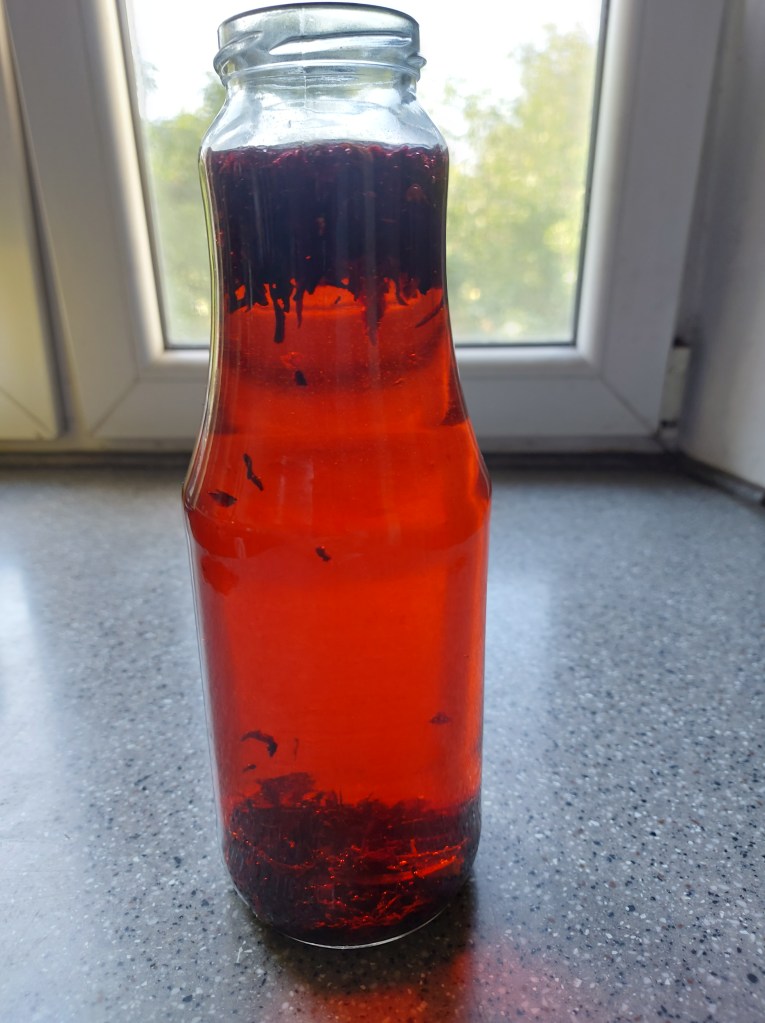
Hibiscus and cinnamon cold brew

It’s easy to make – put 15g of hibiscus flowers and a cinnamon stick in a 1 litre glass jar. Add cold water to the top of the jar and leave overnight in the fridge. Strain off the leaves and cinnamon stick and serve with ice. Add more water or some sugar or honey if you find it tastes too tart.

For a summertime cocktail, fill a tall glass with ice, add 10 raspberries, 100ml dry vermouth, 100ml hibiscus cold brew and top up with sparkling water. Add a shot of white rum or brandy to give your Heat Haze an extra bit of oomph.

KCC’s Revolutionary Rhubarb Recipes

25 April 2022

While walking through the market in Samarkand recently we came across tables laden with something we hadn’t seen for quite a while – rhubarb, those colourful stalks that instantly evoke childhood memories of rhubarb crumbles served with custard. In Samarkand, the favoured way to eat the stalks is raw.

Rhubarb is a classic harbinger of spring, with its short growing season over by summer. Often thought of as a fruit because of its use in puddings, complete with lashings of sugar to counteract its tartness, these stalks are in fact a vegetable.

Rhubarb has a long history in Chinese traditional medicine. It started to be imported into the west, where it was prized for its medicinal properties, along the Silk Roads in the 14th century. Transport costs, along with its popularity and relative scarcity, saw it command a higher price than cinnamon, saffron, and opium at one point.

Its high price spurred efforts to localise its cultivation and by the 18th century it was being successfully grown in Europe. The edible stalk’s greater availability, combined with the arrival of affordable sugar, led to it becoming a culinary staple in the world of desserts.

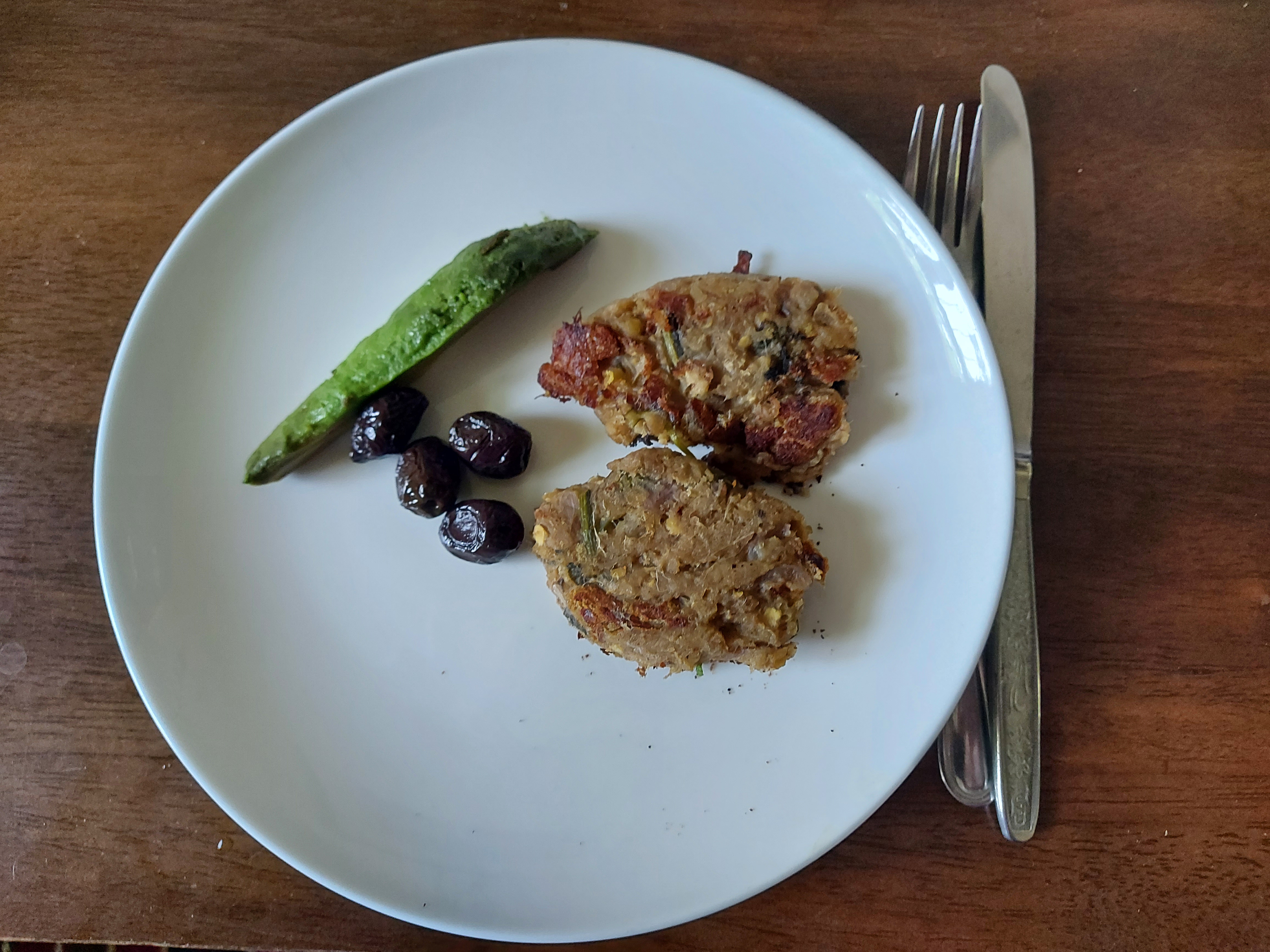
Rhubarb also has its uses in savoury dishes with its sharp flavour adding an interesting note to a lentil dhal. We served our dhal with a fruity plov and some flat bread. Any leftovers can be mixed with chickpea flour to make a fritter as part of an unusual brunch.

Ingredients (makes four servings)

  • 200 g rhubarb
  • One large onion
  • 150 g red lentils
  • 75 g spinach
  • 25 ml olive oil
  • 500 ml vegetable stock 
  • One teaspoon cumin seeds
  • One teaspoon cinnamon
  • One teaspoon red chilli flakes
  • 50 g chickpea  flour

Method

  • Heat the oil and cumin seeds in a heavy-based pan. When the seeds start to sizzle, add the chopped onion. Cook for five minutes over a low heat, stirring occasionally. Add the cinnamon and red chilli flakes and the rhubarb stalk, cut into 1 cm slices – do not use the leaves as these can be bad for your health.
  • Cook for three minutes over a low heat, stirring occasionally, and then add the washed lentils and the vegetable stock. cook over a low heat for 20 minutes or until all the liquid has been absorbed. Stir in the washed spinach and serve hot with rice or flat bread (or both!)
  • To make rhubarb fritters, mix leftover 200 g dhal with 50 g chickpea flour. Form into eight walnut-sized balls and fry in oil on both sides until starting to brown, flattening with a fish slice as they cook.

Chocolate Chilli Chana

3 February 2022

This time round on KCC we’re going for a chickpea, aka chana, chilli that includes a slab of dark chocolate to balance out the acidity of the tomato sauce – a combination that works surprisingly well.

Chocolate chilli chana

We first came across the dark chocolate infused mole sauce many years ago in a Mexican restaurant in Barcelona. It’s been on the list of things to cook for a while and having received a selection of Green and Black’s chocolate that included an 85% cocoa bean bar there were no longer any excuses not to try it out.

We served our chickpea chilli with some pearl barley – it’s also good with brown rice, couscous, bulgur wheat or some flatbread to mop up the chocolate rich sauce. We also recommend washing it down with a margarita or two.

Ingredients (makes 3-4 servings)

  • 300 g chickpeas (cooked)
  • 150 g carrot
  • 150 g onion
  • 50 g red lentils
  • 250 g tomatoes
  • 20 g dark chocolate
  • 25 ml olive oil
  • 150 ml aquafaba (chick pea cooking water)
  • 1 teaspoon cumin seeds 
  • 1 teaspoon coriander seeds
  • 1 teaspoon paprika (smoked if you can get it)
  • 1 teaspoon chilli powder (or chilli flakes)
  • 2 cm cinnamon stick
  • 5 cloves
  • 1 bunch fresh coriander

Method (Cooking time approx 45 minutes)

  • Heat the olive oil in a heavy-based pan and add the cumin seeds. When the seeds start to pop add the diced onion. Stir fry for five minutes over a medium heat and then add the diced carrots. Cook for five more minutes and then reduce to a low heat. Add the chopped tomatoes and cook for another five minutes.
  • Add the aquafaba, ground coriander seeds,  cinnamon, cloves, paprika and chilli powder and stir well. When the mix starts to bubble, stir in the red lentils. Simmer the mixture and after 15 minutes add the cooked chick peas. Cook for another 10 minutes over a low heat and then add the dark chocolate. 
  • Serve with pearl barley or a grain of your choice and garnish the Chocolate Chilli Chana with fresh coriander. Take a slug of margarita and enjoy! 

Spicy Peas ‘n’ Cheese

30 November 2021

This time round on KCC we’ve been inspired to take on a curry house favourite of ours, matar paneer, cubes of fresh white cheese cooked with peas in a spicy tomato-rich gravy.

Spicy peas ‘n’ cheese aka matar paneer

We’ve been in Bishkek, Kyrgyzstan for the last two weeks to polish off the final chapter in a gruelling two-year run of Central Asian elections. While browsing around the supermarket, we came across a pack of locally made Ricotta cheese. Its dry, crumbly texture immediately reminded us of fresh paneer cheese from the Indian sub-continent, bringing to mind matar paneer.

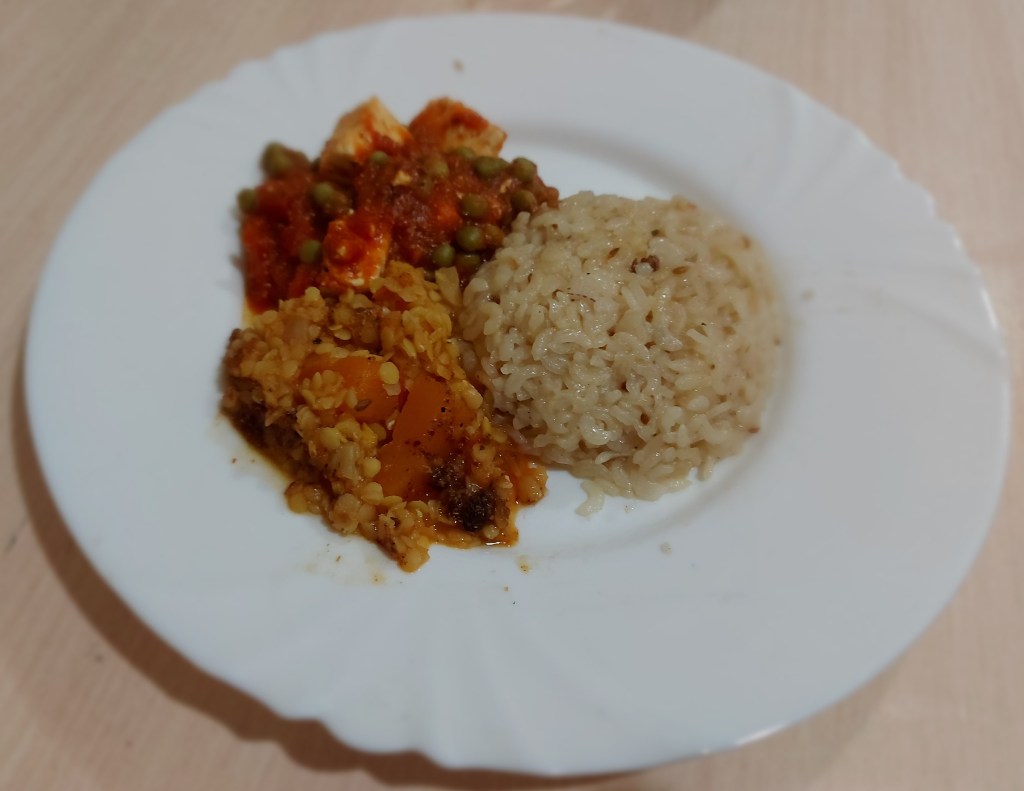
Spicy peas and cheese with pumpkin dhal and rice

This white cheese does not taste of much on its own so it needs to soak up some flavour. We prepared a tomato gravy and then marinated the cubes of cheese and the peas in the sauce overnight before heating it through just before serving. For any vegans reading, substitute chunks of plain tofu for the paneer cheese – tofu is another ingredient that benefits from being marinated for a while. Serve with our pumpkin dhal and rice or flat bread.

Ingredients (makes 4 servings)

  • 3 medium tomatoes (approx 250 g)
  • 1 medium onion
  • 1 clove of garlic
  • 200 g paneer cheese or tofu
  • 250 g peas (tinned, frozen or fresh if you can get them) 
  • 25 ml olive oil or other vegetable oil
  • 1 teaspoon cumin seeds
  • 1 teaspoon chilli powder
  • 1 teaspoon cinnamon
  • 1 teaspoon black pepper
  • 1 cm knob of chopped ginger
  • 1 small bunch fresh coriander

Method

  1. Finely chop the onion and cook for five minutes in the oil over a medium heat in a heavy-based pan. Turn down to a low heat and add the spices and the minced garlic and stir well. Cook for another two minutes and then add the chopped, peeled tomatoes. Cook for 20-30 minutes over a low heat until the tomatoes have formed a smooth gravy with the onions.
  2. Allow the sauce to cool and then add the white cheese (paneer) or tofu, cut into 1 cm cubes, and the peas and mix well. Leave to marinate for an hour or two at least – overnight in the fridge is better, and then heat through. Sprinkle with fresh coriander before serving with our pumpkin dhal and rice. Also goes well with a flat bread of your choice.

Let Them Eat KCC’s Vodka-fuelled Festive Fruitcake

6 January 2021

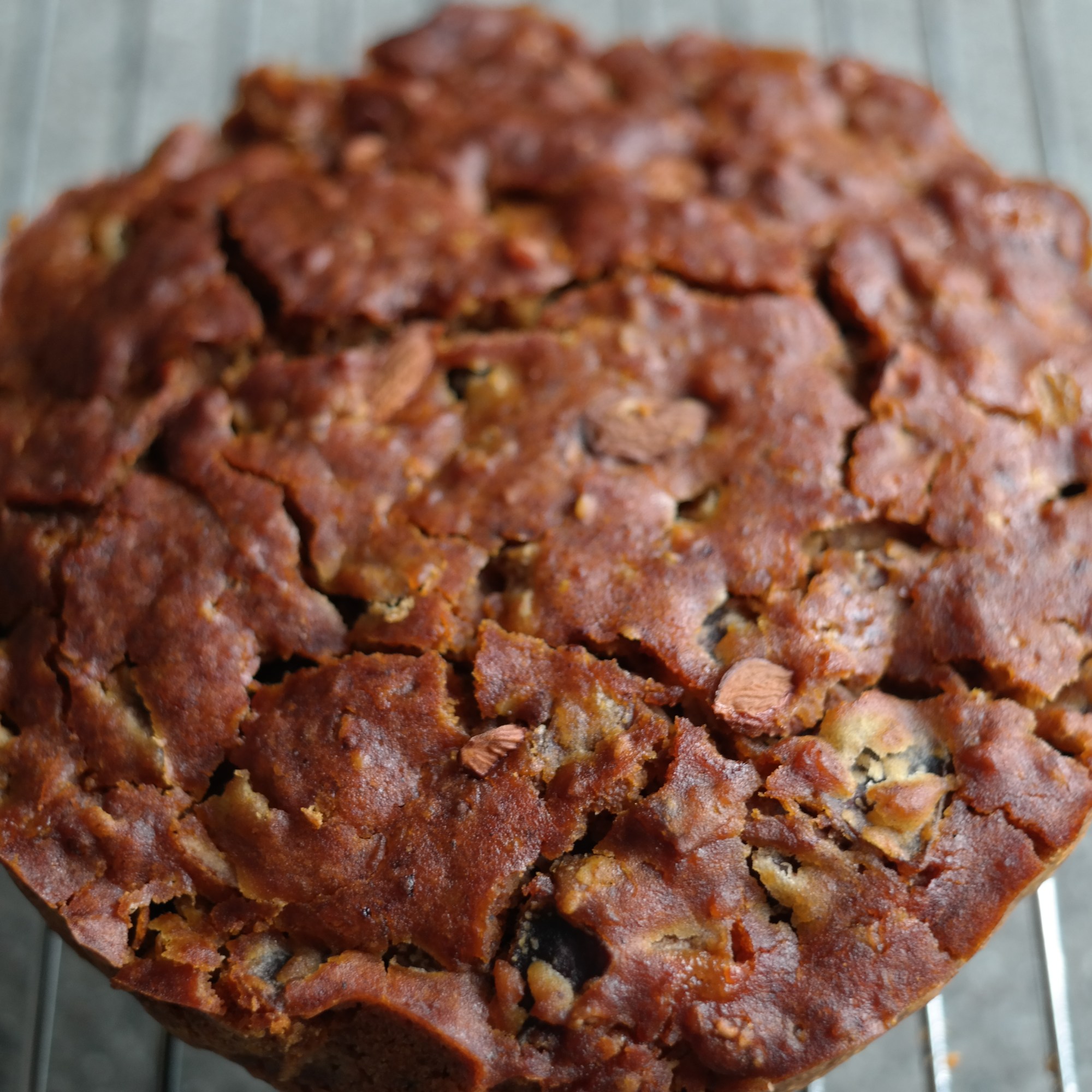
If you’re feeling down after all the partying in December, then never fear as Russian Christmas is here! To help celebrate it in style we’ve opened up our Vodkatopf (a slavic cousin of the Rumtopf) and used the fruit that’s been stewing in the vodka since summer to make a booze-infused fruitcake.

In Russia, Christmas is celebrated on 7 January – the Orthodox Church still follows the Julian calendar rather than the Gregorian calendar whereas Russia switched to the latter in 1917. The switch created a 13-day lag between the calendars so, for followers of the Orthodox faith, Christmas Eve falls on 6 January and 13 January marks the end of the old year

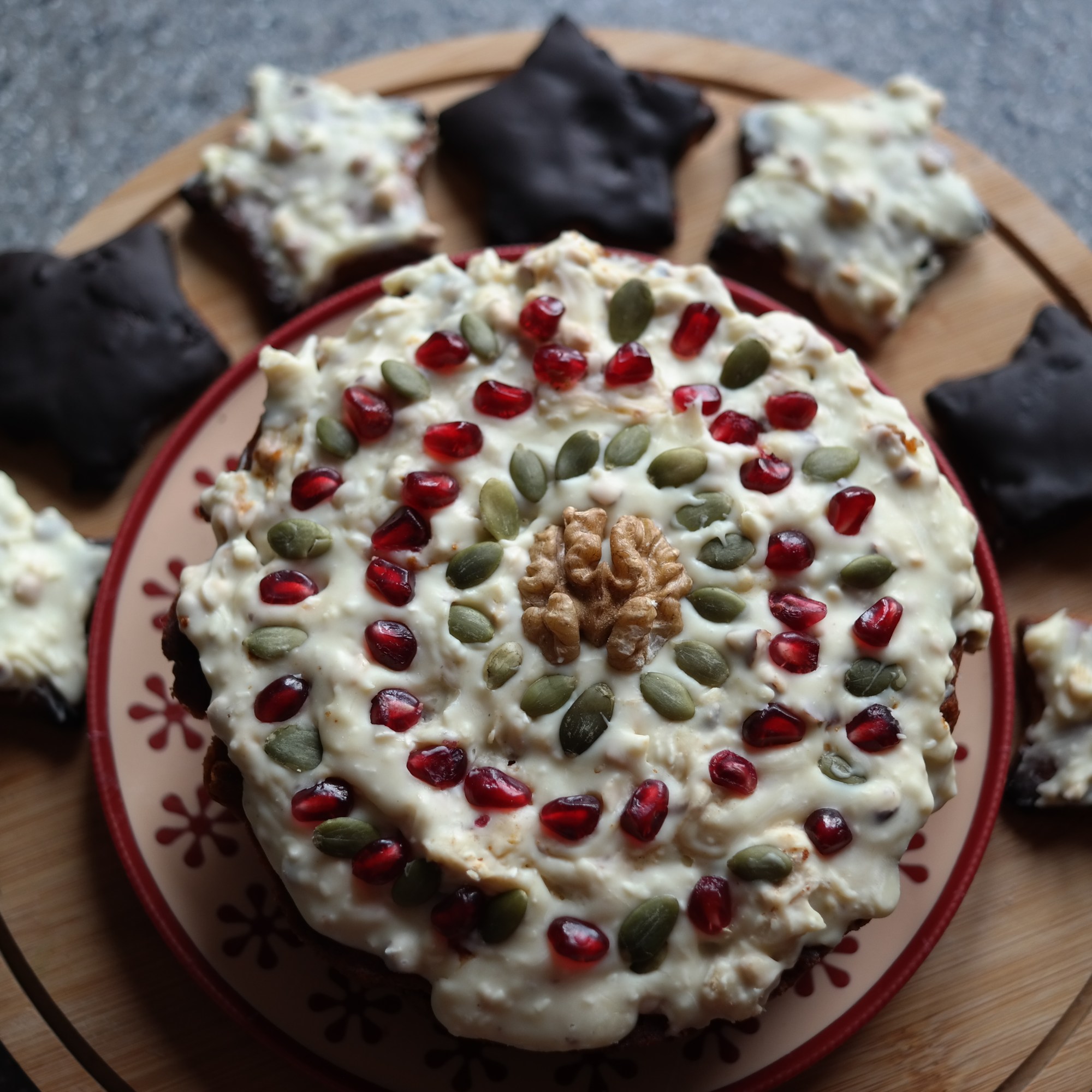
To make the vodkatopf we poured vodka over layers of different fruits as they appeared over the summer. The apricots, cherries and raspberries of early summer were followed by peaches and plums to make a great , fruity vodka for shooting or mixing. As an added bonus, the preserved fruit went into a the fruitcake mix. We decorated the cake with melted white chocolate and crushed almonds and used pumpkin and pomegranate seeds as the finishing touch.

Ingredients (for 6 – 8 servings)

  • 325 g vodka-soaked mixed fruit (soak overnight in 250 ml vodka or other spirit if using dried fruit)
  • 90 g olive oil
  • 100 g honey (or golden syrup for a vegan cake)
  • 175 g plain flour (we used rice flour for a gluten free cake) 
  • 50 g mixed nuts 
  • 100 ml coconut milk
  • 25 g desiccated coconut
  • One teaspoon baking powder
  • One teaspoon each of cloves, ginger, nutmeg and cinnamon
  • 25 ml vodka
  • 100 g melted white chocolate
  • pumpkin and pomegranate seeds to decorate the cake

Method

  • Line a 15cm cake tin with a double layer of parchment paper, this will help stop the cake from burning
  • Sieve the flour and combine with the coconut milk, vodka, 30 g of chopped nuts, desiccated coconut, baking powder, cloves, ginger, nutmeg and cinnamon and stir together to make a thick batter
  • Melt the honey into the olive oil in a heavy-bottomed pan over a low heat and stir.
  • Combine the honey and oil mix with the batter.
  • Stir in the soaked fruits into the batter, along with any leftover liquid.
  • Layer the batter into the prepared tin and use a spatula to spread it level. 
  • Melt the white chocolate in a glass or ceramic bowl over a pan of boiling water.
  • Spread the chocolate evenly over the top of the cake, sprinkle some mixed nuts over the icing and then decorate with pomegranate and pumpkin seeds.

Farinata Fiesta

12 November 2020

It’s time for a bit more armchair culinary tourism and we’re off to Genoa in northern Italy, birthplace of the farinata, a chickpea flour pancake that is a popular snack along the coast of the Ligurian Sea, where it’s known as fainâ, and down into France’s Côte d’Azur, where it’s known as socca.

With Diwali, the Festival of Lights celebrated by Hindus, coming up on 14 November this year, we decided to mark the occasion by topping our chickpea pancake with a dry, spicy Indian inspired combination of spinach, potato and roasted cauliflower.

These chickpea pancakes are usually baked in the oven but we didn’t have a suitable baking dish so we tracked down a recipe at Electric Blue Food for a pan–fried version. We replaced the water with aquafaba – the leftover liquid from cooking beans – to give the pancake a bit more oomph. This pancake proved really easy to cook compared with traditional ones made from flour, milk and eggs.

Farinata is often eaten plain with just a sprinkling of black pepper and rosemary, but it can also be served with other, more substantial, toppings. The taste of this chickpea pancake reminded us of a thicker version of southern India’s dosa, a much missed treat since the start of the pandemic. So we decided to top it with spicy vegetables to attempt an approximation of our favourite pancake.

Ingredients (serves 4)

For the farinata:

  • 200 g chickpea flour
  • 100 ml olive oil
  • 300 ml aquafaba

For the Saag Aloo Gobi topping:

  • 250 g spinach
  • 250 g cauliflower
  • 250 g potato
  • One onion 
  • One teaspoon cumin seeds
  • One teaspoon coriander seeds
  • One teaspoon chilli powder
  • One teaspoon cinnamon
  • One teaspoon turmeric
  • 50 ml olive oil

Method

For the farinata:

  • Use a wooden spoon to mix the chickpea flour with the oil in a large bowl and then slowly add the aquafaba and switch to a hand whisk and blend until smooth (you can use a blender or a stick blender for this).
  • Leave to stand for 30 minutes. Heat a few drops of oil in a large frying pan (around 30 cm in diameter) and then pour in a quarter of the pancake batter. Swirl it around to distribute the batter evenly. 
  • The pancake will start to puff up – when this happens, slide a spatula underneath and turn it over and cook on the other side until it slides off the pan easily. Put on a plate and keep in a pre-heated oven (100 c) until ready to serve.

For the Saag Aloo Gobi:

  • Break the cauliflower into florets, drizzle with olive oil and bake in the oven at 180 c for 30 minutes or until they start to char slightly.
  • Slice the potatoes into four or eight pieces depending on how big they are. Put in boiling, salted water and cook for five minutes.  Drain and put in cold water.
  • Heat the oil in a heavy based pan and then add the cumin seeds. When they start to sizzle, add the chopped onion. Add the rest of the spices and stir well. After five minutes or so, add the potato and stir fry for five minutes. 
  • Now put the chopped spinach on top of the potatoes and add a few of teaspoons water. Cook until the spinach begins to wilt. Stir in the baked cauliflower and serve immediately on top of a farinata.

Pisco Spritz: A Cocktail for a Post-Quarantini World

4 June 2020

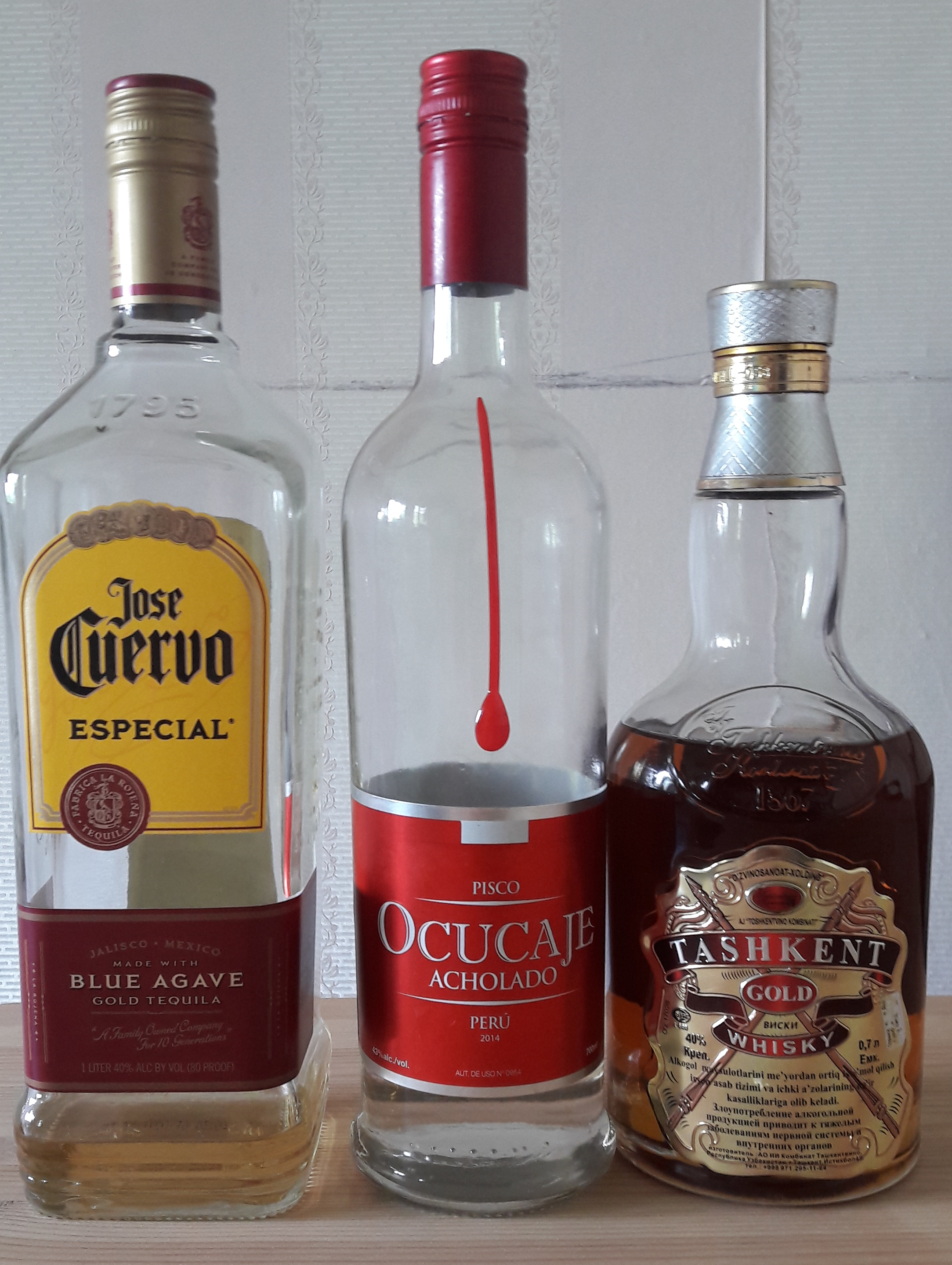
With lockdown mostly lifted here in Kazakhstan, a bit of a celebration was called for and what better way than with a cocktail – we had a root around the drinks cupboard and came up with this somewhat eclectic selection of spirits:

20200506_125545
Choices, choices…

The tequila had taken a bit of  hammering during lockdown, Tashkent Gold Whisky is something of an acquired taste, so it was left to Peru’s premier spirit, Pisco, to provide the base for the cocktail! A further root around kitchen produced some cinnamon, orange peel and sugar to provide the base for a syrup for our cocktail. A bottle of Moldovan sparkling wine left over from New Year provided the finishing fizzy touch.

To make a Pisco Spritz: Put some ice cubes in a cocktail glass, mix 25 ml Pisco (or any other clear spirit) with 25 ml syrup (see recipe below) and  then add 50 ml fresh orange juice. Top up with sparkling wine (Champagne, Cava or Prosecco will work fine if Moldovan spumante is not available!) add a slice of orange and, bingo, your post-quarantini cocktail is ready! Knock yourself up a glass or two and join us to celebrate entering our brave new post-lockdown world.

Orange and cinnamon syrup (makes around 250 ml)

  • 200 ml boiling water
  • 20 g sliced orange peel
  • 50 g brown sugar or honey
  • One cinnamon stick

Put all the ingredients into a bottle, shake well and allow to cool. Give it a vigorous shake every 15 minutes or so. When it has cooled down, store it in the fridge – leave for a few days for best results.


Red Bean Hotpot

6 February 2020

This time round on Knidos Cookery Club, we’re turning our attention to a winter classic from the UK – the Lancashire Hotpot. Our spiced up, veggie-friendly version replaces the meat traditionally used with red beans and red lentils and is topped off with sliced potatoes, helping to retain the hearty, comforting hit of the original.

SAMSUNG CSC

This casserole originated in the north-west of England as a dish that could be left  cooking slowly in the oven over a low heat while families worked from home spinning thread.

The term hotpot is thought to derive from the mixture of ingredients used, although it’s also claimed to be named after the clay pot originally used to cook the dish.  It’s not to be confused with the Chinese Hotpot that uses a steaming pot of stock placed in the centre of the table to cook ingredients.

Ingredients (serves 2)

  • 125 g red lentils
  • 250 g cooked red beans
  • 3 medium potatoes
  • 2 medium carrots
  • 1 medium onion
  • 1 stick of celery
  • 1 garlic clove
  • 50 ml olive oil
  • 600 ml vegetable stock
  • 1 teaspoon each of mustard seeds, coriander seeds, fenugreek seeds, cumin seeds, chilli flakes, turmeric
  • 1 cinnamon stick
  • 1 bay leaf

Method

  • Heat the olive oil in a casserole dish or an ovenproof pan. Fry the onions, garlic, ginger and spices all together for five minutes or so over a medium heat. Add the diced carrot and celery and cook for five more minutes. Add the lentils and 300 ml of stock and cook over a low heat until the water is absorbed and the lentils are cooked but not mushy.
  • While this is cooking, boil the potatoes (cut into 1/2 cm thick slices) for 10 minutes, pour off the water and cover with cold water. Add the cooked beans and the rest of the stock to the lentils and stir well. Place the potato slices in layers over the top of the stew and pour some olive oil over them.
  • Put the casserole dish or pan into an oven heated to  200 c and cook for 30 minutes at this temperature until the potato slices are starting to go a golden brown colour. Serve immediately in individual bowls with a hunk of bread.