This time round on KCC. we’re experimenting with a tomato-free twist on shakshuka, that North African breakfast staple.
Rip Red Shakshuka with beans and beetroot
Our latest shakshuka (click here for our grip green one from last year), replaces tomatoes and onions, which have a high acid content, with beetroot and red beans as the base to poach the eggs in.
This makes for a dish that is easier on the stomach and is ideal for people suffering from GERD, Gastroesophageal reflux disease, which occurs when excess stomach acid flows back into the tube connecting your mouth and stomach.
Ingredients
150 g cooked red beans
100 g diced cooked beetroot
25 g celery
150 ml vegetable stock
A pinch of fresh thyme
2 teaspoons sumac
2 eggs
Mix the beetroot, red beans, celery, carrot and thyme together in a frying pan and add the vegetable stock. Bring to a boil and then reduce the heat so the mixture is simmering.
Cook for five minutes and then make two wells in the mix and break the eggs into these wells. Cover the pan and cook over a low heat for 4-5 minutes until the eggs are set. Sprinkle with sumac and serve with crusty bread or fresh pitas.
Winter Solstice is upon us once again so it’s time to kick off the holiday season. If you’re looking for something a bit different for your festive feast this year, then look no further than the Hasselback potato, an attractive dish that tastes like a jacket potato crossed with a roast potato.
This method of preparation involves cutting the potato into thin slices that fan out while baking. It can be used for other vegetables like beetroot, carrot and butternut squash, as well as a sweet version using fruits like apple and quince.
Hasselback potato with a pasty and salad
Hasselback potatoes originated in Sweden with the dish featuring in a 1929 recipe book “The Princesses’ Cookbook” by Jenny Åkerström. In 1953. Lief Elisson, a rookie chef at Stockholm’s Hasselbacken restaurant, revived this method for preparing the humble spud.
Preparing the Hasselback
To prepare the fruit or vegetables of your choice, place chopsticks or wooden spoon handles on either side and cut into thin slices until the blade hits the wood.
Ingredients
Four medium potatoes
25 ml olive oil
One teaspoon rosemary or thyme (fresh if available or dried)
One teaspoon cumin seeds
Method
Put two chopsticks or the handles of two wooden spoons on either side of the potato. Cut into 1-2 mm slices, cutting until the blade hits the wood.
Put the potatoes in an ovenproof dish with the cut side facing up. Drizzle liberally with olive oil and sprinkle cumin seeds and thyme (or rosemary) over them.
Bake in a pre-heated oven at 180 c for one hour. Serve on their own or as part of a main course with a pasty or nut roast along with your choice of side vegetables or a salad.
As the first snow falls here in Almaty, it’s time for some heartier fare. This recipe started out life as courgette soup, but the sudden drop in temperature called for something with a bit more oomph so we added some mung beans and dried coconut to give it a more stew-like consistency. To add a bit of colour, we sprinkled some pomegranate seeds on top and gave it a drizzle of pomegranate sauce before serving.
KCC’s Courgette, Coconut and Mung Bean Mash Up
The delicate, thin courgettes of the summer are giving way to the robust, denser marrows of autumn – perfect for making into a soup. Mung beans are a versatile store cupboard basic – they can be added to stews or grown into bean sprouts for stir fries and salads – check out more recipe ideas here. They’re a staple in home-cooked meals in Uzbekistan, where they’re known as mash, hence the “mash up” in the name of this dish.
Winter is coming to Almaty…
Ingredients (makes four servings)
1 kilo courgette
One celery stick
One medium onion
Bunch of radish leaves
200 g dried mung beans (soaked overnight)
50 g desiccated coconut
50 ml olive oil
Two teaspoons dried thyme
Two teaspoons cumin seeds
1.5 litres vegetable stock
Pomegranate seeds and Pomegranate sauce to garnish
Method
Heat the olive oil in a heavy-based pan and fry the cumin seeds until starting to crackle and then add the diced onion and cook for five minutes over a medium heat. Next add the diced celery, lower the heat and and cook for another five minutes, stirring occasionally. Cut the courgette into four pieces lengthwise and then slice into 1 cm thick chunks. Add to the pan along with the thyme and stir fry for ten minutes. Add one litre of vegetable stock and the chopped radish leaves and simmer over a low heat for twenty minutes.
While the soup is simmering, cook the mung beans in a separate pan with 500 ml vegetable stock and the coconut. Cook for twenty – thirty minutes or so until the beans are softening or until all the liquid is absorbed.
Remove around 25% of the courgette mix and blend the rest to a smooth consistency with a stick blender. Add these blended courgettes to the cooked mung beans and stir well. Bring to a boil and then add the reserved courgette mix. Pour into soup bowls, garnish with a few pomegranate seeds and a drizzle of pomegranate sauce and serve immediately.
This time round on Knidos Cookery Club we’re using buckwheat, a cereal (or rather a pseudocereal) that has thus far been neglected on our site. Buckwheat’s name is misleading as it’s not really wheat, but rather a plant that is more closely related to sorrel, knotweed and rhubarb, which makes it suitable for those of you on a gluten-free diet.
KCC’s Buckwheat Cottage Pie
Buckwheat, or grechka, is wildly popular across the countries of the former Soviet Union and eastern Europe – you can find whole aisles in supermarkets dedicated to it. The groats are used to make porridge and the flour to make pancakes. In Japan, the flour is used to makesoba noodles.
Row upon row of buckwheat groats in a supermarket in Almaty, Kazakhstan
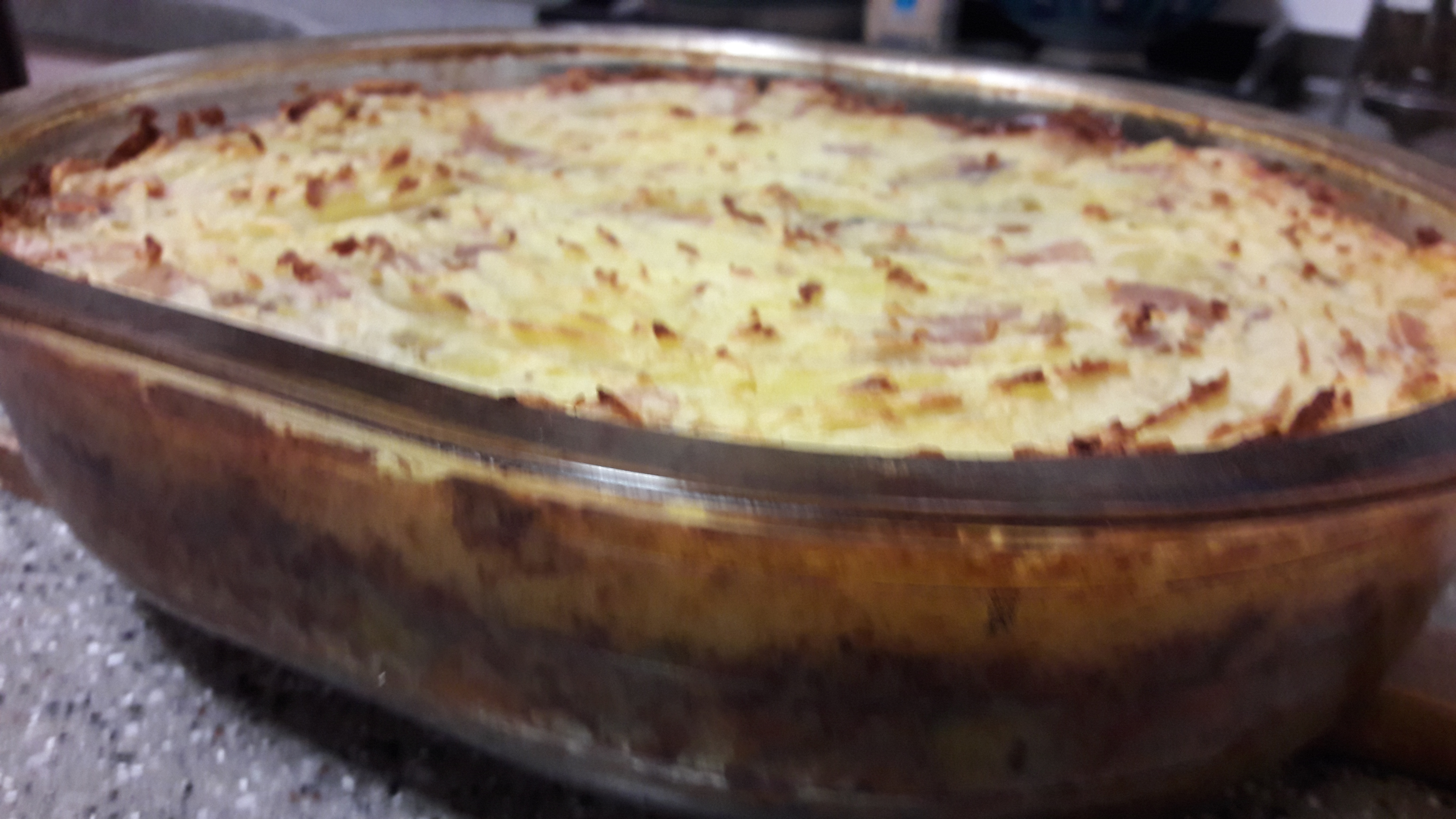
We’ve taken that classic British comfort food, Cottage Pie, and replaced the meat with a mix of the nutty-tasting buckwheat and vegetables all topped with a thick slab of mashed potato – perfect fodder for the colder autumn and winter evenings and ready to eat in around an hour.
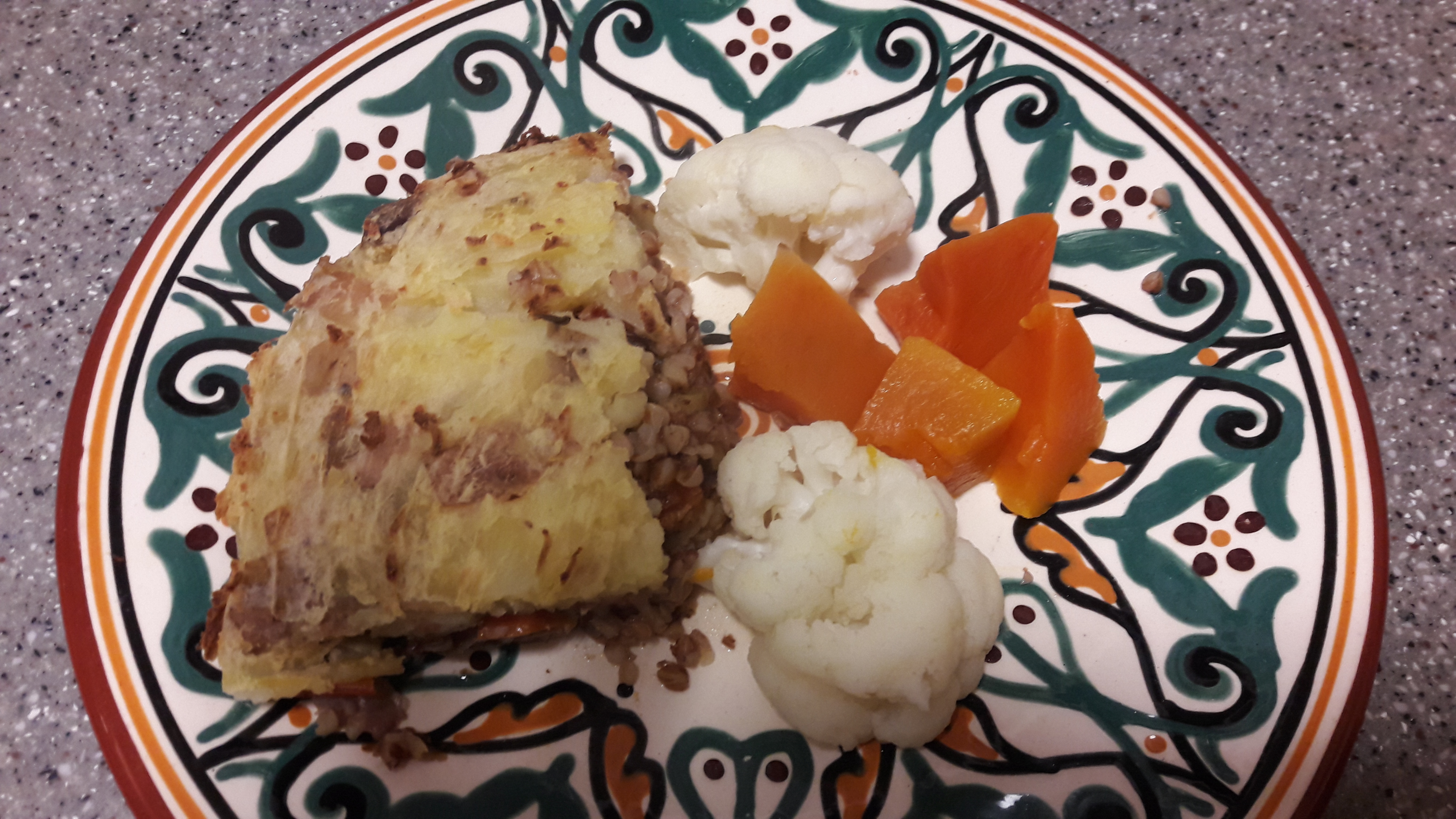
Cottage pie and two veg
Ingredients (makes 4 servings)
150 g buckwheat groats
One carrot
One medium-sized onion
One green pepper
Three medium-sized tomatoes
Three medium-sized potatoes
Six small dried mushrooms
25 ml olive oil
500 ml vegetable stock
One teaspoon sumac
One teaspoon chilli flakes
Two teaspoons dried thyme
One bay leaf
Method
Heat the olive oil in a heavy-based pan and add the minced onion. Cook for five minutes over a medium heat and then add the diced carrot and green pepper and cook for another five minutes, stirring occasionally. Add the sumac, chilli flakes and thyme and the chopped tomatoes and diced mushrooms.
Reduce the heat and cook for another 10 minutes then add the buckwheat and stir well. Pour the stock over the mixture, add the bay leaf and simmer for 20 minutes or so or until the moisture has been absorbed. While this is bubbling away, cook the potatoes, drain and then mash them.
Put the buckwheat mixture in the bottom half of a baking dish and then cover the mix with a layer of mashed potato. Run a fork across the top of the potato to get a ridged finish and than bake at 180 c for 30 minutes. Serve hot with roasted or steamed, seasonal vegetables such as cauliflower and pumpkin.
This time round we’ve filled some filo pastry triangles with some fresh leafy greens. Inspired by Central Asia’s kok samsa, a small, deep-fried pie filled stuffed with chopped up greens, our take on this popular street snack mixes some peppery radish leaves with some tart sorrel-like leaves, leek and carrot.
A grassy, leafy green samosa
A few weeks ago, we left Datça’s weekly market laden down with a selection of leafy greens – called ot (grass) in Turkish, including a bunch of radishes complete with leaves and an unidentified bunch of greens with a tart, lemony taste.
Further inspired by Turkey’s otlu pide and otlu börek, we chopped up a leek and fried it in olive oil and then mixed in some grated carrot before adding the leafy greens and spices. To make these pies you can use any leafy greens – Swiss chard and spinach also work well here.
Then we wrapped the filling in filo pastry, which can be bought from your local supermarket or Middle Eastern grocery shop – or you can try and make your own – here’s some tips on how to do it.
Ingredients (makes 6-8 samosas)
12 sheets of filo pastry (approx 15 cm x 15 cm)
One leek
One carrot
One bunch each of sorrel and radish leaves (use spinach and/or Swiss chard if you can’t find these)
50 ml olive oil
One teaspoon dried thyme
One teaspoon sumac
One teaspoon cumin
Sprinkling of nigella seeds
Method
To make the filling, heat 25 ml olive oil in a heavy-based pan and cook the chopped leek over a medium heat until translucent. Add the grated carrot and cook for five minutes, stirring regularly. Add the herbs and spices and the roughly chopped greens and cook until the leaves are wilting.
Place a layer of filo pastry on a flat surface dusted with flour. Brush with olive oil and add another sheet, brush with oil and then add one more layer. Cut the layers of filo into two triangles along the diagonal.
Place a generous dollop of the filling in the middle of each triangle. Fold the edges of pastry over, brushing with more oil, to create a triangle-shaped pie like a samosa. Repeat the process until all the filling is used up.
Place the pies on a greased baking tray and brush with more oil and sprinkle nigella seeds over them. Place the tray into a pre-heated oven and bake at 200 °C (gas mark 6) for 30 minutes or until the pies are golden brown in colour. Serve straight away with a salad of your choice.
Knidos Cookery Club has just arrived back at its home base on the Datça Peninsula in Turkey. We’re going to soak up some more culinary inspiration from the place where the Mediterranean and Aegean Seas meet around the ancient Greek settlement of Knidos.
Piyaz – Turkish White Bean salad
To celebrate being back in Turkey, we’ve prepared a piyaz salad, one of the classic dishes of Turkish cooking, that combines small white beans with some readily available staples of the local kitchen; namely tomatoes, onions, green peppers, parsley and lemons.
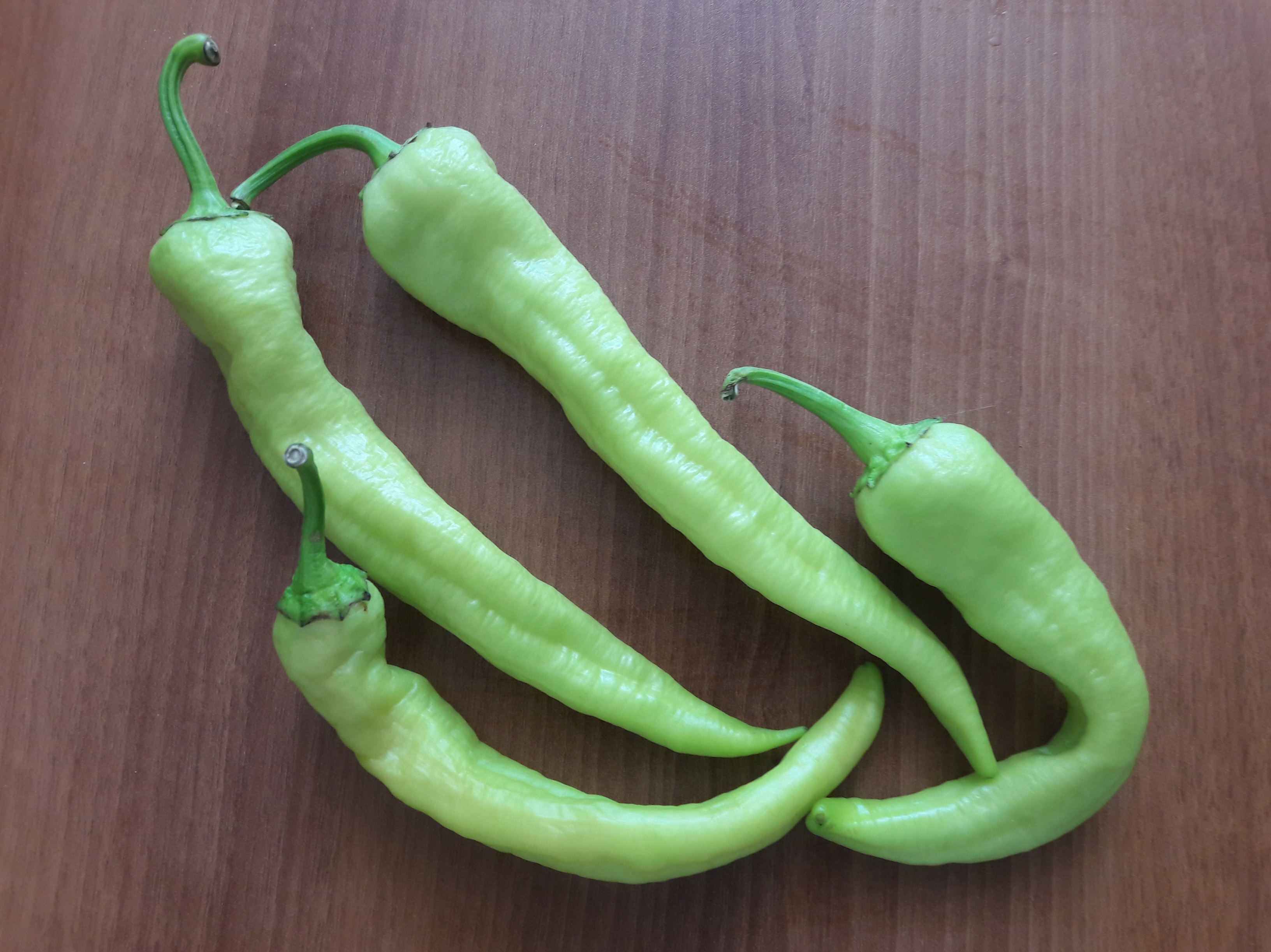
Turkey’s çarliston peppers aka banana peppers
The secret of this dish is in getting the beans just right – not too mushy but not too firm either. They need a good, long overnight soak and some slow cooking to achieve the required consistency.
The dressing used varies across Turkey from the basic lemon, olive oil and apple vinegar one favoured in Istanbul to the tahini-infused one from Antalya, paying tribute to the Arabian influence from the Middle East on the city’s cuisine. We have opted for the creamy, nutty taste of the latter.
Ingredients (makes 3-4 servings)
200 g dried haricot beans or other small white beans soaked overnight
1 medium-sized plum tomato
1 long, green pepper (e.g. çarliston pepper – see photo above)
1 small onion
2 lemons
Small bunch of parsley
50 ml olive oil
50 ml apple vinegar
25 ml tahini
2 teaspoon dried thyme
1 teaspoon red chilli flakes
Optional: Two boiled eggs or one avocado
Method
Cook the beans over a low heat until tender but not starting to go mushy. When cooked, drain off the cooking water, reserving 100 ml to make the dressing. Pour the vinegar and sprinkle the thyme over the beans and leave to cool.
After leaving for a few hours, add the vinegar the beans were soaking in to the reserved bean juice and then blend with the olive oil, tahini and the juice of one lemon to make a smooth sauce.
Finely dice the tomato, slice the pepper and onions into rings and chop the parsley finely. Add these to the beans.
Cover the salad and put it in the fridge for a few hours. Serve with wedges of the second lemon and sprinkle the red chilli flakes over the salad.
Just before serving, pour the dressing over the bean salad and season with black pepper and gently mix all the ingredients together with a wooden spoon.
You can garnish with quarters of boiled egg if you wish or, for a vegan twist, you can garnish the salad with slices of avocado.
As promised a few weeks back on Knidos Cookery Club, here’s another use for those tasty vine leaves. While jetting down to KCC HQ in Datça recently, we spotted a Cypriot recipe in an airline magazine for halloumi cheese wrapped in vine leaves and we decided to adapt it by using some of the Datça Peninsula’s key ingredients:
Yep, that’s almonds, olives, thyme, capers and lemon. We mixed all these up to make our 5-star Datça paste which we then used to coat slices of our favourite squeaky cheese. After applying the paste, wrap the cheese slices with the leaves and then bake in the oven for 30 minutes or so until they look like this:
Ingredients (makes four servings)
200 g halloumi
12 vine leaves
75 g almonds
150 g olives
One lemon
two teaspoons dried thyme
25 g capers
Method
Soak and wash the vine leaves to remove any taste of brine, and then cut the stalk from the bottom of the leaf. You’ll need about three vine leaves for each slice of halloumi.
Now prepare the paste – stone the olives and place the bits of olive in a small dish. Soak the almonds in hot water for a minute or so and then put in cold water and peel off the skin. Break and add to the olives.
Add the capers and lemon juice and the thyme and use a hand blender to make a smooth paste. Cut the halloumi into four slices and smear each slice generously with the paste. Wrap the vine leaves around the cheese and then place in a baking dish or on a baking tray.
Bake in the oven at 180 c for thirty minutes or so and serve while hot with a seasonal salad and a selection of mezes.
This time round on Knidos Cookery Club we’re stuffing again to make one of favourite summertime snacks – dolma (stuffed vine leaves).
These stuffed vine leaves are great as part of a barbecue spread or to add some rice oomph to a selection of dips and mezes.
Ready to roll…
Rolling the leaves can be a bit fiddly at first, but you’ll soon find yourself getting into the rhythm. it’s best to make a big batch of these little stuffed marvels so you’ve got some ready-made snacks giving your more time at the beach.
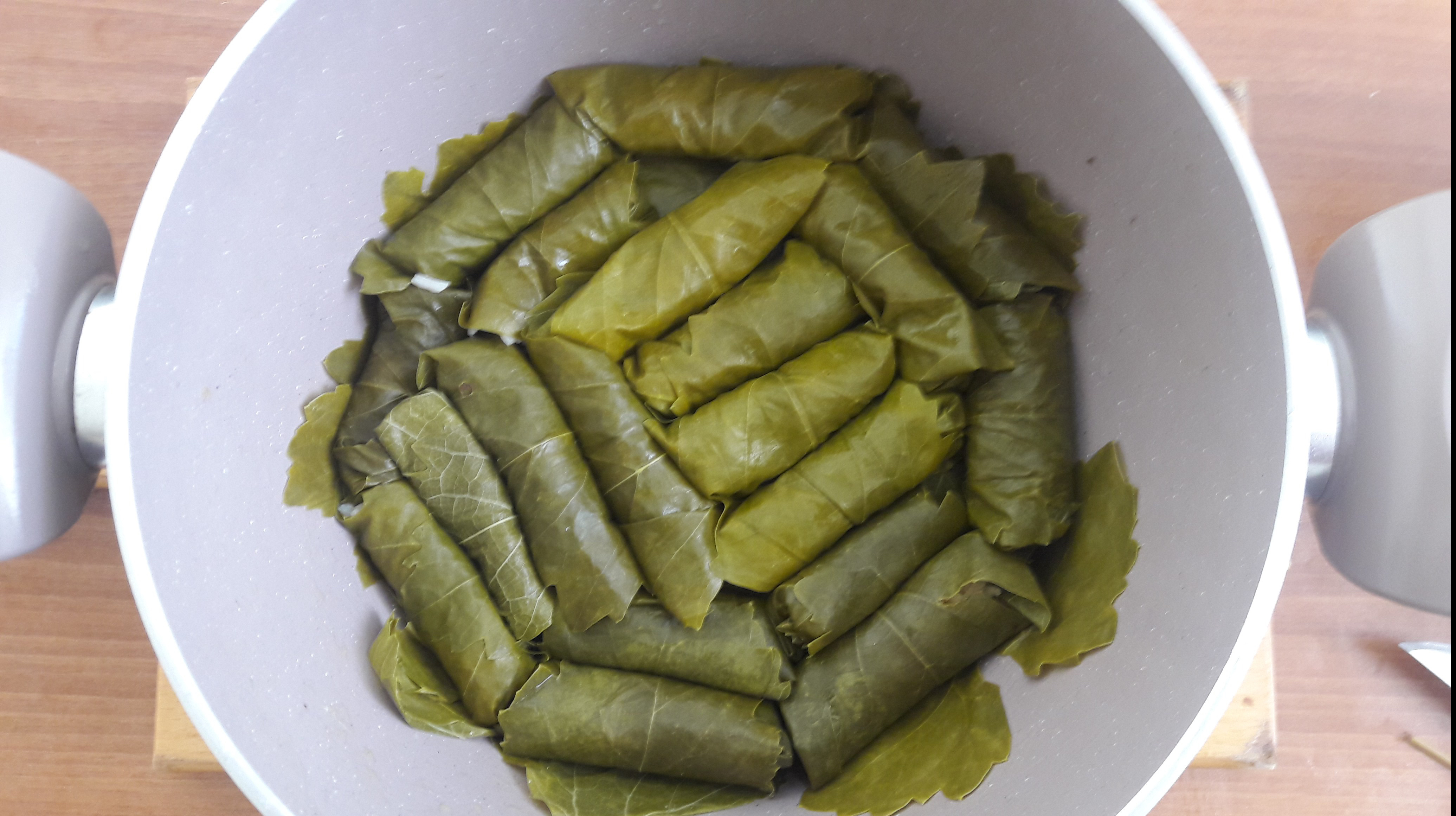
Layer the cylinders tightly in the pan
If you have any vine leaves left over, then hang on to them as we’ll be featuring another vine leaf recipe next time round on KCC.
Ingredients (makes 48 dolmas)
One onion
200 g long grain rice
50 ml olive oil
750 ml water
One lemon (zested and juiced)
50 g chopped almonds
two teaspoons dried thyme
one teaspoon cinnamon
one teaspoon cumin
10 g fresh mint
Pack of preserved vine leaves (or fresh leaves if you can get them)
Method
Fry the finely chopped onion in 25 ml of oil for five minute over a medium heat. While this is cooking, wash the rice until the water runs clear. Now soak the vine leaves for 30 minutes and then rinse well to remove any taste of brine or other preserving agents.
Add the thyme, cinnamon and cumin to the onion and stir. Now add the rice, mixing well to coat the grains. Cover with 375 ml of water and cook until the water is absorbed. The rice does not need to be fully cooked at this stage. When ready, add the chopped almonds, lemon zest and mint and mix well.
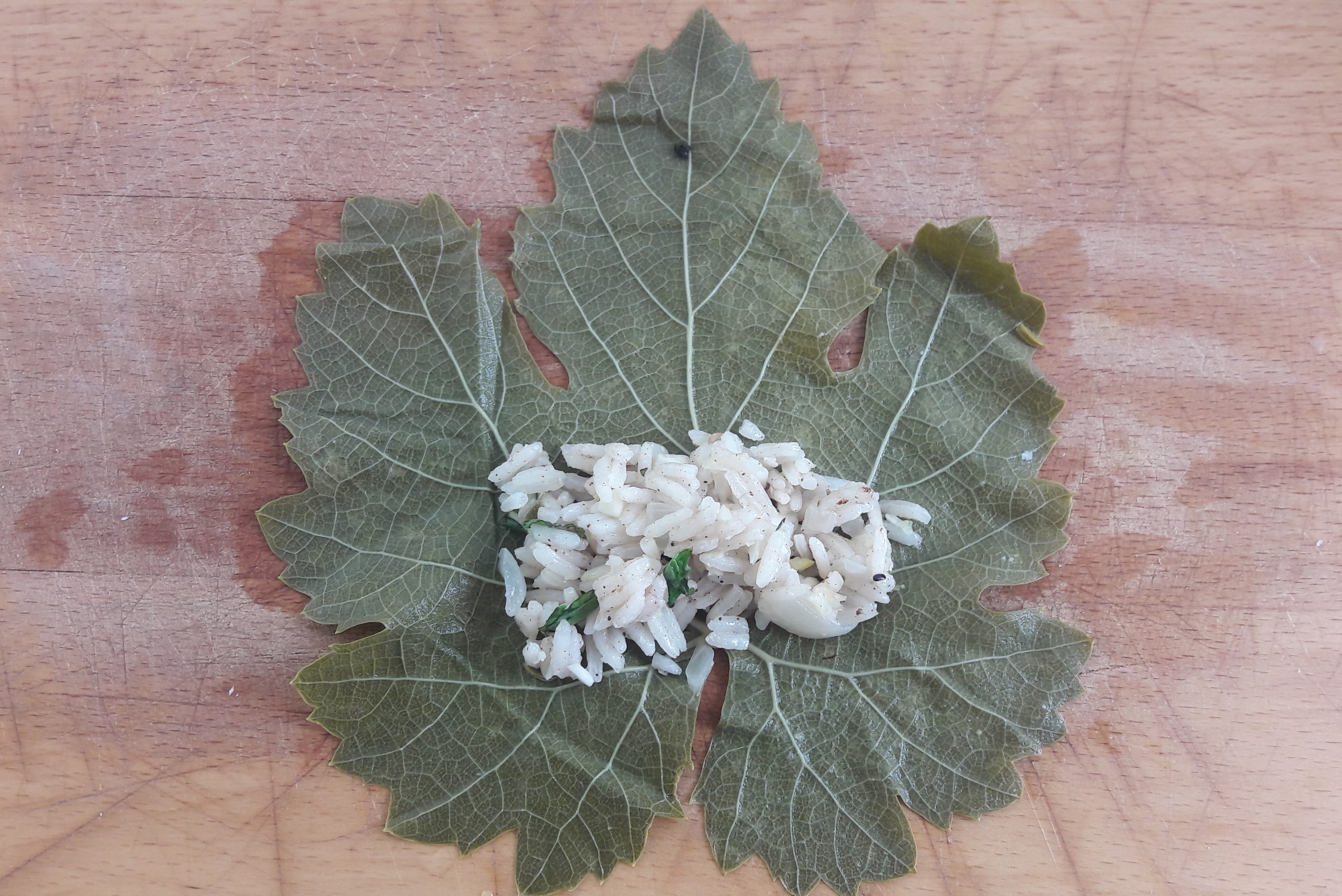
Now it’s time to stuff. Take a vine leaf, cut off the stalk and place a teaspoonful of rice mix on the leaf (see picture above). Tuck in the sides of the leaf and roll into a tight cylinder.
Put a layer of unstuffed vine leaves on the bottom of the pan to stop the stuffed ones sticking to the bottom. Layer the dolmas tightly in a heavy-based pan, putting another layer on top if you run out of space. Pour 25 ml of olive oil, the juice of the lemon and 375 ml of water over the vine leaf parcels.
Put a plate on top of the vine leaves and then put the lid on the pan and cook over a low heat for 45 minutes or until all the liquid is absorbed. Allow to cool before serving. If left in the fridge for a few hours, the stiffed vine leaves will firm up nicely.
As the market stalls overflow with fresh spring produce, this time round on Knidos Cookery Club we’ve selected some zingy greens to make a zesty, lemony piccata sauce to go with pasta and some other leafy greens.
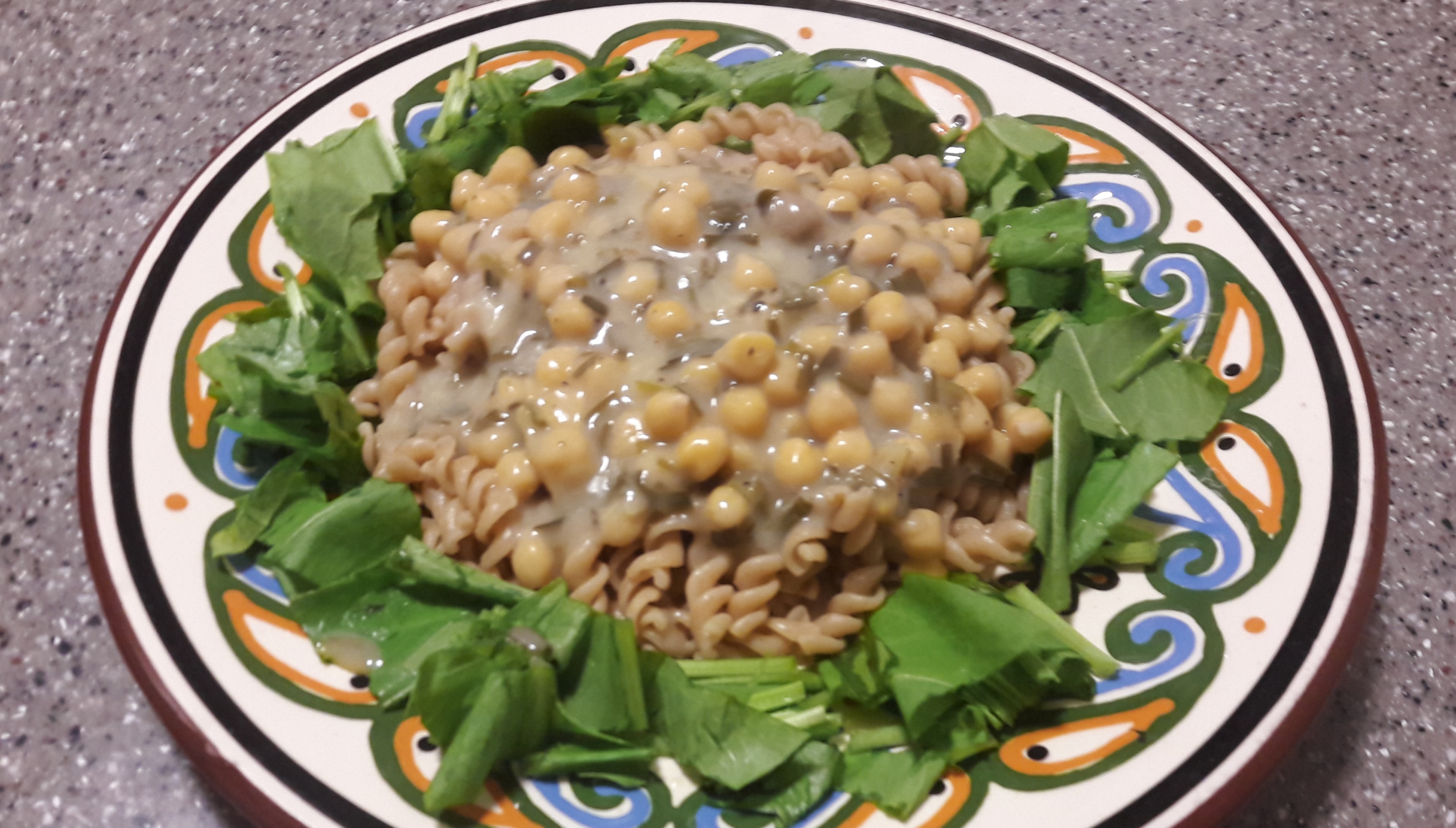
KCC’s Chick Pea Picatta on a bed of sorrel
The piccata sauce comes from Italy and is a lemon-fuelled accompaniment to a variety of dishes. The name derives form the Italian word for ‘annoyed’, piccato, and it is from the same root as the word used in English expressions such as ‘a fit of pique’ or ‘to pique your interest’.
We’ve used jusai, garlic chives, to add more flavour to the sauce, along with white wine, capers and lemon zest and juice to give it a picquant bite. Add some chick peas and serve on a mound of pasta placed on top of a bed of fresh sorrel leaves for a tangy treat.
Ingredients (serves 3-4)
250 g cooked chick peas
25 ml olive oil
50 g garlic chives
2 tablespoons flour
100 ml white wine
500 ml vegetable stock
12 capers
Zest and juice of one lemon
1 teaspoon dried thyme
black pepper
250g dried pasta (we used spirals) cooked according to instructions on pack
Bunch of fresh sorrel
Method
Heat the olive oil in a heavy-bottomed pan over a medium heat and then add the chopped garlic chives. Cook for five minutes and then add the flour and stir well. Pour in the wine and mix to a paste and then slowly add the stock, stirring all the while.
Simmer over a low heat until the sauce starts to thicken, then add the chick peas, capers and thyme and cook for three minutes. While the sauce is simmering, cook the pasta. Grind a generous amount of black pepper into the sauce along with the lemon juice and zest.
Tear up the sorrel leaves and scatter over a plate. Place a pile of pasta in the middle of the plate on the leaves, and then pour the piccata sauce over the pasta and serve immediately.






 Turkey’s çarliston peppers aka banana peppers


 Knidos Cookery Club