Almond Party Time in Datça

12 February 2025

Almonds are on the agenda in KCC’s spiritual home of the Datça Peninsula this weekend as the Turkish seaside town hosts its annual Almond Blossom Festival.

The festival, which celebrates the blossoming of the peninsula’s almond trees, takes place between 13-16 February. Alongside live entertainment, with local faves Rampapa performing on Thursday and Anatolian psych rock legends Moğollar headlining on Saturday, there are cookery competitions, sports events and a speedy almond cracking contest.

Datça’s tasty almonds, badem in Turkish, are rightly famous all over Turkey – I remember sitting on a terrace in Istanbul’s Beyoğlu district, back in the days when it still had tables on the street, when a guy came round selling ice-chilled Datça almonds.
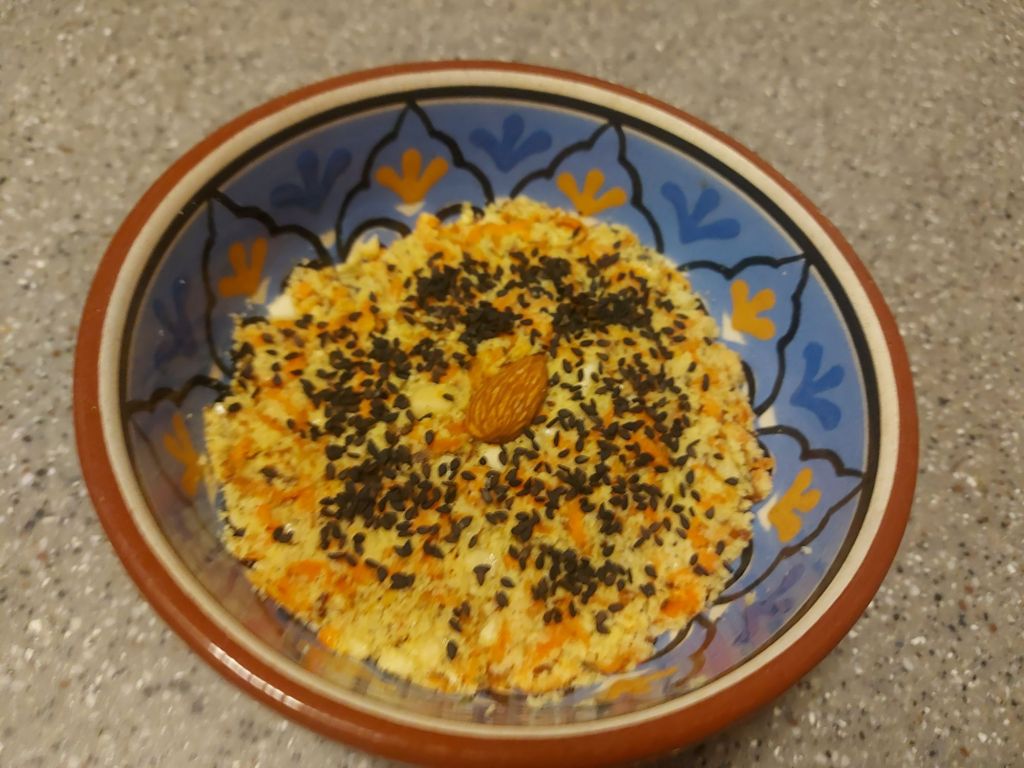
Bademli havuç tarator (carrot and almond tarator)

In Istanbul and along the Aegean coast tarator is a yogurt-infused meze made with carrots or courgettes and walnuts (recipe link here). Tarator started life in the eastern Mediterranean as a tahini-based dipping sauce for falafel. In Ottoman times it referred to a sauce made from walnuts, breadcrumbs and lemon juice (often served with kalimari), before it took on its yogurt iteration in the modern day. In Bulgaria, Tarator is the name of a yogurt-based, cold soup.

We adapted the recipe to make it vegan by replacing the yogurt with almond cream and gave it more of a Datça vibe by using almonds instead of walnuts and throwing in some local capers to give it an umami kick. The resulting dip had a thicker consistency than the yogurt version – it came out more like a savoury carrot halwa, but was still delicious.

Ingredients

  • 100 g blanched almonds
  • 50 ml cold water
  • Two teaspoons apple cider vinegar
  • 20 capers (with brine)
  • 150 g carrot
  • One or two garlic cloves (optional)
  • Pinches of herbs and spices of your choice (e.g. oregano, black pepper, salt, sumac, red chili flakes)
  • One teaspoon nigella (black cumin) seeds

Method

  • If your almonds have skins on, then pour hot water over the almonds and leave for a minute or two. Drain off the water and peel the nuts between your fingers. Set aside 20 g of the nuts. Cover the remaining almonds with cold water and leave to soak overnight.
  • Drain the almonds and put in a blender bowl. add the vinegar, capers and water and blitz to a smooth cream. Add more water if needed (10 ml at a time) to get the required creamy consistency.
  • Heat the oil in a heavy-based pan, grate the carrot and saute it in the oil for ten minutes over a medium heat. Add diced garlic (if using), the remaining almonds (crushed with a rolling pin or wooden spoon) and pinches of herbs and spices (as needed).
  • Allow the carrot mix to cool and then blend with the almond cream. Garnish with nigella seeds and some unblanched almonds. Serve as part of a meze set or as a dip.
Getting Back to our Roots

25 April 2024

Recently, Knidos Cookery Club was back in its spiritual home on the Datça peninsula in Turkey, getting back to its roots in the place where its culinary journey began eight years ago.

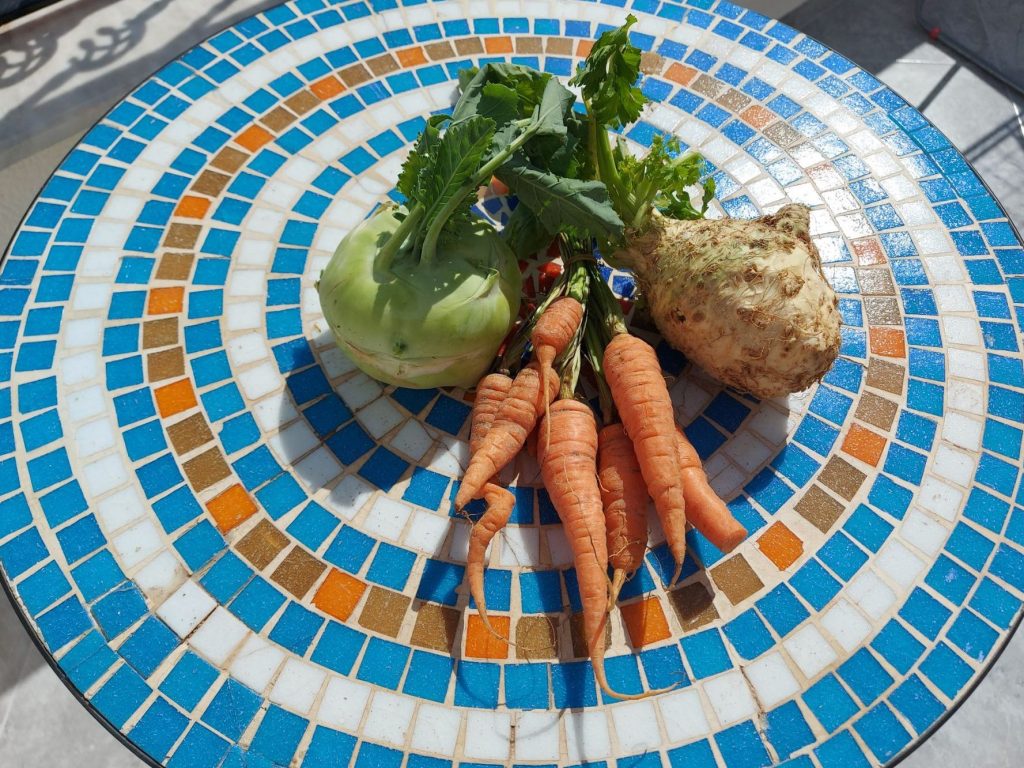
Getting back to our roots… carrots, celeriac and kohlrabi

This blog was named after the ancient Greek city of Knidos, the ruins of which are located on the tip of the peninsula. KCC started out exploring the veggie and vegan dishes eaten around this point where the Aegean Sea meets the Mediterranean Sea.

Since 2016, it has expanded its exploration to Central Asia and many other corners of the globe, seeking out new dishes to tickle your tastebuds!

Now, in addition to its WordPress blog, KCC is making its debut on Substack, where a regular newsletter will keep you up to speed with KCC’s latest culinary adventures, along with updated posts from the archive.

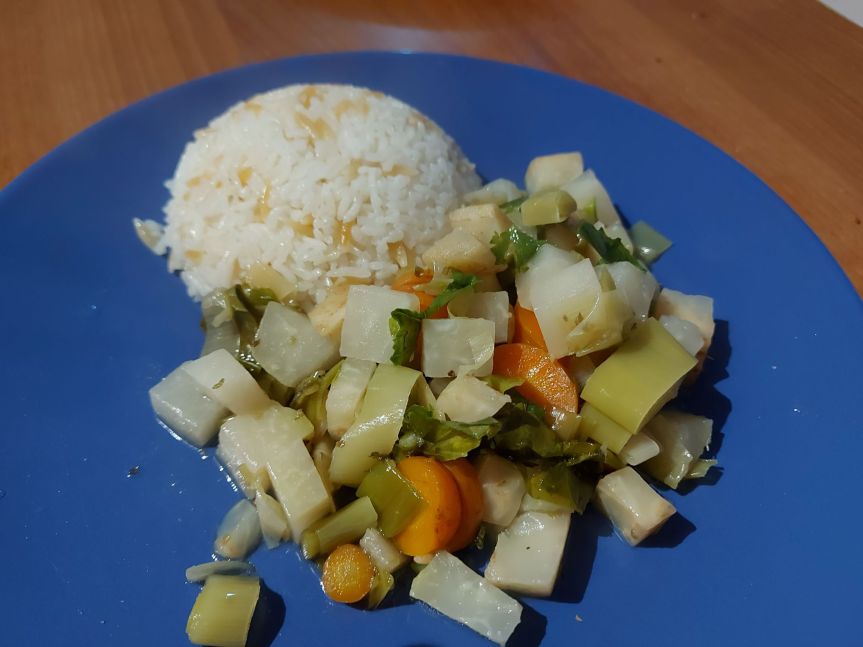
Zeytinyağlı carrot, celeriac, kohlrabi and leek with rice

After spending the winter in Kazakhstan, it was a treat to get back to Turkey with its wider choice of ingredients – it was time to move on from the winter staples, such as pumpkin and potatoes, and dig up some root vegetables that are less seen in Central Asia.

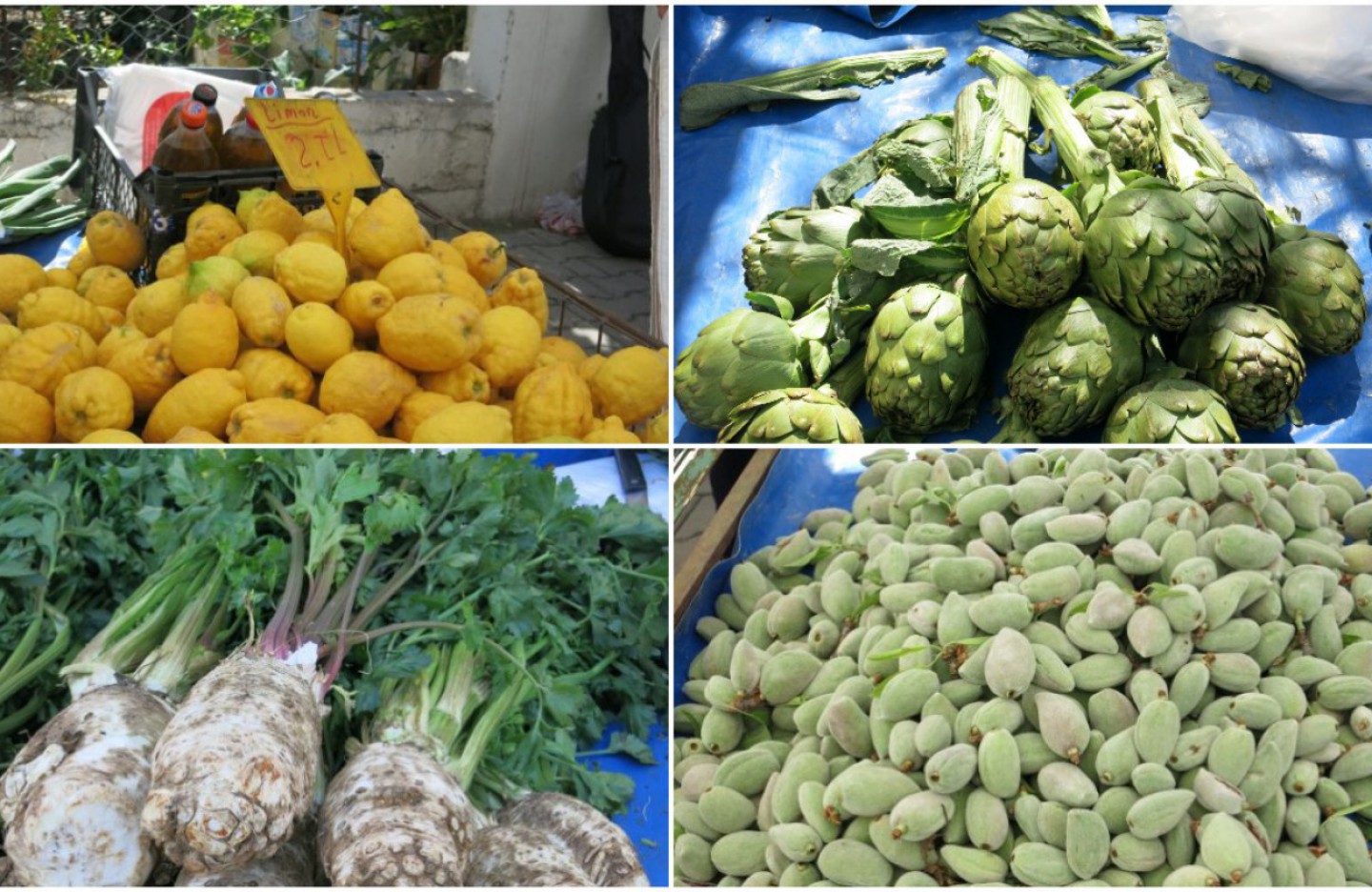
The local market turned up trumps with celeriac, kohlrabi and leeks on sale, perfect for making a zeytinyağlı (with olive oil) dish, so-called as these dishes are prepared with lashings of olive oil.

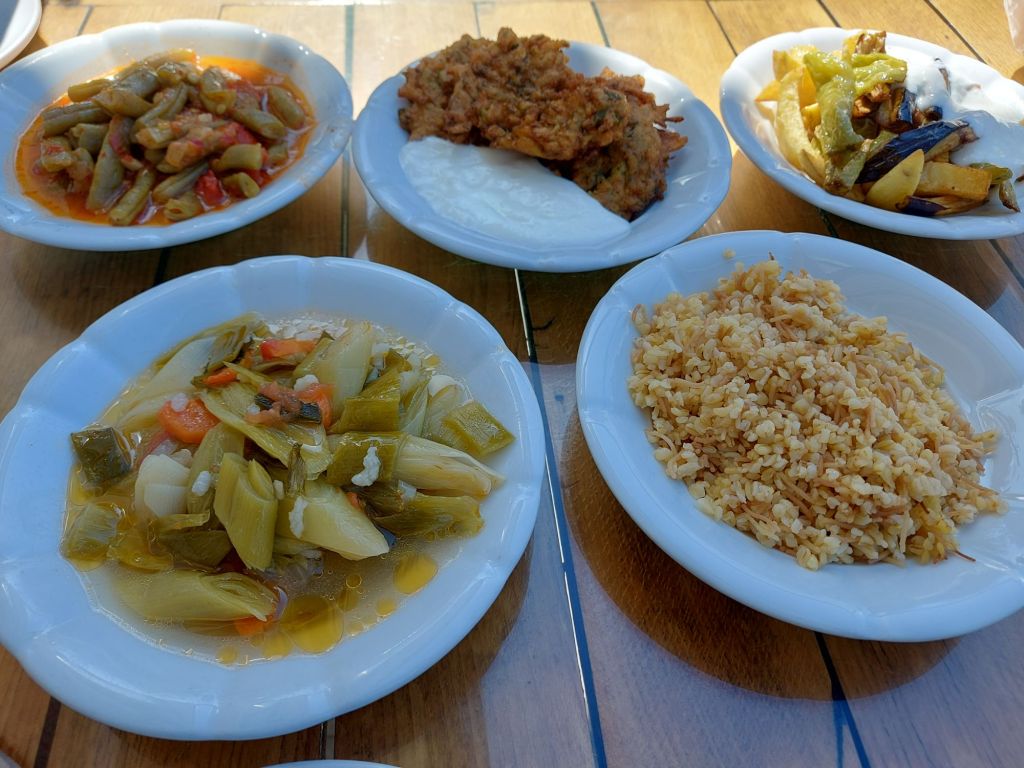
Standards include green beans (taze fasulye), artichoke (enginar) and leek (pırası). They are a staple of ev yemekleri (home-cooked food) restaurants, lokanta in Turkish, cheap and cheerful canteen-style eateries.

A selection of zeytinyağlı dishes – green beans, leeks and aubergines, green peppers and potatoes – from Datça’s Korsar/Erkin’nin yeri restaurant, located by the harbour

The last few years have seen the price of the key ingredient, olive oil, soar. This is due to numerous factors, including unexpectedly cold and wet conditions at the start of the growing season and drought and forest fires in the summer, that have led to poor harvests in the main olive-producing regions.

Global olive oil production has dropped by a third in just two years, which in turn has led to higher prices for consumers. However, we think it’s still worth shelling out that bit more for a bottle of extra virgin olive oil, as its fruity, peppery flavour adds so much to a cornucopia of delicious dishes, such as this carrot, celeriac, kohlrabi and leek zeytinyağlı  one:

Ingredients (makes 3-4 servings)

  • One medium-sized kohlrabi (approx 200 g)
  • One medium-sized celeriac (approx 200 g)
  • One bunch of baby carrots (approx 200 g)
  • One leek (approx 200 g)
  • One small lemon
  • 75 ml extra virgin olive oil
  • 100 ml vegetable stock
  • Two teaspoons dried oregano
  • One teaspoon sumac

Method

  • Wash the leek well and then cut it into 2 cm slices. Top and tail the carrots, kohlrabi and celeriac, put the leaves and stems to one side, and then peel off the hard outer skin of the kohlrabi and celeriac and chop both into 1 cm cubes. Slice the washed carrots into 2 mm rounds. Roughly chop the leaves and stems from the carrots, kohlrabi and celeriac.
  • Heat 50 ml of olive oil in a heavy-based pan over a low heat and then add the leeks. Stir fry for five minutes and then add the carrots, kohlrabi and celeriac and cook for another five minutes, stirring occasionally. Add the chopped leaves and stems and cook for another five minutes, continuing to stir every now and then.
  • Add the vegetable stock, the juice of the lemon and oregano and cook over a low heat for 15 minutes until all the vegetables are soft but still holding their shape. Stir in 25 ml of olive oil, garnish with sumac and serve with rice and some crusty bread to mop up the juices.

Green Bean Amandine

22 September 2022

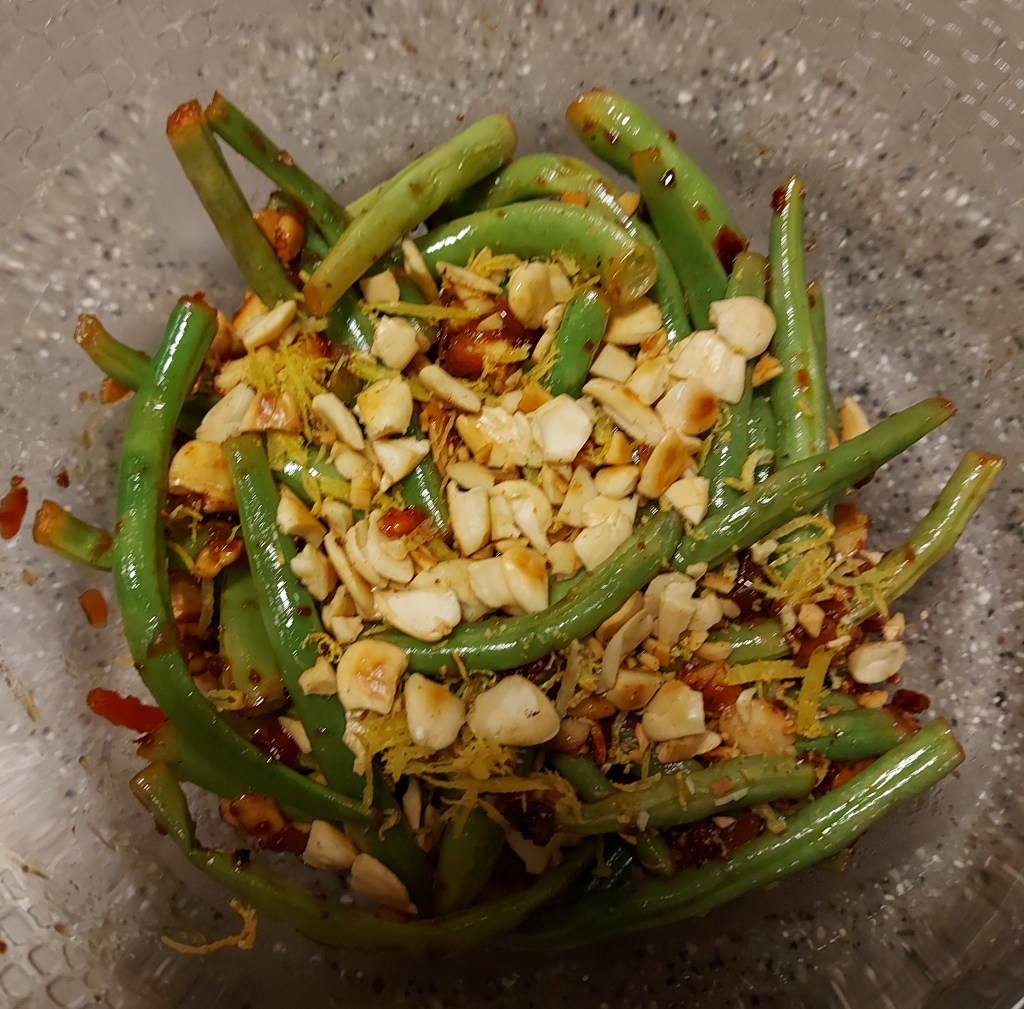
This time round on KCC, we’ve brought a recipe back from our heartland of the Datça peninsula that uses fresh almonds, lemons and olive oil to make an amandine dressing for green beans based on France’s classic almond sauce.

We had some great meze dishes on our travels around the peninsula including one made with fresh black-eyed beans – börülce in Turkish – and almonds at Ada Pansiyon on Ovabükü beach. Having failed to track down fresh black-eyed beans back in Almaty, we opted for green beans as they were available.

This dish can be served along other meze dishes – check out some of our other meze ideas here, or with bulgur, rice or pasta as more of a main course. The amandine dressing also works well with other vegetables such as broccoli and cauliflower.

Ingredients 

  • 500 g green beans
  • 100 g red onion
  • 100 g almonds
  • 50 ml olive oil
  • One lemon
  • One teaspoon chilli flakes

Method

  • Peel the almonds – put them in hot water for 30 seconds and then into cold water, the skins should now be easy to remove. Break the almonds into small chunks and toast in a frying pan over a low heat until they go a golden brown colour. Remove from the pan and set aside.
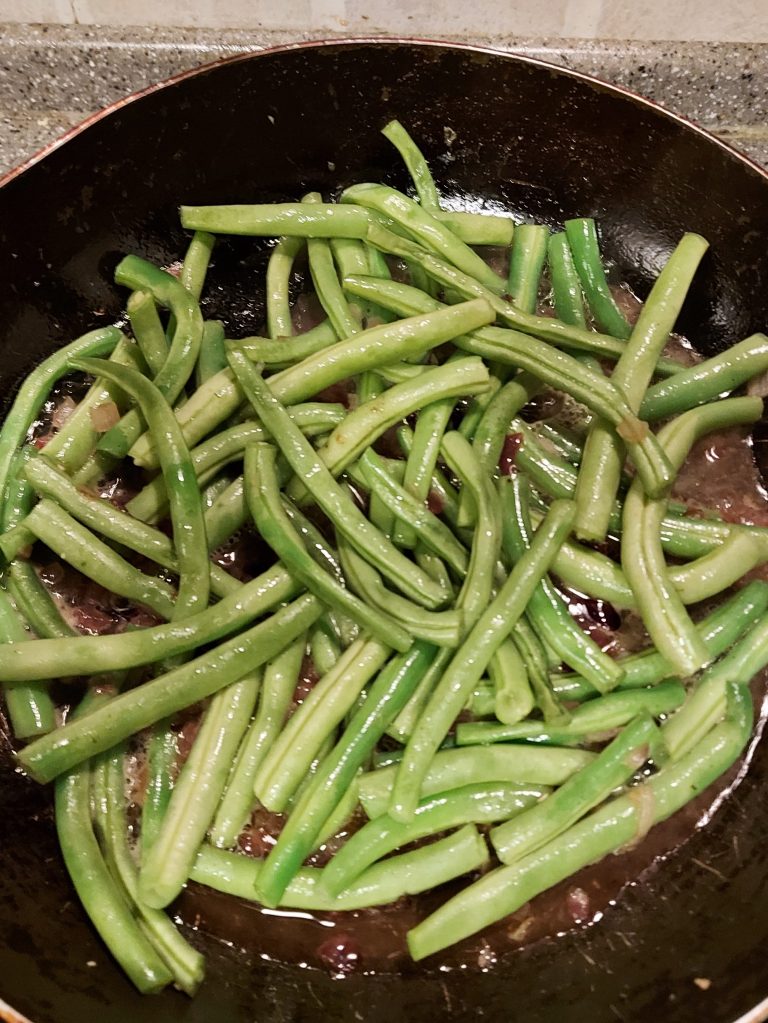
  • Top and tail the green beans and slice into 5 cm lengths. Heat the oil in the frying pan and then fry the chopped onion for five minutes and then add the beans and stir fry over a medium heat for five minutes or so – they should retain a little bit of crunch. While the beans are cooking, zest the lemon and then squeeze the juice.
  • Combine all the ingredients in a large bowl, including the lemon juice and chilli flakes and serve straight away or allow to cool if you prefer.

Lashings of Laghman as KCC Turns 5

31 March 2021

Today we’re celebrating KCC’s 5th anniversary with a hearty plate of laghman, hand-pulled wheat noodles, one of Central Asia’s favourite dishes. These thick, chewy noodles are often served with a rich, spicy sauce but we decided to make a drier version with spring greens and chickpeas.

We can’t believe that it’s been five years since we started our culinary journey in Datça, Turkey. KCC’s first recipe was this asparagus risotto, inspired by the fresh produce on sale in the town’s weekly market.

Over the last five years, we’ve branched out from Turkey and sought out dishes from around the globe with gastronomic excursions to Greece, Georgia, Russia, Albania, Italy, India, Sri Lanka, Central Asia and Mexico among others.

Since the start of the pandemic KCC has been confined to Almaty, Kazakhstan, so we’ve been trying out new recipes based on locally sourced ingredients which brought us to laghman.

When it came to making this dish we cheated a bit – Gulzada, our local greengrocer, now offers home made noodles along with whatever fruit and vegetables are in season.

If your local grocer doesn’t stock noodles and you have the time to pull your own noodles, then check out this recipe to make the key ingredient for your laghman.

Ingredients (for 3-4 servings)

  • 150 g noodles per person
  • 200 g mixed greens – we used cauliflower and radish leaves but you can use anything you have handy
  • 200 g leek
  • 50 g garlic chives (jusai)
  • 50 g celery
  • 350 g cooked chickpeas
  • 100 ml chickpea cooking water (aquafaba)
  • One teaspoon cumin seeds
  • One teaspoon red chilli flakes
  • 50 ml olive oil

Method

  • Heat the olive oil in a heavy-based pan and add the cumin seeds. Wash the leek thoroughly and then chop in half lengthways and then cut into 1 cm slices. Use as much of the leek as you can including the leafy green bits. When the cumin seeds begin to pop, reduce the heat to a low setting and add the leek to the pan and stir fry for five minutes.
  • Add the red chilli flakes, celery, garlic chives and chopped radish and cauliflower leaves to the leek and cook until the the leaves start to wilt. Stir in the chickpeas and the aquafaba and cook until most of the liquid is absorbed and you have a fairly thick sauce.
  • Bring a large pan of water to the boil. Put the noodles in the pan and leave for 2-3 minutes to warm them through. Arrange on a plate and pour the sauce on top and serve.

The Turk-Mex Chronicles: A Crazy Cactus Salad

5 September 2019

This week we’re cooking up a cactus salad with the main ingredient foraged from some wild prickly pear bushes in Turkey. In an earlier post we reported on some of the similarities between Turkish and Mexican cooking – they both love hot chilli peppers in their food, there’s plenty of beans used, fresh white cheese is a key ingredient and wrapping food in flat bread is popular.

20190827_165824.jpg
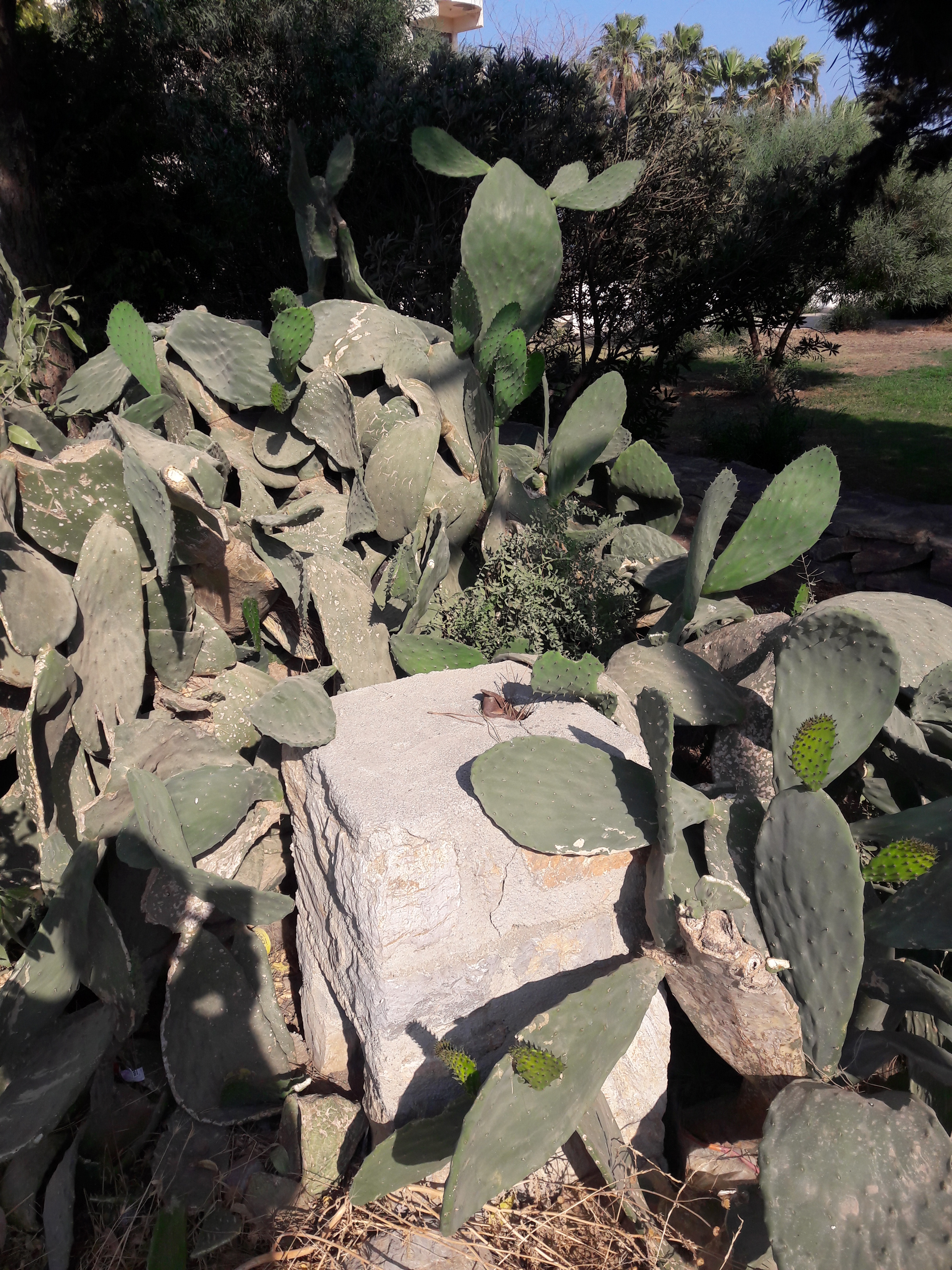
A prickly pear cactus growing wild in Datça, Turkey

A key area of difference is the use of cacti, a staple of Mexican cuisine. In Mexico the prickly pear paddles, known as nopales or napolitoes (from the Spanish for cactus), are used in a variety of dishes. They can be found in salads, as a taco or tortilla filling, simply grilled or scrambled up with eggs. They have a crunchy taste similar to green beans.

20190829_210243.jpg
Kaktuslu acili ezme

Whilst the prickly pear cactus grows all over southern Turkey, only the fruit – the prickly pears, are usually eaten and sometimes used in cocktails! We’re about to change all that with the first of one of our irregular ventures into the world of Turk-Mex cuisine…

How to deal with a thorny problem…

This slideshow requires JavaScript.

We harvested a few cactus paddles from a secret location in Datça, Turkey. After harvesting, we put on our marigolds and removed the thorns with a sharp knife, sliced the pads up and then boiled them. Next we mixed then in with a spicy tomato sauce, aka acili ezme, to create this Crazy Cactus Salad.

Ingredients (serves 3-4)

Four prickly pear cactus paddles (roughly hand-sized)

For the sauce:

  • One medium-sized onion
  • Three medium-sized plum tomatoes
  • One medium-sized green pepper
  • One garlic clove
  • One teaspoon capers
  • One bunch of parsley
  • One teaspoon dried mint
  • Three teaspoons red chilli flakes
  • Two teaspoons sumac
  • One teaspoon flavoured vinegar (such as apple or fig)
  • Three teaspoons pomegranate sauce

Method

Remove all the thorns from the pads with a sharp knife. Slice into 1 cm strips and then cut into 2 cm pieces. Boil in salted water for 8-10 minutes until cooked but still crunchy – cook them too long and they can go a bit slimy. Drain and rinse in cold water and then mix with the acili ezme salad (instructions below).

For the sauce:

  • Peel the tomatoes and de-seed (to peel: plunge the tomatoes into boiling water for 30 seconds then place in cold water – the skin should now come off easily). Chop the tomatoes, green pepper, onion, garlic and parsley as finely as you can.
  • Put all the ingredients into a bowl, add the herbs and spices, vinegar and pomegranate sauce and mix well. Leave to chill in the fridge for at least two hours before serving.


A Badass Peach and Halloumi Salad

23 August 2019

In the dog days of summer, a persistent tap-tapping sound can be heard resounding around the Datca Peninsula. Look for people huddled over piles of green shells to find the source of the tapping. This summer’s almond crop is in and the best way to get to the badass nuts is by hammering the shell open – labourious but ultimately worthwhile work!

A Nutcracker of Knidos beavering away in the summer haze in Turkey

The almond, badem in Turkish, is an important crop on the peninsula – check out this post from a few years ago on the many uses for almonds. We got hold of some of this year’s crop and combined them with some grilled peaches and halloumi cheese to make a super-tasty summer salad.

20190810_214141.jpg
A badass peach and halloumi salad

We got the idea for the grilled peaches from a salad we had in Kaş, Turkey. We grilled the peach and halloumi slices on the barbecue until they took on the required charred appearance. The combination of the sweetness of the peach with the saltiness of the cheese is a winning one.

Ingredients (serves 3-4)

  • 12 almonds
  • 250 g halloumi
  • One large peach
  • One large tomato
  • One bunch of rocket leaves
  • One cucumber
  • Two green peppers
  • Four spring onions
  • One teaspoon capers
  • One teaspoon dried thyme
  • Olive oil
  • Pomegranate sauce

Method

  • Cut the peach into eight slices and grill until just starting to char. Cut the halloumi cheese into eight pieces and grill until it goes a golden-brown colour.
  • Roughly chop the rocket leaves and slice the cucumber and green peppers and mix together with the capers. Dress with the thyme, olive oil and pomegranate sauce.
  • Slice the tomato into wedges and arrange with the peach and halloumi slices on top of the green salad. Just before serving, place an almond on top of each halloumi slice and put four in the middle.

Putting on the Piyaz: Turkey’s Versatile White Bean Salad

2 August 2019

Knidos Cookery Club has just arrived back at its home base on the Datça Peninsula in Turkey. We’re going to soak up some more culinary inspiration from the place where the Mediterranean and Aegean Seas meet around the ancient Greek settlement of Knidos.

20190802_125534-e1564740306182.jpg
Piyaz – Turkish White Bean salad

To celebrate being back in Turkey, we’ve prepared a piyaz salad, one of the classic dishes of Turkish cooking, that combines small white beans with some readily available staples of the local kitchen; namely tomatoes, onions, green peppers, parsley and lemons.

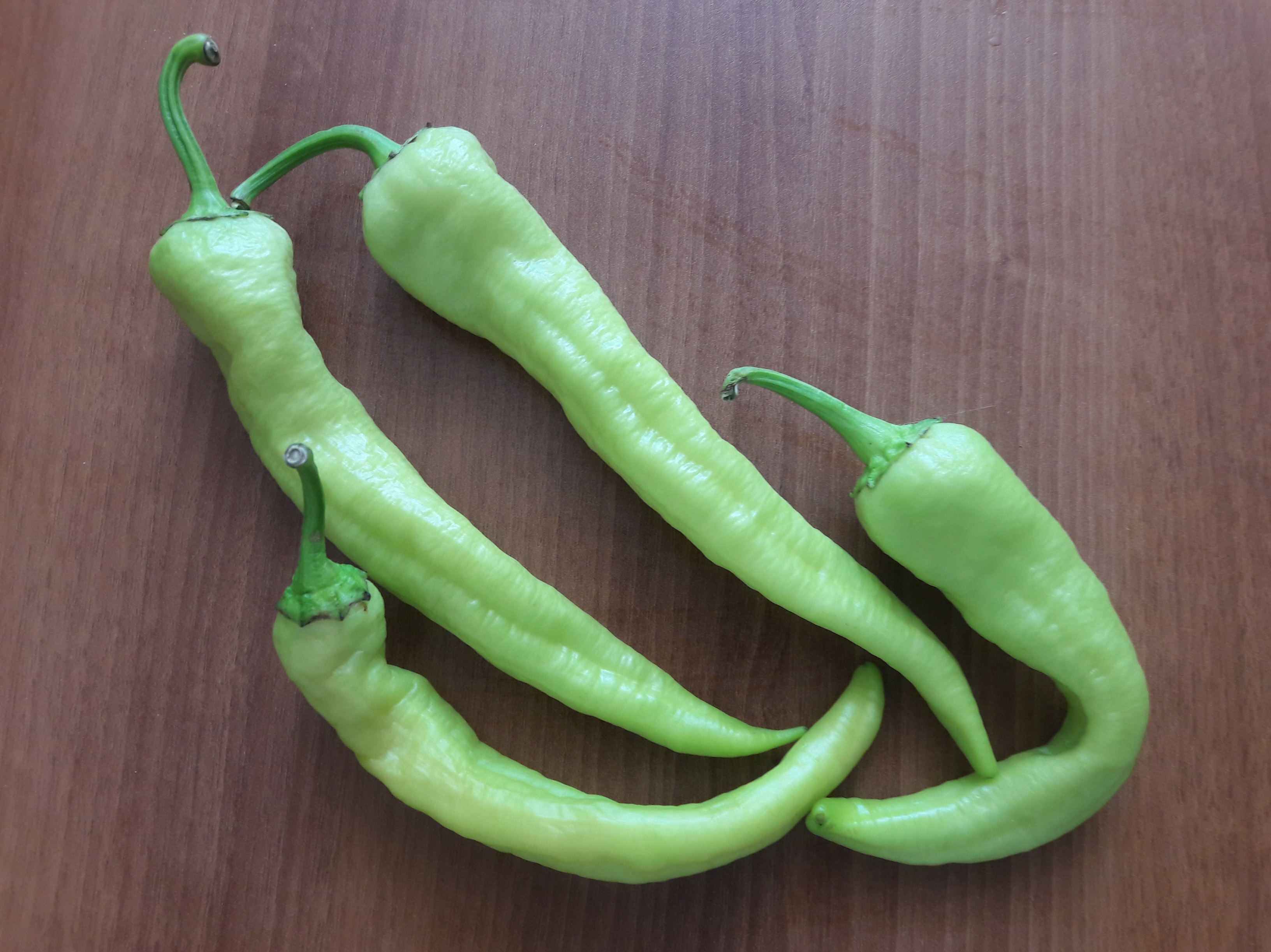
20190801_160820.jpgTurkey’s çarliston peppers aka banana peppers

The secret of this dish is in getting the beans just right – not too mushy but not too firm either. They need a good, long overnight soak and some slow cooking to achieve the required consistency.

The dressing used varies across Turkey from the basic lemon, olive oil and apple vinegar one favoured in Istanbul to the tahini-infused one from Antalya, paying tribute to the Arabian influence from the Middle East on the city’s cuisine. We have opted for the creamy, nutty taste of the latter.

Ingredients (makes 3-4 servings)

  • 200 g dried haricot beans or other small white beans soaked overnight
  • 1 medium-sized plum tomato
  • 1 long, green pepper (e.g. çarliston pepper – see photo above)
  • 1 small onion
  • 2 lemons
  • Small bunch of parsley
  • 50 ml olive oil
  • 50 ml apple vinegar
  • 25 ml tahini
  • 2 teaspoon dried thyme
  • 1 teaspoon red chilli flakes
  • Optional: Two boiled eggs or one avocado

Method

  • Cook the beans over a low heat until tender but not starting to go mushy. When cooked, drain off the cooking water, reserving 100 ml to make the dressing. Pour the vinegar and sprinkle the thyme over the beans and leave to cool.
  • After leaving for a few hours, add the vinegar the beans were soaking in to the reserved bean juice and then blend with the olive oil, tahini and the juice of one lemon to make a smooth sauce.
  • Finely dice the tomato, slice the pepper and onions into rings and chop the parsley finely. Add these to the beans.
  • Cover the salad and put it in the fridge for a few hours. Serve with wedges of the second lemon and sprinkle the red chilli flakes over the salad.
  • Just before serving, pour the dressing over the bean salad and season with black pepper and gently mix all the ingredients together with a wooden spoon.
  • You can garnish with quarters of boiled egg if you wish or, for a vegan twist, you can garnish the salad with slices of avocado.

Heavenly Halloumi

13 September 2018

As promised a few weeks back on Knidos Cookery Club, here’s another use for those tasty vine leaves. While jetting down to KCC HQ in Datça recently, we spotted a Cypriot recipe in an airline magazine for halloumi cheese wrapped in vine leaves and we decided to adapt it by using some of the Datça Peninsula’s key ingredients:

20180805_211440

Yep, that’s almonds, olives, thyme, capers and lemon. We mixed all these up to make our 5-star Datça paste which we then used to coat slices of our favourite squeaky cheese. After applying the paste, wrap the cheese slices with the leaves and then bake in the oven for 30 minutes or so until they look like this:

20180802_133525(0)

Ingredients (makes four servings)

200 g halloumi

12 vine leaves

75 g almonds

150 g olives

One lemon

two teaspoons dried thyme

25 g capers

Method

Soak and wash the vine leaves to remove any taste of brine, and then cut the stalk from the bottom of the leaf. You’ll need about three vine leaves for each slice of halloumi.

Now prepare the paste – stone the olives and place the bits of olive in a small dish. Soak the almonds in hot water for a minute or so and then put in cold water and peel off the skin. Break and add to the olives.

Add the capers and lemon juice and the thyme and use a hand blender to make a smooth paste. Cut the halloumi into four slices and smear each slice generously with the paste. Wrap the vine leaves around the cheese and then place in a baking dish or on a baking tray.

Bake in the oven at 180 c for thirty minutes or so and serve while hot with a seasonal salad and a selection of mezes.


Pidemania: The Great Turkish Bake Off

1 February 2018

“April is the cruellest month” as TS Eliot put it, but I’ve always thought there’s a case for  February to be considered crueller. As winter drags on interminably in the northern hemisphere – we’re still six months away from August and the height of summer – those long, lazy days all seem so far away, especially with the mercury plunging into serious minus territory as in Knidos Cookery Club’s winter HQ in Almaty, Kazakhstan.

20180131_213541
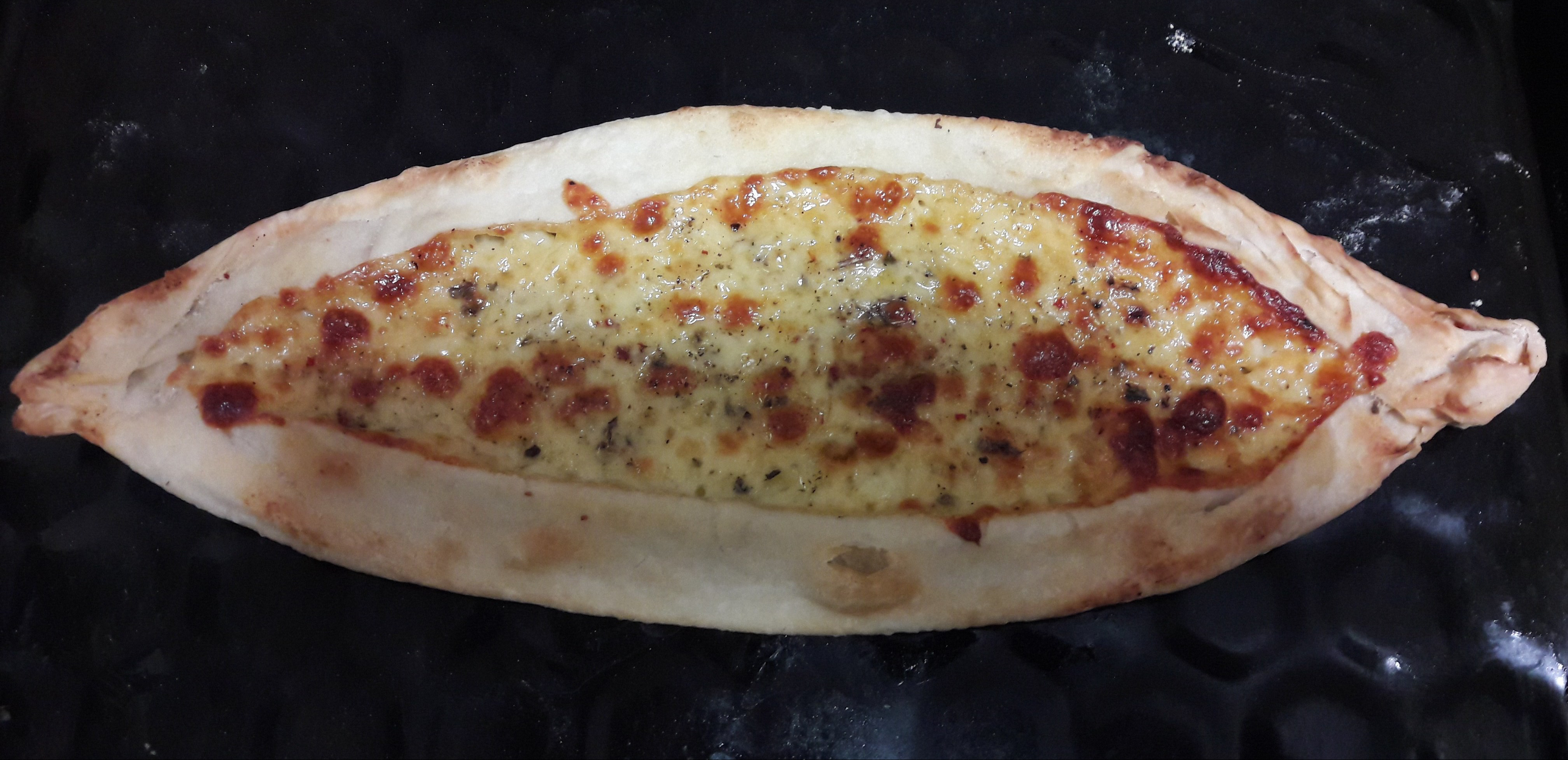
Yum yum – Kaşarlı Pide

So, thoughts have been turning to warmer times and to distant memories of eating pide, Turkey’s take on pizza, under the shade of mandarin trees in Datça.

20180201_125324.jpg
or maybe Otlu Pide?

With KCC’s new oven up and running in Almaty, it’s high time for a Great Turkish Bake Off as we take on the pide challenge and bring a slice of the Turkish summer into the winter gloom of Kazakhstan. 

We’ll be making a standard Kaşarlı Pide, an open one made with a yellow cheese such as cheddar – See the three stages for assembling this pide above. 

And here is an Otlu Pide, a covered one made with various greens such as spinach and parsley and a ricotta-like cheese called lor as seen above.

Ingredients (Makes four pides)

For the base:

300 g flour

One teaspoon dried, instant yeast

125 ml cold water

30 ml olive oil

For the filling:

Kaşarlı Pide (makes 2)

200 g grated yellow cheese such as a mild cheddar

Pinch of red chilli flakes

Pinch of dried thyme

Pinch of freshly ground black pepper

Otlu Pide (makes 2)

One small onion

125 g spinach

25 ml olive oil

One bunch fresh parsley (around 25 g)

One bunch fresh coriander (around 25 g)

100 g ricotta cheese (or similar)

One teaspoon cumin seeds

One teaspoon red chilli flakes

Pinch of dried thyme

Pinch of freshly ground black pepper

Sprinkling of sesame seeds (or black, nigella seeds if you can find them)

Method:

Sieve the flour into a large, ceramic bowl, add the dried yeast, make a well in the middle and pour in the olive oil and slowly add the water and mix well so that all the flour is used up.

Knead for ten minutes or so until you have a stretchy, elastic dough. Put in an oiled bowl and cover with a tea towel and then leave it to rise in a warm place for 30 minutes or so until it is doubled in size.

While the dough is rising, prepare the filling for the Otlu Pide. Heat the olive oil in a frying pan and add the cumin seeds, chilli flakes, dried thyme and black pepper and then add the finely chopped onion. Cook for five minutes and then add the chopped spinach, parsley and coriander and cook until it all begins to wilt. Allow to cool and then stir in the lor (ricotta) cheese.

Divide the dough into four and roll each ball into a 30 cm by 20 cm oblong about 1 mm thick on a lightly floured surface. For the Kaşarlı Pide, spread the grated cheese over the middle leaving 2 cm around the edges and season with thyme, chilli flakes and black pepper. Fold the edges over and then fold again and pinch the ends together to make a boat shape. Glaze the dough with olive oil.

For the Otlu Pide, place half the filling in the bottom half of the rolled out dough then fold the top over and make into a parcel shape (as in the picture above). Glaze with olive oil and sprinkle with sesame seeds.

Bake the pides in an oven pre-heated to 200 c for 20-30 minutes or so until the cheese bubbles and is starting to go brown and the dough is also starting to go a golden-brown colour. Serve straight from the oven with a salad of your choice.

One Pot Wonder: A Trip to Knidos

23 November 2017

Knidos Cookery Club recently entertained Professor Fox, that doyen of the Christchurch Antiquarians, who came over to Turkey to check out the ruins of Knidos and some archaeological sites in the Datça area such as Burgaz (Old Knidos).

Here’s a slideshow of our visit to Knidos:

This slideshow requires JavaScript.

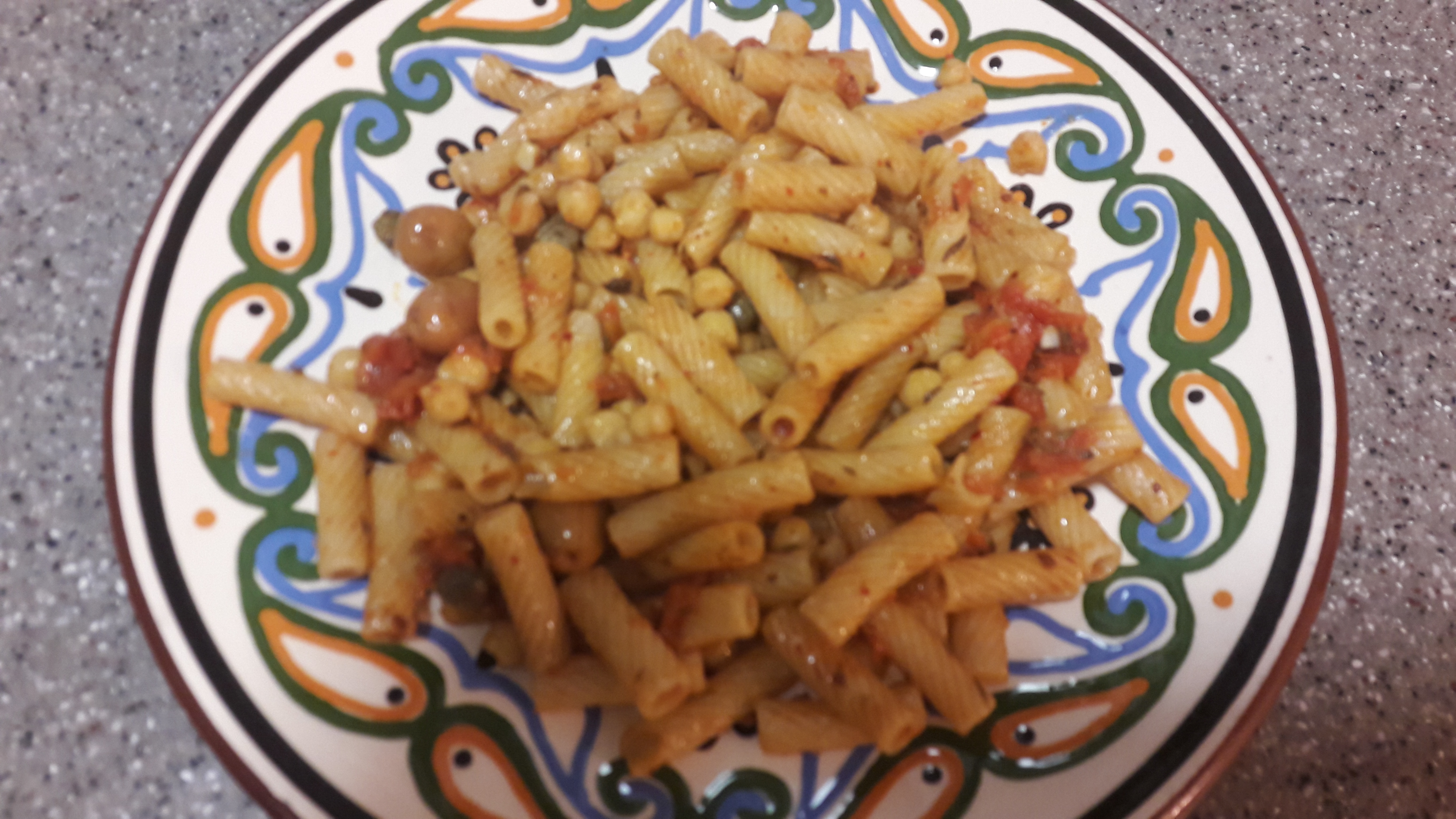
After the trip we needed something quick and filling so this time round on Knidos Cookery Club we’ll be cooking pasta in a tasty sauce using only one pan.

20171025_214236
KCC’s one pot wonder in progress

This one pot wonder saves time, energy and washing up, both important  considerations in the world of KCC after a busy day on the archaeological trail.

20171025_222310
KCC’s one pot wonder – the finished product

Ingredients (serves 2-3)

Three medium-sized tomatoes (approx 150 g)

50 g olives (any you have handy will do, we used some green ones)

150 g cooked chick peas

200 g pasta (penne, fusilli or spaghetti works well)

500 ml hot water

15 g capers

One garlic clove

25 ml olive oil

One teaspoon dried thyme

One teaspoon sumac

One teaspoon chilli flakes

Method 

Chop the tomatoes into quarters and add to a large, heavy-based pan with the olives, chick peas, minced garlic, olive oil, thyme, sumac and chilli flakes. Pour the water over the top, add the pasta, stir and bring to a boil.

Cook the pasta as per the instructions on the pack over a medium to high heat – you need to keep it bubbling away and stir occasionally. Keep cooking until the most of the liquid is boiled off, leaving the cooked pasta in the sauce.

The type of pasta we used took around 15 minutes to cook – try it as you go to get the type of taste you prefer. Don’t forget to stir in the washed capers to the pasta and sauce when it is cooked.

Serve straight from the pan and garnish, if you want, with shavings of Parmigiano-Reggiano (Parmesan) cheese.