Punked-Up Vichyssoise

14 June 2018

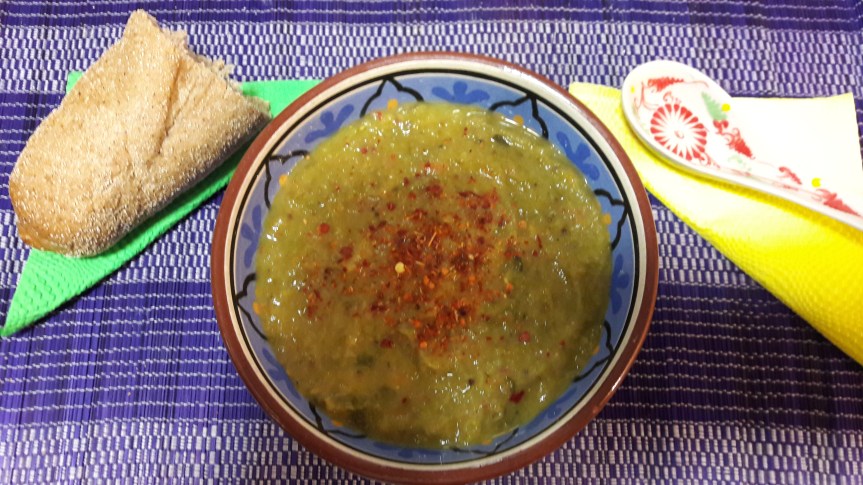
With football’s World Cup kicking off in Russia today, this time round on Knidos Cookery Club we’ve decided to take on that classic French soup – Vichyssoise, as we have a sneaking suspicion that after 20 years this could be France’s year to lift the FIFA World Cup Trophy.
20180404_205650

The usual flavouring of this soup can be a bit bland to our Asian influenced taste buds, so we’ve spiked it with some chilli powder and mustard seeds to give it a bit of oomph. We’ve called this punked-up creamy combo of leek and potato, that can be eaten hot or cold, Sid Vichyssoise, excuse the pun, after the late, great Sex Pistols bassist.

As we said, this soup can be served hot or cold, making it perfect for the long, balmy nights of mid-June when chilled or as hearty winter fare when served hot in colder times. Just make sure you clean those leeks properly. as you don’t want any grit in the end product.

Ingredients (for 4 servings)

  • 50 ml olive oil
  • 200 g leeks
  • 200 g baby carrots
  • 200 g new potatoes
  • 1/2 teaspoon mustard seeds
  • 1 teaspoon cumin seeds
  • 1 teaspoon black pepper
  • 2 teaspoons red chilli flakes
  • 300 ml vegetable stock
  • Dash of soy sauce

Method

  • Heat the olive oil and mustard seeds in a heavy-based pan until the seeds begin to pop. Next, add the leeks, sliced into 1 cm rounds, the cumin seeds, black pepper and red chilli flakes and cook for five minutes. Then add the finely diced carrots and potatoes and cook for five more minutes, stirring occasionally.
  • Now add the stock and the soy sauce, stir well and let it simmer over a low heat until the potatoes are beginning to fall apart. Remove from the heat and blend with an electric hand whisk to create a smooth, creamy soup and then leave to chill in the fridge before serving with another sprinkling of red chilli flakes.

Piccata: a Zingy Sauce to Pique your Interest

31 May 2018

As the market stalls overflow with fresh spring produce, this time round on Knidos Cookery Club we’ve selected some zingy greens to make a zesty, lemony piccata sauce to go with pasta and some other leafy greens.

20180524_181759
KCC’s Chick Pea Picatta on a bed of sorrel

The piccata sauce comes from Italy and is a lemon-fuelled accompaniment to a variety of dishes. The name derives form the Italian word for ‘annoyed’, piccato, and it is from the same root as the word used in English expressions such as ‘a fit of pique’ or ‘to pique your interest’.

We’ve used jusai, garlic chives, to add more flavour to the sauce, along with white wine, capers and lemon zest and juice to give it a picquant bite. Add some chick peas and serve on a mound of pasta placed on top of a bed of fresh sorrel leaves for a tangy treat.

Ingredients (serves 3-4)

250 g cooked chick peas

25 ml olive oil

50 g garlic chives

2 tablespoons flour

100 ml white wine

500 ml vegetable stock

12 capers

Zest and juice of one lemon

1 teaspoon dried thyme

black pepper

250g dried pasta (we used spirals) cooked according to instructions on pack

Bunch of fresh sorrel

Method

Heat the olive oil in a heavy-bottomed pan over a medium heat and then add the chopped garlic chives. Cook for five minutes and then add the flour and stir well. Pour in the wine and mix to a paste and then slowly add the stock, stirring all the while.

Simmer over a low heat until the sauce starts to thicken, then add the chick peas, capers and thyme and cook for three minutes. While the sauce is simmering, cook the pasta. Grind a generous amount of black pepper into the sauce along with the lemon juice and zest.

Tear up the sorrel leaves and scatter over a plate. Place a pile of pasta in the middle of the plate on the leaves, and then pour the piccata sauce over the pasta and serve immediately.


Chiving around with Jusai

17 May 2018

This time round on Knidos Cookery Club, we’ll be cooking with jusai, one of the few leafy greens to make it past the strict controls of Kazakhstan’s carnivore police.

screen-shot-2018-05-16-at-16-45-35.png
Jusai in bloom

The fare in Kazakhstan is a salad-dodger’s delight – it’s very meat heavy with potatoes or carrots only occasionally making an appearance – Kazakhs like to joke that they are second only to wolves in their meat consumption, so jusai is a welcome addition to this diet.

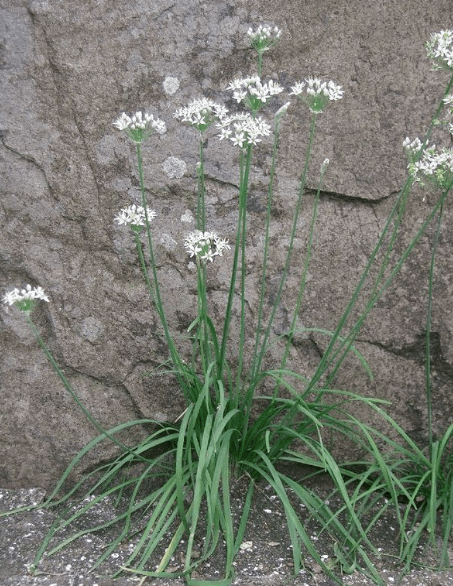
Jusai’s official name is allium tuberosum, and it’s a member of the onion family – you might know it as Chinese chives or garlic chives in English. Jusai originated in China but it’s now grown all over Kazakhstan. It imparts a mild garlic flavour to dishes and is used as a filling for pasties and dumplings in Kazakh kitchens.

20180513_230804
Brown rice pilau with jusai, lemon and walnuts

We decided to cook it up in some cider with some brown rice, onion, lemon and walnuts to make a pilau, or a loose take on risotto. It pairs well with some oven-baked seasonal vegetables or a seasonal salad.

Ingredients (serves 3-4)

  • 300 g brown rice
  • 50 ml olive oil
  • one medium-sized onion
  • one lemon
  • 100 g toasted walnuts
  • 200 g garlic chives
  • 250 ml dry cider
  • 750 ml vegetable stock
  • one teaspoon mustard seeds
  • one teaspoon cumin seeds

Method

  • Heat the oil in a heavy-based pan and add the mustard seeds – when the seeds start to pop, put the finely diced onion in and fry for five minutes over a medium heat. Add the cumin seeds and stir well and then add the rice, stirring for a minute to coat the grains with oil.
  • Reduce the heat and pour in the cider, stirring occasionally as the mix simmers so the rice doesn’t stick to the pan. When the liquid is absorbed, add 250 ml stock and continue to simmer and stir every now and then. Add more stock when this is absorbed and keep going until the rice is almost cooked.  Add more stock if needed – the rice should be al-dente.
  • Remove for the heat and mix in the finely chopped garlic chives (leave some to garnish the pilau), the lemon zest, toasted, chopped walnuts and the lemon juice and mix well. Cover the pan and leave to stand for five minutes.
  • Serve with oven-roasted vegetables or a leafy green salad and garnish with the remaining garlic chives.


A Must-Have Mastava

26 April 2018

Knidos Cookery Club is just back from a foodie fact-finding mission to uncover some new recipes along the Silk Roads. While on the expedition, we inadvertently fell foul of Kazakhstan’s strict zero tolerance laws while munching on a local delicacy, sunflower seeds.

20180315_110927.jpg
Sunflower seed munchers are not welcome in this park in Shymkent, Kazakhstan

It turns out that eating this tasty little snack in public is an offence, classified as “petty hooliganism”, and punishable by watching a video of Kazakhstan’s president Nursultan Nazarbayev railing against this social evil and the payment of a fine (4 x the Monthly Calculation Index (MCI) that is used to calculate benefits and fines – approx £25).

After this contribution was made to the Shymkent Police Nauryz party fund, the situation was resolved amicably and we were all able to go on our merry way, suitably chastised!

The road trip also took in a visit to Uzbekistan, which has inspired KCC to attempt Mastava a traditional Uzbek rice and chunky vegetable soup  – it’s usually prepared with lamb or beef but we’ve used lentils and red beans instead of meat to add the protein in our version.

20180320_225344
A hearty bowl of mastava and a cup of green tea

Mastava uses whatever seasonal vegetables are to hand – we had carrots, potatoes, tomatoes, pumpkin and some red peppers for our version. We’ve liberally spiced it with cumin, coriander seeds, red chilli flakes and black pepper as well as some fresh coriander to garnish the soup.

Ingredients (makes around 4 – 6 servings)

150 g green lentils or similar

250 g red beans

150 g pumpkin

150 g rice

200 g cherry tomatoes

Four small potatoes

One large carrot

One red pepper

Six spring onions

30 ml olive oil or other vegetable oil

1 litre vegetable stock

One teaspoon cumin seeds

One teaspoon coriander seeds

One teaspoon black pepper

One teaspoon red chilli flakes

One bunch fresh coriander

Method

Heat the oil in a heavy based pan and add the crushed black pepper, cumin and coriander seeds and chopped spring onions. fry for five minutes over a medium heat and then add chunks of carrots, tomatoes and red pepper. Cook for 10 minutes and then add the vegetable stock, red chilli flakes, potatoes and rice and bring to a boil.

Simmer over a low heat for 20 minutes, and then add the cooked green lentils and red beans and chunks of pumpkin. Keep simmering until the rice is cooked, stirring occasionally. Serve in bowls and garnish with fresh coriander.


Leeky Pastitsio

5 April 2018

We’re back and, with Orthodox Easter just around the corner, this time round on Knidos Cookery Club we’ll be making our own version of pastitsio, a Greek take on Italy’s lasagne. Our version comes with a red wine, tomato and lentil ragu and a leek infused béchamel sauce.

leeky pastitsio
KCC’s Leeky Pastitsio

A few weeks ago, I left some beans soaking overnight and when I checked them in morning the pan was mysteriously filled with soaked penne rigate pasta! A quick look online to determine if the pasta was usable led me to this post on the Ideas in Food blog, and this confirmed pre-soaking in cold water as an effective way of preparing dried pasta.

20180402_204515
Leeky pastitsio and salad

Pastitsio is one of those dishes that tastes great straight from the oven but improves with age as the cinnamon, nutmeg and other flavours have time to blend properly. It works well heated up the next day or even tastes good cold. We served ours with a crisp salad of rocket leaves, carrot. radish and tomato.

Ingredients (For 3-4 hearty servings)

200 g penne rigate pasta

For the ragu:

25 ml olive oil

4 spring onions

200 g cherry tomatoes

2 tablespoons tomato paste

100 g red lentils

175 ml red wine

1 teaspoon of cinnamon, cumin, black pepper and red chilli flakes

For the Béchamel sauce:

50 ml olive oil

250 g leek

3 tablespoons flour

400 ml milk (dairy or non-dairy)

60 g cheese (dairy or non-dairy)

One teaspoon of nutmeg

Method

Soak the pasta in a pan of cold water for two hours and while it’s soaking cook the red lentils in 200 ml water until mushy and all the liquid is absorbed. Then prepare the ragu and after that the béchamel sauce.

For the ragu, heat the oil in a heavy-based pan and then fry the chopped spring onions for a few minutes. Add the quartered cherry tomatoes, tomato paste and spices and mix well. Add the wine and when it starts to bubble add the cooked and drained lentils. Cook for ten minutes over a low heat.

For the béchamel sauce, heat the oil in a heavy-based pan and then add the sliced leeks and cook for five minutes over a medium heat. Add the flour and mix well and then ad  the milk slowly, stirring continuously with a wooden spoon. Add half the grated cheese and nutmeg and cook until the sauce is just starting to boil, stirring all the while.

Layer half the soaked penne in the bottom of an oven proof dish and pour the ragu over. then layer the rest of the pasta on top of this and pout the béchamel sauce over. Add the remainder of the grated cheese and bake in a pre-heated oven at 200c for thirty minutes.

Serve straight away with a green salad or let it sit overnight in the fridge for a tastier pastitsio that can be served hot or cold.

Unravelling Ravioli on the Path to Pkhali Pierogi

1 March 2018

This time round on Knidos Cookery Club we’ll be unravelling ravioli, one of the many forms of filled pasta pockets found around the world – from Turkey’s manti, Uzbekistan’s chuchvara and Kazakhstan’s tushpara to Russia’s pelmeni, Ukraine’s varenyky and Poland’s pierogi – the list is endless.

20180223_232604
KCC’s beetroot-filled pkhali pierogi

These pasta pockets, which are boiled rather than steamed, can come in a variety of shapes and sizes with a wide range of fillings such as pumpkin, potato, spinach and ricotta cheese, or different types of fruit.

We’ve opted for a semi-circular shaped pierogi which we’ve filled with beetroot and walnut pkhaliclick here for our feature on this classic Georgian dish from last year.

20180225_181745
Three steps to a perfect pierogi!

Ingredients (Makes 16-24 depending on how big you make the pierogi)

For the pasta:

200 g flour

3 teaspoons olive oil

100 ml water

pinch of salt

Method

Make the pasta by sifting the flour into a large mixing bowl and then add the oil, a pinch of salt and half of the water in a well in the middle of the flour. Mix inwards from the outside with a wooden spoon and then add the rest of the water until the dough has absorbed all the flour.

Knead for ten minutes or so and then leave the pasta dough to rest in the fridge for at least one hour. After resting, roll the pasta out onto a lightly-floured surface to a thickness between 0.5 and 1.0 mm.

Use a glass to cut out round shapes from the dough, add a teaspoon of cooled beetroot pkhali in the bottom half of the circle and moisten the inside edge around the filling with a little water and then fold the top over. Use a fork to seal the pasta pocket.

Bring a large pan of water to the boil and then add the pierogi to the water and keep boiling over a low heat until the pierogi float to the surface. Remove the pierogi with a slotted spoon and serve hot – they’re good served with sour cream or melted butter or just plain.

Korea’s All-Conquering Carrots

15 February 2018

Happy Lunar New Year to all our readers – wishing you all many culinary adventures in the Year of the Dog!

With both South and North Korea back in the headlines with the Winter Olympics in full swing in Pyeongchang and the ongoing tensions on the Korean peninsula, this week Knidos Cookery Club will be making a dish that has become a hit in the former Soviet Union and beyond – spicy Korean carrots.

20180209_122129
Spicy Korean Carrots

It’s a dish that’s not really from Korea, north or south – largely unknown outside of the countries of the former Soviet Union until recently, this simple dish has now gone full circle and can now be found on tables in South Korea.

It originated with the Koryo-saram, Korean people, who were deported en masse from the borderlands of Russia’s far east to Central Asia in the late 1930s. Fearing a Japanese fifth column in the Soviet Union via this Korean community, Stalin ordered the mass deportations in 1937.

20171117_170001
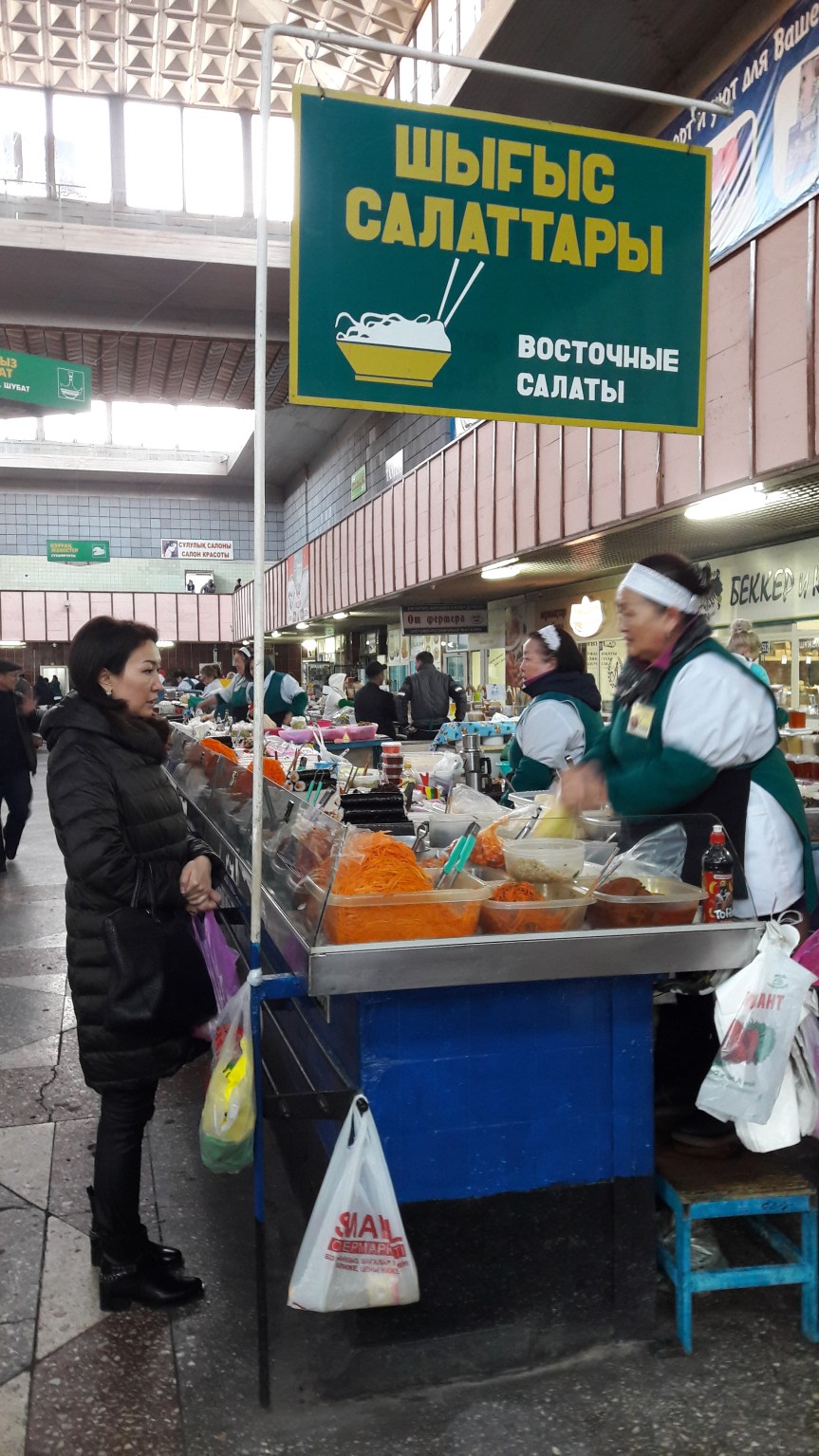
Korean carrots and other salads on sale in Almaty’s Green Bazaar, Kazakhstan

The deportees adapted their cuisine to local conditions and replaced traditional ingredients with carrots to create a spicy, coriander-rich side dish and it remains a popular choice on dinner tables in Central Asian countries such as Uzbekistan, Kazakhstan and Kyrgyzstan, which are still home to around 300,000 ethnic Koreans, descendants of the deportees from the 1930s.

There’s a Turkish connection with the Koreas as well. With Turkey on a war footing once again, wading into battle against the Kurds in northern Syria, a recent film has brought a mostly forgotten war involving Turkey from the 1950s back into the spotlight. Can Ulkay’s “Ayla: The Daughter of War” tells the story of a Turkish soldier who saves a young Korean girl during the Korean War of 1950-53.

Turkey sent troops as part of a United Nations led brigade to defend South Korea against North Korea in the war. The soldier finds himself unable to take the orphan back to Turkey so the pair lose touch after the war, but in a fairytale ending are reunited 60 years later. Put your feet up and enjoy the movie with a bowl of spicy Korean carrots!

Ingredients (serves around 4)

200 g carrots peeled into thin slices – use a julienne peeler or a sharp knife

One garlic clove minced

One small onion minced

One teaspoon crushed coriander seeds

Half teaspoon red chilli flakes

Dash of olive oil

Two teaspoons cider vinegar

Half teaspoon honey

Pinch of salt

One teaspoon sesame seeds

Method

Mix the julienned carrots with the garlic and leave to marinate in a container with a tight-fitting lid (this carrot salad can get quite pungent, so this is important!).

Heat the olive oil and fry the onion until just beginning to brown. Mix the vinegar with the honey and salt and then pour over the carrots, add the coriander and chilli and the fried onions and mix well.

Leave the carrots to marinate in the air tight container in the fridge for at least four hours, the longer the better, to allow the flavours to blend fully.

Sprinkle with sesame seeds and serve as a side dish with fritters such as our mücver.

Fesenjan for Beginners

18 January 2018

This week on Knidos Cookery Club we’re going to be bucking the January detox trend with this super-rich, calorie-laden Iranian stew, Fesenjan (pronounced fesenjoon), that combines three of our favourite go-to ingredients – pomegranate, walnut and pumpkin.

20180112_221142
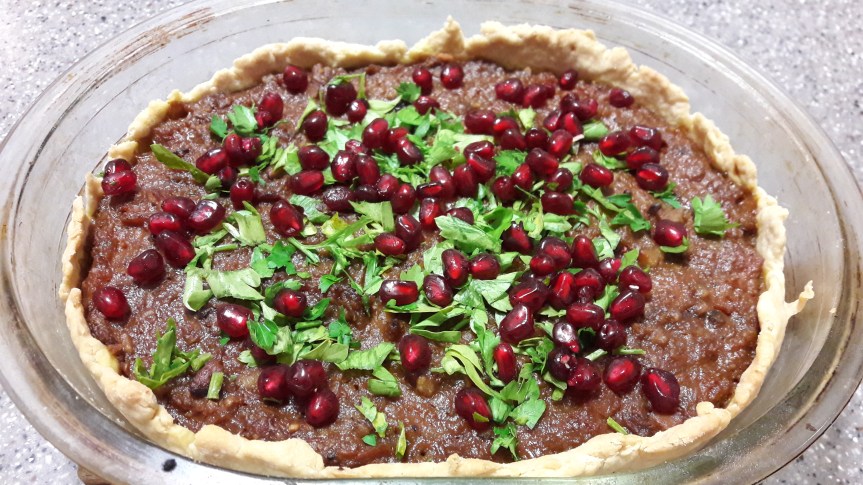
KCC’s Fesenjan Tart

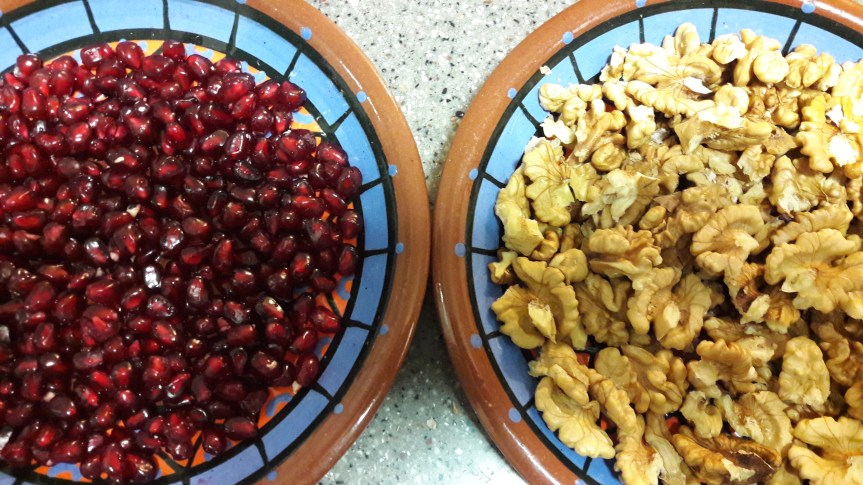
Usually served as a thick stew with rice, we’ve decided to put it in a pie case to make a tasty walnut and pomegranate infused tart. Making this stew can be quite labour-intensive – shelling the walnuts, toasting them, crushing them, extracting the pomegranate seeds and so on, but the end result makes it well worth all the effort.

20180112_185716
Can’t get much fresher than this!

Look out for Nar Ekşisi (pomegranate syrup) or the sweeter Nar Ekşili Sos (pomegranate sauce) in your local Middle-Eastern shop or make your own. If using Nar Ekşisi, add a teaspoon or two of honey to the stew to make it a bit sweeter.

To save time you can use shop-bought pastry, but we think it tastes better with a homemade pie crust. To keep it vegan, we’ve used olive oil instead of butter to make our shortcrust pastry.

Ingredients (serves 4)

125 g shelled walnuts

one medium onion

500 g pumpkin or butternut squash

300 ml vegetable stock

30 ml olive oil

2-3 tablespoons pomegranate syrup or sauce (Nar Ekşisi or Nar Ekşili Sos in Turkish)

0.5 teaspoon cumin seeds

0.25 teaspoon cinnamon and turmeric

Black pepper

Handful of pomegranate seeds

Bunch of fresh parsley

200 g shortcrust pastry

Method

Toast the walnuts for 10 minutes over a low heat and then mince in a blender. Heat the olive oil and fry the onion in a heavy-based pan over a medium heat for ten minutes. Add the spices and then add the cubed pumpkin and stir to cover.

Pour over the vegetable stock, add the pomegranate molasses and the minced walnuts and cook over a medium heat for 30 minutes until the pumpkin is cooked. Make sure the sauce is quite thick – if it’s runny, boil it until it starts to thicken.

Roll out the pastry and place it in a greased baking tray. Bake blind for ten minutes at 180c and then put the filling into the pie case. Cook for 40 minutes or so until the pastry starts to go golden brown.

Garnish the tart with chopped parsley and pomegranate seeds and serve with saffron rice and a green salad.

KCC’s Winter Warmer Bake

7 December 2017

The nights are getting longer and the mercury’s starting to drop – winter is well and truly here so it’s time for some filling, wholesome comfort food.

Winter comes to Almaty, Kazakhstan

One of our favourite go-to comfort foods here at Knidos Cookery Club is pumpkin as it’s so easy to cook and adds depth to a range of soups and bakes.

Screen Shot 2017-11-29 at 16.51.25
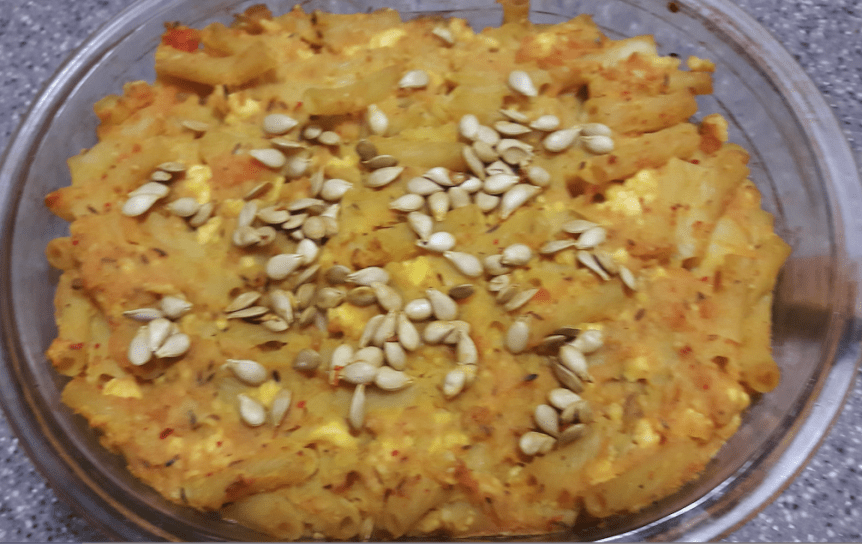
Knidos Cookery Club’s pumpkin and pasta bake

We’ve combined pumpkin with red lentils, pasta and ricotta cheese, along with some heady spices to create a filling bake to help you get through the long cold nights of winter.

Ingredients (serves 3-4)

75 g red lentils

150 g pumpkin

150 g  dried pasta (penne, macaroni or fusilli work well here)

100 g ricotta or similar cheese

375 ml vegetable stock

25 ml olive oil

25 g pumpkin seeds

1 cm fresh ginger peeled and minced

one small onion

one garlic clove

one teaspoon cumin

one teaspoon cider vinegar

one teaspoon turmeric

one teaspoon chilli flakes

Method

Cook the pasta according to instructions minus one minute. Drain and set aside. While the pasta is cooking, fry the finely chopped onion and garlic in the olive oil until transparent.

Add the ground cumin, turmeric, ginger and pumpkin, cut into 1 cm cubes, and stir while cooking over a medium heat for a few minutes. Then add the lentils, stir and pour on the vegetable stock. Bring to a boil and then simmer for 20 minutes or so over a low heat until the pumpkin and lentils are going mushy and most of the liquid has been absorbed.

Remove from the heat and stir in the ricotta cheese, apple vinegar and chilli flakes. Fold in the pasta, pour into an oven dish, sprinkle over the pumpkin seeds and bake in a pre=heated oven at 180 c for 30 minutes or so until the top starts to brown.

Allow to cool for ten minutes or so before serving with a green salad.


Let them Eat Cabbage!

9 November 2017

This week saw the 100th anniversary of Russia’s October Revolution, which led to the creation of the Soviet Union. To mark this momentous occasion in world history, Knidos Cookery Club has turned to a soup made from the close relative of a vegetable that was at the heart of Soviet cuisine – the humble cabbage.

20171104_235653
KCC’s cabbage soup with brown bread

The cabbage, and soups such as shchi that were made from it, was a mainstay of the Soviet diet. I remember hearing jokes about it when I was a lad such as this gem:

Q. What’s three miles long and eats cabbage?

A. A Soviet meat queue.

We’ve used Chinese cabbage as a twist on the traditional recipe that uses the more familiar member of the Brassica family and spiced up the mix with a few Shiitake mushrooms and some chilli powder.

Screen Shot 2017-11-08 at 17.36.31

It makes a great accompaniment, along with a few shots of vodka, to October: Ten Days that Shook the World, the classic 1928 Soviet silent classic directed by Sergei M. Eisenstein and Grigori Aleksandrov (which is available on BBC iPlayer until the end of this November).

The film was based on John Reed’s book of the same name, which told the story of the revolution from the abdication of the last Czar to the Bolshevik seizure of power. Another good read on the same topic follows Lenin on the Train, an account by Catherine Merridale of Lenin’s trip back to Petrograd on the eve of the revolution.

Ingredients (serves 4)

300 g shredded Chinese cabbage

2 medium onions

1 green pepper

4 dried mushrooms (rehydrated)

2 garlic cloves

2 medium tomatoes

25 ml cooking oil (sunflower or another neutral, refined oil)

1 litre vegetable stock

1 bayleaf

Pinch of black pepper

One teaspoon red chilli flakes

Dash of soy sauce

Rye bread (or a similar hearty brown bread)

Method

You’ll need a good hearty stock for this soup, so prepare some in advance or use stock cubes. Heat the oil in a heavy-based pan and then add the chopped onions and garlic. Cook for 10 minutes or so over a medium heat – while it’s cooking chop up the mushrooms and green pepper and then add to the mix,

Stir and cook for five more minutes then add the chopped tomatoes, black pepper, chilli flakes and bayleaf and cook until the tomatoes start to collapse. Then add the vegetable stock and bring to the boil.

Next add the shredded cabbage and cook for ten minutes or so until the cabbage is tender. Add soy sauce, remove the bay leaf and serve with brown or black bread and a shot of vodka!

Viva la Revolution, comrades!