KCC’s Corn and Coconut Chowder


17 October 2019

This time round on Knidos Cookery Club we’re cooking up a chowder, a creamy soup crammed with fresh, seasonal vegetables that’s ideal for the chillier nights of autumn.

20191015_221900.jpg
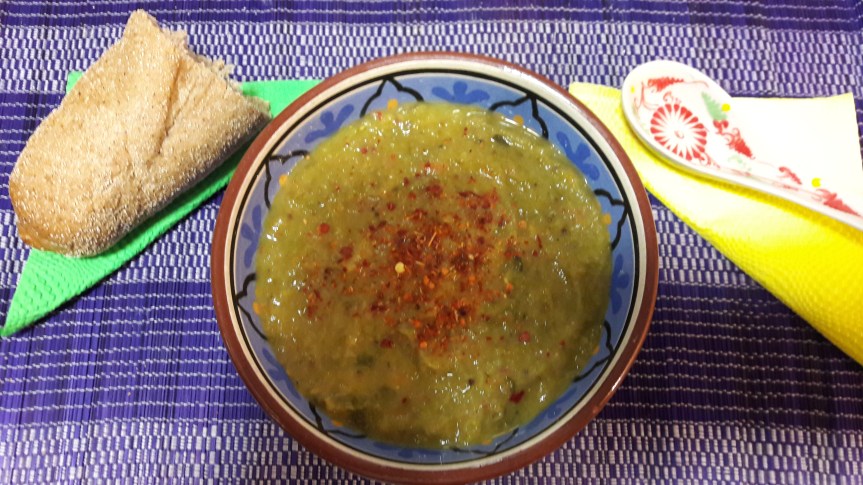
A warming bowl of KCC’s Corn and Coconut Chowder

These days chowder is a name given to any creamy soup that has been thickened with the addition of flour or crumbled crackers. The name of this soup is thought to come from chaudron, an old French word for a cauldron – it was originally brought to north America by sailors who made it as a fish soup thickened with ship’s biscuit and cream.

20191015_204118.jpg
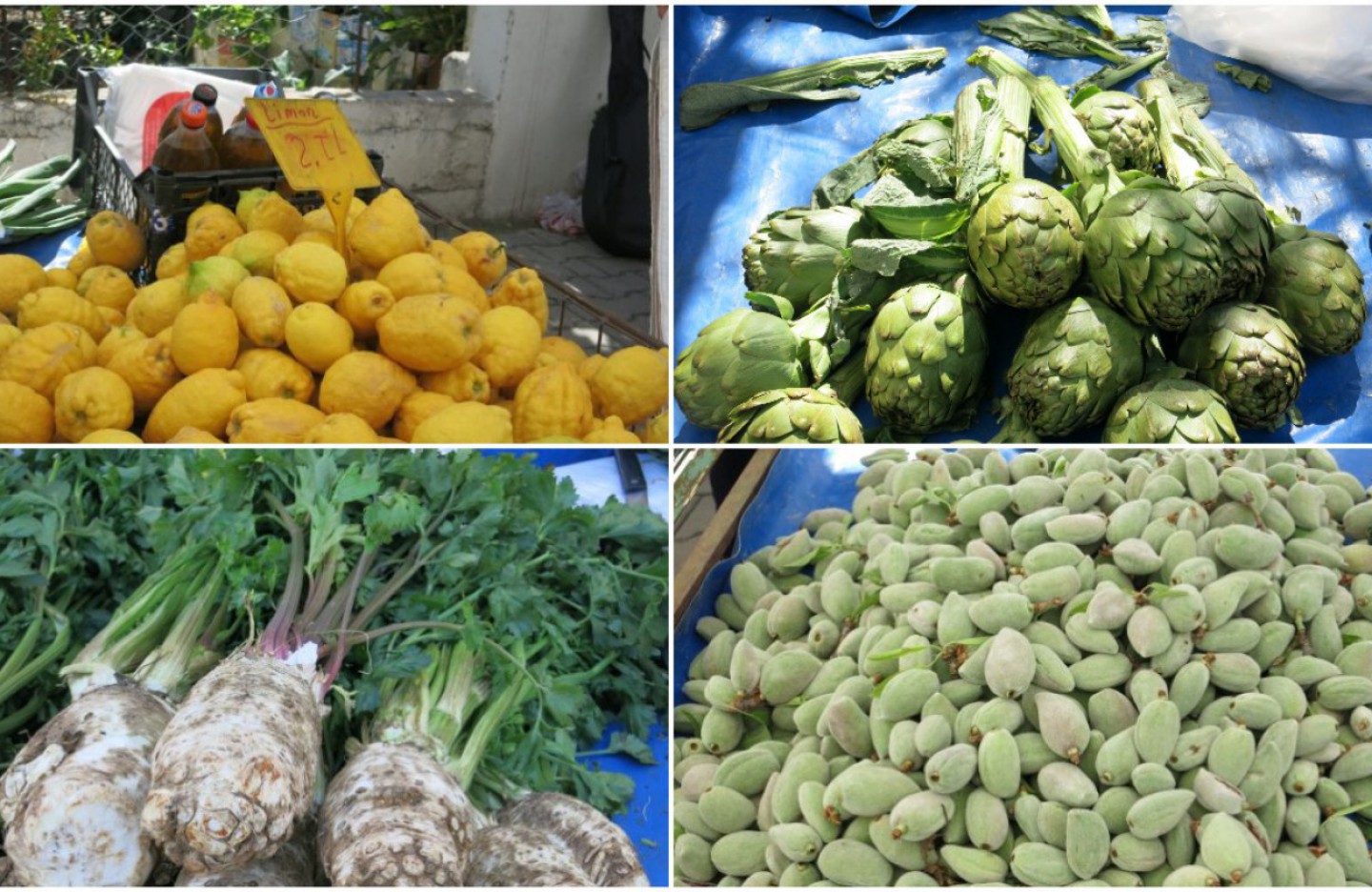
The Holy Trinity of autumn soup veg

Some versions use a tomato base, but our version is based on the creamy base and uses coconut milk and chickpea flour to make the sauce. We’ve added some of the last of this year’s corn on the cob and some new season pumpkin, that vegetable that is a harbinger of the colder months of the year. Combined with the holy trinity of soup bases – onion, celery and carrot and a potato, this chowder, garnished with lemon zest and celery leaves, is a soup to savour.

Ingredients (for 3-4 servings)

  • One large potato
  • Two large carrots
  • Three sticks of celery
  • One medium-sized onion
  • One corn-on-the cob
  • 200 g pumpkin
  • One lemon
  • One bay leaf
  • Two teaspoons dried thyme
  • 50 ml olive oil
  • Three tablespoons chickpea flour
  • One litre coconut milk (50 g desiccated coconut + one litre of water).

Method

  • Make the coconut milk first by blending the dried coconut with the water using a hand-held blender for two minutes. Strain through a sieve separate the liquid  from the leftover coconut, the latter can be saved and used to make energy balls, biscuits, cakes or added to your breakfast muesli.
  • Heat the olive oil in a heavy-based pan and then add the sliced onion and fry for five minutes over a medium heat. Add the diced carrot and celery and cook for another five minutes. Now add the chickpea flour and dried thyme and mix well. Now add the pumpkin, potatoes and coconut milk and a bay leaf.
  • Cook over a low heat, stirring occasionally, until the potato is just cooked. Add the juice of the lemon and half the lemon zest and stir well. Cook for a few more minutes and then remove the bay leaf and serve in bowls and garnish with the rest of the lemon zest and chopped celery leaves.

 

KCC’s Buckwheat Cottage Pie

31 October 2019

This time round on Knidos Cookery Club we’re using buckwheat, a cereal (or rather a pseudocereal) that has thus far been neglected on our site.  Buckwheat’s name is misleading as it’s not really wheat, but rather a plant that is more closely related to sorrel, knotweed and rhubarb, which makes it suitable for those of you on a gluten-free diet.

20191011_222708.jpg
KCC’s Buckwheat Cottage Pie

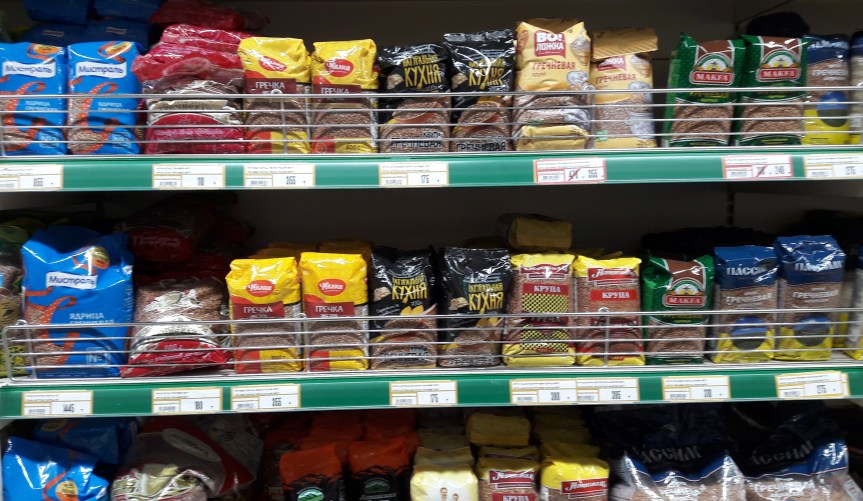
Buckwheat, or grechka, is wildly popular across the countries of the former Soviet Union and eastern Europe – you can find whole aisles in supermarkets dedicated to it. The groats are used to make porridge and the flour to make pancakes. In Japan, the flour is  used to make soba noodles.

20191015_113946.jpg
Row upon row of buckwheat groats in a supermarket in Almaty, Kazakhstan

We’ve taken that classic British comfort food, Cottage Pie, and replaced the meat with a mix of the nutty-tasting buckwheat and vegetables all topped with a thick slab of mashed potato – perfect fodder for the colder autumn and winter evenings and ready to eat in around an hour.

Cottage pie and two veg

Ingredients (makes 4 servings)

  • 150 g buckwheat groats
  • One carrot
  • One medium-sized onion
  • One green pepper
  • Three medium-sized tomatoes
  • Three medium-sized potatoes
  • Six small dried mushrooms
  • 25 ml olive oil
  • 500 ml vegetable stock
  • One teaspoon sumac
  • One teaspoon chilli flakes
  • Two teaspoons dried thyme
  • One bay leaf

Method

  • Heat the olive oil in a heavy-based pan and add the minced onion. Cook for five minutes over a medium heat and then add the diced carrot and green pepper and cook for another five minutes, stirring occasionally. Add the sumac, chilli flakes and thyme and the chopped tomatoes and diced mushrooms.
  • Reduce the heat and cook for another 10 minutes then add the buckwheat and stir well. Pour the stock over the mixture, add the bay leaf and simmer for 20 minutes or so or until the moisture has been absorbed. While this is bubbling away, cook the potatoes, drain and then mash them.
  • Put the buckwheat mixture in the bottom half of a baking dish and then cover the mix with a layer of mashed potato. Run a fork across the top of the potato to get a ridged finish and than bake at 180 c for 30 minutes. Serve hot with roasted or  steamed, seasonal vegetables such as  cauliflower and pumpkin.


Grassy Green Samosas

19 September 2019

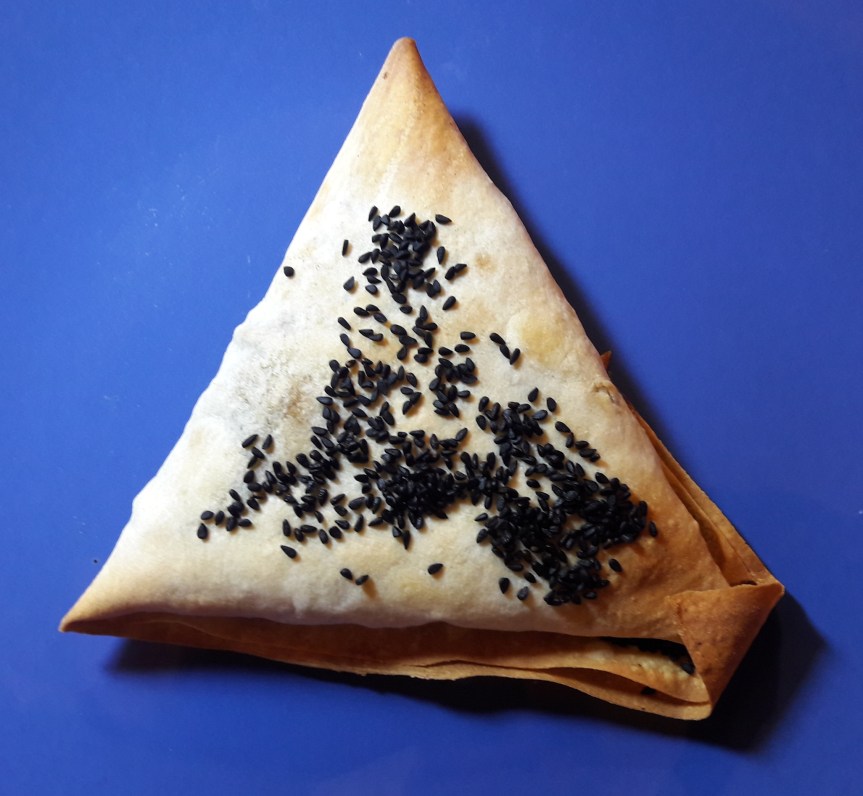
This time round we’ve filled some filo pastry triangles with some fresh leafy greens. Inspired by Central Asia’s kok samsa, a small, deep-fried pie filled stuffed with chopped up greens, our take on this popular street snack mixes some peppery radish leaves with some tart sorrel-like leaves, leek and carrot.

20190917_121523.jpg
A grassy, leafy green samosa

A few weeks ago, we left Datça’s weekly market laden down with a selection of leafy greens – called ot (grass) in Turkish, including a bunch of radishes complete with leaves and an unidentified bunch of greens with a tart, lemony taste.

Further inspired by Turkey’s otlu pide and otlu börek, we chopped up a leek and fried it in olive oil and then mixed in some grated carrot before adding the leafy greens and spices. To make these pies you can use any leafy greens – Swiss chard and spinach also work well here.

Then we wrapped the filling in filo pastry, which can be bought from your local supermarket or Middle Eastern grocery shop – or you can try and make your own – here’s some tips on how to do it.

Ingredients (makes 6-8 samosas)

  • 12 sheets of filo pastry (approx 15 cm x 15 cm)
  • One leek
  • One carrot
  • One bunch each of sorrel and  radish leaves (use spinach and/or Swiss chard if you can’t find these)
  • 50 ml olive oil
  • One teaspoon dried thyme
  • One teaspoon sumac
  • One teaspoon cumin
  • Sprinkling of nigella seeds

Method 

  1. To make the filling, heat 25 ml olive oil in a heavy-based pan and cook the chopped leek over a medium heat until translucent. Add the grated carrot and cook for five minutes, stirring regularly. Add the herbs and spices and the roughly chopped greens and cook until the leaves are wilting.
  2. Place a layer of filo pastry on a flat surface dusted with flour. Brush with olive oil and add another sheet, brush with oil and then add one more layer. Cut the layers of filo into two triangles along the diagonal.
  3. Place a generous dollop of the filling in the middle of each triangle. Fold the edges of pastry over, brushing with more oil, to create a triangle-shaped pie like a samosa. Repeat the process until all the filling is used up.
  4. Place the pies on a greased baking tray and brush with more oil and sprinkle nigella seeds over them. Place the tray into a pre-heated oven and bake at 200 °C  (gas mark 6) for 30 minutes or until the pies are golden brown in colour. Serve straight away with a salad of your choice.

Julienne Funchoza’s Noodle Extravaganza

18 July 2019

This time round on Knidos Cookery Club we’re looking at some ways to beat the heatwave with a noodle-based salad that can be whipped up with the minimum of fuss.

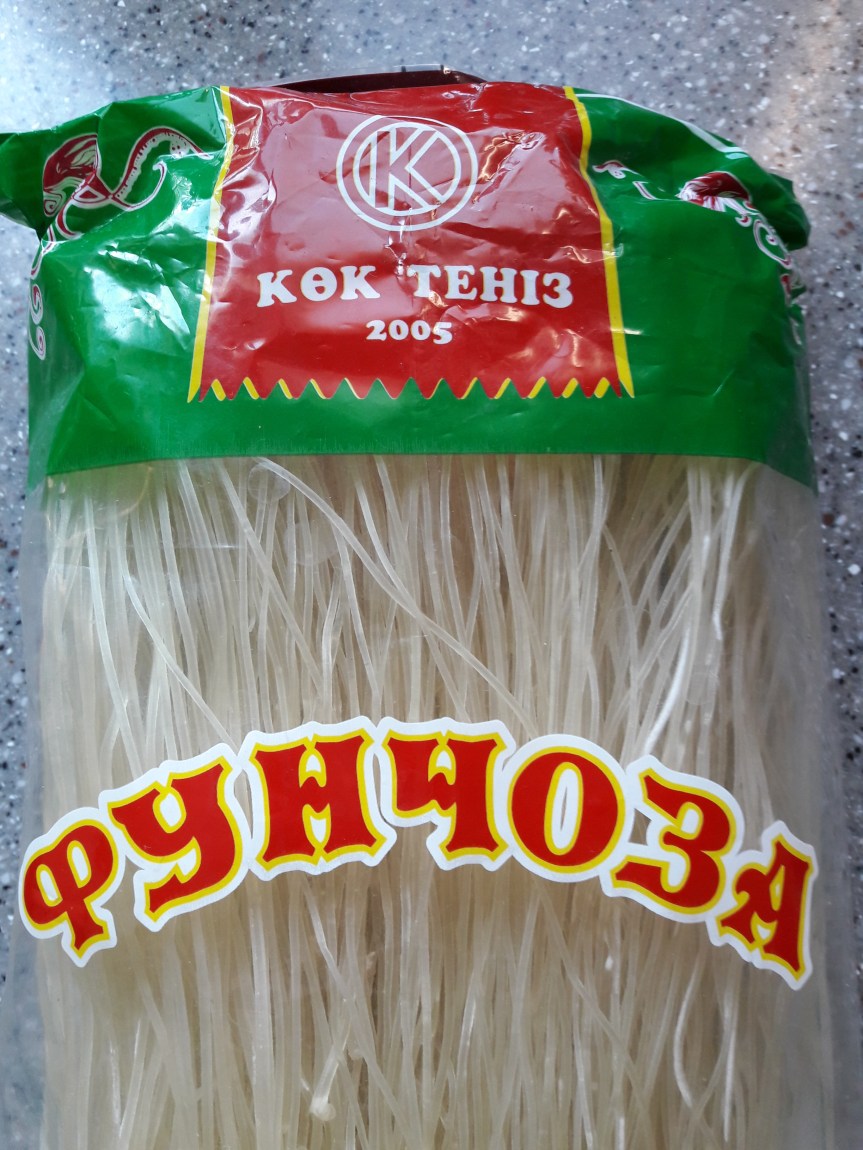
20190711_203617

Funchoza is a popular salad across Central Asia that combines glass noodles, which can be produced from various forms of starch such as rice or mung bean, with julienned raw vegetables and a spicy dressing. The noodles just need to be cooked in boiling water for a few minutes so it’s a cinch to prepare on a hot summer’s day.

20190711_182826

These noodles are a staple of Uighur cuisine, but have been adopted by the Central Asia’s Korean community who have made funchoza famous to a wider audience across the former Soviet Union and beyond.

The Uighurs are Turkic-speaking  muslims living mainly in Xinjiang, an autonomous territory in northwest China, where they face increasing persecution by the Chinese authorities, under the pretext of a crackdown on terrorism.

To this end, thousands of Uighurs, Kazakhs, Kyrgyz and Chinese muslims have been interred in ‘re-education’ camps and, as the Guardian put it in a recent editorial, “Those who are nominally free in fact exist in a digital gulag of constant surveillance.”

Earlier this month, 22 states – including Britain, Canada, France, Germany, Australia and Japan – signed a letter to UN human rights officials in condemnation of China’s treatment of Uighur and other minorities there.

Ingredients (makes 3-4 servings)

  • 150 g dried glass noodles
  • 10 g dried seaweed
  • 2 small cucumbers
  • 2 radishes
  • 8 spring onions
  • 2 red peppers
  • 2 carrots
  • Coriander seeds

For the dressing:

  • 4 teaspoons tahini
  • 2 tablespoons apple vinegar
  • 2 tablespoons soy sauce
  • 2 tablespoons pomegranate sauce (Nar Eksisi)
  • 2 teaspoons chilli powder

Method

  • Bring a large pan of water to the boil and cook the noodles in the water according to the pack instructions. Remove and put in a pan of cold water until needed.
  • Soak the dried seaweed in cold water for 15 minutes, drain the water. While the seaweed is soaking,  cut the spring onions into 1 cm slices, remove the seeds for the cucumber and then julienne along with the other vegetables into long, thin slices (use a grater  or chop finely if you don’t have a julienne peeler). Chop the seaweed into 5 cm strips.
  • Remove the noodles from the cold water and cut into 10 cm strips and put in a large bowl. Add the julienned vegetables and mix all the ingredients together. Put all the dressing ingredients into a glass jar with a screw top and shake well, then pour over the salad and mix well. Grind some coriander seeds over the salad.
  • Serve cold – let the flavours mingle by keeping the salad in the fridge for a couple of hours.


Nauryz Spring Cleaning: Mung Bean Detox

14 March 2019

With another Nauryz, the spring equinox, just around the corner, we’re looking at this turning point of the year as a good place to start some spring cleaning for the body.

20190313_150439
The Mighty Mung Bean

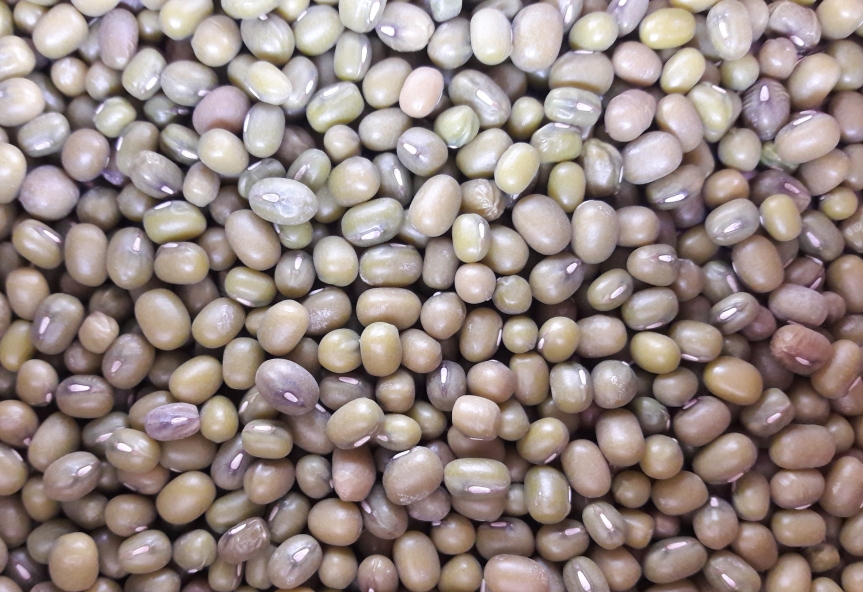
You can detox your digestive system by utilising the mighty mung bean, considered by both traditional Chinese medicine and India’s Ayurvedic medicine as an effective aid to remove toxins from the body.

20190313_133931
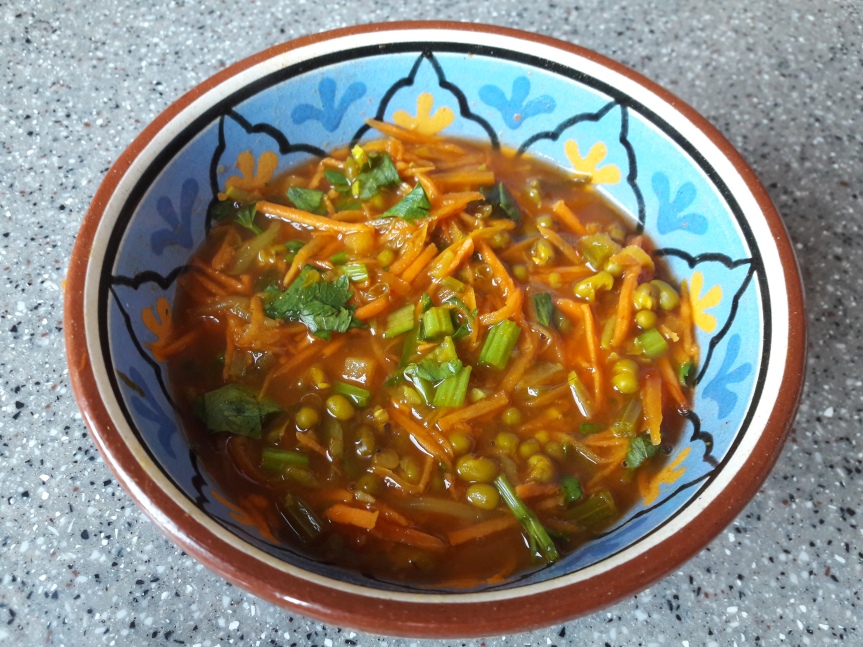
Knidos Cookery Club’s Mung Bean Detox Soup

When combined with spices such as turmeric, cumin, ginger and black pepper, the mung bean can do a lot to help flush out unwanted material from your body.  While some practitioners recommend following a detox diet based on mung bean soup for 7-10 days to really cleanse yourself, it’s quite a powerful process so we’d recommend a bowl or two every week as being beneficial to your general well-being.

Ingredients (Makes 3-4 servings)

  • 200 g mung beans
  • One carrot
  • One courgette
  • One stick of celery
  • 1 litre water
  • Four tablespoons tomato paste
  • One teaspoon turmeric
  • One teaspoon cumin
  • One teaspoon chilli powder
  • 1cm fresh ginger
  • Black pepper

Method

  • Wash and then soak the mung beans for at least four hours (the longer you soak them, the quicker they’ll cook). Then put them in a pan, cover with the water and add the turmeric, cinnamon, cumin and chilli powder.
  • Bring to a boil and then simmer for 30 minutes, add the tomato paste, grated carrot and courgette, the thinly-sliced celery and the minced ginger, stir well and simmer for another ten minutes or so. The mung beans should just be beginning to go soft. Pour into bowls and serve with a generous grind of black pepper.


Papa Jack’s Refried Avocado

31 January 2019

We’re continuing in our Mexican groove to make a vegetable take on the refried beans concept. It was meant to be a burger, but it didn’t hold together too well, so here is our refried avocado.

20190119_222556-e1548437819761.jpg

Refried beans are a Mexican staple and served on tortillas or as a side dish – the beans  are mashed up and fried with garlic and spices. We’ve combined mashed potato, with a smashed up avocado, a diced jalapeño pepper and some yaka, or jackfruit. Potatoes are called papas in Mexican Spanish, hence the name for this dish: Papa Jack’s Refried Avocado.

20190120_135003

Jackfruit, a giant tropical fruit with a hard green spiky shell, that can grow up to 40kg, is widely available in Mexico. The fruit is a strong tasting yellow fleshy bulb that is somewhere between pineapple and banana.

We served the refried avocado on toast with our own salsa made with tomatoes, courgettes, carrots and chilli peppers.

Ingredients (makes 3-4 servings)

For the refried avocado:

  • Three medium-sized potatoes
  • One avocado
  • One jalapeño pepper
  • One lime
  • One jackfruit bulb
  • 25ml olive oil

For the salsa:

  • Two medium-sized tomatoes
  • One carrot
  • One courgette
  • One jalapeño pepper

Method

  • Cook the potatoes until they can be mashed easily with a fork. Cut the avocado in half, remove the stone and add the flesh to the potato. finely dice the pepper and jackfruit (remove the stone first) and add to the mix, along with the lime juice. Mash everything together with a fork or potato masher.
  • Heat the oil in a heavy-based frying pan. Heat the mashed avocado through in the hot oil and serve on toast with a salsa made of tomato, carrot and courgette – simply dice the tomatoes and cook the chopped up carrot, courgette and jalapeño pepper in the tomato liquid over a low heat for 20 minutes or so.

Artful Artichokes Meet Crafty Celeriac in Solstice Showdown

20 December 2018

To celebrate the Winter Solstice, we’re combining two of our favourite oddball vegetables  – globe artichokes and celeriac. For the longest night of the year, we’ve come up with phallic artichokes steamed in a hearty winter root vegetable broth – Knidos Cookery Club’s take on the Turkish classic Zeytinyağlı Enginar, a dish of artichokes served with cubed vegetables cooked in olive oil and lemon juice.

20181212_221549
An artful artichoke

To get to the heart of the matter, artichokes need a bit of preparation to reveal the edible heart of the vegetable. If you don’t have a neighbourhood artichoke peeler on the corner of your street, as we do in Istanbul, than check out this link from The Spruce Eats website for some useful tips on removing the fibrous, inedible choke.

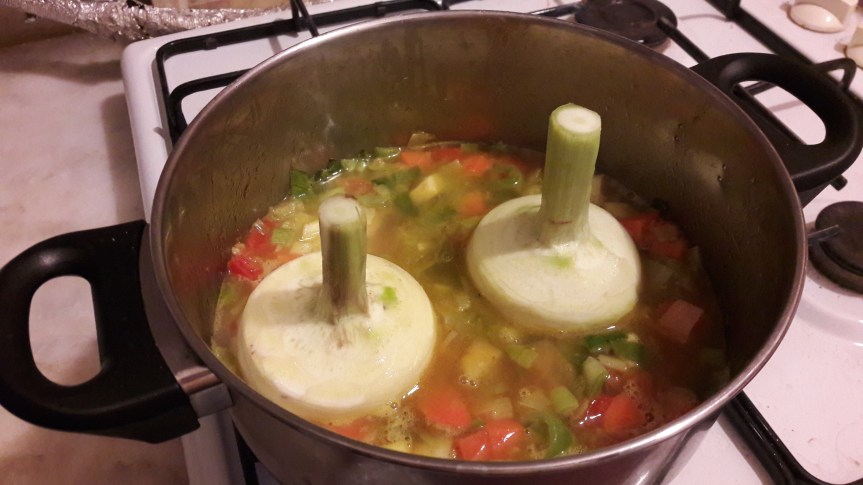
20181212_203036
Let the simmering begin

Celeriac, with its bulbous appearance, is an often overlooked root vegetable. It’s nutty taste, with a hint of celery, makes a delicious addition to soups and stews and it’s also great served raw in salads. We’ve used it as a replacement for potato in this Turkish favourite.

Ingredients (for four servings)

  • Four artichoke hearts
  • Two leeks
  • Four small carrots
  • Two small celeriac bulbs
  • Two medium-sized tomato
  • Four green peppers
  • Juice of half a lemon
  • 50 ml olive oil
  • 500 ml cold water
  • Two teaspoons garam masala (or curry powder)
  • Pinch of black pepper

Method

  1. Heat the oil in a heavy based-pan (with a lid) and and  the finely sliced leeks and peppers and cook over a medium heat for five minutes. Cube the carrots and celeriac and stir into the leek and pepper base and cook for a further five minutes. Add the chopped tomato, garam masala and black pepper and cook for five more minutes, stirring frequently.
  2. Pour the water over the vegetables, add the lemon juice and place the artichoke hearts on top of the bubbling veggies. Put the lid on the pan and cook over a low to medium heat for 30 minutes.
  3. Put one artichoke heart on each plate and pour the vegetables and cooking liquid over the top and around the artichoke and serve hot with crusty bread.


Couscous on the Loose

6 December 2018

This week we’ll be making our take on couscous, that staple of North African cooking. Our version uses fine bulgur wheat in place of the more usual durum wheat semolina base as bulgur wheat is easier to find on the supermarket shelves where we are based.

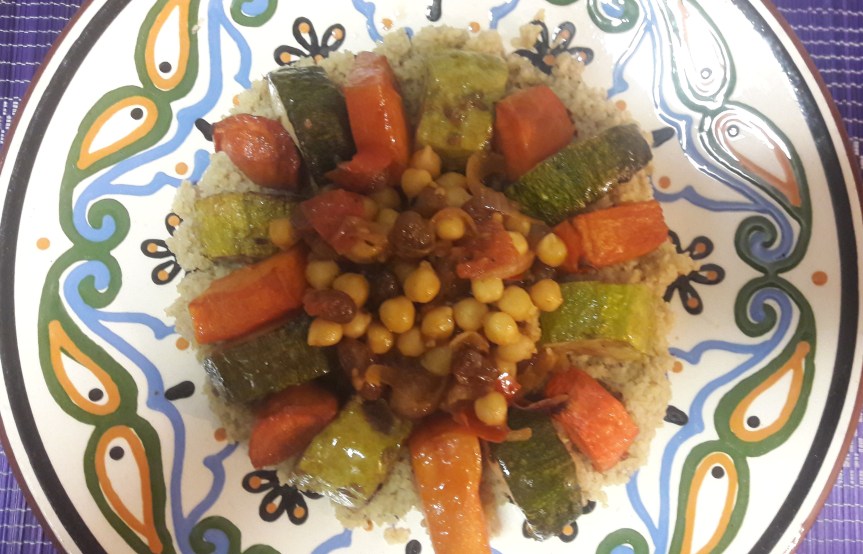
20181002_215336
KCC’s couscous with chickpea chutney and roasted vegetables

In our opinion, bulgur works just as well as semolina as a base to soak up the juices from the roasted vegetables and our chickpea chutney. Purists may disagree, but our philosophy is more about adapting recipes by using the ingredients you have at hand.

Ingredients (serves 2)

Roasted vegetables:

  • 300 g pumpkin
  • 2 medium carrots
  • 2 medium courgettes
  • 25 ml olive oil
  • 1 teaspoon cumin seeds
  • 1 cinnamon stick

Chickpea chutney:

  • 25 ml olive oil
  • 1 teaspoon mustard seeds
  • 1 small red onion
  • 2 small tomatoes
  • 50 g currants
  • 250 g chickpeas
  • 1 teaspoon red chilli flakes
  • 1 teaspoon black pepper

Couscous:

  • 100 g fine bulgur wheat
  • 200 ml vegetable stock

Method

Pre-heat the oven to 200c, cut the vegetables into large chunks and put into a baking dish, drizzle with olive oil and add the cumin seeds and cinnamon stick and stir to coat the vegetable chunks. Roast for 30-40 minutes until the vegetables are cooked.

While the vegetables are roasting, prepare the chickpea chutney. Heat the olive oil in a frying pan and add the mustard seeds. When they start to pop, add the finely chopped onion and cook over a low heat for five minutes. Add the spices and the chopped tomato and cook for five more minutes. Then add the currants and chickpeas and cook for fifteen minutes or so.

Bring the vegetable stock to the boil and then cover the bulgur wheat with it and leave it to soak up the liquid for 30 minutes or so, drain off the excess liquid (if there’s any) and than add a dash of olive oil and fluff up with a fork.

Put a layer of couscous on a warmed plate, arrange the roasted vegetables in a circular, wheel-spoke pattern and put a generous dollop of chickpea chutney in the centre and serve immediately.

Punked-Up Vichyssoise

14 June 2018

With football’s World Cup kicking off in Russia today, this time round on Knidos Cookery Club we’ve decided to take on that classic French soup – Vichyssoise, as we have a sneaking suspicion that after 20 years this could be France’s year to lift the FIFA World Cup Trophy.

20180404_205650

The usual flavouring of this soup can be a bit bland to our Asian influenced taste buds, so we’ve spiked it with some chilli powder and mustard seeds to give it a bit of oomph. We’ve called this punked-up creamy combo of leek and potato, that can be eaten hot or cold, Sid Vichyssoise, excuse the pun, after the late, great Sex Pistols bassist.

As we said, this soup can be served hot or cold, making it perfect for the long, balmy nights of mid-June when chilled or as hearty winter fare when served hot in colder times. Just make sure you clean those leeks properly. as you don’t want any grit in the end product.

Ingredients (for 4 servings)

  • 50 ml olive oil
  • 200 g leeks
  • 200 g baby carrots
  • 200 g new potatoes
  • 1/2 teaspoon mustard seeds
  • 1 teaspoon cumin seeds
  • 1 teaspoon black pepper
  • 2 teaspoons red chilli flakes
  • 300 ml vegetable stock
  • Dash of soy sauce

Method

  • Heat the olive oil and mustard seeds in a heavy-based pan until the seeds begin to pop. Next, add the leeks, sliced into 1 cm rounds, the cumin seeds, black pepper and red chilli flakes and cook for five minutes. Then add the finely diced carrots and potatoes and cook for five more minutes, stirring occasionally.
  • Now add the stock and the soy sauce, stir well and let it simmer over a low heat until the potatoes are beginning to fall apart. Remove from the heat and blend with an electric hand whisk to create a smooth, creamy soup and then leave to chill in the fridge before serving with another sprinkling of red chilli flakes.

A Must-Have Mastava

26 April 2018

Knidos Cookery Club is just back from a foodie fact-finding mission to uncover some new recipes along the Silk Roads. While on the expedition, we inadvertently fell foul of Kazakhstan’s strict zero tolerance laws while munching on a local delicacy, sunflower seeds.

20180315_110927.jpg
Sunflower seed munchers are not welcome in this park in Shymkent, Kazakhstan

It turns out that eating this tasty little snack in public is an offence, classified as “petty hooliganism”, and punishable by watching a video of Kazakhstan’s president Nursultan Nazarbayev railing against this social evil and the payment of a fine (4 x the Monthly Calculation Index (MCI) that is used to calculate benefits and fines – approx £25).

After this contribution was made to the Shymkent Police Nauryz party fund, the situation was resolved amicably and we were all able to go on our merry way, suitably chastised!

The road trip also took in a visit to Uzbekistan, which has inspired KCC to attempt Mastava a traditional Uzbek rice and chunky vegetable soup  – it’s usually prepared with lamb or beef but we’ve used lentils and red beans instead of meat to add the protein in our version.

20180320_225344
A hearty bowl of mastava and a cup of green tea

Mastava uses whatever seasonal vegetables are to hand – we had carrots, potatoes, tomatoes, pumpkin and some red peppers for our version. We’ve liberally spiced it with cumin, coriander seeds, red chilli flakes and black pepper as well as some fresh coriander to garnish the soup.

Ingredients (makes around 4 – 6 servings)

150 g green lentils or similar

250 g red beans

150 g pumpkin

150 g rice

200 g cherry tomatoes

Four small potatoes

One large carrot

One red pepper

Six spring onions

30 ml olive oil or other vegetable oil

1 litre vegetable stock

One teaspoon cumin seeds

One teaspoon coriander seeds

One teaspoon black pepper

One teaspoon red chilli flakes

One bunch fresh coriander

Method

Heat the oil in a heavy based pan and add the crushed black pepper, cumin and coriander seeds and chopped spring onions. fry for five minutes over a medium heat and then add chunks of carrots, tomatoes and red pepper. Cook for 10 minutes and then add the vegetable stock, red chilli flakes, potatoes and rice and bring to a boil.

Simmer over a low heat for 20 minutes, and then add the cooked green lentils and red beans and chunks of pumpkin. Keep simmering until the rice is cooked, stirring occasionally. Serve in bowls and garnish with fresh coriander.