More Adventures with Asparagus

24 May 2024

It’s that asparagus time of year once again. These tasty green spears are a harbinger of the warmer months of Spring and Summer – the first tips are ready for harvest shortly after the ground temperature hits 10°C.

Asparagus and chickpea pasta

Here in Almaty, Kazakhstan, locally-grown asparagus is currently having its moment in the sun, with many restaurants offering seasonal dishes featuring these flavour-packed spears of goodness.

Asparagus from Kazakhstan

Over the years, KCC has featured a number of asparagus dishes, such as a bulgur pilaf with asparagus (KCC’s first ever recipe), Mr Alan’s Top Tips, and in a stir-fry. This time round, after tracking down some locally-grown asparagus in Almaty, we’ve cooked it with chickpeas, capers, walnuts and tagliatelle:

Ingredients (for 2 servings)

  • 150 g asparagus
  • 175 g chickpeas 
  • 30 g walnuts
  • 20 g capers 
  • 50 – 100 ml aquafaba (chickpea cooking liquid)
  • 25 ml olive oil
  • 150 g dried taglaitelle
  • One teaspoon fresh or dried rosemary

Method

  • To make the green sauce, blitz 50 g of chopped, raw asparagus in a blender with 75 g chickpeas, the chopped walnuts and capers and olive oil. Keep adding aquafaba slowly until the sauce had a creamy consistency, 
  • Cook the pasta according to the packet instructions in a pan of boiling, salty water. Slice the remaining asparagus into 3 mm slices and cook with the pasta for the last five minutes. While the pasta is cooking, add the remaining chickpeas to the green sauce in a heavy-based pan, warm over a low heat and stir in the rosemary. 
  • Drain the pasta and asparagus, reserving some of the cooking Waterloo to loosen the sauce, if needed, and add to the green sauce and chickpeas, combine well and serve.

Almaty Apple Spritz: A Cocktail for the (Old) New Year

11 January 2024

We’re almost two weeks into 2024, but in some parts of the world the new year is marked according to the Julian calendar rather than the Gregorian, which means that Old New Year’s Eve is celebrated on 13 January. This date is still marked in many parts of Eastern Europe. It’s also celebrated in parts of Wales, where it’s called Hen Galan (old new year), and some parts of Scotland, on 12 January .

Cheers, and Happy Old New Year, with an Almaty Apple Spritz!

Here at KCC, we regard old new year as the end of the holiday season, allowing a few weeks of respite before Chinese New Year! To mark the occasion, this cocktail combines cloudy apple juice with a cinnamon-infused cold brew. To see off the old year with a kick, add some shots of vodka to this apple spritz.

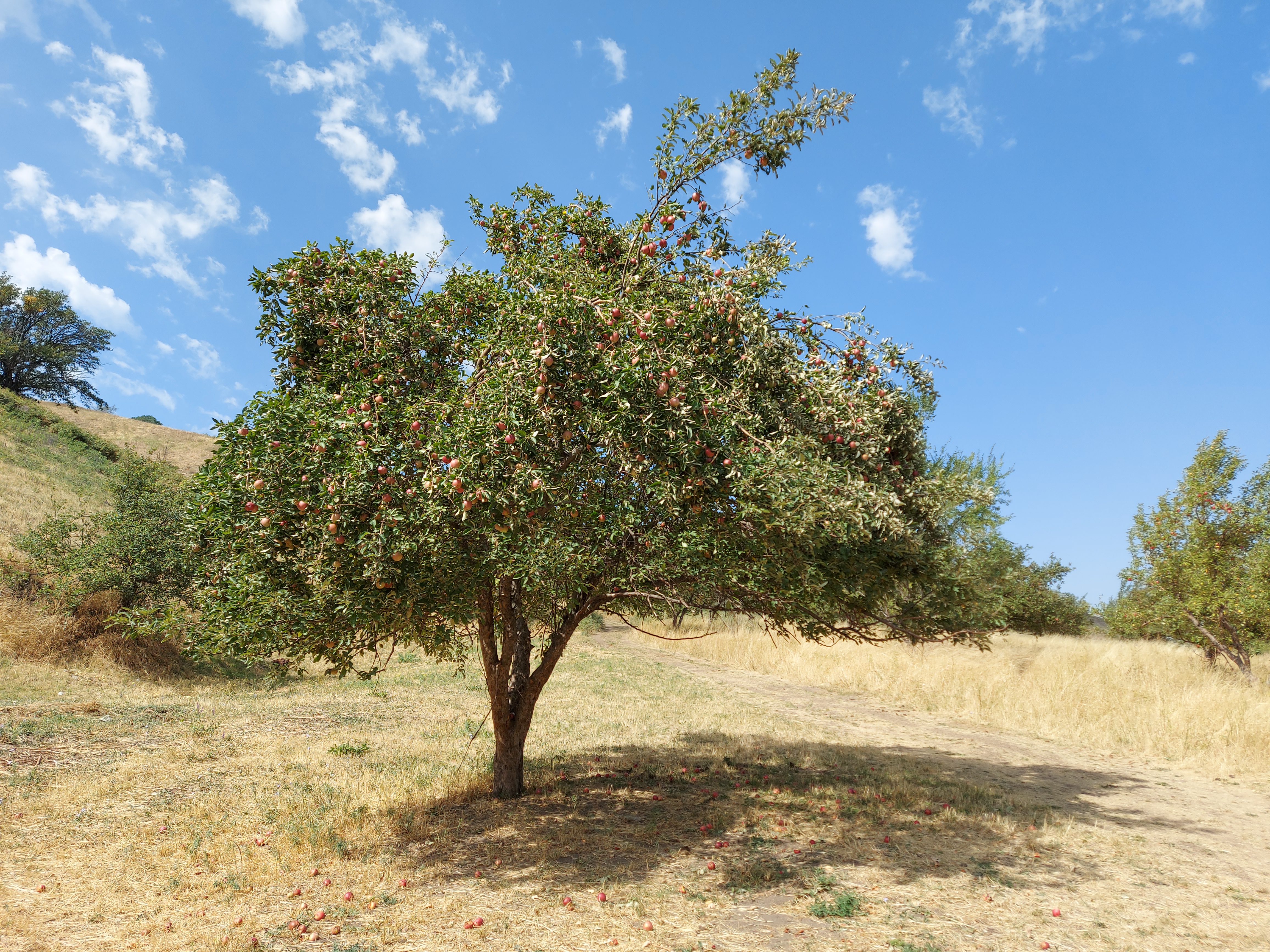
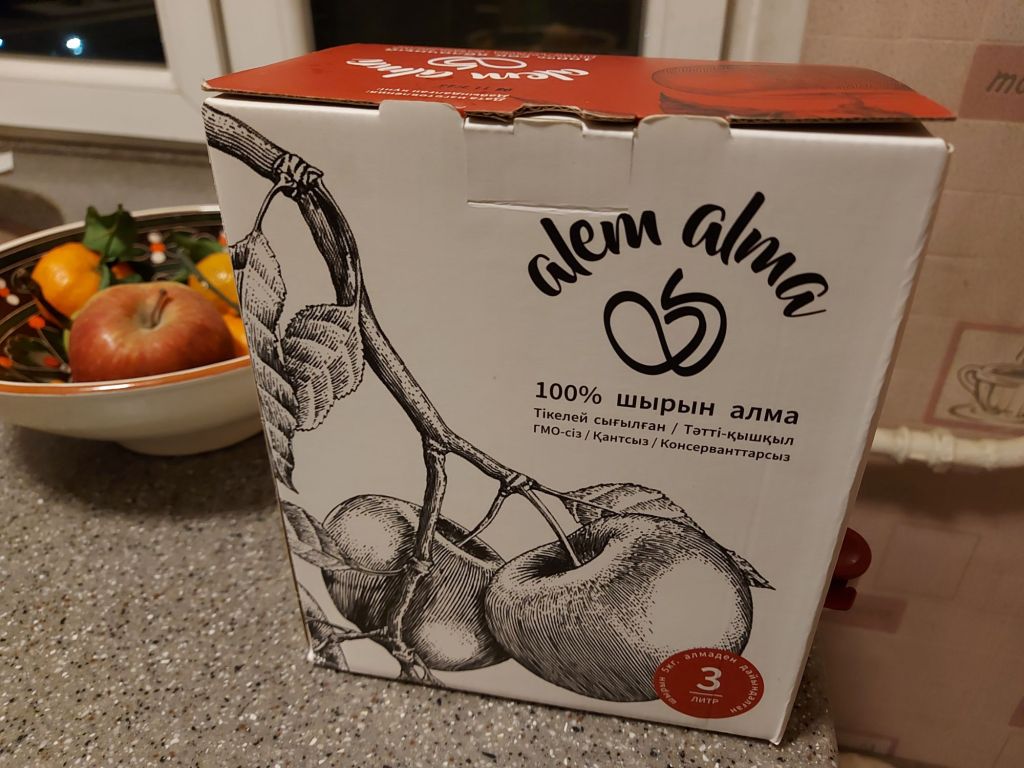
Any apple juice can be used – we used a local one from Almaty, Kazakhstan that’s free from extra sugar and other additives and is naturally cloudy. Almaty, whose name translates as “place of apples”, is where the antecedents of today’s apples evolved.

Apples are from Almaty!

To make the cold brew, add a cinnamon stick, or a teaspoon of powdered cinnamon, five cloves, two teaspoons of fresh ginger and a pinch of nutmeg to a litre of cold water. Shake well and leave overnight in the fridge.

For one serving of the the Almaty Apple Spritz, put some ice cubes into a tall glass, pour in 25 ml of any vodka of your choice (or 50 ml if you want to get a jag on, if you’re doing dry January, just omit the vodka!). Add 75 ml of the cinnamon cold brew, 50 ml of apple juice and top up with fizzy water, garnish with a slice of apple and stir before drinking.

This cocktail also works well warmed up (you don’t need the ice or fizzy water).The spices and apple juice evoke a cosy mulled cider vibe. Simply heat until it’s just about to boil and serve asap. A recommended food pairing is with KCC’s coleslaw variation or a traditional new year Olivier salad.

Asparagus in the Ascendency

3 June 2022

It’s that asparagus time of year, a herald of early summer, although you wouldn’t know it in Sweden, where the weather remains distinctly chilly.

Spears of destiny – stir fried with broccoli and red onions

We wrote about asparagus in our very first post, a bulgur risotto, back in 2016. Already this summer we’ve come across locally grown varieties in Kazakhstan and Sweden.

These tasty spears are great in a vegan stir fry served with rice or noodles, or if you eat eggs, then you can turn it into an omelette or a quiche.

Continue reading “Asparagus in the Ascendency”

Bringing the Apples Home to Almaty

9 September 2021

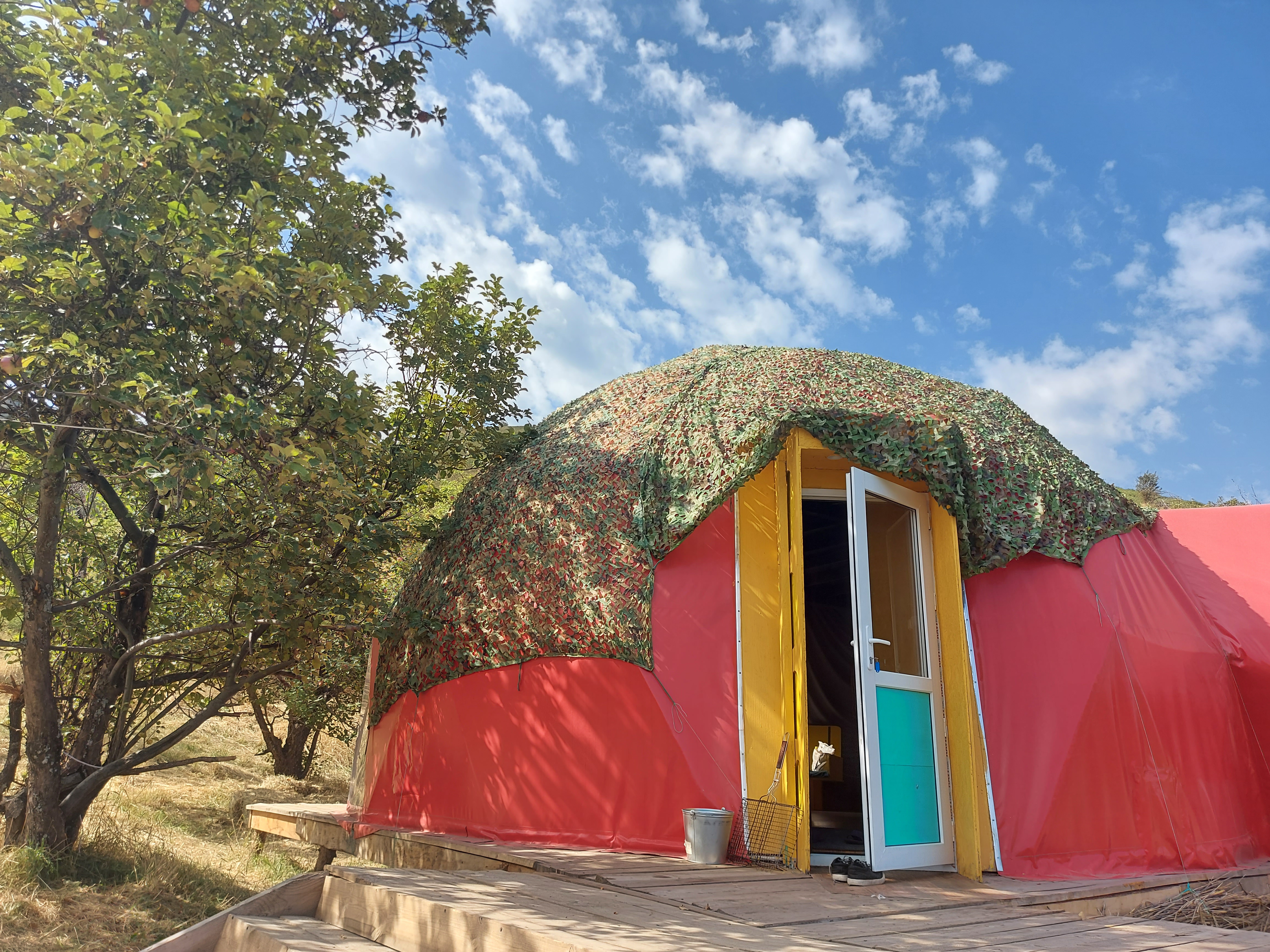
We’re back in action after another glamping trip to Bubble Gum View near Almaty. This peaceful spot, located a 45-minute drive from the city centre, is situated in an orchard and consists of four pods. This time round we were treated to an upgrade to the en-suite pod that has a kitchen and an upstairs bedroom too.

Kazakhstan, Almaty region in particiular, is widely acknowledged as the place where the ancestors of today’s apples evolved. The name Almaty translates from the Kazakh as ‘the place of apples.’ With autumn approaching, the apples are beginning to ripen and we picked a few to bring back to Almaty.

Almaty apple, caper, courgette and rocket salad

With summer making a last stand – the mercury is still hitting the 30s here in Almaty, we used the apples in a salad based on one we had in Greece one time. The Greek version used pears and lettuce, but we’ve swapped in rocket and our homecoming apples. We served it in a wrap with some fresh, homemade hummus and crispy falafels, but it works equally well wherever you’d normally eat salad.

Ingredients (serves 3-4)

  • 125 g courgette
  • 100 g apple
  • 75 g rocket
  • 20 g capers
  • 1 teaspoon chia seeds
  • Juice of half a lemon
  • 15 ml olive oil

Method

Roughly chop the rocket leaves and put at them at the bottom of your salad bowl. Grate the courgette over the rocket leaves. Now grate the apple over the courgette layer, add the capers and sprinkle the chia seeds over the top. Dress with lemon juice and olive oil and mix well.


Modern Day Plovers

17 June 2021

This time round on KCC we’re turning our attention to plov — Central Asia’s favourite rice dish. There are no hard and fast rules for plov, with regional variations prizing different ingredients and each family having its own take on what should go into the dish. One thing is for sure — this spicy rice, carrot, onion, garlic and dried fruit concoction makes for a great centrepiece for any party and is perfect for sharing with family and friends.

KCC travelled up to Kazakhstan’s capital Nur-Sultan to visit a modern day plov-meister who has perfected a tasty, meat-free take on this classic Uzbek dish. Our plov-meister learnt his trade on the mean streets of Hojeli, Karakalpakstan and in the student dorms of Tashkent, Uzbekistan.

Keeping the vampires at bay…

There are no strict cooking times for this recipe — it’s more of a feeling than an exercise in clock watching. Apart from the holy trinity of onion, carrot and rice, our plov-meister deploys whatever is to hand in the kitchen, adding dried fruits and spices along with a surfeit of garlic. For best results, your plov should be cooked in a kazan, a cast iron cauldron, but a deep, heavy-based saucepan or a casserole dish will suffice at a pinch. The pan should retain the heat to enable the plov to cook slowly and for the myriad flavours to meld.

Serve the plov alongside a spicy achik chuchuk tomato and onion salad, steaming bowls of green tea and Uzbek bread, non, click here for a recipe from Caroline Eden’s excellent Central Asian focussed cookbook Red Sands.

Ingredients (makes enough for 8-10 servings)

  • 100 ml cooking oil (For the authentic Uzbek taste track down some cottonseed oil, but failing that sunflower, rapeseed or olive oil works just as well)
  • 500 g onion
  • 500 g carrot
  • 500 g short grain rice
  • 6 heads of garlic
  • 150 g currants /raisins /sultanas – or a mix of all three
  • 100 g dried apricots (with stones)
  • 1 teaspoon cumin seeds
  • 1 teaspoon black peppercorns
  • 1 teaspoon coriander seeds

For the salad:

  • 250 g tomatoes
  • 250 g onion
  • One teaspoon dried basil
  • 1 – 3 Chilli peppers, finely sliced (adjust as to how hot you like your food)

Method

  • Heat the oil over a low heat in a heavy-based pan and then add the sliced onion. Fry the onion until it gets a golden-brownish colour so that later the rice will get its distinctive orangey colour. Cut the carrots into 5 cm long slices, a few millimetres wide and then add to the onions. Cook until the carrots are very tender so that they can easily be cut by a spatula or a wooden spoon while stirring. 
  • Now add the spices, the whole dried apricots, currants, sultanas or raisins (or all three) and whole heads of garlic. Cook for a few minutes to allow these ingredients to absorb the oil and the carrot/onion juice.
  • Rinse the rice carefully until the water runs clear and then put the washed rice on top of the spicy, fruity vegetable base and then pour water over the top through a fish slice to allow an even distribution of the liquid.
  • Cover the rice with an extra 1 cm of water and then cook over a high heat and  when the water disappears from the top of the rice, turn it down to a very low heat, close the lid and allow it to steam for about 20 minutes.
  • Serve with a spicy tomato and onion salad — achik chuchuk — a salad made from thinly sliced tomato and onion, a sprinkling of dried basil and diced chilli peppers, according to how hot you like it, and oven-fresh non bread.

Bhaji Burger BBQ in a time of Glamping

13 May 2021

It’s official – the 2021 Kazakhstan barbecue season has opened with a glamping grillfest in the hills near Talgar, a short drive from Almaty.

After receiving the second dose of the Sputnik V vaccine, we’re taking some tentative steps back to life in the world beyond Almaty. First stop was Bubble Gum View – a newly-opened glamping (glamour camping for the uninitiated) spot with four socially distanced pods in an apple orchard, perfect for a contact-free break. Each pod comes with its own barbecue area so it was time to kick off the 2021 season in style.

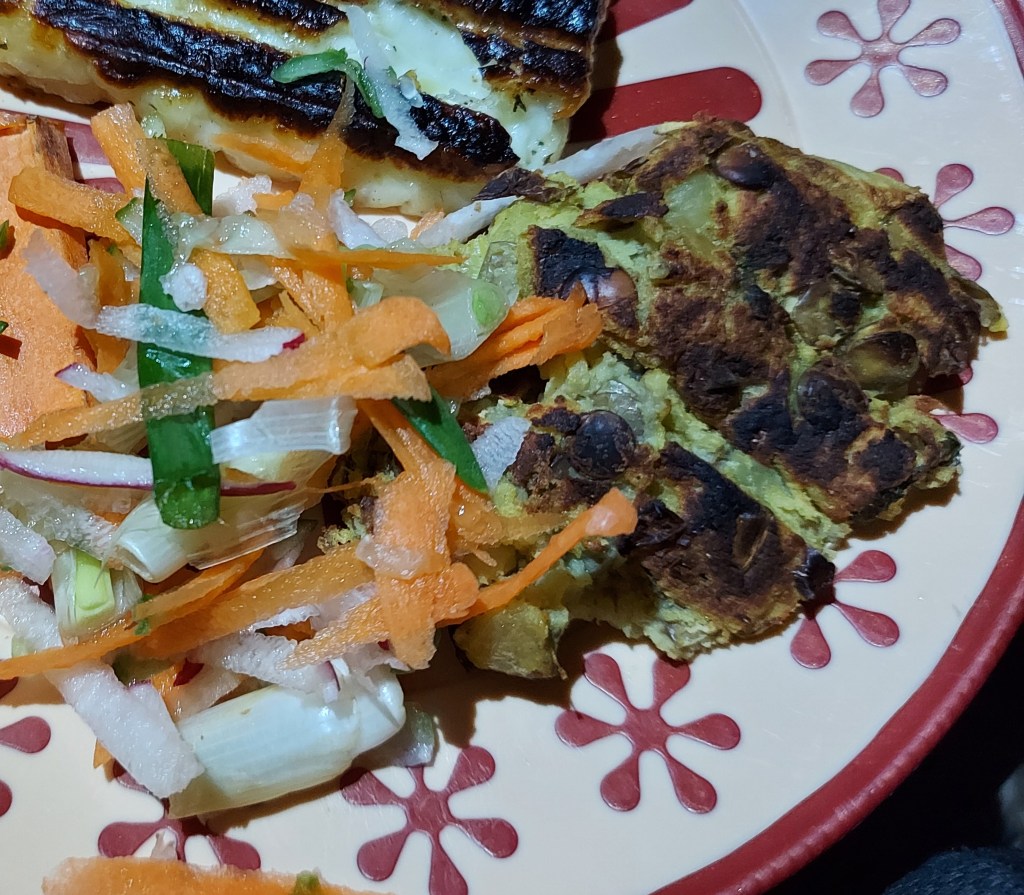
We’ve been working on a burger that will hold up to being put on the grill and this one, which combines potato, green lentils, onion and green leaves, uses chickpea flour to bind the mix together. We served it along with some grilled halloumi and some char grilled carrot slices. For a bit more variety, when courgettes and aubergines are in season, then put some of these on the grill.

Ingredients (makes 8 burgers)

  • 250 g  potato
  • 100 g green lentils
  • 50 g chickpea flour (also known as gram or besan)
  • One medium onion
  • 100 g mixed green leaves (we used radish leaves but you can use any you have handy)
  • One teaspoon turmeric, cumin seeds, chilli pepper and cinnamon
  • 25 ml olive oil

Method

  • Soak the lentils for a few hours and then cook in 400 ml water until they begin to go mushy and have soaked up all the liquid. Cook the potatoes in a separate pan and when ready drain and mash in a large bowl. 
  • Heat the oil in a heavy-based pan, add the cumin seeds and, when they start to pop, add the finely chopped onion and cook over a medium heat until translucent. Add the chopped mixed leaves and cook over a medium heat until they start to wilt.
  • Add the turmeric, chilli pepper and cinnamon and then add the cooked lentils to the mashed potato and then add the onions and leaves to the potato-lentil mix and stir well. Add the chickpea flour and combine all the ingredients.
  • Form the mix into golf ball sized rounds, flatten with your hand and then cook on the grill, turning after five minute or so when the burger is beginning to char. Serve immediately with other grilled vegetables, halloumi if you eat cheese and a salad of your choice.

Lashings of Laghman as KCC Turns 5

31 March 2021

Today we’re celebrating KCC’s 5th anniversary with a hearty plate of laghman, hand-pulled wheat noodles, one of Central Asia’s favourite dishes. These thick, chewy noodles are often served with a rich, spicy sauce but we decided to make a drier version with spring greens and chickpeas.

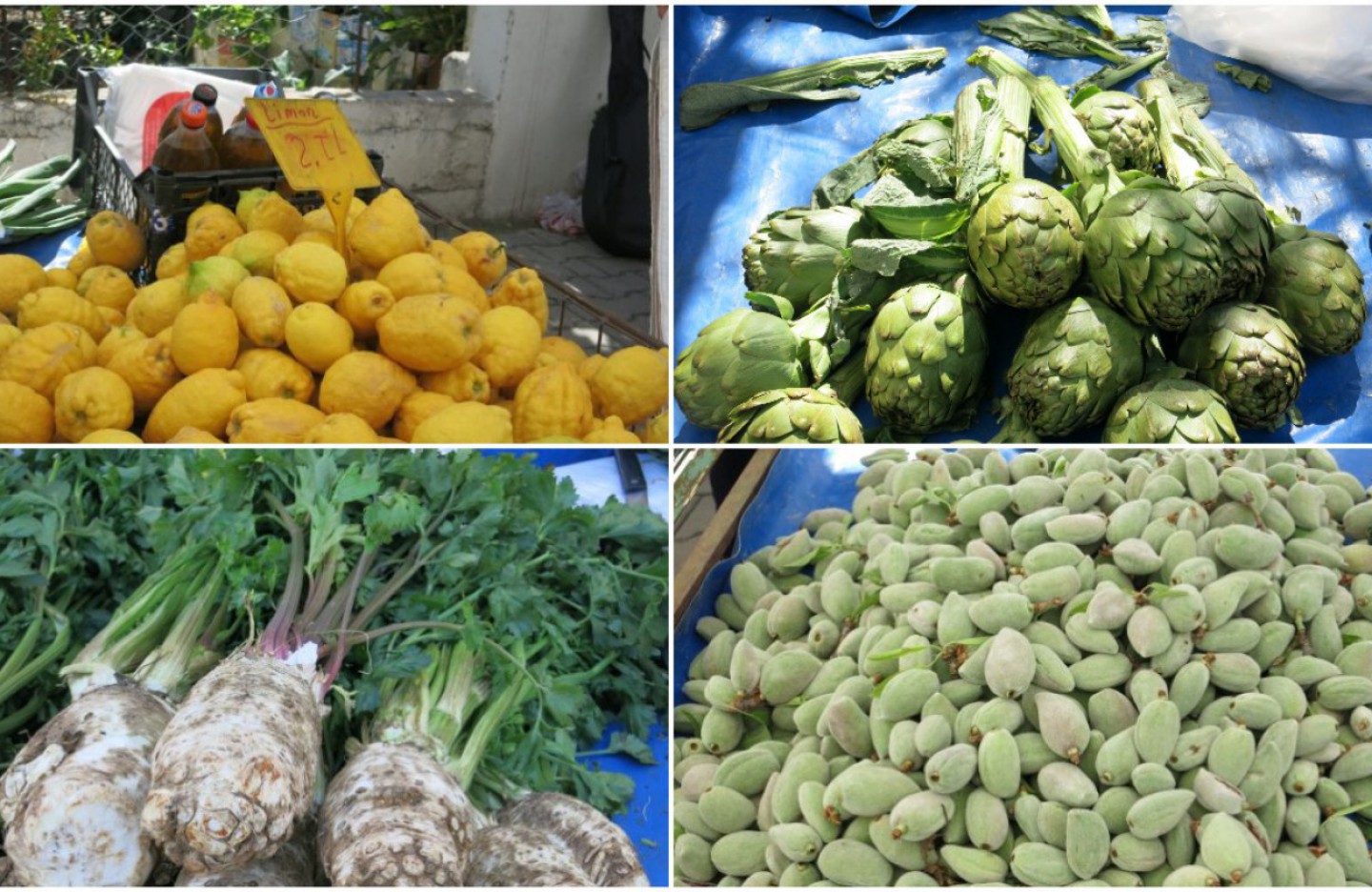
We can’t believe that it’s been five years since we started our culinary journey in Datça, Turkey. KCC’s first recipe was this asparagus risotto, inspired by the fresh produce on sale in the town’s weekly market.

Over the last five years, we’ve branched out from Turkey and sought out dishes from around the globe with gastronomic excursions to Greece, Georgia, Russia, Albania, Italy, India, Sri Lanka, Central Asia and Mexico among others.

Since the start of the pandemic KCC has been confined to Almaty, Kazakhstan, so we’ve been trying out new recipes based on locally sourced ingredients which brought us to laghman.

When it came to making this dish we cheated a bit – Gulzada, our local greengrocer, now offers home made noodles along with whatever fruit and vegetables are in season.

If your local grocer doesn’t stock noodles and you have the time to pull your own noodles, then check out this recipe to make the key ingredient for your laghman.

Ingredients (for 3-4 servings)

  • 150 g noodles per person
  • 200 g mixed greens – we used cauliflower and radish leaves but you can use anything you have handy
  • 200 g leek
  • 50 g garlic chives (jusai)
  • 50 g celery
  • 350 g cooked chickpeas
  • 100 ml chickpea cooking water (aquafaba)
  • One teaspoon cumin seeds
  • One teaspoon red chilli flakes
  • 50 ml olive oil

Method

  • Heat the olive oil in a heavy-based pan and add the cumin seeds. Wash the leek thoroughly and then chop in half lengthways and then cut into 1 cm slices. Use as much of the leek as you can including the leafy green bits. When the cumin seeds begin to pop, reduce the heat to a low setting and add the leek to the pan and stir fry for five minutes.
  • Add the red chilli flakes, celery, garlic chives and chopped radish and cauliflower leaves to the leek and cook until the the leaves start to wilt. Stir in the chickpeas and the aquafaba and cook until most of the liquid is absorbed and you have a fairly thick sauce.
  • Bring a large pan of water to the boil. Put the noodles in the pan and leave for 2-3 minutes to warm them through. Arrange on a plate and pour the sauce on top and serve.

Börek with a Celtic Twist

25 February 2021

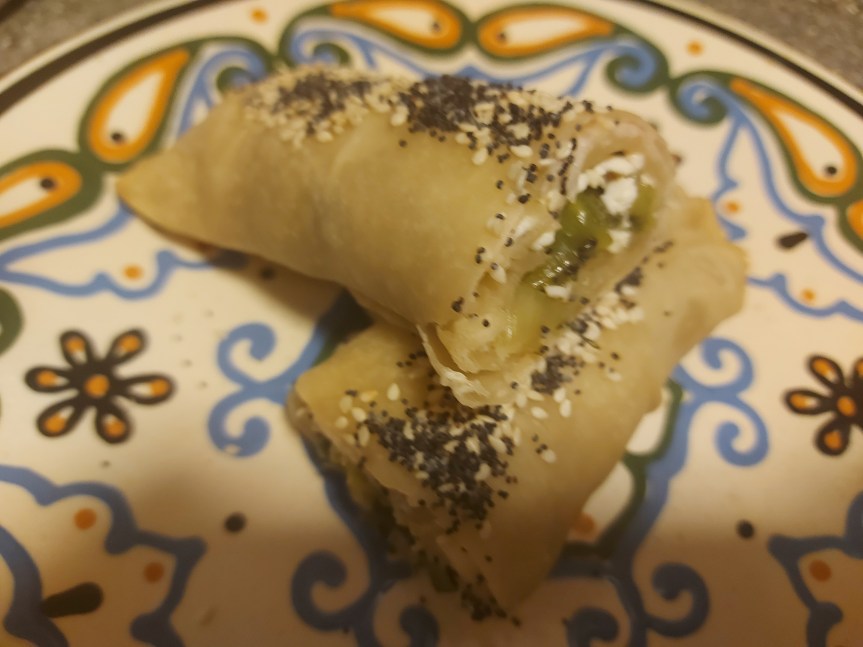
With the feast of St David, the patron saint of Wales, coming up on 1 March, we’re cooking with leeks. We’ll be combining this creamy-tasting cousin of the onion, which is one of the symbols of this country with a dragon on its flag, with crumbly white cheese in layers of filo pastry to give a Celtic twist to Turkey’s popular anytime snack – the börek.

Börek consists of thin sheets of pastry stuffed with cheese or vegetables. It is found in all corners of Turkey and alongside the more familiar fillings of white cheese, spinach or potato, it’s worth looking out for the lesser-spotted leek filled version, known as pırasalı börek in Turkish.

The leek is thought to have been adopted as a symbol by the Welsh in the 7th century when soldiers, fighting off an invasion by Saxons from the east, were advised to wear leeks in their helmets in order to distinguish the home fighters from the enemy. The battle was won and the leek is still worn by people in Wales to this day. Expect to see many being sported this Saturday in the run up to St David’s Day as Wales seek to repel more invaders from the east in the form of England’s rugby team.

To celebrate the occasion we’ve filled our börek with a riff on the Glamorgan sausage, a vegetarian, breadcrumb-covered speciality of south Wales made from leek and Caerphilly cheese. We also knocked up our own sheets of filo as Ramstore, the purveyor of all things Turkish in Kazakhstan, has shut its doors, a victim of the pandemic. This means that yufka, as the Turks call filo, is no longer easy to find in Almaty.

Ingredients (makes 4 böreks)

Filo Pastry

  • 300 g all-purpose flour
  • 100 ml olive oil
  • 20 ml white wine vinegar 
  • 150 ml warm water

Leek Filling

  • One leek (approx. 250 g)
  • 150 g crumbly white cheese
  • One teaspoon caraway seeds
  • One teaspoon of nigella, sesame or poppy seeds
  • 50 ml olive oil

Method

  • Make the filo pastry first. Combine the sieved flour with olive oil and white wine vinegar. Slowly add the water a bit at a time and mix it all together with a wooden spoon until the dough forms into a smooth ball. Knead for 10 minutes on a lightly-floured surface to make the dough more stretchy. Separate into eight golf-ball sized pieces. Lightly coat with olive oil and leave for an hour covered in clingfilm at room temperature.
  • For the leek filling, heat the olive oil in a heavy-based pan and add the caraway seeds. Clean the leek thoroughly and roughly chop it into 0.5 cm rounds. Use all the leek, including the green bits, discarding the rough tops of the leaves. Add to the pan and cook over a low heat for 15 minutes stirring occasionally. When the leek has softened, turn off the heat and grate in the white cheese and combine well.
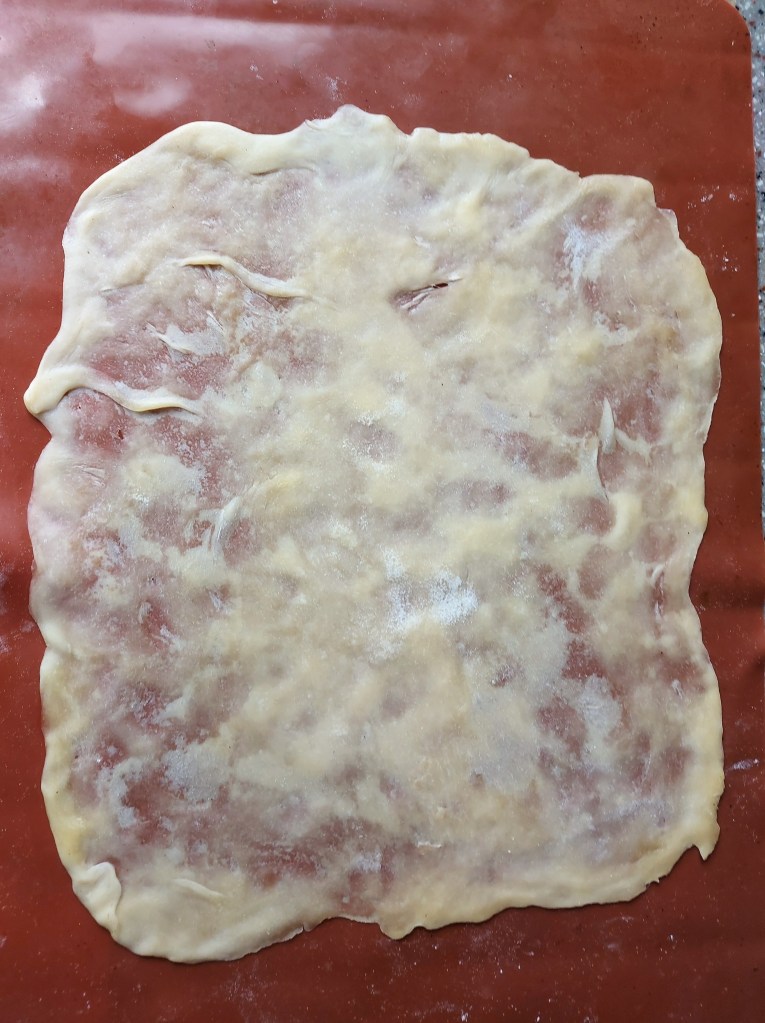
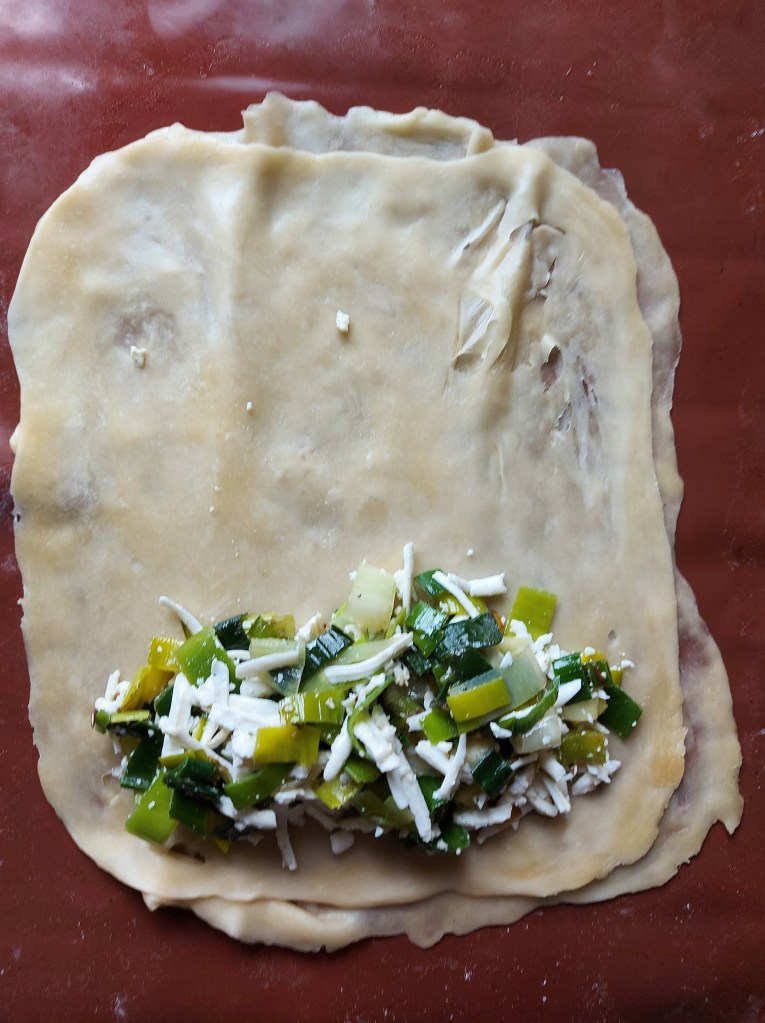
  • Roll out the filo sheets as thinly as you can using a rolling pin or the palm of your hand. It should be around 15 cm by 20 cm and become clear in places. Brush one sheet with olive oil and then place another on top. Add a quarter of the leek the filling along the shorter edge. Roll up the mixture into a cigar shape and tuck in the edges. Brush with olive oil, sprinkle nigella, sesame or poppy seeds (or all three) over the börek and cook for 20 minutes at 200 c, until they turn a golden-brown colour. Serve on its own or with a green salad or roasted root vegetables.  

KCC’s October Squashfest

1 October 2020

With the temperatures tumbling in the second half of September, thoughts turned to the opening of the pumpkin season, which traditionally starts on 1 October in the world of Knidos Cookery Club.

There’s a definite chill in the air and we’ve even got the heating coming on two weeks ahead of schedule here in Almaty, Kazakhstan. So, it’s certainly time for some autumn comfort food.

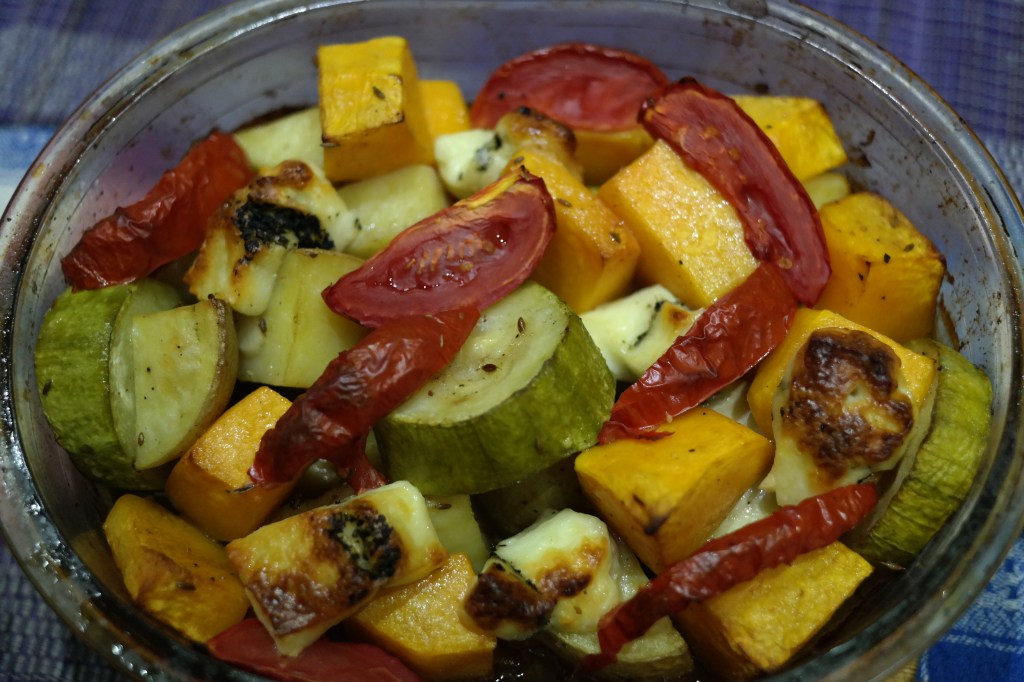
We’ve combined the first butternut squash of the season with the summer’s last stand of courgettes and tomatoes and some minty halloumi cheese to come up with a roast that conjures up the pale green, orange and red hues of the falling leaves synonymous with this time of year.

Ingredients (serves 3-4 people)

  • 300 g Butternut squash 
  • 300 g Courgettes (Zuchinni)
  • Three plum (Roma) tomatoes
  • 200 g halloumi
  • One teaspoon cumin seeds
  • 50 ml olive oil

Method

  • Cut the butternut squash into 2 cm cubes – you can peel the butternut or leave the skin on if you wish. Cut the courgette into 1 cm slices and cut in half to make semi-circles.
  • Put them in an ovenproof dish, sprinkle the cumin seeds and pour the olive oil over the vegetables and mix well. Cover the dish with tin foil and cook in the oven at 150 c for one hour. Give the veggies a stir after 30 minutes
  • Remove the foil and stir well. Add the tomatoes, sliced into six wedges and the halloumi, cut into 2 cm cubes. Place these on top of the squash and courgettes and bake at 150 c for another 30 minutes or until the cheese starts to look charred.
  • Serve with a flat bread such as pita or chapati. You can bake some jacket potatoes in the oven with the roast veggies to make the meal more substantial or serve with pasta, rice, bulgur wheat or pearl barley.

Double Radish Courgette Quiche

23 July 2020

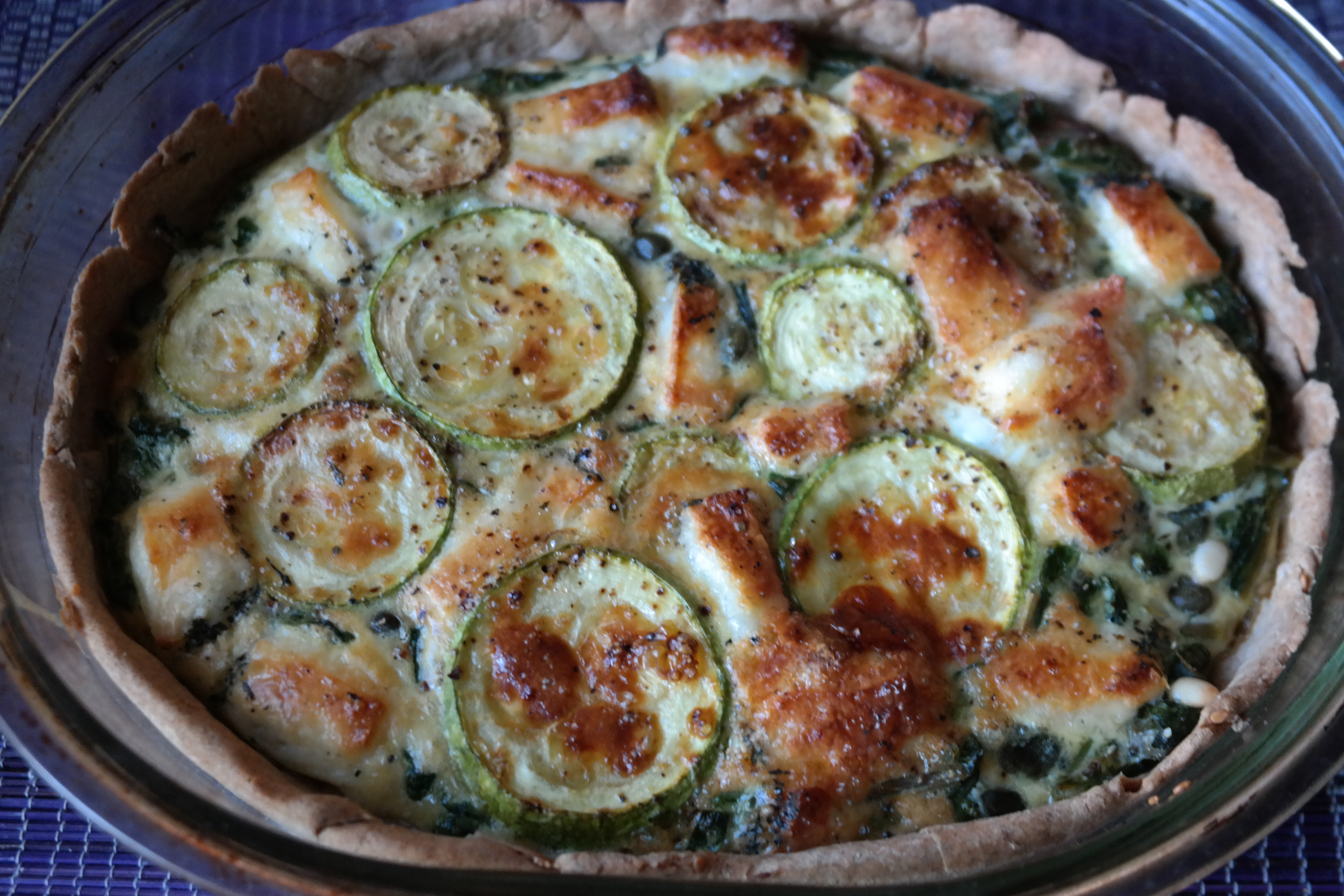
With reports coming in from allotment owners in the UK of a bumper post-lockdown vegetable crop, we’re revisiting an old favourite — a quiche made with courgettes, peppery radish leaves and a healthy dash of horseradish.

SAMSUNG CSC
Courgette, radish leaf and halloumi quiche

In a topical touch, we’ve added a dash of horseradish (хрен in Russian), the latest plant to be touted as a defence against coronavirus in Central Asia, following hard on the heels of garlic.

20200722_162910
Horseradish sauce with beetroot


Demand for horseradish, a root vegetable which is traditionally mixed with honey to fight colds and coughs, has soared in in Kazakhstan and Uzbekistan in recent weeks, along with the price. We bought a jar of horseradish sauce, flavoured with beetroot, as the fresh roots are in short supply.

SAMSUNG CSC
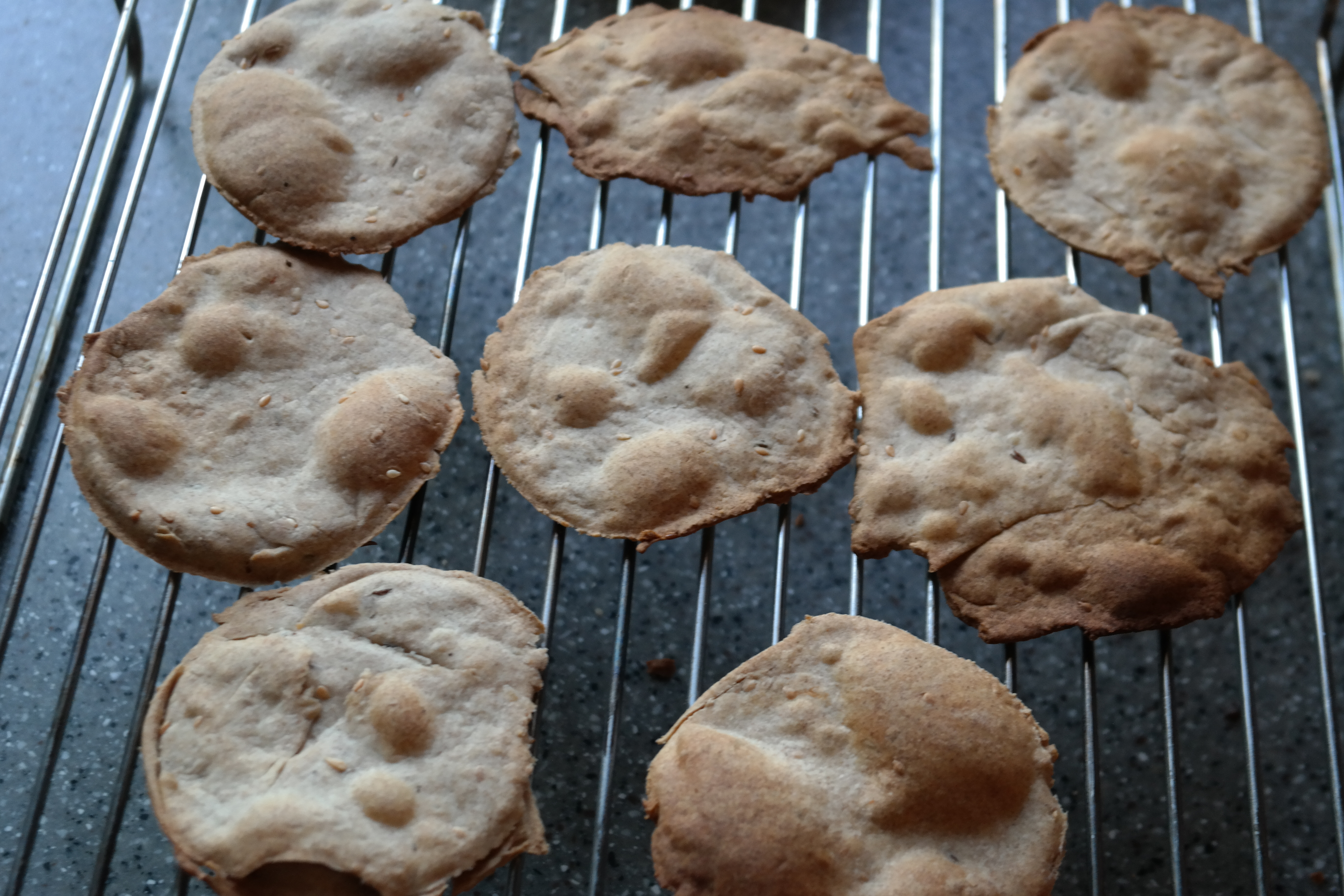
Going a bit crackers in lockdown

Crackers have also been hard to find in Almaty in recent weeks, so we used up the leftover pastry from making the quiche to prepare our own. Simply roll the pastry out to a thickness of 1 mm and then use a glass or mug to cut out a round shape. Bake in a hot oven (200 c) on a baking tray for 8-10 minutes until they start to brown.

Ingredients (3-4 portions)

For the pastry:

  • 250 g  flour (we used a 50/50 mix of rye and wheat flour)
  • 60 ml olive oil
  • 120 ml cold water
  • One teaspoon cumin seeds
  • One teaspoon sesame seeds
  • Healthy sprinkling of black pepper

For the filling:

  • One medium courgette
  • Bunch of radish leaves
  • One teaspoon horseradish sauce (or freshly grated if you can find it)
  • One small onion
  • One egg
  • 100 g halloumi
  • 50 ml olive oil

Method

  • Put the flour in a large bowl with the cumin and sesame seeds and a sprinkling of black pepper. Mix the flour and oil together with a fork and then slowly add the water and keep mixing until it starts to come together. Knead with your hands for 5-10 minutes until you have a stretchy ball of pastry. Leave in the fridge covered in clingfilm for an hour or so.
  • Heat the oven to 200 c. Roll the pastry on a lightly floured surface until it is about 2 mm thick. Grease a baking dish and then put the pastry in the dish to form a pie crust. Prick all over with a fork and bake in the oven for 10-15 minutes. You can use any leftover pastry to make crackers – put them on the top shelf of the oven at the same time as you’re baking the pie base.
  • Heat 25 ml of oil in a heavy based pan and chop the courgette into 5 mm slices. Cook the courgettes on both sides until browning. Put the courgettes to one side and add the rest of the oil to the pan.  While the pie base is baking, cook the sliced onion and chopped radish leaves in the hot oil.
  • Add the horseradish sauce and the egg to the mixture when the radish leaves are wilting. Stir well and then pour this into the pie crust. Place the fried courgette slices on top and put strips of halloumi around the courgettes. Bake for another 20-30 minutes at 180 c until the pastry is starting to go brown and the cheese has started to melt.