Almaty Apple Spritz: A Cocktail for the (Old) New Year

11 January 2024

We’re almost two weeks into 2024, but in some parts of the world the new year is marked according to the Julian calendar rather than the Gregorian, which means that Old New Year’s Eve is celebrated on 13 January. This date is still marked in many parts of Eastern Europe. It’s also celebrated in parts of Wales, where it’s called Hen Galan (old new year), and some parts of Scotland, on 12 January .
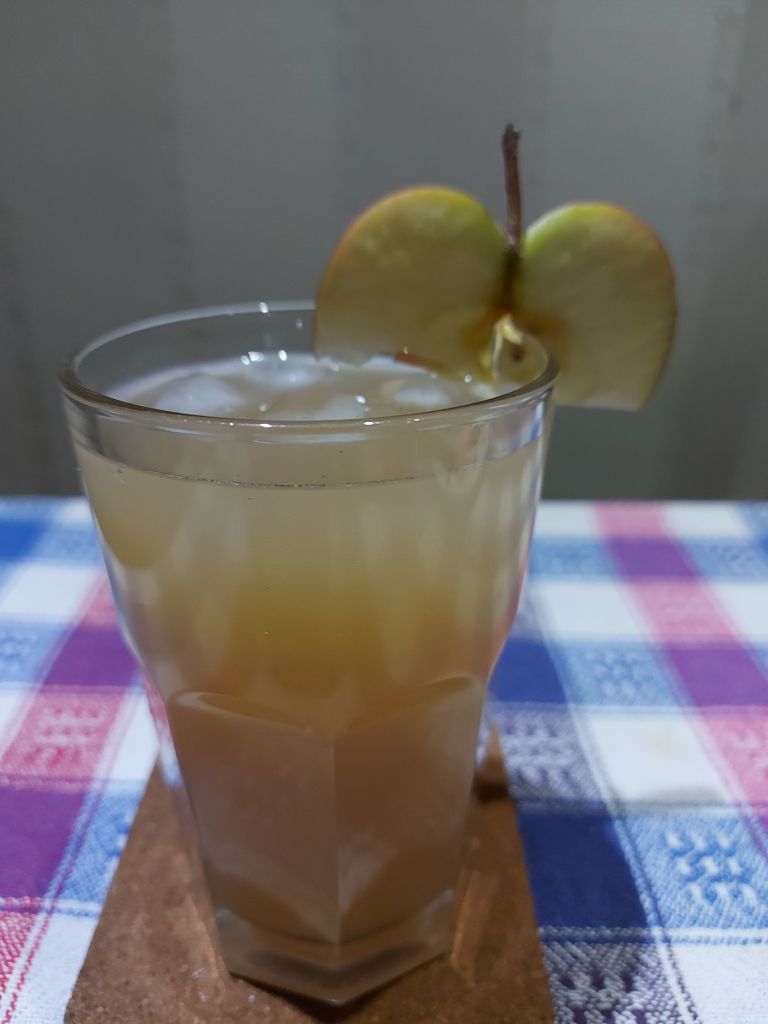
Cheers, and Happy Old New Year, with an Almaty Apple Spritz!

Here at KCC, we regard old new year as the end of the holiday season, allowing a few weeks of respite before Chinese New Year! To mark the occasion, this cocktail combines cloudy apple juice with a cinnamon-infused cold brew. To see off the old year with a kick, add some shots of vodka to this apple spritz.

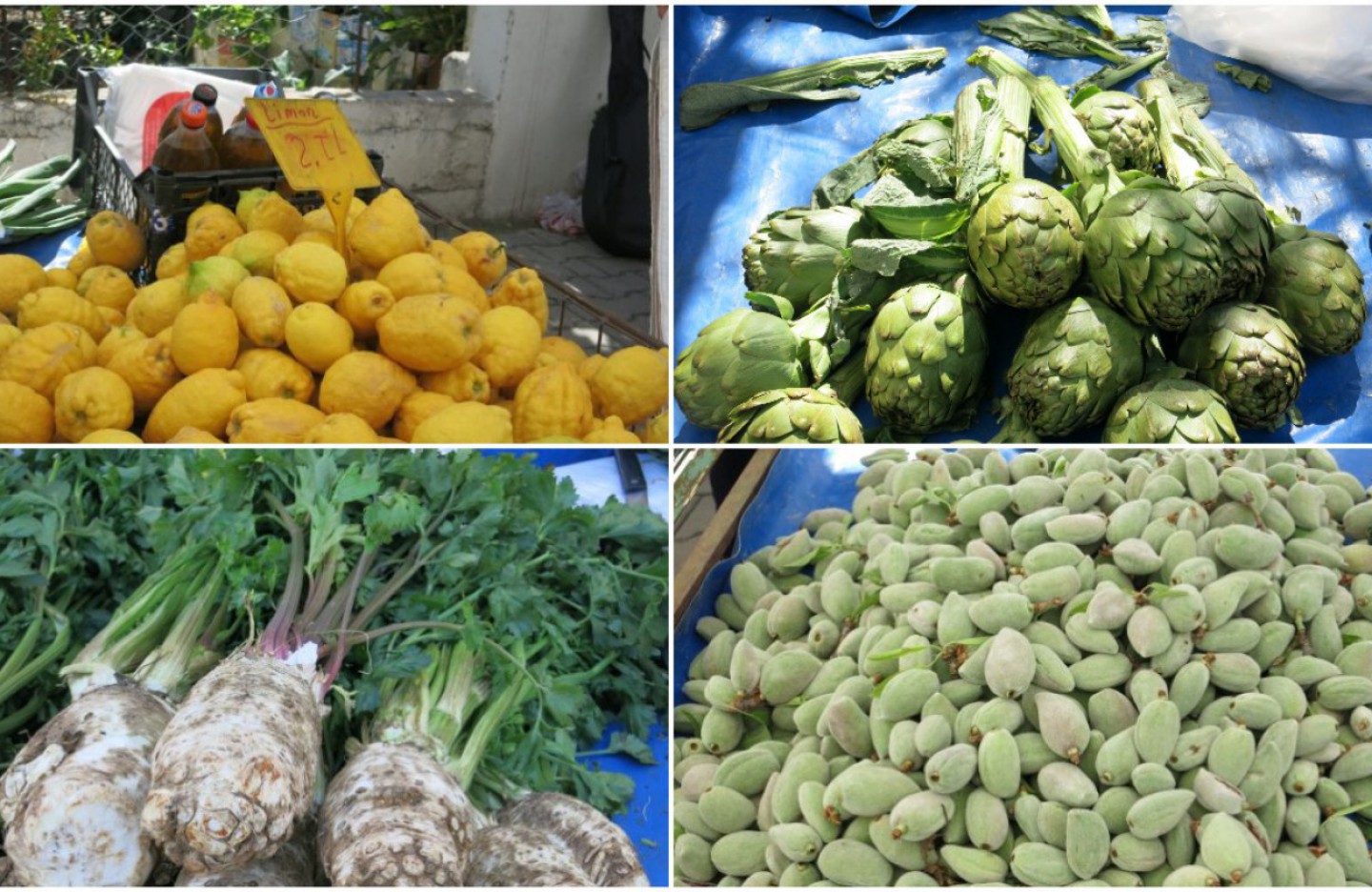
Any apple juice can be used – we used a local one from Almaty, Kazakhstan that’s free from extra sugar and other additives and is naturally cloudy. Almaty, whose name translates as “place of apples”, is where the antecedents of today’s apples evolved.
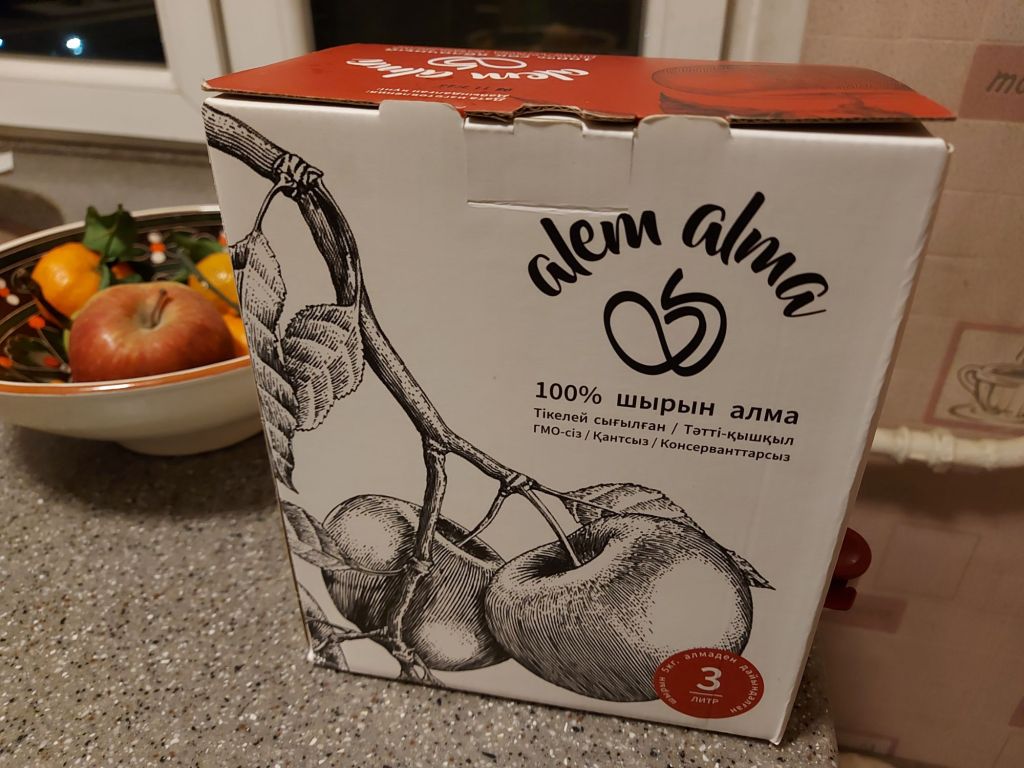
Apples are from Almaty!

To make the cold brew, add a cinnamon stick, or a teaspoon of powdered cinnamon, five cloves, two teaspoons of fresh ginger and a pinch of nutmeg to a litre of cold water. Shake well and leave overnight in the fridge.

For one serving of the the Almaty Apple Spritz, put some ice cubes into a tall glass, pour in 25 ml of any vodka of your choice (or 50 ml if you want to get a jag on, if you’re doing dry January, just omit the vodka!). Add 75 ml of the cinnamon cold brew, 50 ml of apple juice and top up with fizzy water, garnish with a slice of apple and stir before drinking.

This cocktail also works well warmed up (you don’t need the ice or fizzy water).The spices and apple juice evoke a cosy mulled cider vibe. Simply heat until it’s just about to boil and serve asap. A recommended food pairing is with KCC’s coleslaw variation or a traditional new year Olivier salad.

Barleekie – a Barley, Leek and Lentil Soup for Burns Night

21 January 2021

We’re always on the look out at KCC for something to celebrate and this week we’re heading for Scotland. Coming up on 25 January is Burns Night, which marks the birthday of the country’s national bard, Robert Burns, with a night of poetry and songs accompanied by lots of drinking and feasting.

The celebration revolves around a hearty supper and commemorates the life and works of Scotland’s most famous poet with recitals of his work and comforting winter fare. It’s all washed down with a wee dram or two of whisky.

The first course of the supper is usually cock-a-leekie soup, this is followed by the main attraction, haggis, a savoury, offal-based dish that is similar to “a crumbly sausage, with a coarse oaty texture and a warming peppery flavour,” according to the BBC Good Food website. It’s usually served with neeps (mashed turnip) and tatties (mashed potato). Clootie dumpling, a steamed, dried fruit pudding, is served for dessert.

We’ve replaced the chicken usually found in the cock-a-leekie soup with green lentils to make our vegan version – Barleekie soup, named for its key ingredients of barley and leeks.

If you want to try your hand at haggis but are not keen on all those innards then check out this recipe from Emi’s Good Eating for a vegan take on Scotland’s national dish. As for the clootie dumpling, check out this recipe from the BBC.

Ingredients (for 3 – 4 servings)

  • 100 g pearl barley
  • 100 g green lentils
  • One leek (200 g)
  • One carrot (150 g)
  • One lemon
  • 50 ml olive oil
  • 600 ml vegetable stock
  • One teaspoon cumin seeds
  • One teaspoon turmeric 
  • One teaspoon ginger
  • One bay leaf

Method

  • Soak the barley and green lentils separately for 4 hours. Zest the lemon and mix this into the soaking barley.
  • Heat the oil in a heavy-based pan and then wash the leek thoroughly and chop the white part into 1 cm rounds and roughly chop the green parts. Add the leek to the pan and then stir in the spices. Sweat the leek over a low heat until it is soft. 
  • Stir in the chopped carrot, barley and  green lentils and then add the vegetable stock and the juice of the lemon and the bay leaf. Simmer for 30 minutes or so over a low heat until the the lentils and carrots are cooked but the barley still has a bit of bite to it.
  • Serve hot with hunks of crusty bread or oatcakes if you have them.

Put a Bit of Zhug in your Life

14 November 2019

On a recent flying visit to Glasgow, KCC dropped into Ox and Finch in the city’s West End for a bite to eat. This Sauchiehall Street eatery offers a range of tapas-style sharing plates – we opted for the giant couscous with grilled halloumi, a plate of braised leeks, beetroot hummus, grilled baby gem lettuce and, with this being Glasgow, chips of course. 

20191114_140452
A spicy bowl of zhug sauce

This time round, we’ll be recreating the giant couscous dish, made with ptitim, toasted pearls of wheat and semolina, first cooked up in Israel in the 1950’s when rice was in short supply in the early days of the Israeli state. This couscous relative was dubbed Ben-Gurion rice after Israel’s first prime minister. After scouring our local supermarkets, ptitim proved to be in short supply so we’ve replaced them with mung beans!

20191108_222230
Mung beans, zhug, halloumi, pomegranate and pumpkin seeds

Key to this salad is the dressing, a piquant sauce called zhug,  which was brought to Israel by emigrées fleeing persecution in Yemen in the late 1940s. This spicy cousin of Italy’s milder pesto and Mexico’s equally fiery salsa verde, is served often alongside falafel and hummus. The name is said to be derived from mas-chag, the name of the grinding stone traditionally used to crush the spices and herbs into a paste.

Ingredients (serves 2-4)

  • 100 g mung beans
  • 125 g halloumi
  • Sprinkling of pomegranate seeds
  • Sprinkling of roasted pumpkin seeds

For the zhug sauce:

  • One bunch fresh coriander
  • One bunch fresh parsley
  • One garlic clove
  • Two teaspoons red chilli flakes
  • One teaspoon black peppercorns
  • One teaspoon cumin seeds
  • One teaspoon coriander seeds
  • One teaspoon cardamom seeds
  • Juice of half a lemon
  • 25 ml olive oil

Method 

  • To make the zhug sauce, put all the ingredients except for the olive oil in a blender and give it quick blitz. Don’t overdo the blending as you want a slightly chunky texture. Now slowly add the olive oil, blitzing until it is mixed in with the other ingredients. Put in a glass jar – it should keep for a couple of weeks in the fridge.
  • Cook the mung beans until tender. While the mung beans are cooling, grill the halloumi until a golden-brown colour. Then mix the cooled mung beans with a tablespoon of zhug, arrange the grilled halloumi on top, sprinkle with pumpkin and pomegranate seeds and serve with a selection of your favourite meze dishes.