More Adventures with Asparagus

24 May 2024

It’s that asparagus time of year once again. These tasty green spears are a harbinger of the warmer months of Spring and Summer – the first tips are ready for harvest shortly after the ground temperature hits 10°C.

Asparagus and chickpea pasta

Here in Almaty, Kazakhstan, locally-grown asparagus is currently having its moment in the sun, with many restaurants offering seasonal dishes featuring these flavour-packed spears of goodness.

Asparagus from Kazakhstan

Over the years, KCC has featured a number of asparagus dishes, such as a bulgur pilaf with asparagus (KCC’s first ever recipe), Mr Alan’s Top Tips, and in a stir-fry. This time round, after tracking down some locally-grown asparagus in Almaty, we’ve cooked it with chickpeas, capers, walnuts and tagliatelle:

Ingredients (for 2 servings)

  • 150 g asparagus
  • 175 g chickpeas 
  • 30 g walnuts
  • 20 g capers 
  • 50 – 100 ml aquafaba (chickpea cooking liquid)
  • 25 ml olive oil
  • 150 g dried taglaitelle
  • One teaspoon fresh or dried rosemary

Method

  • To make the green sauce, blitz 50 g of chopped, raw asparagus in a blender with 75 g chickpeas, the chopped walnuts and capers and olive oil. Keep adding aquafaba slowly until the sauce had a creamy consistency, 
  • Cook the pasta according to the packet instructions in a pan of boiling, salty water. Slice the remaining asparagus into 3 mm slices and cook with the pasta for the last five minutes. While the pasta is cooking, add the remaining chickpeas to the green sauce in a heavy-based pan, warm over a low heat and stir in the rosemary. 
  • Drain the pasta and asparagus, reserving some of the cooking Waterloo to loosen the sauce, if needed, and add to the green sauce and chickpeas, combine well and serve.

Scrappy, Hempy Courgette Hash

10 Aug 2023

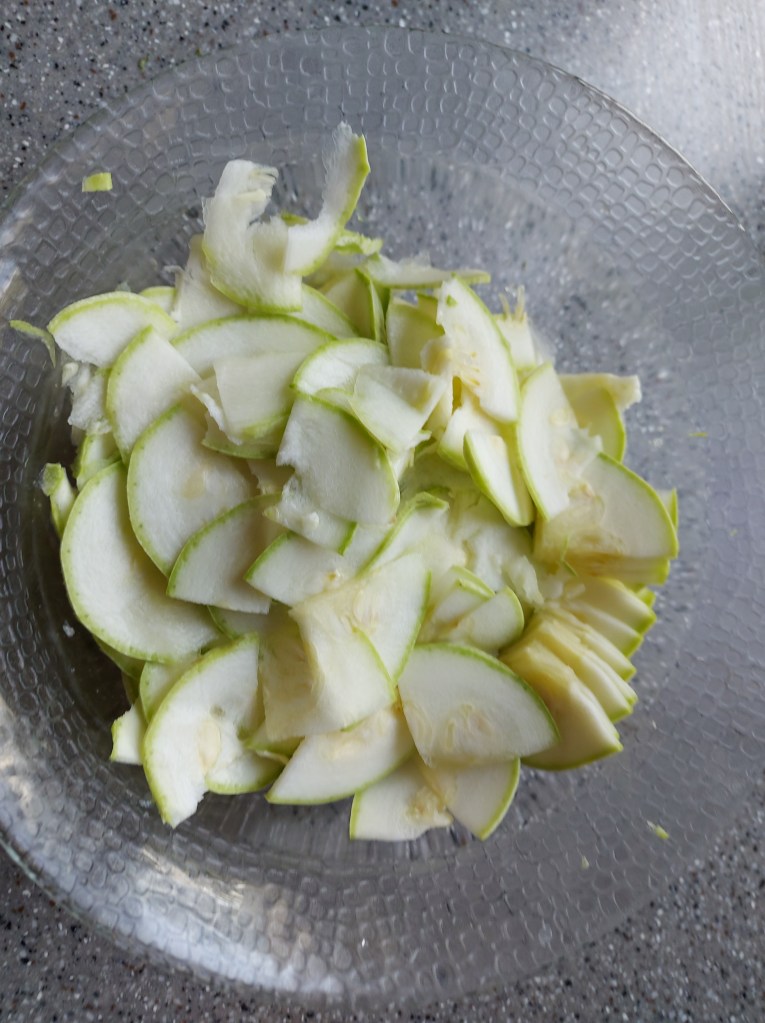
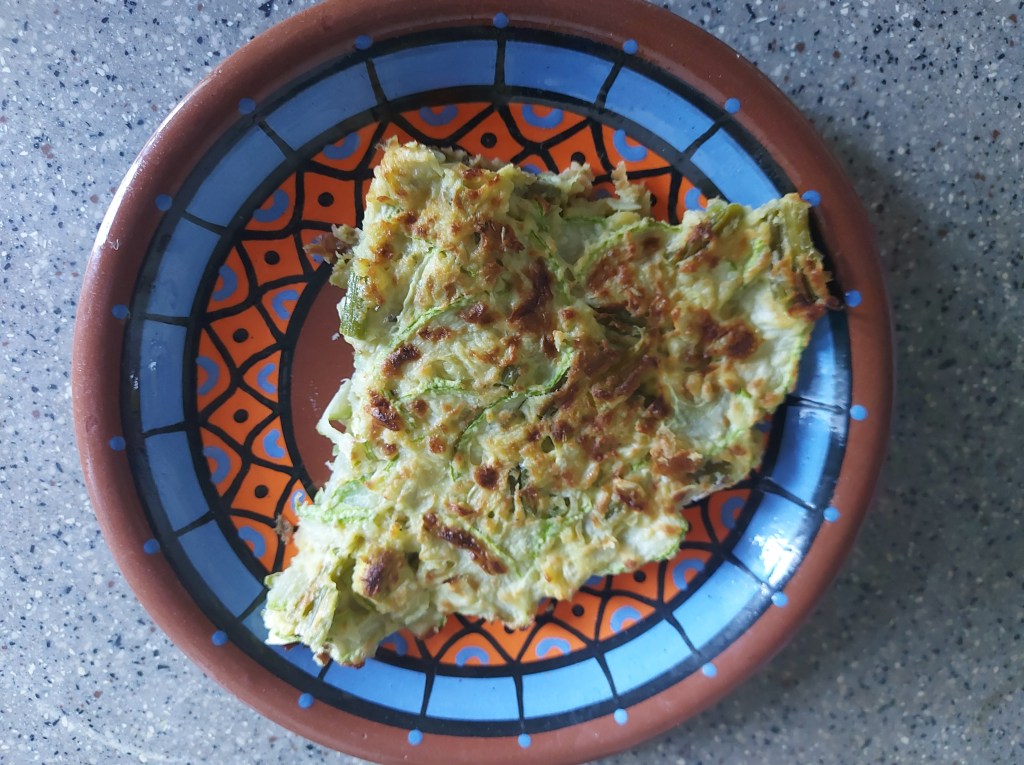
It’s that time of year again when you’ve got more courgettes than you know what to do with so here at KKC we’re looking at scarpaccia from Italy’s Tuscany region. Our take on this crispy tart uses chickpea flour, thinly sliced courgettes, garlic scapes, rosemary, parsley and the mystery ingredient, hemp seed oil.

Try a slice of KCC’s scrappy, hempy courgette hash!

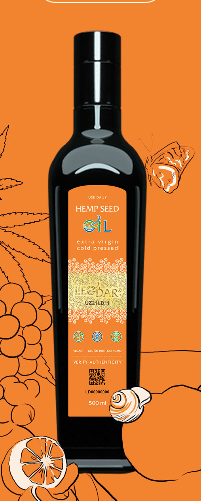
A friend in Uzbekistan recently gave KCC a bottle of locally-produced, premium quality, first pressing hemp seed oil from a company called Leodar. Hemp seed oil adds an earthy, nutty flavour to dishes and salad dressings.

Hemp, the non-psychoactive cousin of marijuana, grows wild in many parts of Central Asia. It’s ideally suited to the arid conditions found here – a much better choice than thirsty cotton. Besides oil, this versatile plant can be used for textiles, paper and bio fuel amongst others.

The return of the scapes!

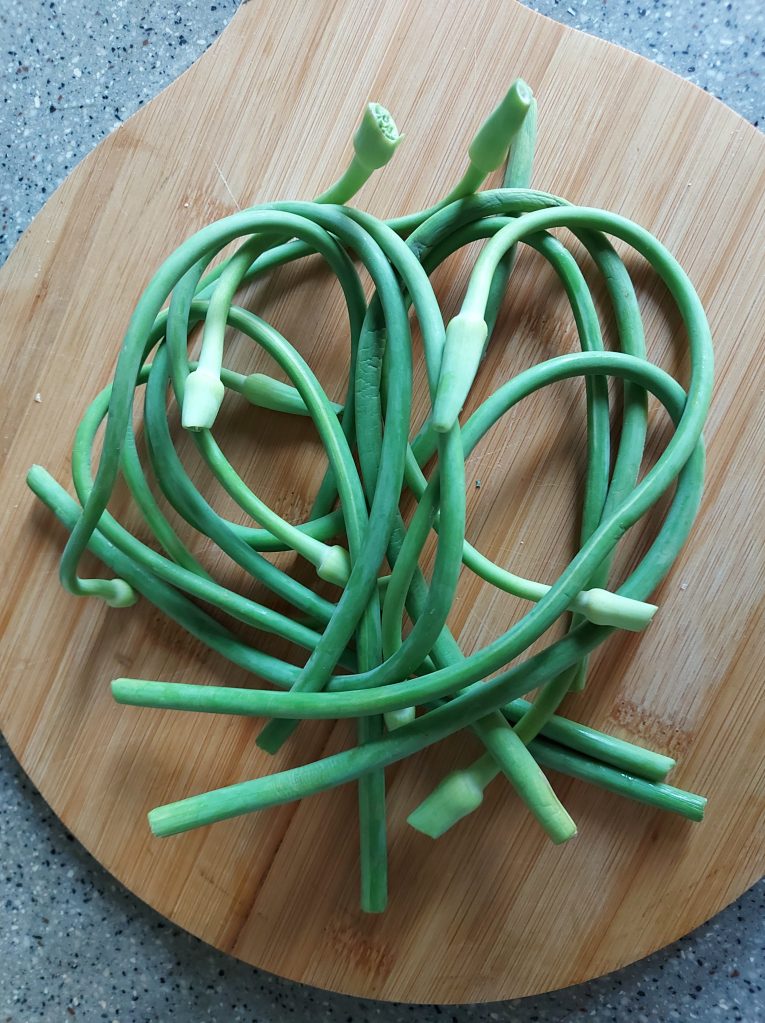
Regular readers may well remember garlic scapes, the edible stem that grows from the garlic bulb, from a previous recipe – a variation on the mücver theme. This flavoursome peduncle gives a mild garlicky kick to pies and tarts, soups and salads, pesto and stir fries.

Ingredients (serves 4)

  • 500 g courgette – thinly sliced with a potato peeler or similar
  • 50 g garlic scapes – cut into 1 – 2 cm slices
  • 2 teaspoons rosemary
  • 5 g fresh parsley
  • 50 g chickpea flour
  • 25 ml hemp seed oil (or any flavoursome oil you have to hand)
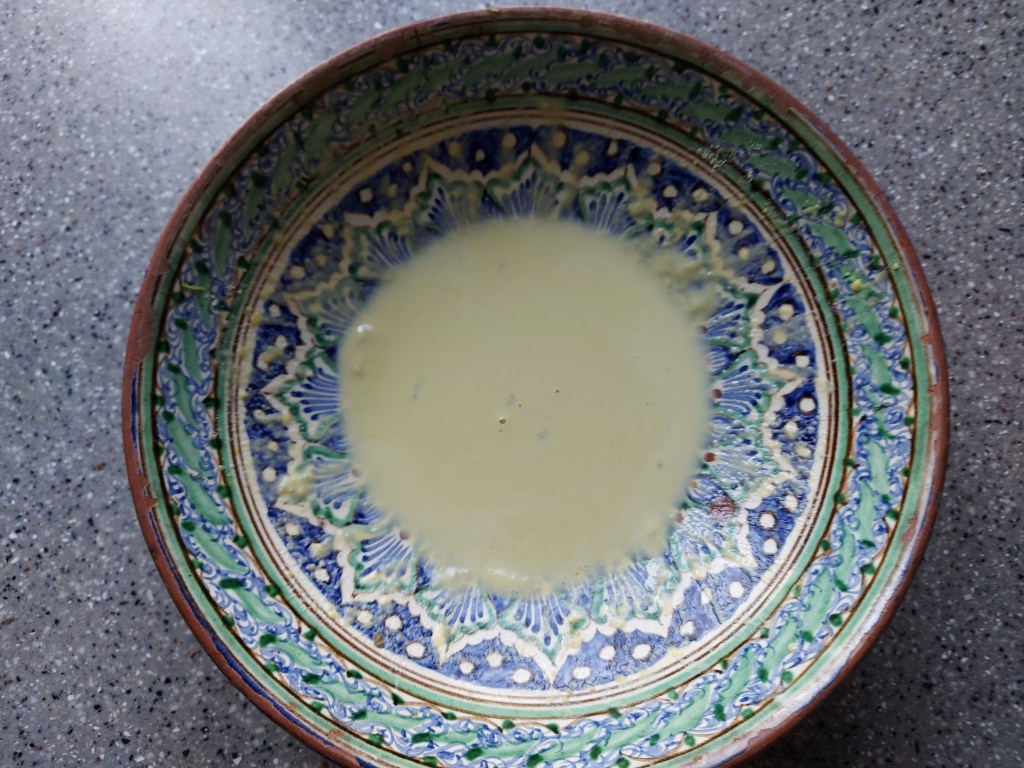
  • 75 ml water, including any liquid left over from straining the sliced courgettes

Method

Meet the Hasselback Potato

21 December 2022

Winter Solstice is upon us once again so it’s time to kick off the holiday season. If you’re looking for something a bit different for your festive feast this year, then look no further than the Hasselback potato, an attractive dish that tastes like a jacket potato crossed with a roast potato.

This method of preparation involves cutting the potato into thin slices that fan out while baking. It can be used for other vegetables like beetroot, carrot and butternut squash, as well as a sweet version using fruits like apple and quince.

Hasselback potato with a pasty and salad

Hasselback potatoes originated in Sweden with the dish featuring in a 1929 recipe book “The Princesses’ Cookbook” by Jenny Åkerström. In 1953. Lief Elisson, a rookie chef at Stockholm’s Hasselbacken restaurant, revived this method for preparing the humble spud.

Preparing the Hasselback

To prepare the fruit or vegetables of your choice, place chopsticks or wooden spoon handles on either side and cut into thin slices until the blade hits the wood.

Ingredients

  • Four medium potatoes
  • 25 ml olive oil
  • One teaspoon rosemary or thyme (fresh if available or dried)
  • One teaspoon cumin seeds

Method

  • Put two chopsticks or the handles of two wooden spoons on either side of the potato. Cut into 1-2 mm slices, cutting until the blade hits the wood.
  • Put the potatoes in an ovenproof dish with the cut side facing up. Drizzle liberally with olive oil and sprinkle cumin seeds and thyme (or rosemary) over them.
  • Bake in a pre-heated oven at 180 c for one hour. Serve on their own or as part of a main course with a pasty or nut roast along with your choice of side vegetables or a salad.