The Turk Brekkie Club

7 July 2016

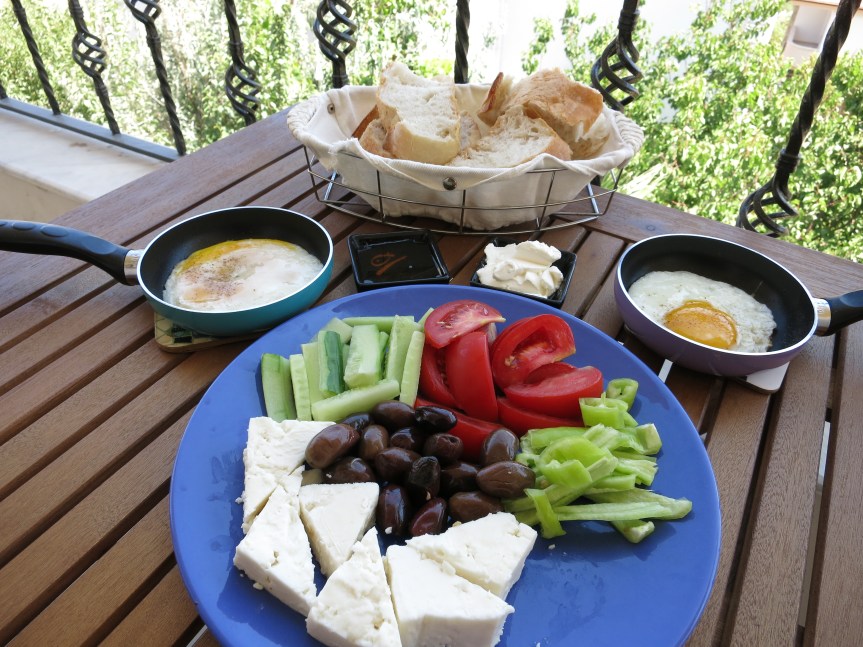
Turkey has turned the first meal of the day into an art form with ever-more elaborate spreads of cheeses, jams, honey, olives, tomatoes, cucumbers, peppers and egg dishes spilling across the table with different regions of the country bringing local additions to the mix.
IMG_0964
Turk Brekkie!

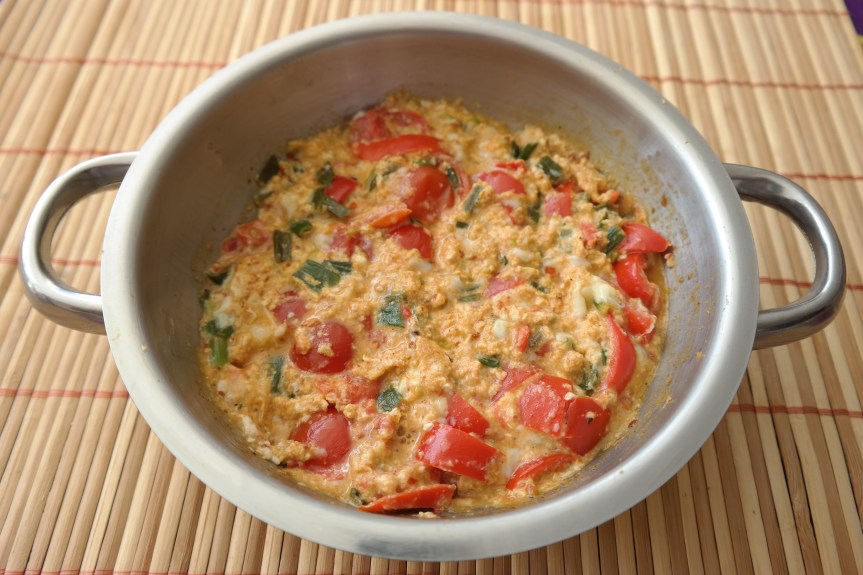
At the heart of the breakfast there is usually an egg dish – often a soft-boiled or fried egg, or a speciality dish such as menemen, a hearty scramble of eggs, onions peppers and tomatoes.

In Datça, the köy, or village, breakfast can come with lashings of local honey and gözleme, a pancake filled with  white cheese and fresh herbs. The Van Breakfast, originating in the east of the country, has conquered the rest of Turkey with its array of 20 or more dishes. It  includes otlu peynir, a herb-infused cheese, martuğa, made from flour, butter and egg, and kavut, a porridge made from cornmeal and ground barley.
SAMSUNG CSC
Menemen

This week on Knidos Cookery Club, we’ll be cooking up menemen. I first encountered this breakfast-time treat when staying in Izmir, on the Aegean coast. Walking out of my hotel, I was met be the mouth-watering aroma of eggs bubbling away with peppers and tomatoes.  Street hawkers, hunched over single-burner camping stoves, were busily whipping up pans of scrambled delight.

Ingredients (for one hearty serving)

Two eggs

One spring onion

One small red or green pepper (if you like it hot, use a chili pepper)

One small tomato

Seasoning: pinches of salt, black pepper, cumin and chill pepper flakes

Parsley for garnishing

Olive oil for frying

Method

Heat the oil in a small frying pan. Add the diced spring onion and cook over a medium heat until starting to brown. Add the diced tomato and diced pepper and season with salt, black pepper, cumin and chill pepper flakes.

Cook until the peppers begin to soften then reduce to a low heat and crack in the eggs. Keep stirring as you would for scrambled eggs. When the egg begins to set, remove from the heat – it’ll carry on cooking in the pan. Garnish with some chopped parsley.

Serve immediately with crusty bread and a plate of white cheese, honey, olives, tomatoes, cucumbers and peppers for the full-on Turk brekkie effect.
 

Pass the Glasswort

30 June 2016

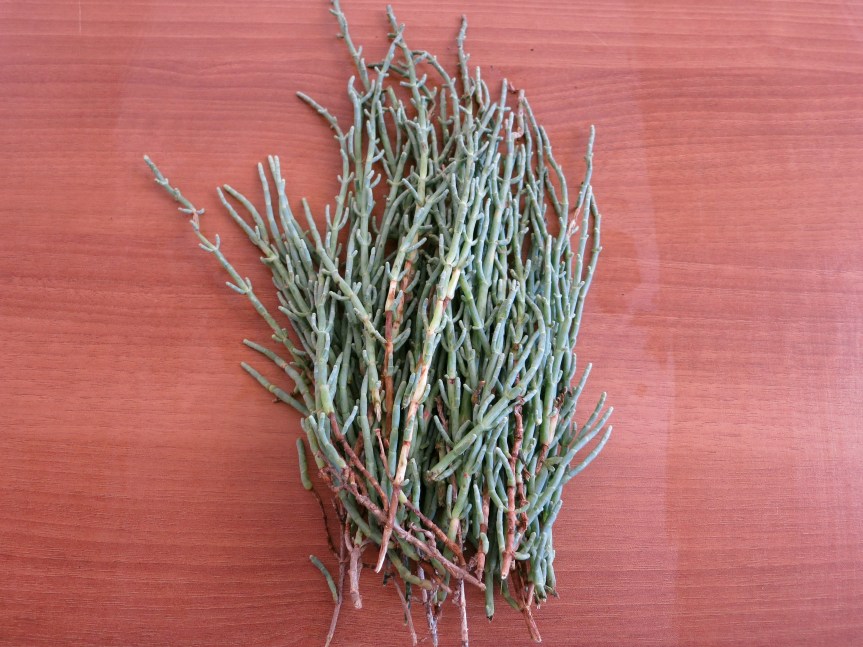
This week on Knidos Cookery Club we’re back in Turkey and we’ll be looking at a plant that grows in abundance on the salty shores of the Mediterranean and Aegean Seas – glasswort, or marsh samphire (salicornia europa). It’s known as glasswort because it used to be used as a source of sodium sulphate in the glass-making process until the nineteenth century.

IMG_0951
Freshly-picked samphire/glasswort

This bright green plant thrives in salty conditions and grows wild along seashores, estuaries and salt marshes all over Europe. It used to be widely eaten in the UK, it’s rich in minerals and has a pleasing flavour of the sea, but has only recently started re-appearing on menus as a much sought after ‘designer vegetable’- you might see it referred to as ‘sea asparagus’.

It’s called deniz börülcesi in Turkey, which translates as sea beans, and is served as a side dish dressed with olive oil, lemon and garlic alongside an array of other starters.

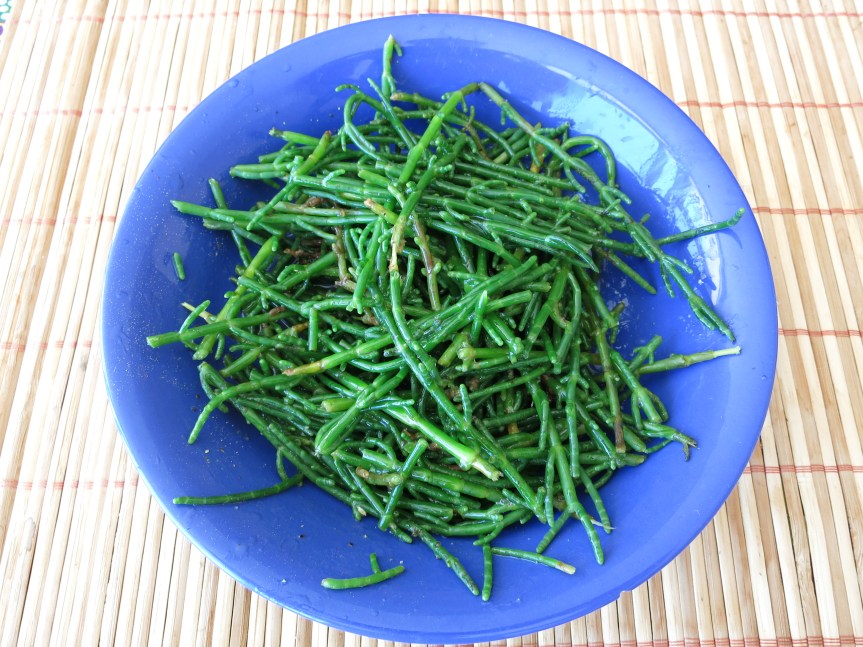
IMG_0954
Blanched glasswort dressed with olive oil, lemon juice and black pepper

For this simple dish, you’ll need around 50-75 g of glasswort for each person. When preparing the glasswort, take care to wash it thoroughly and clean any sand and grit away. Cut off any tough stalks and roots and then blanch it in unsalted, boiling water for three minutes.

Drain the water away and then dress the stems with olive oil, a squeeze of fresh lemon juice and a sprinkling of black pepper – you won’t need to add any extra salt as it will already be salty enough. Serve warm alongside a salad of rocket, tomato, olives and onion and some fresh, crunchy bread for a light but tasty lunch.


A Passion for Purslane

19 May 2016

This week on Knidos Cookery Club we’ll be looking at some ways of using purslane, our favourite weed. This highly-nutritious plant is called semizotu and is widely cultivated in Turkey, where it also grows wild. It’s used in salads, soups and stews.

IMG_0796
Freshly-picked purslane

Purslane has a crunchy texture and a lemony taste and can be used as a substitute for spinach and watercress. This superweed is packed with vitamins – it has the highest concentration of vitamin E of any plant and also contains a useful essential omega-3 fatty acid called alpha-linolenic acid, reports motherearthnews.com.

In the Knidos area, it’s a mainstay of meze, or starter, combos when served with yogurt and a hint of garlic. The leaves and stems are also good as a simple but tasty salad dressed with a tahini sauce.

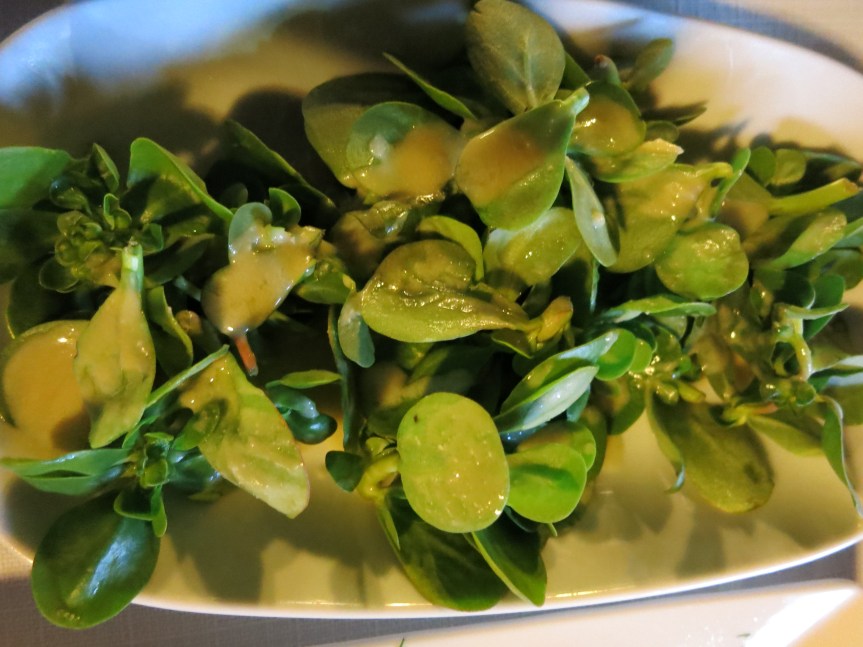
IMG_0776
Purslane in a tahini dressing

We’ve opted for a vitamin-packed spring stew, Semizotu Nohutlu Bulgur Pilavı with purslane, chick peas (garbanzo beans), tomato. carrot and bulgur wheat. Here’s what the finished dish should look like:

IMG_0807

Ingredients (serves3-4)

One bunch of purslane

One medium-sized onion

Two carrots

Four medium-sized tomatoes

100 g coarse bulgur wheat

One can chick peas or 150 g dried chick peas soaked overnight and boiled for an hour or so

One bay leaf

Fresh herbs – parsley and mint

A pinch of cumin, cinnamon, black pepper, red chili flakes, thyme and salt

250 ml warm water

25 ml olive oil

Method

Heat the olive oil in a heavy-based pan and add the chopped onion, the bay leaf and a sprinkle of dried thyme.

Slice the carrot into 50 mm rounds then chop up the tomatoes. When the onions are translucent, add the carrots to the mix and after five minutes or so add the tomatoes.

Cook for another five minutes then add the chick peas, bulgur wheat and water and season with the fresh herbs and spices.

Stir well and bring to the boil. Then turn the heat down, add the purslane and cook over a low heat for 20-25 minutes until the bulgur wheat is cooked but still a bit chewy.

Allow to rest for 5-10 minutes then serve with yogurt and garnish with mint.

Afiyet olsun!


Red Green Bean Feast

12 May 2016

This week, Knidos Cookery Club is returning to the zeytinyağlı style of cooking to cook up a real bean feast with freshly-picked, tender green beans and juicy tomatoes.

Around this time of year, markets in Turkey are teeming with fresh beans in a variety of shapes and sizes. For a quick and easy meal, Knidos Cookery Club likes to chop the beans up and chuck them into a boiling pan of pasta and serve it all up with some generous dollops of pesto and shavings of parmesan.

For a traditional Turkish twist, combine your green beans with tomatoes to make zeytinyağlı taze fasulye and serve it as a side-dish alongside other seasonal, vegetable dishes. Serving this dish on top of a bowl of steamed rice makes for a more substantial main meal.

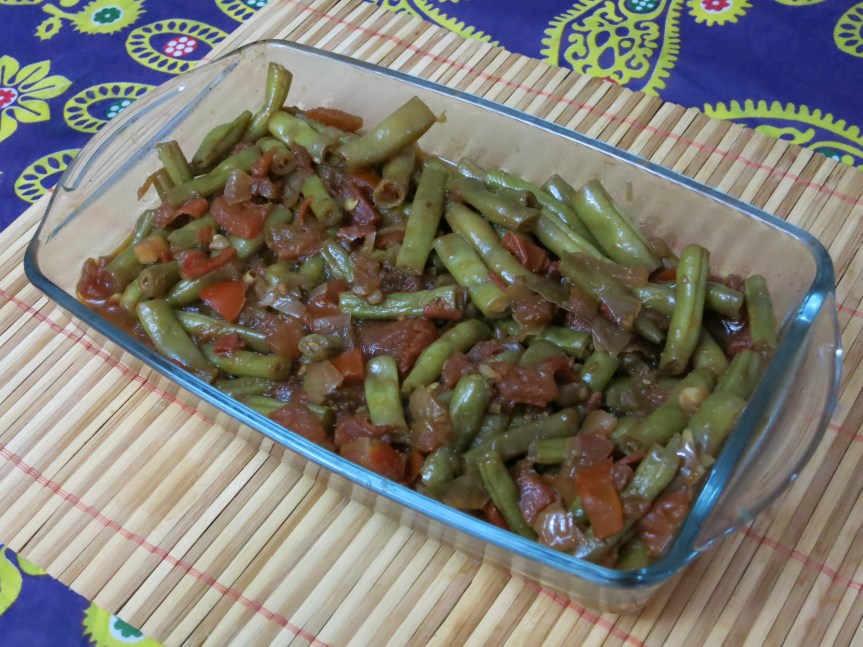
IMG_0500

Recipes for this bean feast often call for the addition of some sugar, but you can replace this with honey. For a richer sauce, I found some pekmez, molasses (usually made from crushed grapes), in the store cupboard and poured a bountiful slug of this into the mix, giving the onions in the finished dish a deep burgundy hue.

Another use for pekmez is to mix it with tahini, sesame seed paste, and this fabulous combination frequently features in a full-on Turkish breakfast; more on this in a later edition of Knidos Cookery Club.

Ingredients (Serves 3-4)

500 g fresh green beans

One medium-sized onion

One or two garlic cloves

Four medium-sized tomatoes

50 ml Olive oil

One teaspoon of honey or pekmez

 Juice of one lemon

Pinches of salt, pepper and cumin

One bay leaf

250 ml warm water

Method

 Heat the oil in a heavy-based pan and add the finely chopped onion and garlic when the oil’s sizzling.

When the onions are looking translucent, add the green beans,  topped and tailed and sliced into 3-5 cm lengths, the chopped tomatoes and the bay leaf, salt, pepper and cumin and mix well.

Pour in the lemon juice, water and a dollop of pekmez or honey. Bring to the boil and then put the lid on the pan and cook over a low heat for 30 minutes or so until the beans are tender.

Serve with other vegetable dishes, bread and/or steamed rice.


Adventures with Artichokes

5 May 2016

This week Knidos Cookery Club is attempting to tackle one of the most daunting vegetables out there – the globe artichoke. This enormous edible thistle with its armadillo-like outer leaves has always intrigued me – you never quite know what might be lurking inside the beast.

Known as enginar in Turkish, it is widely cultivated in the Aegean and Mediterranean regions. It is a measure of the regard that this vegetable is held in that it has its own international festival in Urla near Izmir, Turkey (this year’s has just gone – it was held from 28 April – 1 May).

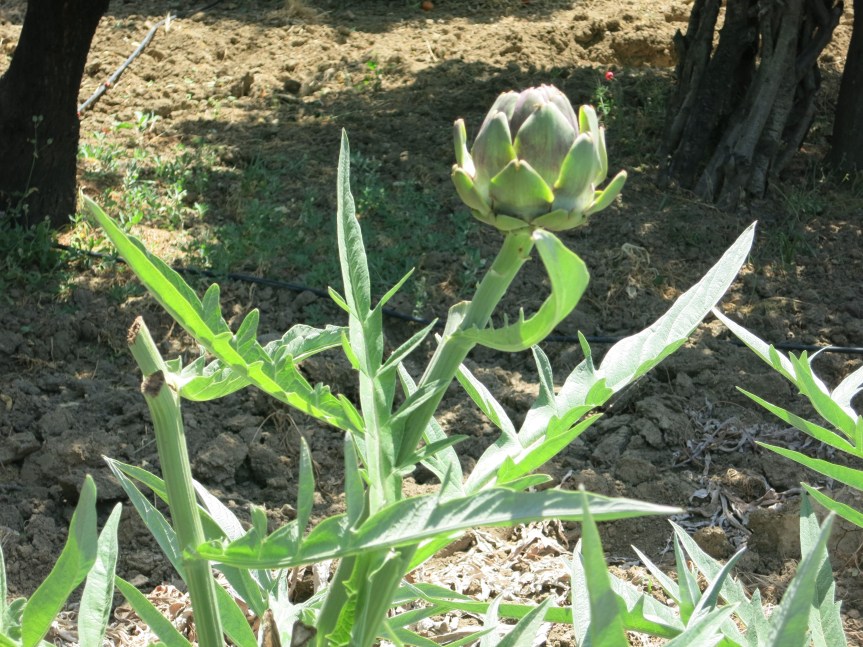
IMG_0468
An artichoke plant in Turkey

On 1 May, Knidos Cookery Club donned its walking boots and joined the annual walk from Datça on the Mediterranean Sea to the shore of the Aegean Sea, north of the village of Kızlan. On the way a number of artichokes were spotted growing in people’s gardens.

On returning home, my aim was to try and serve up something close to a dish that is a staple of many home-cooking restaurants in Turkey – an artichoke bottom filled to the brim with mixed vegetables or, sometimes, broad beans, but after peeling away the outer leaves and the choke my specimen’s bottoms were found to be a bit lacking in the size department.

IMG_0428

The planned dish of broad beans, bakla in Turkish, overflowing from an abundant base had to be modified at the last moment and instead I settled on a salad of diced artichoke and broad beans in a lemony sauce, garnished with strips of avocado.

Broad beans appear around the same time as artichokes in the market in early spring and the two team together well, especially with the addition of a lemon or two. For an even greener salad, I picked up some ripe avocadoes in the market and topped the finished dish with a few slices of alligator pear.

The tough outer leaves can be eaten as well. After steaming for 30 minutes or so, the bottoms of the leaves reveal some tasty artichoke flesh that you can pull through you teeth to get at the goodness. Dipping them in melted butter with a dash of garlic makes them even more delicious.

Ingredients

Two medium sized globe artichokes

250 g fresh broad beans

Two spring onions

The juice of one lemon

One ripe avocado

Olive oil

Herbs and spices

Method

Wash the artichoke and cut away the stem. Steam it in a large pan for 30 minutes or so until the outer leaves are tender.

Peel the leaves away from the main body and save to eat as a starter, dipped in olive oil or melted butter.

Now remove the fibrous choke that surrounds the fleshy, edible part of our oversized thistle. You should be left with a concave disc of artichoke.

Place the artichoke in lemon juice to stop it discolouring.

Heat the olive oil in a pan and add the diced spring onion.

After a few minutes stir in the peeled broad beans and chunks of squeezed lemon and cover with a mix of water and the rest of your lemon juice and keep at a rolling boil for 30 minutes. Boil off as much liquid as you can to leave a runny, lemony sauce.

Chop up the artichoke and mix with the broad beans in the lemony sauce. Add fresh herbs such as mint and parsley and season lightly with salt and pepper. Garnish with thin strips of avocado and serve with a tomato and onion salad to contrast the vivid reds with the verdant greens of the artichoke medley.

Dolma Dreaming

21 April 2016

This week, Knidos Cookery Club is turning its attention to stuffed vegetables – dolma in Turkish, from the verb dolmak which means to fill or stuff.

Any vegetable that can be hollowed out can be used to make dolma – aubergines, courgettes, peppers or tomatoes are great for this. The filling can consist of rice mixed with herbs and spices and sometimes dried fruit such as raisins or currants and pine nuts.

Knidos Cookery Club particularly likes the way tomatoes go all soft and mushy when baked and some perfect specimens were sourced from the market. Courgettes are beginning to re-appear after their winter break and a kilo were added to the shopping basket for subsequent stuffing. With spinach also in abundance, we picked up a few bunches to add to the rice for the dolma mix.

Here’s what the finished dish should look like …

IMG_0192 copy 2

Ingredients (serves 3-4)

Two medium-sized courgettes

Four medium-sized tomatoes

250 g fresh spinach

One cup (approx. 100g) of short or long grain rice (We recommend brown rice for its nuttier flavour)

250 ml vegetable stock

One medium-sized onion

Mixed herbs and spices (thyme, parsley, mint, oregano, black pepper, chili pepper, salt)

A handful of dried fruit (currants and/or raisins) and a few pine nuts

Olive oil for cooking

Juice of two medium-sized lemons

A knob of garlic

For the cucumber sauce: one small cucumber, fresh chopped mint, 100ml thick natural yogurt

Method

Pour a generous glug of olive oil into a heavy-based pan and add the chopped onion and garlic. Cook over a medium heat until the onion becomes translucent. Add mixed herbs, seasoning, dried fruit and pine nuts.

Add the washed and soaked rice to the onion mix and stir to cover the grains with oil. Next add the stock and cook over a low heat until the liquid is absorbed.

While the rice is cooking, pre-heat the oven to 200 °C (gas mark 6) and soften the washed spinach in a frying pan with a little splash of olive oil until it starts to wilt.

Slice the tops off the tomatoes and scoop out the liquid from the middle. Top and tail the courgettes and scoop out the contents with a teaspoon in a drilling motion. (Keep the tomato liquid and courgette middles to cook with later).

When the rice has absorbed all the liquid, add the wilted spinach to the mixture, stirring it thoroughly into the cooked rice.

Stuff the tomatoes and courgettes with the rice mixture and arrange in a baking dish. Pour the lemon juice and a healthy dash of olive oil over the vegetables. Put the tops back on the tomatoes.

Place in the pre-heated oven and bake at 200 °C (gas mark 6) for 30 minutes or so or until the skin of the vegetables starts to go brown and bubbly. Add a small amount of water if the lemon juice is all absorbed.

While they’re cooking, make the cucumber sauce. Combine the grated cucumber with the yogurt and fresh mint. Add garlic to taste.

Serve immediately or allow to cool – it’s up to you. Don’t forget to pour the cucumber sauce over the dolma before eating.

A Nutty, Zesty Leekfest

14 April 2016

Welcome to leek week on Knidos Cookery Club. Last weekend, the market stalls in Datça, south-west Turkey, were laden with a selection of oversized leeks of proportions that would turn Welsh rugby fans green with envy. The last of the season’s plump lemons were also well represented, providing the inspiration for a lemony leeky fest.

IMG_0075

The leek, pırasa in Turkish, is a cousin of garlic and onion and the largest member of the Allium family. Leeks are used in a number of dishes in Turkey – braised in olive oil with rice, in a hearty vegetable stew, in a lighter, creamy soup or baked in something akin to a pasty.

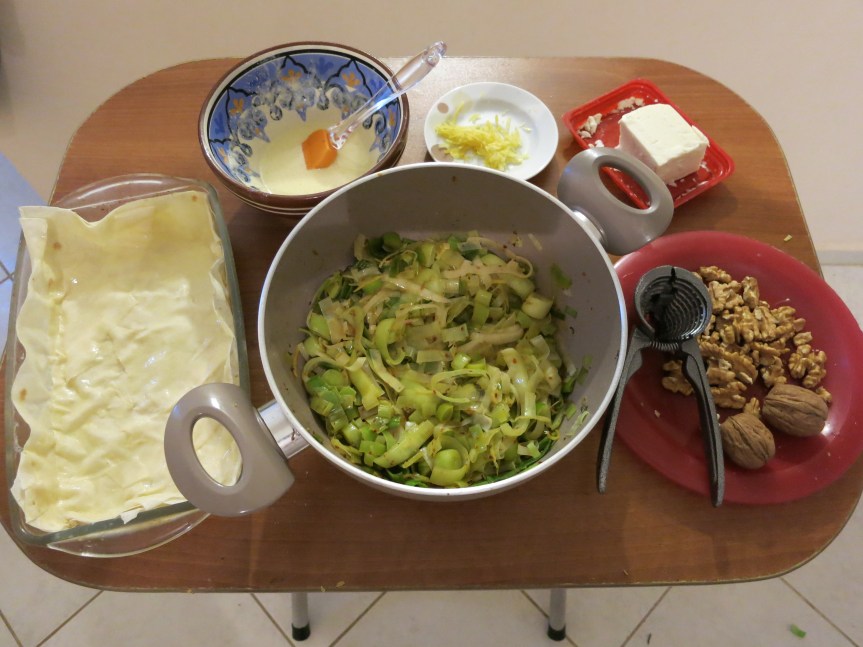
In this week’s recipe, Knidos Cookery Club will combine the mild oniony flavour of sliced leek with other ingredients readily found in Turkey – tangy lemon juice and zest, some salty white cheese and fresh walnuts, and put it all in a filo pastry case to make a zesty leek, goat cheese and walnut tart.

All systems go on assembling the tart:

IMG_0262

Thirty minutes later – the finished product:

IMG_0273

Ingredients (3-4 servings)

One large leek, cleaned and sliced into 50 mm rounds

Zest of one lemon (use a grater or vegetable peeler to slice off the yellow outer layer of the lemon)

Juice of one lemon

100 g crumbled goat cheese or feta cheese

Ten walnuts chopped into small pieces

Ten sheets of filo pastry

50 ml olive oil blended with 50 ml of milk or natural yogurt to make a glaze for the filo pastry

A sprinkling of thyme and chili pepper flakes

Method

Pre-heat the oven to 200 °C (gas mark 6)

While the oven warms up, heat a dash of olive oil and a knob of butter in a heavy-based pan. Add the leeks and half the lemon zest and cook over a medium heat. When the leeks are softened, add the lemon juice and a sprinkle of thyme and raise the heat to reduce the liquid for a minute or so.

Now prepare the tart base. Layer sheets of filo pastry in a greased dish; as you go brush the glaze over each layer of filo pastry. (NB: If you can’t find filo pastry, any other sort of pastry will do the job).

Pour the leaks onto the tart base then crumble the goat cheese and sprinkle the walnuts pieces over the leeky layer. Add chili flakes, black pepper and thyme to taste – the salt from the cheese should be sufficient, but add more if you want. Drizzle a bit more olive oil over the tart.

Bake at 200 °C (gas mark 6) for 30 minutes or until the cheese starts to brown.

Remove from the oven and garnish with the rest of the lemon zest and a few more sprigs of thyme.

Serve with a green salad or side dishes of your choice.

King Celeriac Meets the Olive Oil Uptown

7 April 2016

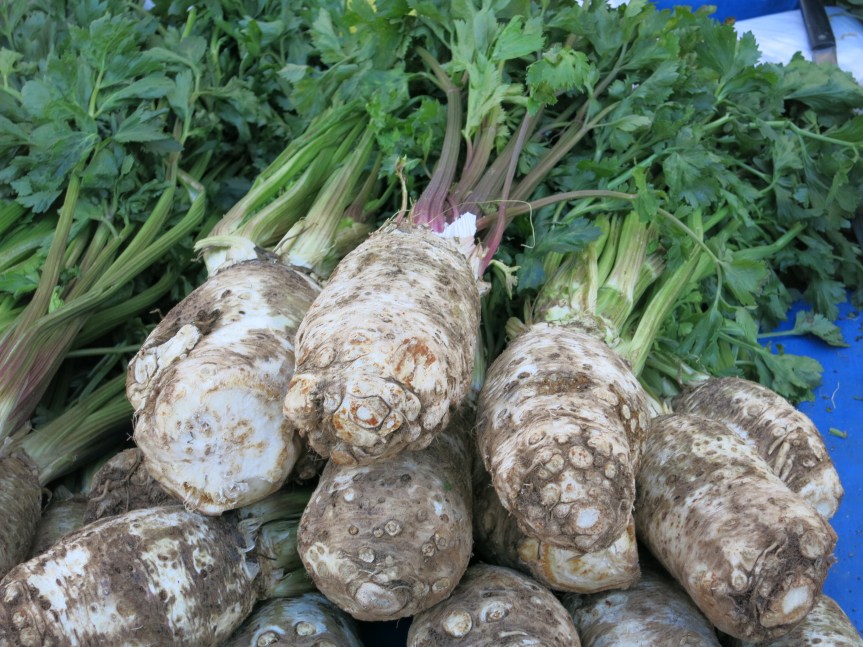
This week Knidos Cookery Club turns its attentions to celeriac – a knobbly root vegetable of the same family as celery. Celeriac bulbs impart an earthy, nutty flavour with a strident undernote of celery.

IMG_0079

Celeriac, kereviz in Turkish, is found all around the Mediterranean and grows in the cooler months of autumn and winter. It can be used raw and grated into a salad, roasted as a main course, boiled as a side dish, served as mash or in a tasty soup.

In Turkey it’s often served up as a cold side-dish in the zeytinyağlı style, which means it is braised in a generous portion of olive oil, a key ingredient of Turkish cooking.

Zeytinyağlı dishes can be made with any seasonal vegetables that are to hand – from green beans to leeks, and from artichokes to courgettes.

In this week’s recipe, based on Elizabeth Taviloğlu’s, we’ll show you how to get from this …

IMG_0181

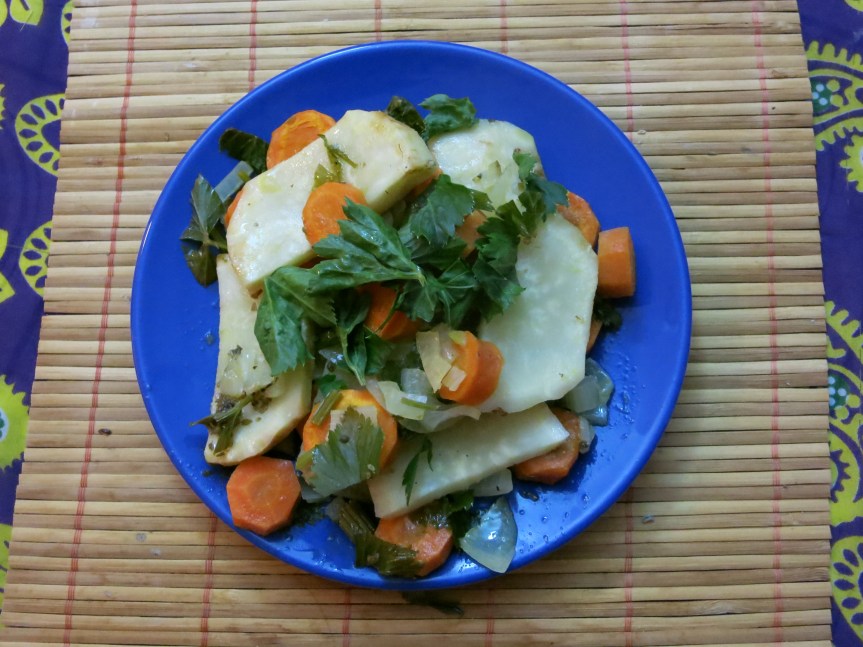
… to this

IMG_0202

in a few easy steps using lemon and orange juice, and plenty of olive oil.

Ingredients

One celeriac bulb, peeled and cleaned, retain the stalks and leaves

Two medium carrots

One medium onion

Juice of half a lemon

Juice of two medium-sized oranges

125 ml good quality olive oil (extra virgin if you have it)

100 ml water

Method

Top and tail the celeriac then peel off all the dirt-covered hard outer skin to expose a white bulb. Wash the bulb to remove any lingering soil. Keep the stalks and leaves for later use.

Cut the celeriac in half and then into 0.5 cm slices. Place the slices in a heavy-based saucepan and cover with lemon and orange juice – this is to stop it discolouring.

Next cut the carrot into thin slices, and chop the onion and stalks from the celeriac roughly. Place the carrots, stalks and onion on top of the celeriac.

Pour 100 ml olive oil and 100 ml of water into the pan and bring to a boil.

After the mix boils, reduce the heat and simmer until the vegetables are tender – 20-30 minutes or so.

Allow to cool and then arrange on a plate and sprinkle with more chopped celeriac stalks and leaves. Add a generous drizzle of olive oil and serve.