The Mücver Variations

29 June 2017

This time round on Knidos Cookery Club we’re revisiting an old favourite – mücver, Turkey’s tasty courgette fritter.
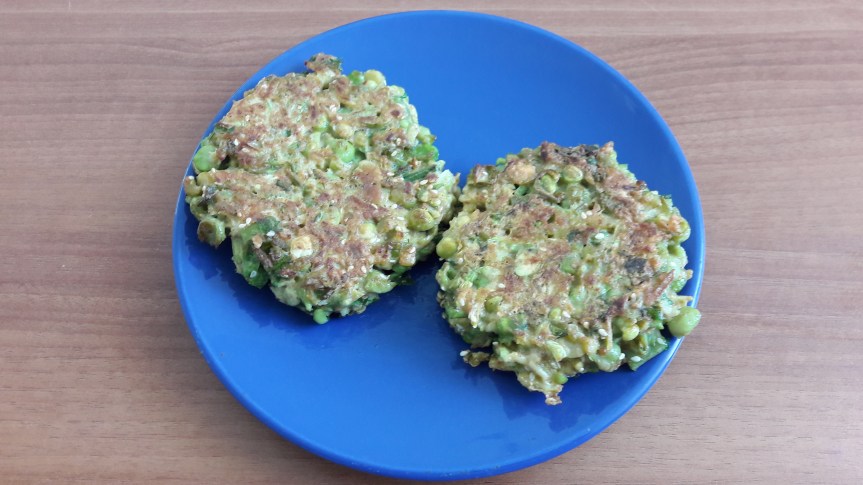
20170531_132309
Could this be called a pea fritter?

The mücver usually served up in Turkish eateries are made from grated courgettes, so we’ve decided to spice up this old favourite by adding some other ingredients. Why not try them with fresh peas or grated carrot? Mushrooms work well, as do green beans.
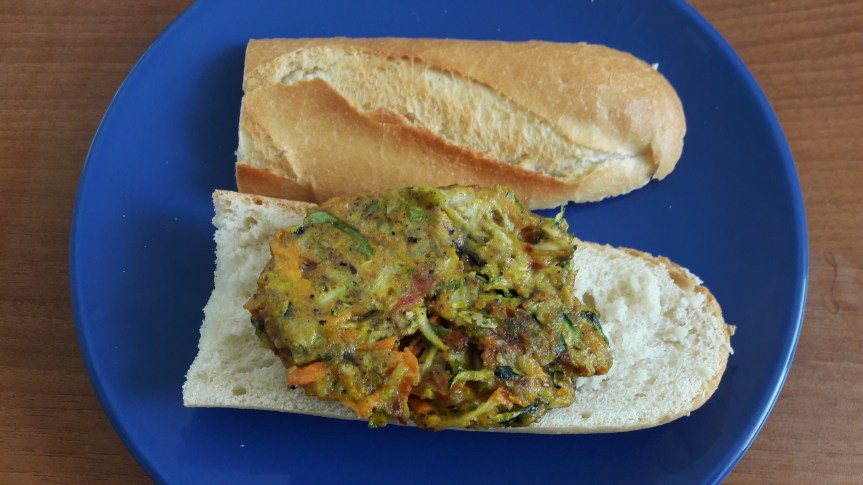
20170609_133418
Putting some carrots in the mix

You can even add all these ingredients to the basic mix, chuck in a few chopped almonds or walnuts and, hey presto, you have a chunky veggie nut burger!

Serve the fritters in a pita, on a baguette, in a burger bun, rolled up in flat lavaş bread or just plain with a salad and condiments of your choice.

Ingredients (for around 8 fritters)

Two medium-sized courgettes

One small onion

One egg (or 15 ml of olive oil for vegan version)

Choose one or more from: 100 g chopped mushroom / grated carrot / peas (fresh if you have them, otherwise frozen or tinned) / sliced green beans (use 50 g of each if using more ingredients)

50 g of plain flour

Bunch of parsley, mint and/or dill (if you like that sort of thing)

Dried herbs to taste

A generous sprinkle of sesame seeds

An  optional dusting of chili flakes and grated cinnamon

Salt and pepper

A dash of olive oil for frying

Plain yogurt for serving

Method

Grate or chop up the courgettes and the extra of your choice (mushroom, carrot  peas, green beans or even all three) finely and mix with the chopped onion. Add fresh parsley, mint and/or dill, dried herbs, chili flakes, cinnamon, sesame seeds salt and pepper and blend well.

Make a well in the centre of the mix and break the egg into it. Sprinkle in the crumbled white cheese. Mix well. (Vegan readers should skip the egg and add 25 ml of olive oil instead)

Gradually add the plain flour and blend  until the mixture has quite a thick consistency – you don’t want it to be too wet and sloppy.

Drizzle some olive oil in a frying pan and put over a medium heat.

Place golf ball-sized scoops of the courgette mixture into the pan and flatten with a spatula or fork.

After a few minutes turn the fritter. Keep cooking until both sided are a golden-brown colour.

Serve hot with a dollop of yogurt on top.
Fill Yer Lentil Welly Boots!

15 June 2017

Next week should see the start of negotiations on the UK’s future relationship with the European Union as talks are scheduled to get underway on 19 June to hammer out the ultimate shape of Brexit.

In the lead up to this momentous day, this weekend also marks another seminal event in Britain’s troubled relationship with continental Europe – 18 June is the anniversary of the Battle of Waterloo, a battle which saw forces under the command of the Duke of Wellington deliver a fatal blow to Napoleon Bonaparte’s ambitions in 1815.

20170610_214951
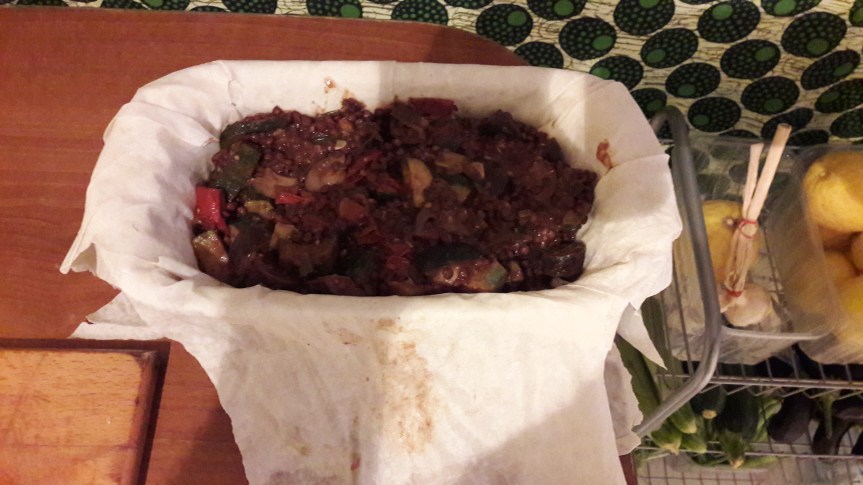
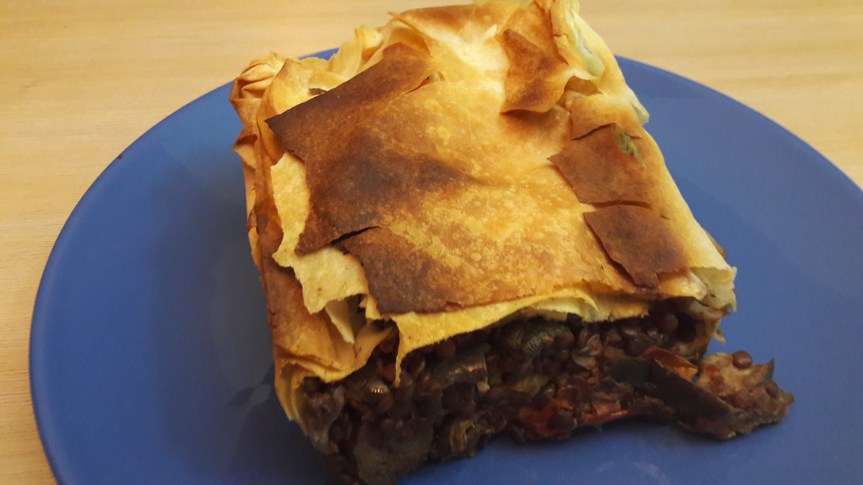
KCC’s Lentil Wellington ready for action

Only time will tell if the Maybot, in cahoots with the Rev Ian Paisely’s successors in the DUP, can produce a victory as decisive as Wellington’s – one thing is clear, some major sustenance is called for and what better than a hearty Lentil Wellington, our veggie take on Beef Wellington, a dish supposedly named after the duke.

Yes, besides giving his name to the wellington boot, the duke is also linked with this dish, which has a rich filling encased in pastry. Leah Hyslop suggests that the name was a patriotic makeover for a popular French dish:

The dish’s clear resemblance to that French specialty, filet de bœuf en croûte, could suggest the name was a timely patriotic rebranding of a trendy continental dish.

In our own era, food-patriotism was to the fore in 2003 when France refused to go along with the invasion of Saddam Hussein’s Iraq, causing some in the USA to call for ‘french fries’ to be rebranded ‘freedom fries’.

20170609_205035
KCC’s Lentil Wellington ready for final assembly before baking

For a Turkish twist, we’ve used layers of yufka, the local version of filo pastry, to cover our rich lentil and vegetable sauce. Make sure you leave on overlap of pastry of about 8-10 cm around the edges of your dish in order to create a top to encase the filling.

Ingredients (serves 4)

250 g aubergines

250 g courgettes

250 g tomatoes

75 g black lentils

2 spring onions

1 garlic clove

1 bayleaf

1 teaspoon cinnamon, cumin, red chili flakes and coriander seeds

Pinches of black pepper and salt

250 ml vegetable stock

100 ml red wine

100 ml olive oil

Filo pastry (around 300 g)

Method

Wash the lentils until the water runs clear, and then cook in a heavy-based pan with the vegetable stock and bayleaf. Bring to the boil and then simmer over a low heat for 20 minutes or so until the liquid is absorbed.

While the lentils are cooking, prepare the vegetables: finely chop the spring onions and garlic, cut the aubergine and courgette into one cm thick slices and then cut into four. Place the vegetables into a heavy-based pan, add the herbs and spices and pour 50 ml olive oil over the veg and then cook over a medium heat for ten minutes, stirring occasionally.

Chop the tomatoes and add to the vegetables and cook for another five minutes, continue stirring every now and then. Now add the cooked lentils and the red wine and cook for another ten minutes or so until the liquid is absorbed.

While this is cooking, prepare the pie case. Grease a large pie dish with olive oil and layer leaves of filo pastry, brushing each layer with olive oil. Make sure you leave a pastry overlap of around 8-10 cm around the edges of the pie dish.

Pour the filling into the pie case and fold over the overlapping filo pastry, brushing with more olive oil to help seal the top of the case. Bake in an oven pre-heated to 180 c /gas mark 5 for 30 minutes or so until the top of the pie begins to turn a golden-brown colour.

Allow to cool for ten minutes and then serve slices of the pie with a crisp green salad and roasted new potatoes.


Courgette Flower Power

4 May 2017

This time round on Knidos Cookery Club we’ve been busy stuffing courgette flowers, a popular starter all around the Aegean Sea. In Turkey, these delicate taste-bud ticklers, known as kabak çiçeği dolması, are stuffed with a rice mixture and baked, unlike their Italian cousins which are filled with ricotta cheese and deep fried.

IMG_1295
Succulent stuffed courgette flower power

The courgette, zucchini to our north American readers, is a really versatile vegetable – in the past we’ve used it in a tasty fritter mücverstuffed courgettes and in a creamy almond dip, and it’s great that we’ve found a use for its flowers as well.

If you’re growing your own courgettes, then you should have a ready supply of flowers, otherwise you may need to scour your local farmers’ market for these vivid orange blossoms.

Ingredients 

20-25 courgette flowers

One cup (approx. 100g) of short or long grain rice (We recommend brown rice for its earthier flavour)

250 ml vegetable stock

One medium-sized onion

One medium-sized tomato

One garlic clove

Pinches of dried thyme, oregano, black pepper, chili pepper flakes, cinnamon and salt

5 g fresh parsley

5 g fresh mint

25 g raisins

25 g  pine nuts

25 ml olive oil for frying

Juice of one lemon

One sliced lemon

100 ml natural yogurt

Method

Pour the olive oil into a heavy-based pan and add the chopped onion and garlic. Cook over a medium heat until the onion becomes translucent. Add the chopped tomato, dried and fresh herbs, seasoning, dried fruit and pine nuts and cook for five minutes over a high heat.

Turn the heat down and add the washed and soaked rice to the onion mix and stir to cover the grains with oil. Add the stock and cook over a low heat until the liquid is absorbed.

Make sure that the courgette flowers are free from any green, leafy bits or stem and remove the stamen from the inside of the flower. Allow the rice mixture to cool and then fill each flower with a teaspoon of rice mix – don’t overfill them as the rice will continue to expand as it cooks.

Fold the end of the blossom together to seal the rice mix in and place the filled flowers into a heavy based frying pan or casserole dish. Pour water over the flowers to just cover them, add a generous glug of olive oil and the lemon juice, put a lid on the pan and cook over a low heat until all the water is absorbed.

Leaving the pan covered, let the cooked courgette flowers rest for 30 minutes or so with the heat turned off and then serve with lemon slices and a dollop of natural yogurt.


Muhammara: Spread the Word

15 December 2016

This time out on Knidos Cookery Club we’re going to make muhammara, a spicy roasted red pepper and toasted walnut dip. Originally from Syria, this spread made its way onto Turkish tables via Antakya, which is located at the easterly end of Turkey’s Mediterranean coast.

img_2503This delicious dip was brought to Knidos Cookery Club’s attention by our good friend Tolga, who introduced us to the method of roasting the peppers over an open flame on our gas hob.

img_2496Put some tin foil under the burner to stop your hob getting all messed up and cook the peppers over a medium-high flame. Using a chopstick or a wooden skewer can make the peppers easier to manoeuvre on the flame.
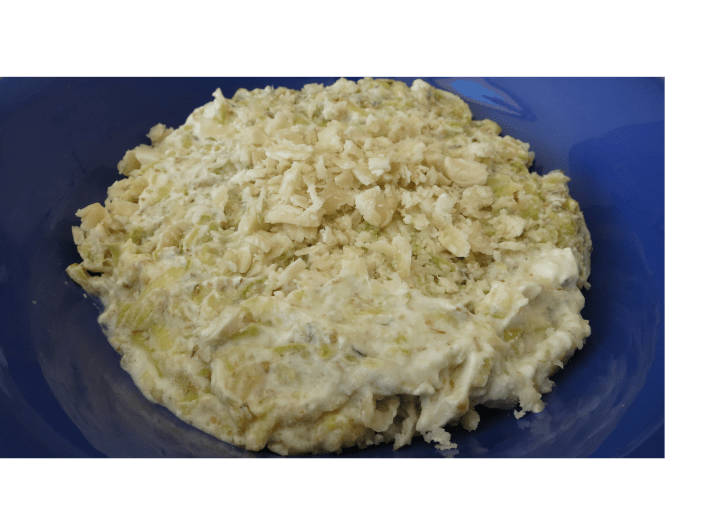
You can also grill the peppers or roast them in the oven, but the open-flame method gives them a smoky flavour that combines excellently with the toasted walnuts and chili flakes.

Muhammara works well when teamed with our courgette and almond dip and our carrot and walnut tarator as part of a scrumptious meze platter.

Ingredients 

two medium-sized red (bell) peppers

100 g walnuts (shelled and chopped)

one clove of minced garlic

one lemon – use the juice of half the lemon for the dip and use the rest as a garnish

two teaspoons chili flakes

two teaspoons pomegranate sauce or molasses

25 ml olive oil

Method

Roast the peppers over an open flame, under a grill or in a hot oven until all the skin is blackened. Turn them round regularly to ensure they are cooked evenly.

While the peppers are roasting, toast the walnut pieces in a frying pan over a medium heat for 5 minutes, stirring or shaking the pan regularly. Don’t overcook them as they can taste bitter if you do.

Place the peppers in brown paper bag and allow to cool – this will make it easier to peel the peppers. Now remove the outer skin from the peppers then halve  and de-seed them. Be careful when cutting the peppers as some hot liquid may spurt out if they’re not cooled down enough.

Cut up the peppers and put them with half the walnuts and other ingredients into a blender and mix until you have a smooth paste. Add the rest of the walnuts and give the dip another blast – but not for too long as you want some of the walnuts to still be crunchy.

Garnish with slices of lemon and fresh mint (if you have it) and serve alongside other dips with pita bread and/or slices of raw carrot, cucumbers and green peppers.


A Creamy Almond and Courgette Dipfest

8 September 2016

The courgette is one of the most versatile vegetables in the Knidos Cookery Club kitchen. Earlier it featured in a stuffed platter and as a fritter. We also like it in an omelette, in börek or just sliced and grilled on the barbecue.

IMG_1169
Creamy Almond and Courgette Dip

This week we’ve  incorporated this key ingredient into a creamy almond and courgette dip that can be used as part of a starter, or meze, combo with other dips such as our Carrot and Walnut Tarator.

Yogurt and chopped almonds were added to the grated courgette to make it creamy and some wholemeal flour was used to hold it all together.

Ingredients (Serves 3-4)

250 g  grated courgette

100 ml plain, natural yogurt

50 g wholemeal flour

50 g chopped almonds

One garlic clove

25 ml olive oil

Method

Heat the olive oil in a frying pan over a medium heat then add the grated courgette and garlic and stir fry for five minutes. Add the flour and stir fry for two more minutes. Take the frying pan off the heat, mix in the yogurt and almonds, reserving a few nuts to sprinkle over the top.


Who Ate All the Pies?

9 June 2016

This week, Knidos Cookery Club is going to have a look at a local take on the pie – börek. 

This member of the baked, filled pastry club is made from thin layers of filo pastry, known as yufka in Turkey. It comes with a variety of fillings including spinach, white cheese, potatoes, grated courgettes, swiss chard, leeks or combinations of these fillings.

IMG_0227
Individual spinach börek ready for the oven

There are two main ways of preparing börek – in a large pan and then sliced after baking, or as an individual serving in a cigar-shape. Either way, the börek is a moreish treat so always make more than you think you’ll need!

Kindos Cookery Club will tell you how to make the individual servings today. To make the pan version, layer 3-4 sheets of filo pastry in a large, greased dish, brushing glaze between the layers (as in this recipe for a zesty leek, goat cheese and walnut tart). Next add the filling of your choice and then top it off with 3-4 more sheets of filo and sprinkle with nigella seeds. Follow the baking instructions below for the individual pies to cook the pan version.

Follow these steps to make some tasty individual white cheese and spinach börek.

IMG_0225
Ready to roll…


Ingredients (To make 5 individual pies)

15 sheets of filo pastry

500 g spinach

One medium-sized onion

100 g white cheese

50 ml olive oil

50 ml natural yogurt or milk

Fresh mixed herbs (mint, oregano, thyme,dill)

Salt and pepper

Nigella seeds

Method

To make the filling, heat some olive oil in a heavy-based pan and cook the chopped onion over a medium heat until translucent. Add the chopped, fresh herbs and washed and shredded spinach. Season with dashes of salt and pepper.

Cook until the spinach wilts and then add the crumbled white cheese. Mix well and allow to cool.

Make a glaze for the filo pastry by blending equal parts of olive oil and natural yogurt (or milk). Brush the glaze over one 15 cm x 15 cm sheet of filo (or triangle shapes if you can find them), then place another layer of pastry, glaze and finally one more sheet and glaze.

Put two generous dollops of filling onto the bottom edge of the layered filo sheets, leaving about 2 cm at each end. Roll the pie into a cigar shape and press the ends down.

Brush with glaze and sprinkle nigella seeds over the cigar.

Place on a greased baking tray and put into a pre-heated oven and bake at 200 °C (gas mark 6) for 30 minutes or until the pies are golden brown in colour.


Dolma Dreaming

21 April 2016

This week, Knidos Cookery Club is turning its attention to stuffed vegetables – dolma in Turkish, from the verb dolmak which means to fill or stuff.

Any vegetable that can be hollowed out can be used to make dolma – aubergines, courgettes, peppers or tomatoes are great for this. The filling can consist of rice mixed with herbs and spices and sometimes dried fruit such as raisins or currants and pine nuts.

Knidos Cookery Club particularly likes the way tomatoes go all soft and mushy when baked and some perfect specimens were sourced from the market. Courgettes are beginning to re-appear after their winter break and a kilo were added to the shopping basket for subsequent stuffing. With spinach also in abundance, we picked up a few bunches to add to the rice for the dolma mix.

Here’s what the finished dish should look like …

IMG_0192 copy 2

Ingredients (serves 3-4)

Two medium-sized courgettes

Four medium-sized tomatoes

250 g fresh spinach

One cup (approx. 100g) of short or long grain rice (We recommend brown rice for its nuttier flavour)

250 ml vegetable stock

One medium-sized onion

Mixed herbs and spices (thyme, parsley, mint, oregano, black pepper, chili pepper, salt)

A handful of dried fruit (currants and/or raisins) and a few pine nuts

Olive oil for cooking

Juice of two medium-sized lemons

A knob of garlic

For the cucumber sauce: one small cucumber, fresh chopped mint, 100ml thick natural yogurt

Method

Pour a generous glug of olive oil into a heavy-based pan and add the chopped onion and garlic. Cook over a medium heat until the onion becomes translucent. Add mixed herbs, seasoning, dried fruit and pine nuts.

Add the washed and soaked rice to the onion mix and stir to cover the grains with oil. Next add the stock and cook over a low heat until the liquid is absorbed.

While the rice is cooking, pre-heat the oven to 200 °C (gas mark 6) and soften the washed spinach in a frying pan with a little splash of olive oil until it starts to wilt.

Slice the tops off the tomatoes and scoop out the liquid from the middle. Top and tail the courgettes and scoop out the contents with a teaspoon in a drilling motion. (Keep the tomato liquid and courgette middles to cook with later).

When the rice has absorbed all the liquid, add the wilted spinach to the mixture, stirring it thoroughly into the cooked rice.

Stuff the tomatoes and courgettes with the rice mixture and arrange in a baking dish. Pour the lemon juice and a healthy dash of olive oil over the vegetables. Put the tops back on the tomatoes.

Place in the pre-heated oven and bake at 200 °C (gas mark 6) for 30 minutes or so or until the skin of the vegetables starts to go brown and bubbly. Add a small amount of water if the lemon juice is all absorbed.

While they’re cooking, make the cucumber sauce. Combine the grated cucumber with the yogurt and fresh mint. Add garlic to taste.

Serve immediately or allow to cool – it’s up to you. Don’t forget to pour the cucumber sauce over the dolma before eating.