Mr Alan’s Top Tips

18 May 2017

Knidos Cookery Club is just back from a flying visit to Uzbekistan where we met up with dilettante chef Mr Alan, who invited us round to sample his take on asparagus tips.

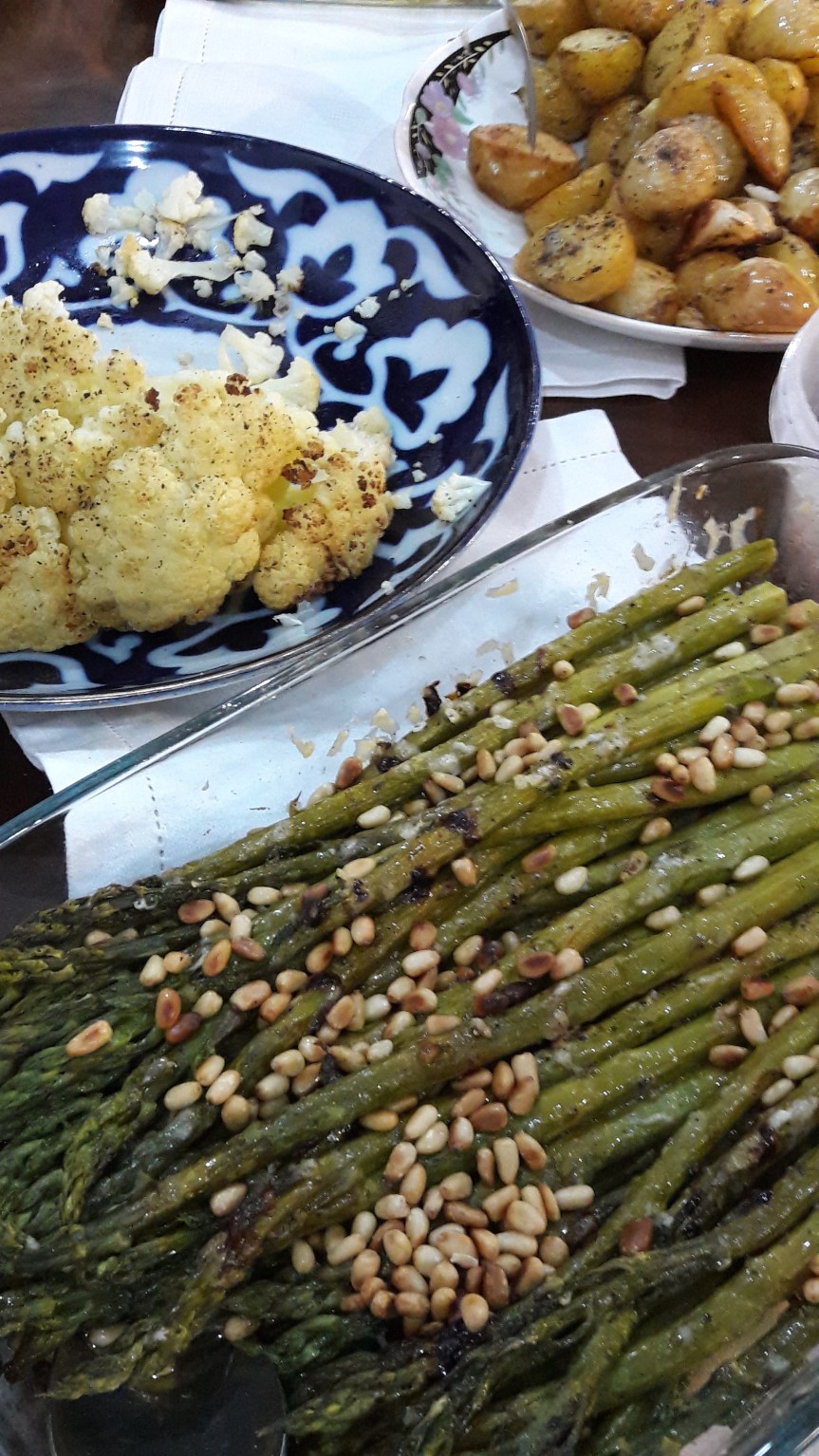
He’d tracked down some sizeable spears in Tashkent’s Alay, or Alaysky, bazaar and we added some first cold press Datça olive oil and some sun-dried tomatoes from the peninsula, which, with the addition of some toasted pine nuts and a smattering of grated pecorino cheese, made for quite a feast.
20170512_213305
Mr Alan’s way with asparagus


The asparagus tips, which are easy to bake and go well with potatoes, rice or pasta, were served up with a head of roasted cauliflower drizzled with truffle oil and roast new potatoes. Oh, and there was a duck and some fish for the carnivores, along with lashings of wine from Mr Alan’s cellar!

Ingredients (easily serves 6-8)

1 kg asparagus spears

200 g sun-dried tomatoes

50 ml olive oil

100 g pine nuts

50 g pecorino or similar hard cheese

One cauliflower, leaves removed

Truffle oil

Mixed dried herbs such as thyme or oregano

Method

Place a layer of sun-dried tomatoes on the bottom of a large baking dish. Arrange the spears over the top of the tomatoes, pour the olive oil on top, sprinkle some mixed herbs over the spears and grate the cheese over everything.

Bake in a hot, pre-heated oven at 200 c /gas mark 6 for twenty minutes or so until the spears are just beginning to char. Sprinkle the cauliflower with truffle oil and olive oil and cook for 30 minutes for so in the hot oven along with the asparagus tips. While the tips are baking, toast the pine nuts over a medium heat.

Serve the asparagus tips with the pine nuts alongside the cauliflower and potatoes and a bottle or two of your favourite wine.


Operation Lentil

23 February 2017

It was on this day back in 1944  that the Chechen and Ingush  people of the North Caucusus had one of the darkest moments in their troubled history. Accused by the Soviets of siding with the Nazi forces, the entire population was herded onto cattle trucks and deported by force to Central Asia.

The mission was codenamed ‘Operation Lentil’ – after chechevitsa, the Russian word for lentil, which shares its first two syllables with Chechen. By way of commemoration of this tragedy that befell the Chechen and Ingush communities, who refer to the deportations as Aardakh, the exodus, this time around we’ll be sharing a recipe for the Turkish dish mercimek köftesi – a versatile red lentil patty.

lentil-patties
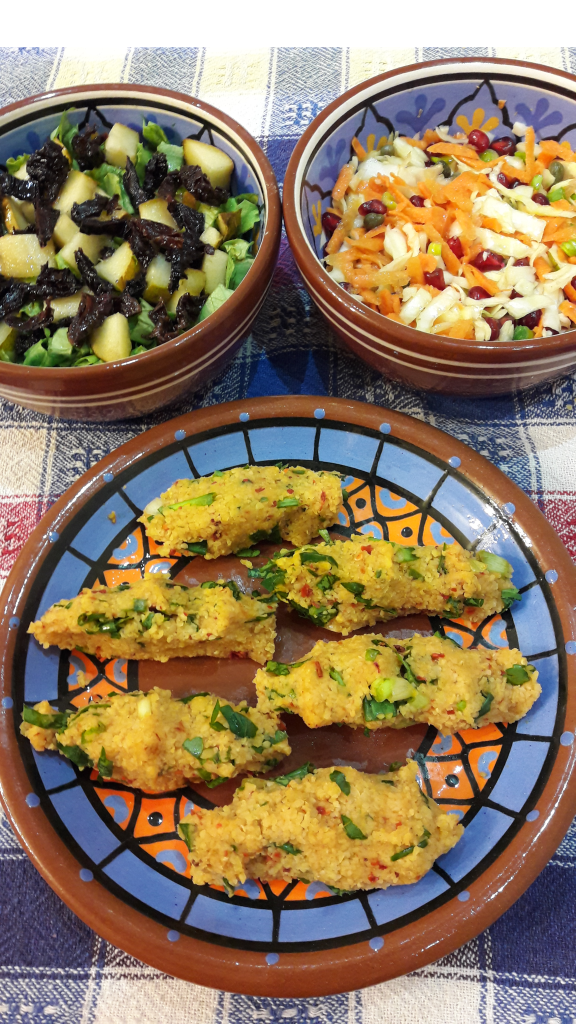
Mercimek köftesi – red lentil patties, served with green salad and cole slaw

These spicy, lentil patties are easy to prepare and are delicious when rolled up in flatbread, like lavash, with fresh cole slaw and a green salad. We used ajika sauce from Georgia on the other side of the Caucasus mountains, a fiery blend of red chili peppers and tomatoes, to flavour the patties – but if you can’t find this locally, then a mix of tomato paste with chili flakes will do nicely.

Ingredients (Makes around 20-24 lentil patties)

100 g red lentils (one cup)

150 g fine bulgur wheat (1.5 cups)

500 ml water

6-8 teaspoons of ajika sauce (see above)

5 spring (green) onions – chopped

A handful of fresh flat leaf parsley, roughly chopped

One teaspoon of cumin seeds

One teaspoon red chili flakes

Black pepper

25 ml olive oil

Juice of one lemon

Method

Wash the lentils until the water goes clear and then place in a pan with the water. Bring to the boil and simmer over a low heat for 20 minutes or so. The lentils should be going mushy and there should be about 1 cm of water covering the lentils – add more water if necessary.

Add the washed bulgur wheat to the cooked lentils and the ajika sauce and blend well. Allow to stand for 30 minutes or so and then add the olive oil, lemon juice, spring onions, parsley, cumin, red chili flakes and black pepper and mix well.

Allow to stand for a few hours to let the flavours combine and then mould a walnut-sized piece of the mix in the palm of your hand and use your fingers to form a  sausage-shape (see picture above).

Serve rolled in flatbread or stuffed into a pita with a cole slaw made from shredded cabbage, grated carrot, pomegranate seeds, spring onion and capers and  a salad of lettuce, sun dried tomatoes, pear and spring onion.


Getting Down to the Nuts and Roots

26 January 2017

This time round on Knidos Cookery Club we’re getting back to the roots with a comforting winter soup made from some of our favourite root vegetables, a leek or two and some roasted chestnuts.

20170124_204349
Roasted chestnuts – a winter treat

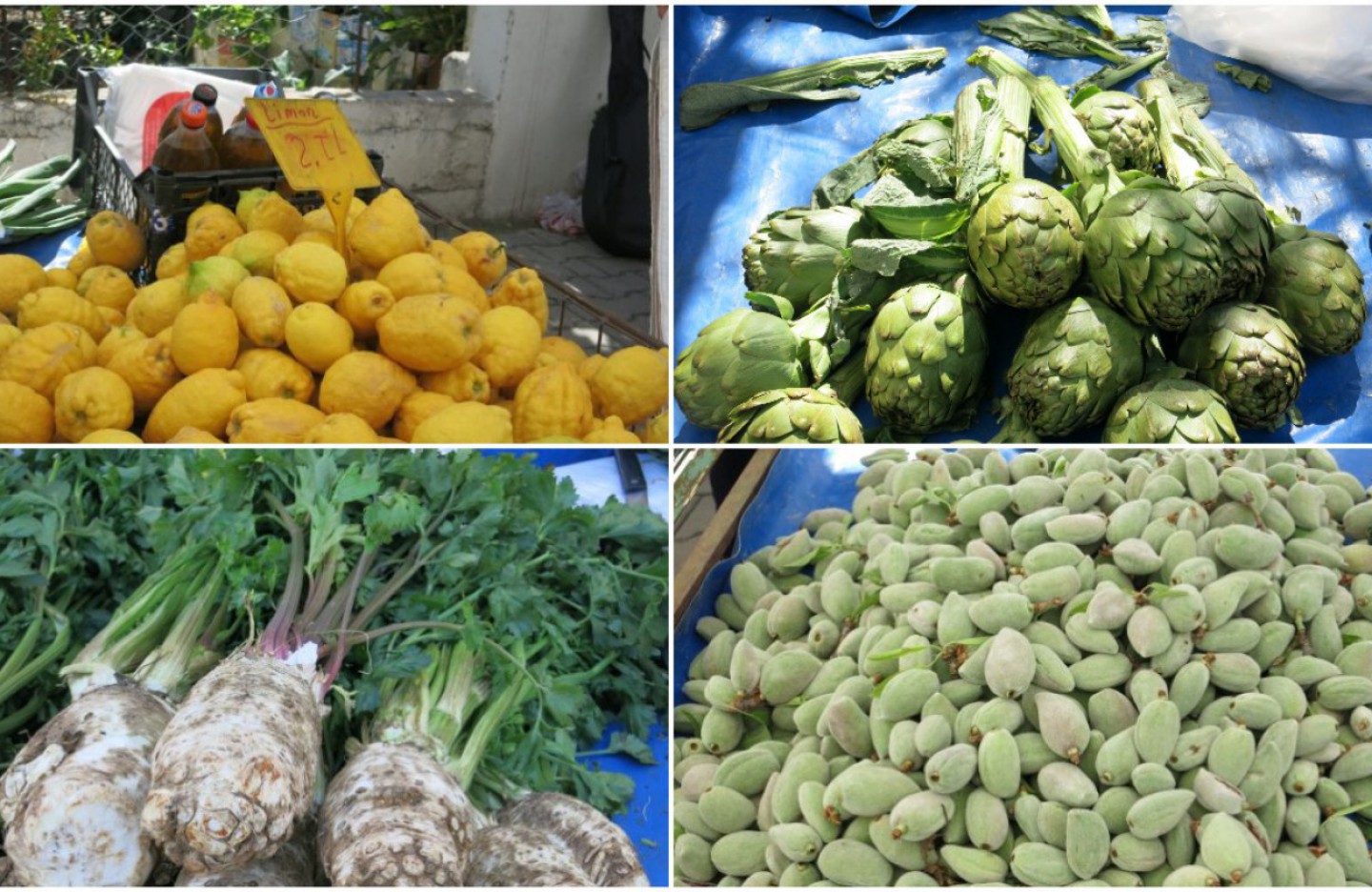
One of the big events in the world of Knidos Cookery Club so far in 2017 has been the relocation of Datça’s weekly market to a new, purpose-built site. Previously, when the market came to town on Friday and Saturday, it would spill down the hill in the centre of town, causing considerable congestion with the stallholders looking for parking spots and the customers squeezed in-between.

The new site has a covered area for the local fruit and vegetable growers with the other stalls – spices and nuts, clothes, household goods etc., setting up around the covered market. It’s a lot more user-friendly, with plenty of space for shoppers and stall holders.

The last few visits to the market have entailed searching for some of our regular suppliers in the new layout, and we’re pleased to report that most of them have been accounted for!

20170108_222106
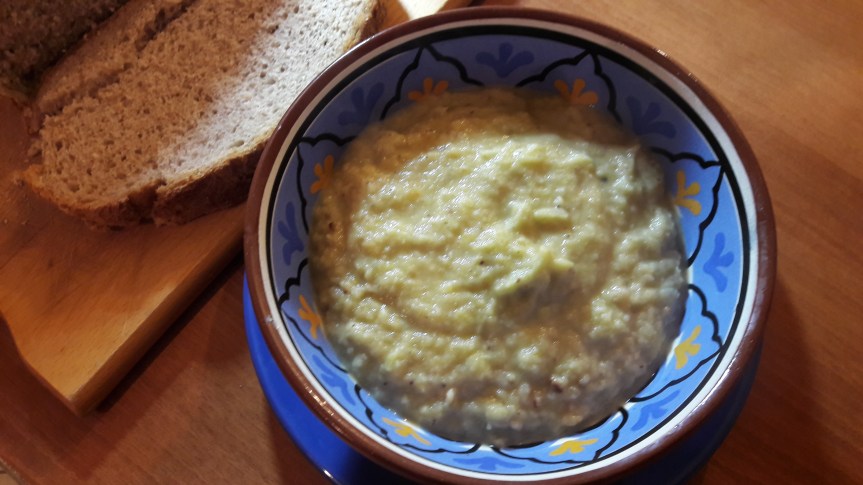
A warming bowl of rooty, chestnut pureed soup

In season at the moment are chestnuts – anyone who’s visited Istanbul in winter will probably remember trying fresh roasted chestnuts while on the move around the centre, a delicious snack that epitomises the city in the colder months of the year to me.

There were also root vegetables aplenty – including black carrots (these root vegetables were first cultivated in Afghanistan and were yellow and purple in colour) and celeriac, lengthy leeks and lashings of oranges and lemons. So this week we’ll be making a rooty nutty soup containing celeriac, potato, carrot, leek, shallots and chestnuts.

Ingredients (serves 3-4)

75 g shallots

250 g leeks

250 g celeriac

one medium-sized potato

100 g carrot (black if you can find them!)

500 ml vegetable stock

25 ml olive oil

150 g chestnuts

one teaspoon dried thyme

salt and pepper for seasoning

juice of one lemon

Method 

Fry the finely sliced leeks and chopped shallots in the olive oil, which has been seasoned with dried thyme, over a medium-high heat until just beginning to brown. Peel and dice the celeriac, potato and carrot into 1 cm cubes  and add to the pan of leeks and shallots.

Stir in well to coat the cubed root vegetables with oil and thyme and then add the stock and the juice of the lemon and simmer for 20 minutes over a low-medium heat. While this is bubbling away, score the outside of each chestnut with a cross shape (on one side) and roast the chestnuts in an oven pre-heated to 220 c /gas mark 7.

Check the chestnuts after 20 minutes or so – if they are easy to peel and are roasted sufficiently, then they are ready for use. If not, check every 5 minutes until the shell comes off easily.

Add the peeled chestnuts to the soup pan, stir well and season with salt and pepper to taste. Then use a hand blender to make a smooth, thick soup and serve straight away with hunks of wholemeal bread.

Cutting Edge Noodles

1 December 2016

This week on Knidos Cookery Club we’re looking to Central Asia for inspiration in the form of the noodle, which, Marco Polo legends aside, is thought by some to have originated in this part of the world.

While the question of who first came up with the idea of combining wheat flour, water, egg and salt to make pasta is still being debated, one thing is certain – the dish (most likely) came from somewhere in Asia!

img_2375
Noodles from Kazakhstan – where they’re called kespe

The noodle probably came into Turkey with the nomadic tribes who swept across the Eurasian steppe, located between China and Eastern Europe, in the wake the Mongol invasions of Anatolia from the 13th century onwards. Pasta dishes in Turkey include manti, small meat-filled dumplings and erişte, thin strips of pasta dressed with cream and walnuts or added to soups and stews to add body.

img_2380
Chick pea, pumpkin and noodle soup

Another name for erişte is kesme  – this caused some confusion when researching this article as kesme can be a negative (do not cut) or the ‘-me‘ ending can turn the word into a noun – in this case it’s the latter as the name refers to a large sheet of pasta cut into strips. Erişte, by the way, is from the Persian reshteh, which means string or thread.

We’ve decided to stick with the Persian vibe – a popular dish in Iran is ash reshteh, a vegetable and noodle soup, and make a version of this hearty soup cum stew with chickpeas, pumpkin, tomato and noodle strips.

Ingredients (serves 3-4)

For the noodles: 

If you have time and want to make your own  noodles, follow this link, otherwise use about 100 g of shop-bought dried egg noodles, broken up into 2 cm strips.

For the stew:

100 g egg noodles, broken into 2 cm strips

400 g pumpkin

200g dried chick peas, soaked overnight and cooked for an hour or so until tender but not mushy

25 ml olive oil

one medium-sized onion

three medium-sized tomatoes

500 ml vegetable stock or reserved cooking water form the chick peas

one clove of garlic

one teaspoon coriander seeds

one teaspoon red chili flakes

one teaspoon cumin seeds

salt and black pepper to taste

dollop of sour cream

Method

Cut the pumpkin into 2 cm chunks and roast in a baking dish in an oven pre-heated to  220 c /gas mark 7 for 30 minutes or so. If you have any seeds from the pumpkin, place these on tin foil and roast alongside the pumpkin until turning brown.

Chop up the onion and fry in the olive oil in a heavy-based pan with the garlic and spices on a medium heat until beginning to brown. Turn down the heat, add the chopped up tomatoes and stir.

Cook for five minutes and then add the chick peas and 200 ml of the stock. Bring to the boil and simmer for ten minutes. Add the roasted pumpkin and the rest of the stock and bring to the boil again. Add the broken-up noodles and cook for five minutes until the noodle pieces are cooked.

Serve in a bowl with a dollop of sour cream or yogurt and sprinkle some roasted pumpkin seeds over the top.


Rip-Red Risotto

17 November 2016

This week on Knidos Cookery Club, we’re featuring beetroot as the basis for a rip-roaringly red risotto.

In Turkish, if you want to say something is, for instance, very blue, then you add a prefix. By adding mas to mavi (blue) you end up with masmavi.  As an example, to talk about the deep blue sea you could say masmavi engin deniz.

img_2365

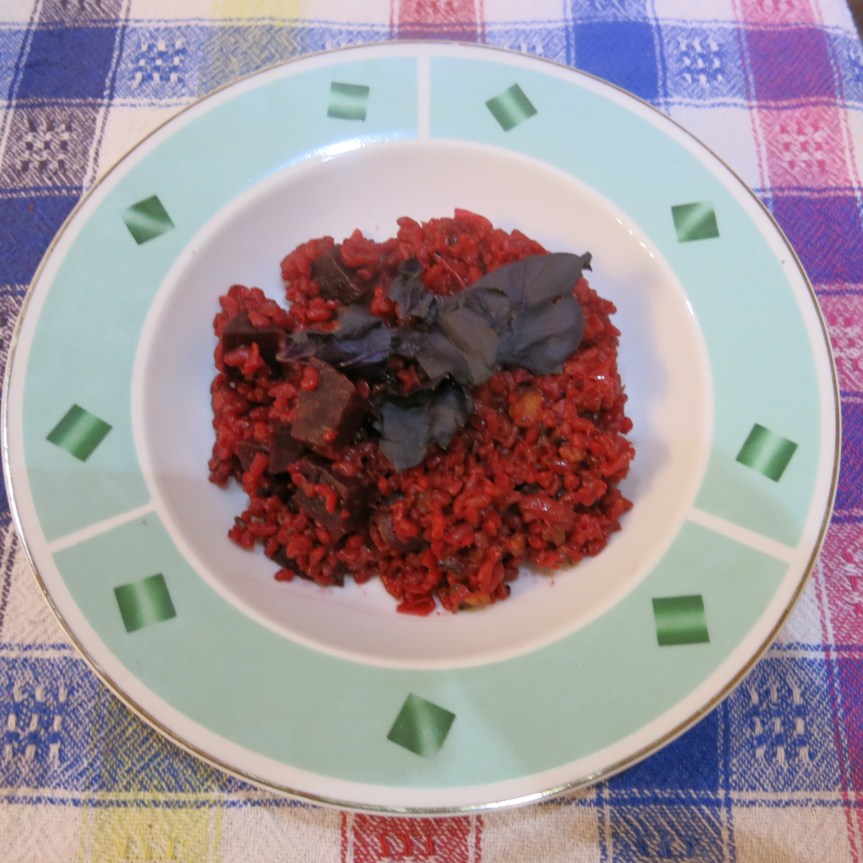
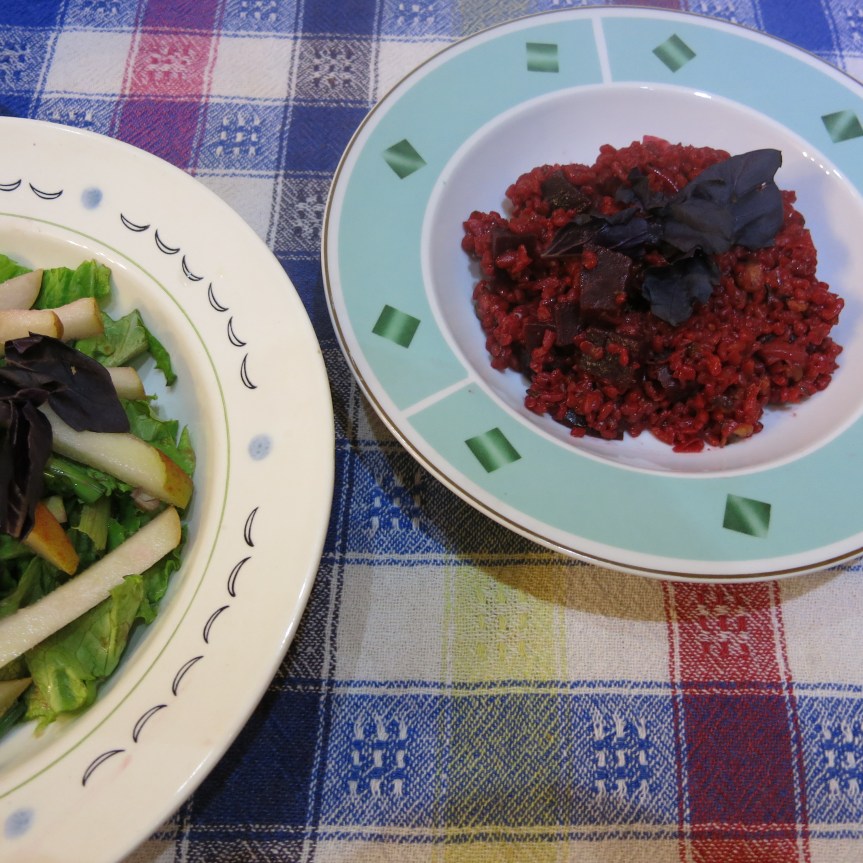
A rich red colour, such as that imparted by beetroot, would come out as kıpkırmızı, or, in English, rip-red, which seems a perfect way to describe out beetroot risotto. To add a Turkish-edge to the dish, we used coarse bulgur wheat, but you can use arborio rice if you prefer.

img_2363

We added some walnuts to the mix, as they combine so well with the sweet edge of beetroot. This is quite a common combination – in Georgia walnuts are blended with grated beetroot to make pkhali.

Ingredients (serves 3-4)

  • 250 g  whole, uncooked beetroot
  • 50 g walnuts
  • 100 g coarse bulgur wheat
  • 150 ml red wine
  • 500 ml beetroot cooking water
  • 25 ml olive oil
  • one medium-sized onion
  • one garlic clove
  • one teaspoon dried thyme
  • one teaspoon dried rosemary
  • one teaspoon cumin seeds
  • black pepper and salt to taste
  • sprig of fresh basil leaves

Method

  • Boil the washed but unpeeled beetroot in a saucepan for 30 minutes. Put the beetroot in cold water, keeping the water you used to cook the beetroot separate, and then peel and top and tail the beetroot when cool. Put to one side.
  • Heat the olive oil in a heavy-based pan and add the cumin seeds. Cook until the seeds are beginning to burn and then add the diced onion and garlic, dried thyme and rosemary and season with salt and pepper. Cook until the onion is going translucent.
  • Add the washed bulgur wheat and stir to coat the grains. Add the glass of wine and stir occasionally until the liquid is absorbed. Add a third of the vegetable stock and keep cooking and stirring until the liquid is absorbed. Add more stock until the bulgur wheat is cooked and the risotto has a creamy consistency and then turn off the heat.
  • Meanwhile, gently toast the walnut pieces in a small frying pan and chop the beetroot into small, 1 cm cubes. Mix the beetroot and toasted walnut into the bulgur wheat risotto.
  • Garnish with fresh basil leaves -green ones make a better contrast to the red of the risotto, but we could only find the mauve coloured variety. Serve with a green salad.


Riding the Bread Bowl Zeitgeist

3 November 2016

Ok, so we’ve all heard of dunking bread into a wholesome bowl of soup, but, until last week, Knidos Cookery Club had not come across soup being served in a bread bowl. It’s a craze that had seemed to pass us by.

On a chilly night during a recent trip to Reykjavik, Iceland, we found a restaurant that was serving just two dishes – asparagus soup or a thick, meaty broth, both served in a bread bowl. We were instant converts.

20161030_160310A few days after this, a restaurant was spotted in Pendik, a district of Istanbul in Turkey, that had a poster for Ekmekte Çorba, yes, that’s right, soup in a bread bowl. Looks like there could be a craze starting here so let’s chase the zeitgeist and try and recreate this in the Knidos Cookery Club kitchen.

Wondering what to do with all that pumpkin left over from Halloween? Why not turn it into a hearty soup that should pass the bread bowl test – you don’t want your soup to be too liquid as there’s a danger of ending up with a soggy mess of soup and bread. We’ve thickened ours with red lentils and bulgur wheat, so combined with the bread, this one’s going to be a real winter warmer.

Ingredients: (serves 3-4)

four medium-sized round brown loaves

300 g pumpkin (save the seeds for roasting)

50 g red lentils

50 g coarse bulgur wheat

one medium-sized pear

one medium-sized onion

one garlic clove

750 ml vegetable stock

sprinkle of dried sage

one teaspoon of dried thyme

two bay leaves

one teaspoon of cumin seeds

one cinnamon stick

half a teaspoon of turmeric

Method:

Cut the pumpkin in half and remove the seeds, retain them to use later. Peel the pumpkin and dice into 1 cm cubes. Place the pumpkin cubes in a baking dish, pour in 50 ml of olive oil and sprinkle the sage and thyme over the pumpkin and mix well.

Bake in a pre-heated oven (220 c /gas mark 7) for 45 minutes or until the pumpkin mashes easily with a fork. While the pumpkin mix is cooking, put the seeds on some tin foil and roast in the oven until starting to char a little bit.

Finely chop the onion and garlic and fry in 50 ml olive oil over a medium heat. As they’re cooking add the cumin seeds, turmeric and cinnamon stick and bay leaves. Cook until the onions are starting to brown.

Chop up the pear finely and add with the roasted, mashed pumpkin to the onion mix and pour the stock over the top. Bring to the boil and then reduce the heat and add the bulgur wheat and red lentils. Cook over a medium heat for thirty minutes or so until the bulgur and lentils are beginning to go a bit mushy.

Slice the top off the loaf and scoop out the contents, leaving around 1 cm of bread as a lining for the bowl. Pour the soup into the bread bowl, garnish with roasted pumpkin seeds and serve immediately. Use the top of the bread to dip in the soup and eat the bowl as you go, depending on how hungry you are!


Roman Lor … and Chips

29 September 2016

This week on Knidos Cookery Club we’ll be looking at a recipe that uses up the rest of the lor cheese, Turkey’s answer to ricotta, that we used a few weeks ago in a stuffed aubergine in a spicy tomato sauce dish.

While surfing the net looking for inspiration, Knidos Cookery Club came across the following piece on a dish that is a summertime feature in Rome – baked stuffed tomatoes with potatoes.

img_1418
An autumn carbfeast – stuffed tomatoes with potato wedges

To our mind, the double-carbo dose seems more suited to cooler autumn nights than the heat of summer. We’ve put our own spin on the recipe by substituting bulgur wheat for the rice and adding a healthy dollop of lor to the filling.

Ingredients (Serves 4)

Four medium-sized tomatoes

One medium-sized onion

Three large potatoes

One garlic clove

100 g bulgur wheat (coarse ground) (use rice if this is not available)

50 g  lor cheese (use ricotta or cottage cheese if this is not available)

50 ml olive oil

200 ml hot water

One teaspoon dried thyme

Pinches of salt and black pepper to taste

Method

Slice the top off the tomatoes and leave to one side. Scoop out the flesh with a teaspoon used in a circular, drilling motion. Put the tomato flesh to one side. Turn the hollowed-out tomatoes upside down on kitchen paper to remove excess moisture.

Finely chop the onion and garlic and fry in 25 ml of olive oil until softening. Add the leftover tomato flesh, half a teaspoon of thyme and some salt and black pepper and stir. Cook for five minutes then add the bulgur wheat, stirring to coat the grains. Pour the hot water over the mixture and cook over a low heat until all the moisture is absorbed.

Slice the potatoes in half lengthways and then cut into wedges about 1 cm in width at their thickest point. Pour 25 ml of olive oil into a baking dish and throw in the potato wedges. Sprinkle thyme over the potatoes and coat them liberally with the olive oil – use your hands or a fork for this.

Allow the bulgur to cool and then stir in the lor cheese. Stuff the tomatoes with the bulgur mix and place the tops back on and arrange on top of the potato wedges. Bake in a pre-heated oven at 220 c (gas mark 7) for 45 minutes or so until the wedges are golden and the tomatoes are beginning to shrivel and go a bit black on top.

Serve with a green salad to balance out the carbfeast.