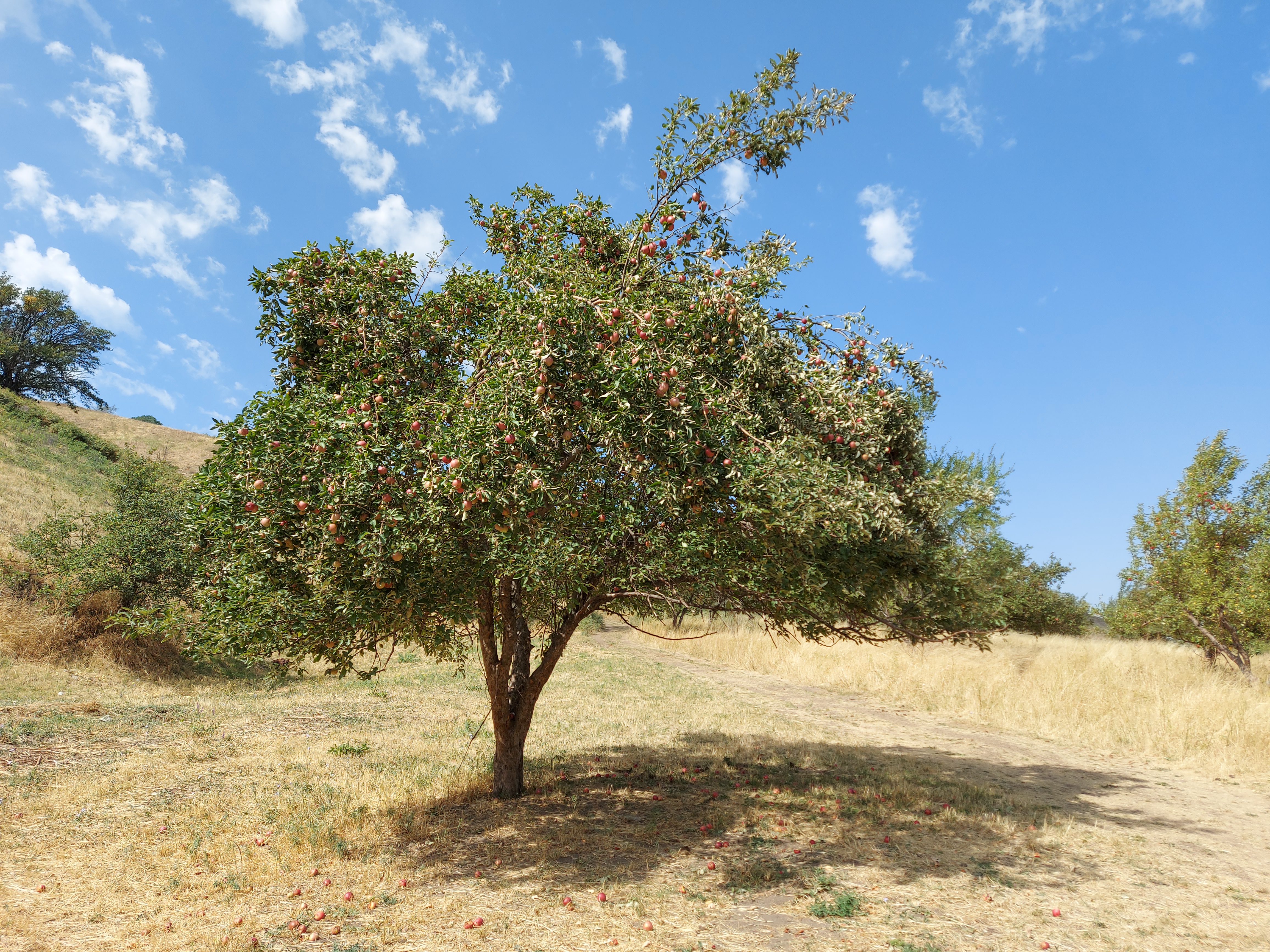
Almaty Apple Spritz: A Cocktail for the (Old) New Year

11 January 2024

We’re almost two weeks into 2024, but in some parts of the world the new year is marked according to the Julian calendar rather than the Gregorian, which means that Old New Year’s Eve is celebrated on 13 January. This date is still marked in many parts of Eastern Europe. It’s also celebrated in parts of Wales, where it’s called Hen Galan (old new year), and some parts of Scotland, on 12 January .
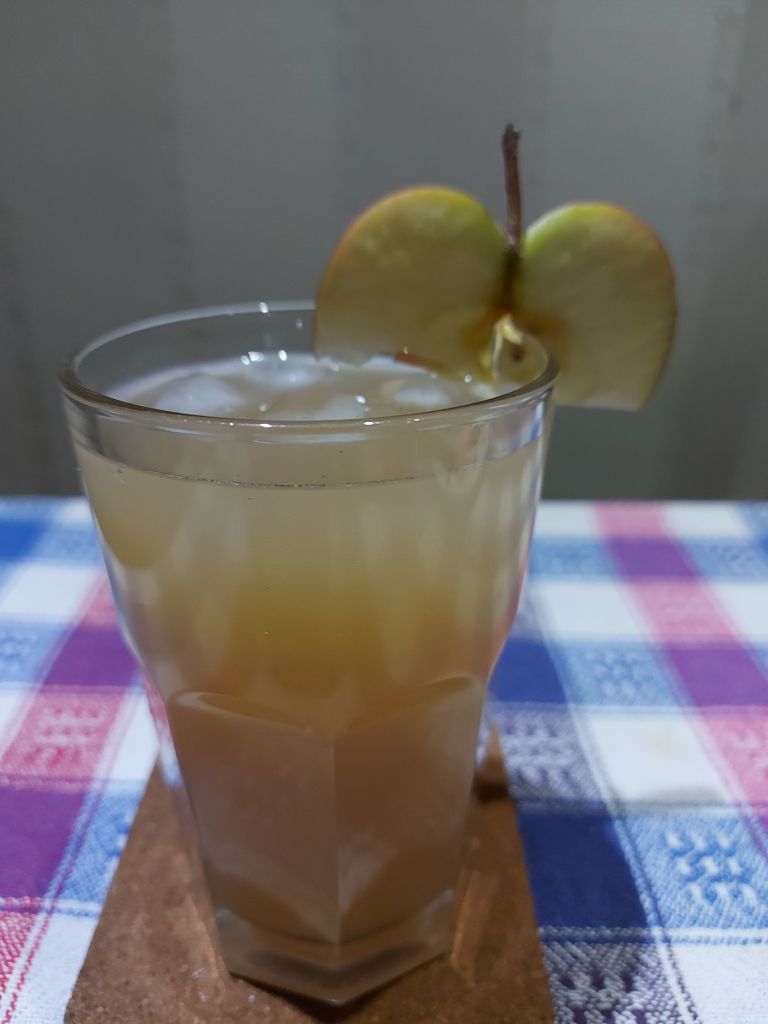
Cheers, and Happy Old New Year, with an Almaty Apple Spritz!

Here at KCC, we regard old new year as the end of the holiday season, allowing a few weeks of respite before Chinese New Year! To mark the occasion, this cocktail combines cloudy apple juice with a cinnamon-infused cold brew. To see off the old year with a kick, add some shots of vodka to this apple spritz.

Any apple juice can be used – we used a local one from Almaty, Kazakhstan that’s free from extra sugar and other additives and is naturally cloudy. Almaty, whose name translates as “place of apples”, is where the antecedents of today’s apples evolved.
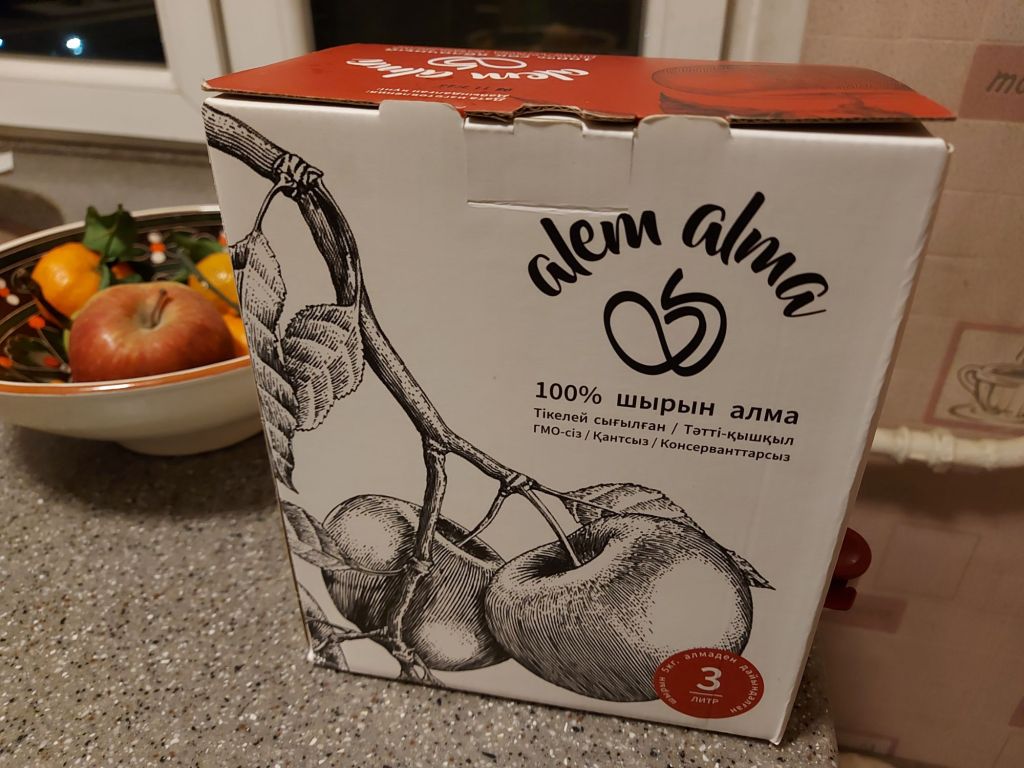
Apples are from Almaty!

To make the cold brew, add a cinnamon stick, or a teaspoon of powdered cinnamon, five cloves, two teaspoons of fresh ginger and a pinch of nutmeg to a litre of cold water. Shake well and leave overnight in the fridge.

For one serving of the the Almaty Apple Spritz, put some ice cubes into a tall glass, pour in 25 ml of any vodka of your choice (or 50 ml if you want to get a jag on, if you’re doing dry January, just omit the vodka!). Add 75 ml of the cinnamon cold brew, 50 ml of apple juice and top up with fizzy water, garnish with a slice of apple and stir before drinking.

This cocktail also works well warmed up (you don’t need the ice or fizzy water).The spices and apple juice evoke a cosy mulled cider vibe. Simply heat until it’s just about to boil and serve asap. A recommended food pairing is with KCC’s coleslaw variation or a traditional new year Olivier salad.

Meet the Hasselback Potato

21 December 2022

Winter Solstice is upon us once again so it’s time to kick off the holiday season. If you’re looking for something a bit different for your festive feast this year, then look no further than the Hasselback potato, an attractive dish that tastes like a jacket potato crossed with a roast potato.

This method of preparation involves cutting the potato into thin slices that fan out while baking. It can be used for other vegetables like beetroot, carrot and butternut squash, as well as a sweet version using fruits like apple and quince.

Hasselback potato with a pasty and salad

Hasselback potatoes originated in Sweden with the dish featuring in a 1929 recipe book “The Princesses’ Cookbook” by Jenny Åkerström. In 1953. Lief Elisson, a rookie chef at Stockholm’s Hasselbacken restaurant, revived this method for preparing the humble spud.

Preparing the Hasselback

To prepare the fruit or vegetables of your choice, place chopsticks or wooden spoon handles on either side and cut into thin slices until the blade hits the wood.

Ingredients

  • Four medium potatoes
  • 25 ml olive oil
  • One teaspoon rosemary or thyme (fresh if available or dried)
  • One teaspoon cumin seeds

Method

  • Put two chopsticks or the handles of two wooden spoons on either side of the potato. Cut into 1-2 mm slices, cutting until the blade hits the wood.
  • Put the potatoes in an ovenproof dish with the cut side facing up. Drizzle liberally with olive oil and sprinkle cumin seeds and thyme (or rosemary) over them.
  • Bake in a pre-heated oven at 180 c for one hour. Serve on their own or as part of a main course with a pasty or nut roast along with your choice of side vegetables or a salad.

Bringing the Apples Home to Almaty

9 September 2021

We’re back in action after another glamping trip to Bubble Gum View near Almaty. This peaceful spot, located a 45-minute drive from the city centre, is situated in an orchard and consists of four pods. This time round we were treated to an upgrade to the en-suite pod that has a kitchen and an upstairs bedroom too.

Kazakhstan, Almaty region in particiular, is widely acknowledged as the place where the ancestors of today’s apples evolved. The name Almaty translates from the Kazakh as ‘the place of apples.’ With autumn approaching, the apples are beginning to ripen and we picked a few to bring back to Almaty.

Almaty apple, caper, courgette and rocket salad

With summer making a last stand – the mercury is still hitting the 30s here in Almaty, we used the apples in a salad based on one we had in Greece one time. The Greek version used pears and lettuce, but we’ve swapped in rocket and our homecoming apples. We served it in a wrap with some fresh, homemade hummus and crispy falafels, but it works equally well wherever you’d normally eat salad.

Ingredients (serves 3-4)

  • 125 g courgette
  • 100 g apple
  • 75 g rocket
  • 20 g capers
  • 1 teaspoon chia seeds
  • Juice of half a lemon
  • 15 ml olive oil

Method

Roughly chop the rocket leaves and put at them at the bottom of your salad bowl. Grate the courgette over the rocket leaves. Now grate the apple over the courgette layer, add the capers and sprinkle the chia seeds over the top. Dress with lemon juice and olive oil and mix well.


Le Cidre Nouveau est Arrivé !

8 November 2018

We finally got round to tasting our first batch of cider made with apples sourced from Almaty, widely acknowledged as the place where the ancestors of today’s apples evolved. We’re pleased to announce that the experiment was a success!

This slideshow requires JavaScript.

We used locally grown aport apples, a large red and yellow coloured variety, that grows around Almaty, Kazakhstan. a big clue as to the apple’s origins can be found in the name Almaty which translates from the Kazakh as ‘the place of apples.’

For the experiment, we used five kilos of fruit, which was pressed to produce around three litres of juice. We used a juicer and a sieve with some cloth to press and filter the leftover apple pulp to squeeze out a bit more liquid.

Then the juice was poured into a clean 5-litre water container. We allowed nature to take its course, and no yeast was added to aid the fermentation process. We made an improvised airlock using a balloon with a pinhole in it (to allow the gas to escape from the fermenting liquid whilst keeping unwanted bacteria out).

Fermentation took around two weeks and then the cider was siphoned off into clean wine bottles, where it was left to mature for a year or so. The resulting cider, about 1.7 litres was produced from this batch, was a dry, pale-coloured liquid that went down all too easily.