Celebrating Ten Years of KCC!

31 March 2026

I can’t believe it, but it’s been ten years since KCC’s first post. Since the journey began back in 2016, KCC has published more than 200 posts, both here on WordPress and on our sister site on Substack, which began two years ago.

The WordPress blog has attracted nearly 17,000 visitors and around 26,000 page views over the decade – not bad for a niche veggie food blog based around the Datça Peninsula!
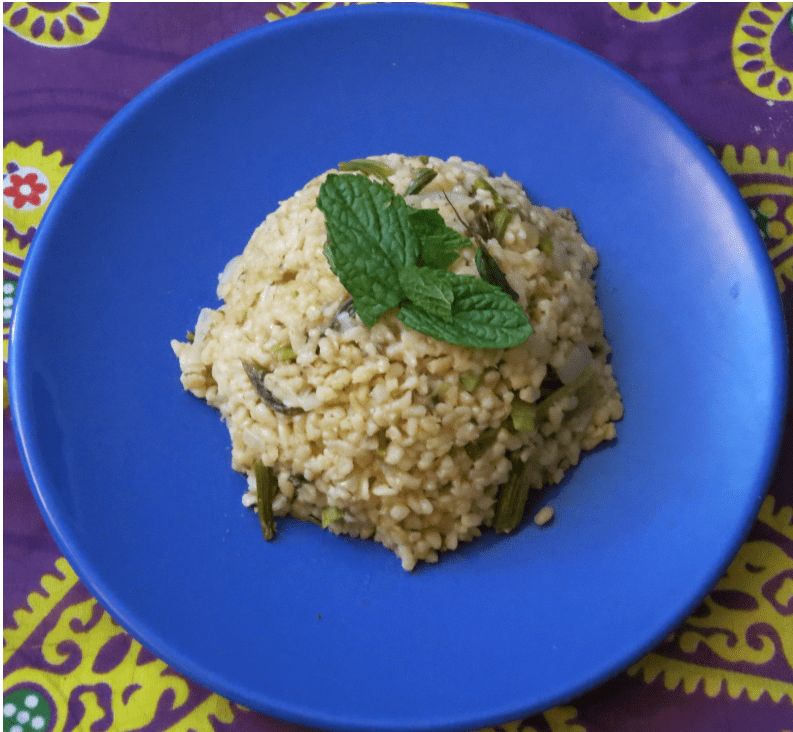
KCC’s first recipe was this asparagus risotto (see above), inspired by the fresh produce on sale in Datça’s weekly market. Over the last ten years, we’ve branched out from Turkey and sought out dishes from around the globe with gastronomic excursions to Greece, Georgia, Russia, Albania, Italy, India, Indonesia, Latvia, Sri Lanka, Sweden, Central Asia and Mexico among others.

Looking back over KCC’s posts, the top five features one about Central Asian chocolate, one on Georgia’s pkhali dip, another on Armenia’s khorovats veggie stew, a pisco-fuelled cocktail and jusai, garlic chives from Kazakhstan.
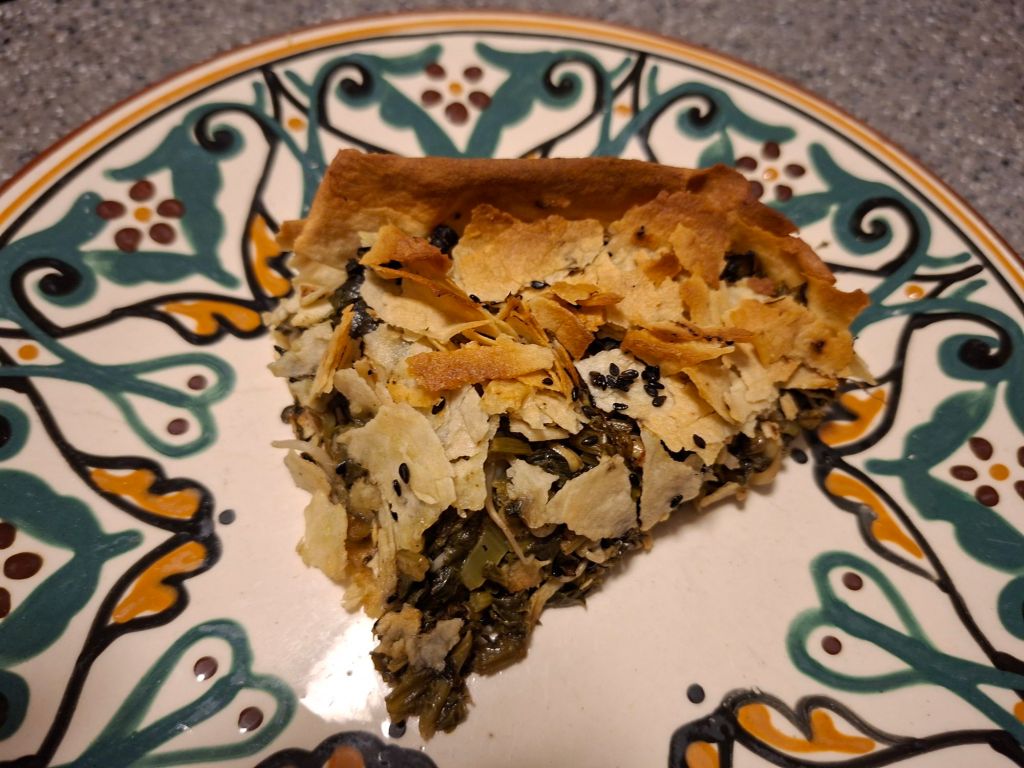
Scrunchy Lavash Spring Green Pie

The world sure has gone to shit in the last ten years, but fortunately there’s always great food to fall back on. To celebrate KCC’s 10th anniversary, here’s a recipe for a seasonal pie loaded with fresh ingredients – the Scrunchy Lavash Spring Green Pie.

Ingredients (Makes 3-4 servings)

  • 75g beansprouts
  • 75g radish leaves
  • 75g spinach
  • 50g celery
  • 50g sorrel
  • 25g fresh coriander (cilantro)
  • 25g fresh parsley
  • 2 teaspoons soy sauce
  • 1 teaspoon dried mint, dried thyme, cumin seeds, sumac, nigella seeds
  • 50ml olive oil
  • 2 sheets of lavash

Preparation

Step 1: Heat 20 ml of olive oil in a large pan. Add the chopped celery and saute for two minutes. Add chopped sorrel, spinach and radish leaves. Stir fry until leaves begin to wilt. Turn off the heat and add the dried mint, thyme, cumin seeds and sumac and stir well. Add the coriander, parsley and soy sauce and combine. Finally, add the beansprouts and blend into the mixture.

Step 2: Preheat the oven to 200 c. Line an ovenproof dish with one sheet of lavash. Brush with 10 ml of olive oil. Fill the lavash base with the spring green mix. Put 10 ml oil in the large bowl and take the other sheet of lavash, break it into chunks and then scrunch it up with the oil. Place the scrunched up lavash on top of the pie filling. Brush with the last 10 ml of olive oil, sprinkle over the nigella seeds

Step 3: Bake the pie at 200 c for 25-30 minutes until the top is a golden-brown colour. Allow to cool then cut into three or four slices and serve with a salad of your choice and dips such as cacık (tzatziki) and hummus.
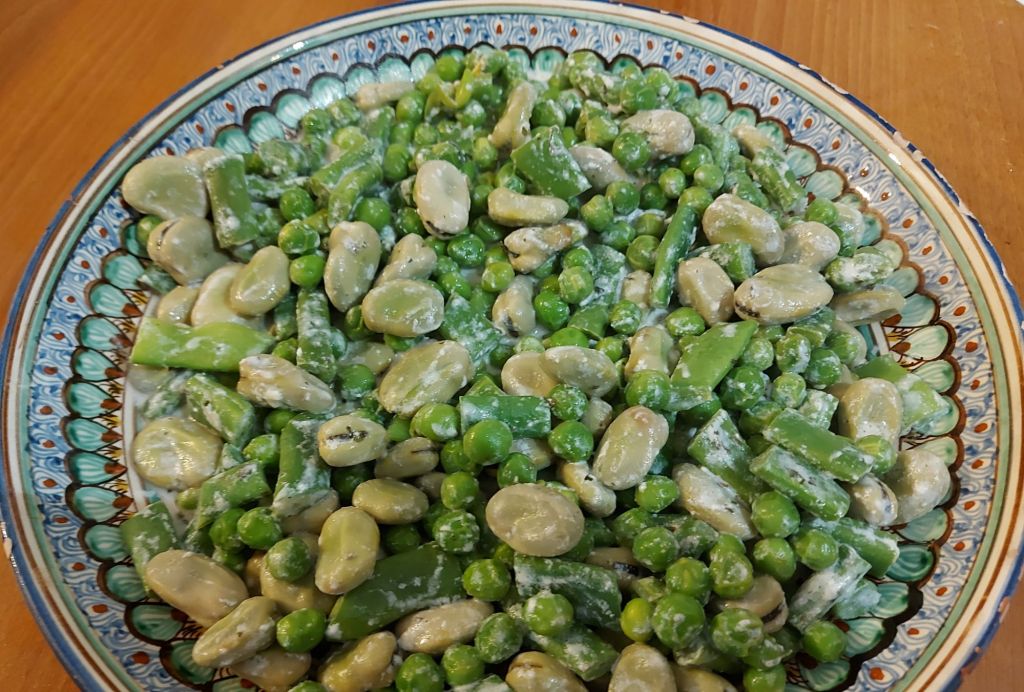
Summertime Veggies with Yogurt and Mint

26 June 2025

Summer is in full flow so it’s time for some lighter dishes that bring to the fore fresh seasonal ingredients at their best. I found this on-trend recipe that uses fresh peas, broad beans and runner beans while going through some old stuff in the UK recently.

A taste of summer

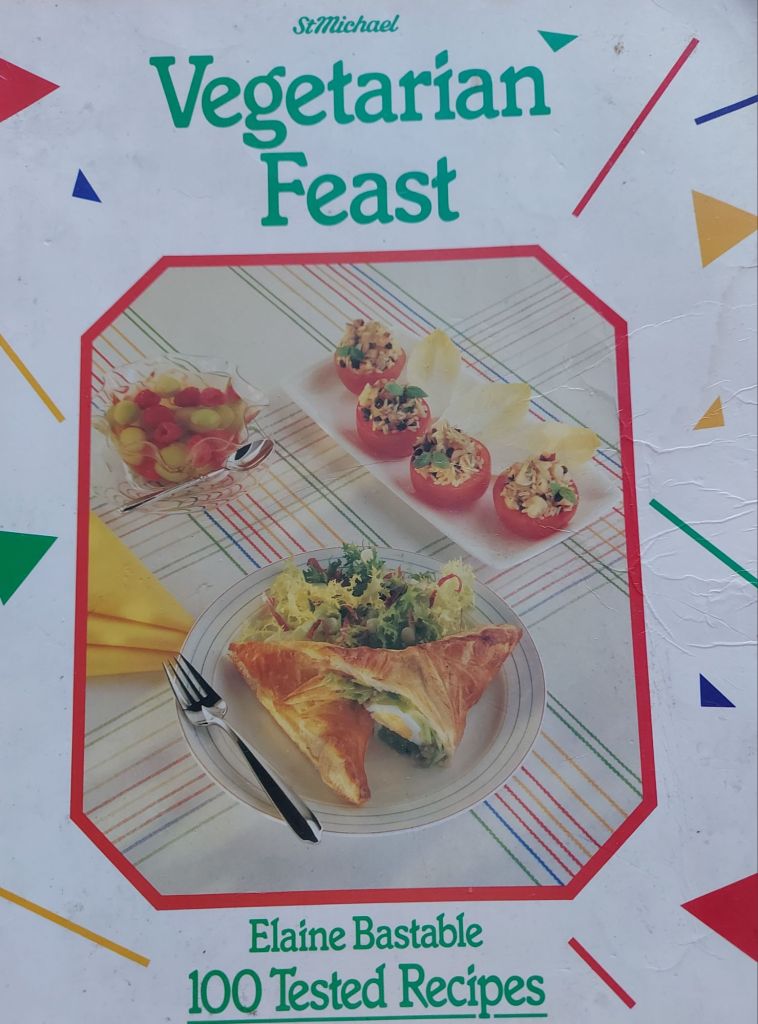
I was at my late parents’ old place and during the archaeological dig I found a copy of the first vegetarian cookbook that I owned – Elaine Bastable’s Vegetarian Feast, a Christmas present from way back in 1985. It was sold by Marks & Spencer under its StMichael guise.

Vegetarian Feast was quite advanced for its time with a recipe for Avocado (and Stilton) on Toast, a Felafel recipe and other dishes that were very exotic for Margaret Thatcher’s meat-heavy Britain of the 80s. The cookbook’s over-reliance on butter comes across in the 2025 filter as a bit dated, but it still stands the test of time in many respects.

A blast from the past

1985 was the year I finally took the plunge and went vegetarian. It had been coming for a while. As an impoverished student the meat that I could afford was of the type that had featured in documentaries of the time looking at the meat industry.

Affordable processed products such as burgers and sausages were shown to contain all parts of an animal – mashed up eyelids, lips, bollocks and toes, to be precise.

Although there are now many more vegans and vegetarians, not much has changed in the meat industry – as I write the Guardian is carrying this article on the shocking rise of factory farms across Europe and the UK.

Here’s the recipe

In the summer of 1985 I had just finished uni and I was travelling through Yugoslavia, as was, to Greece via Bulgaria and Turkey. Bulgaria was a veggie turning point. Cafe menus featured a wide selection but when asking for a particular dish a frosty niama (approx: We don’t have it) was the usual responseBaked meat (of dodgy provenance) was the only option other than abundant salads. Who needed meat, especially baked meat of unknown origin, with all those veggies on offer?

Moving on into Greece, after the vegetarian heaven of Turkey’s ev yemekleri cafes, I finally started eating tomatoes, which I’d hated with a vengeance since my childhood. The tomato breakthrough opened up many new veggie avenues. From that point on I stopped eating meat and haven’t looked back since.

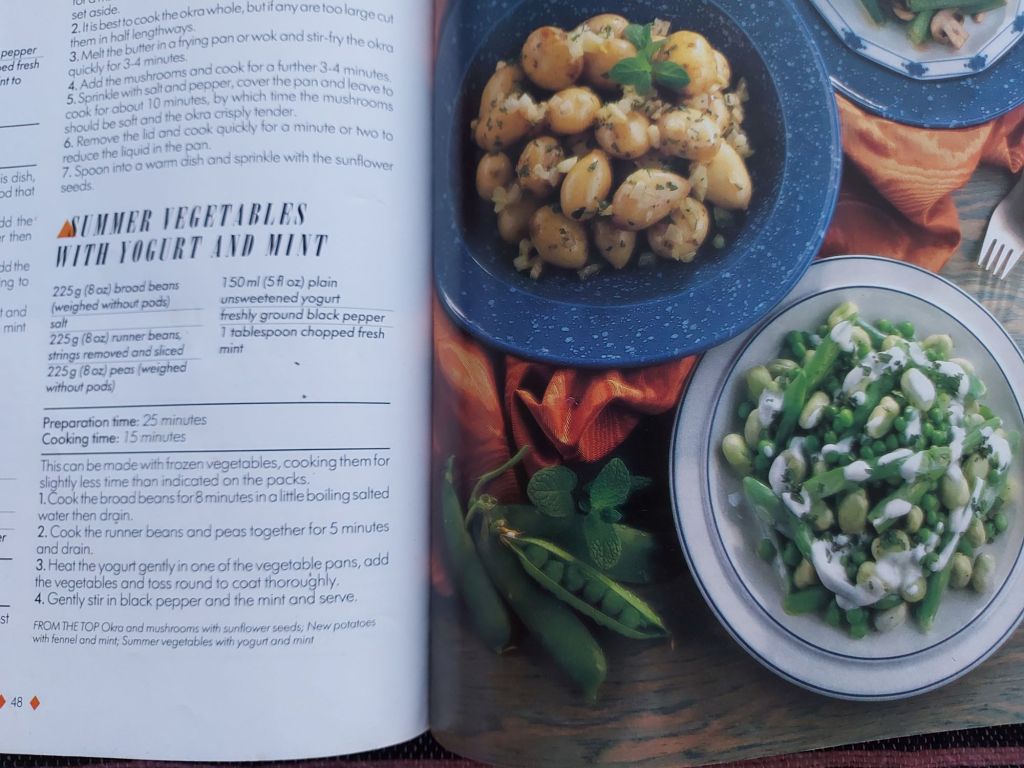
So, turning back to Vegetarian Feast, I found the recipe for this side dish of summer vegetables and Datça market came up trumps with fresh peas, broad beans and runner beans. Check out the recipe in the picture above.

Almond Party Time in Datça

12 February 2025

Almonds are on the agenda in KCC’s spiritual home of the Datça Peninsula this weekend as the Turkish seaside town hosts its annual Almond Blossom Festival.

The festival, which celebrates the blossoming of the peninsula’s almond trees, takes place between 13-16 February. Alongside live entertainment, with local faves Rampapa performing on Thursday and Anatolian psych rock legends Moğollar headlining on Saturday, there are cookery competitions, sports events and a speedy almond cracking contest.

Datça’s tasty almonds, badem in Turkish, are rightly famous all over Turkey – I remember sitting on a terrace in Istanbul’s Beyoğlu district, back in the days when it still had tables on the street, when a guy came round selling ice-chilled Datça almonds.

Bademli havuç tarator (carrot and almond tarator)

In Istanbul and along the Aegean coast tarator is a yogurt-infused meze made with carrots or courgettes and walnuts (recipe link here). Tarator started life in the eastern Mediterranean as a tahini-based dipping sauce for falafel. In Ottoman times it referred to a sauce made from walnuts, breadcrumbs and lemon juice (often served with kalimari), before it took on its yogurt iteration in the modern day. In Bulgaria, Tarator is the name of a yogurt-based, cold soup.

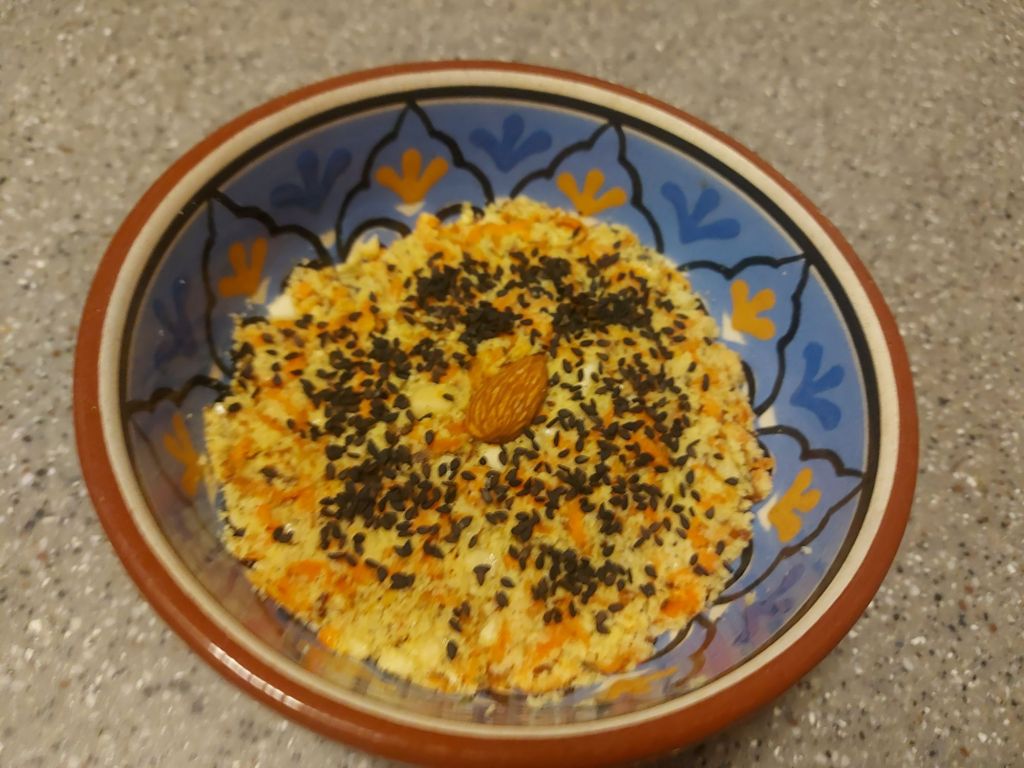
We adapted the recipe to make it vegan by replacing the yogurt with almond cream and gave it more of a Datça vibe by using almonds instead of walnuts and throwing in some local capers to give it an umami kick. The resulting dip had a thicker consistency than the yogurt version – it came out more like a savoury carrot halwa, but was still delicious.

Ingredients

  • 100 g blanched almonds
  • 50 ml cold water
  • Two teaspoons apple cider vinegar
  • 20 capers (with brine)
  • 150 g carrot
  • One or two garlic cloves (optional)
  • Pinches of herbs and spices of your choice (e.g. oregano, black pepper, salt, sumac, red chili flakes)
  • One teaspoon nigella (black cumin) seeds

Method

  • If your almonds have skins on, then pour hot water over the almonds and leave for a minute or two. Drain off the water and peel the nuts between your fingers. Set aside 20 g of the nuts. Cover the remaining almonds with cold water and leave to soak overnight.
  • Drain the almonds and put in a blender bowl. add the vinegar, capers and water and blitz to a smooth cream. Add more water if needed (10 ml at a time) to get the required creamy consistency.
  • Heat the oil in a heavy-based pan, grate the carrot and saute it in the oil for ten minutes over a medium heat. Add diced garlic (if using), the remaining almonds (crushed with a rolling pin or wooden spoon) and pinches of herbs and spices (as needed).
  • Allow the carrot mix to cool and then blend with the almond cream. Garnish with nigella seeds and some unblanched almonds. Serve as part of a meze set or as a dip.