Almaty Apple Spritz: A Cocktail for the (Old) New Year

11 January 2024

We’re almost two weeks into 2024, but in some parts of the world the new year is marked according to the Julian calendar rather than the Gregorian, which means that Old New Year’s Eve is celebrated on 13 January. This date is still marked in many parts of Eastern Europe. It’s also celebrated in parts of Wales, where it’s called Hen Galan (old new year), and some parts of Scotland, on 12 January .
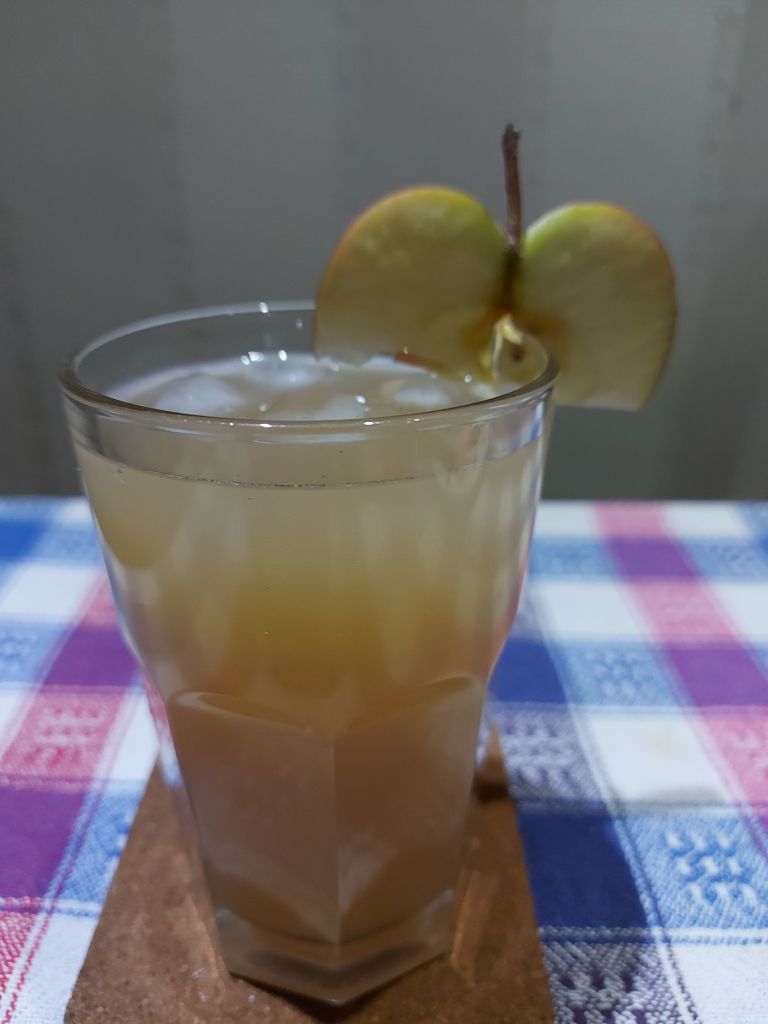
Cheers, and Happy Old New Year, with an Almaty Apple Spritz!

Here at KCC, we regard old new year as the end of the holiday season, allowing a few weeks of respite before Chinese New Year! To mark the occasion, this cocktail combines cloudy apple juice with a cinnamon-infused cold brew. To see off the old year with a kick, add some shots of vodka to this apple spritz.

Any apple juice can be used – we used a local one from Almaty, Kazakhstan that’s free from extra sugar and other additives and is naturally cloudy. Almaty, whose name translates as “place of apples”, is where the antecedents of today’s apples evolved.
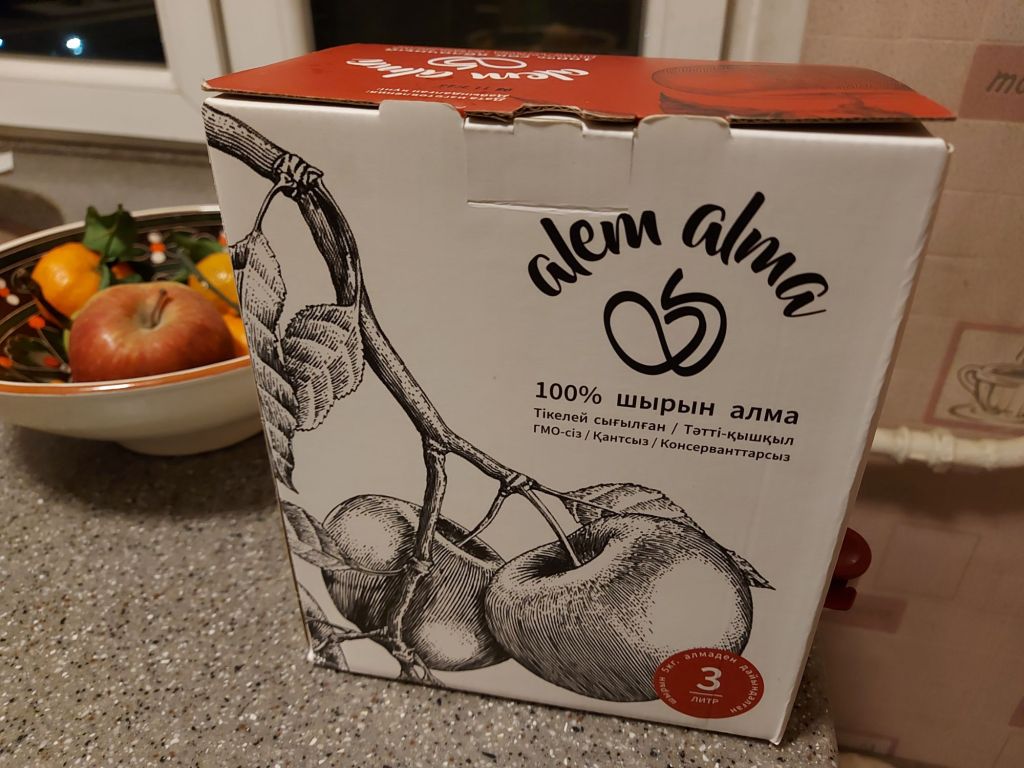
Apples are from Almaty!

To make the cold brew, add a cinnamon stick, or a teaspoon of powdered cinnamon, five cloves, two teaspoons of fresh ginger and a pinch of nutmeg to a litre of cold water. Shake well and leave overnight in the fridge.

For one serving of the the Almaty Apple Spritz, put some ice cubes into a tall glass, pour in 25 ml of any vodka of your choice (or 50 ml if you want to get a jag on, if you’re doing dry January, just omit the vodka!). Add 75 ml of the cinnamon cold brew, 50 ml of apple juice and top up with fizzy water, garnish with a slice of apple and stir before drinking.

This cocktail also works well warmed up (you don’t need the ice or fizzy water).The spices and apple juice evoke a cosy mulled cider vibe. Simply heat until it’s just about to boil and serve asap. A recommended food pairing is with KCC’s coleslaw variation or a traditional new year Olivier salad.
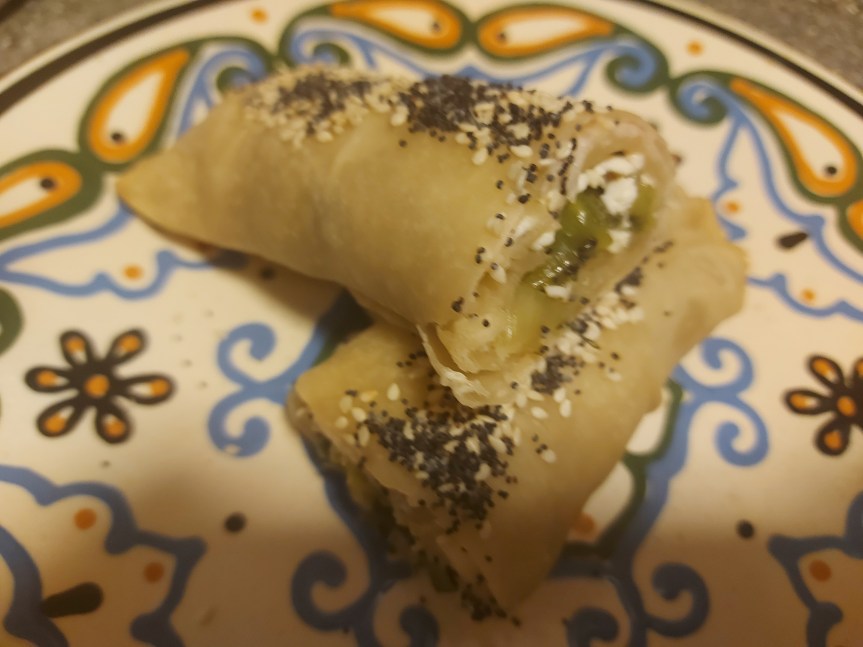
Börek with a Celtic Twist

25 February 2021

With the feast of St David, the patron saint of Wales, coming up on 1 March, we’re cooking with leeks. We’ll be combining this creamy-tasting cousin of the onion, which is one of the symbols of this country with a dragon on its flag, with crumbly white cheese in layers of filo pastry to give a Celtic twist to Turkey’s popular anytime snack – the börek.

Börek consists of thin sheets of pastry stuffed with cheese or vegetables. It is found in all corners of Turkey and alongside the more familiar fillings of white cheese, spinach or potato, it’s worth looking out for the lesser-spotted leek filled version, known as pırasalı börek in Turkish.

The leek is thought to have been adopted as a symbol by the Welsh in the 7th century when soldiers, fighting off an invasion by Saxons from the east, were advised to wear leeks in their helmets in order to distinguish the home fighters from the enemy. The battle was won and the leek is still worn by people in Wales to this day. Expect to see many being sported this Saturday in the run up to St David’s Day as Wales seek to repel more invaders from the east in the form of England’s rugby team.

To celebrate the occasion we’ve filled our börek with a riff on the Glamorgan sausage, a vegetarian, breadcrumb-covered speciality of south Wales made from leek and Caerphilly cheese. We also knocked up our own sheets of filo as Ramstore, the purveyor of all things Turkish in Kazakhstan, has shut its doors, a victim of the pandemic. This means that yufka, as the Turks call filo, is no longer easy to find in Almaty.

Ingredients (makes 4 böreks)

Filo Pastry

  • 300 g all-purpose flour
  • 100 ml olive oil
  • 20 ml white wine vinegar 
  • 150 ml warm water

Leek Filling

  • One leek (approx. 250 g)
  • 150 g crumbly white cheese
  • One teaspoon caraway seeds
  • One teaspoon of nigella, sesame or poppy seeds
  • 50 ml olive oil

Method

  • Make the filo pastry first. Combine the sieved flour with olive oil and white wine vinegar. Slowly add the water a bit at a time and mix it all together with a wooden spoon until the dough forms into a smooth ball. Knead for 10 minutes on a lightly-floured surface to make the dough more stretchy. Separate into eight golf-ball sized pieces. Lightly coat with olive oil and leave for an hour covered in clingfilm at room temperature.
  • For the leek filling, heat the olive oil in a heavy-based pan and add the caraway seeds. Clean the leek thoroughly and roughly chop it into 0.5 cm rounds. Use all the leek, including the green bits, discarding the rough tops of the leaves. Add to the pan and cook over a low heat for 15 minutes stirring occasionally. When the leek has softened, turn off the heat and grate in the white cheese and combine well.
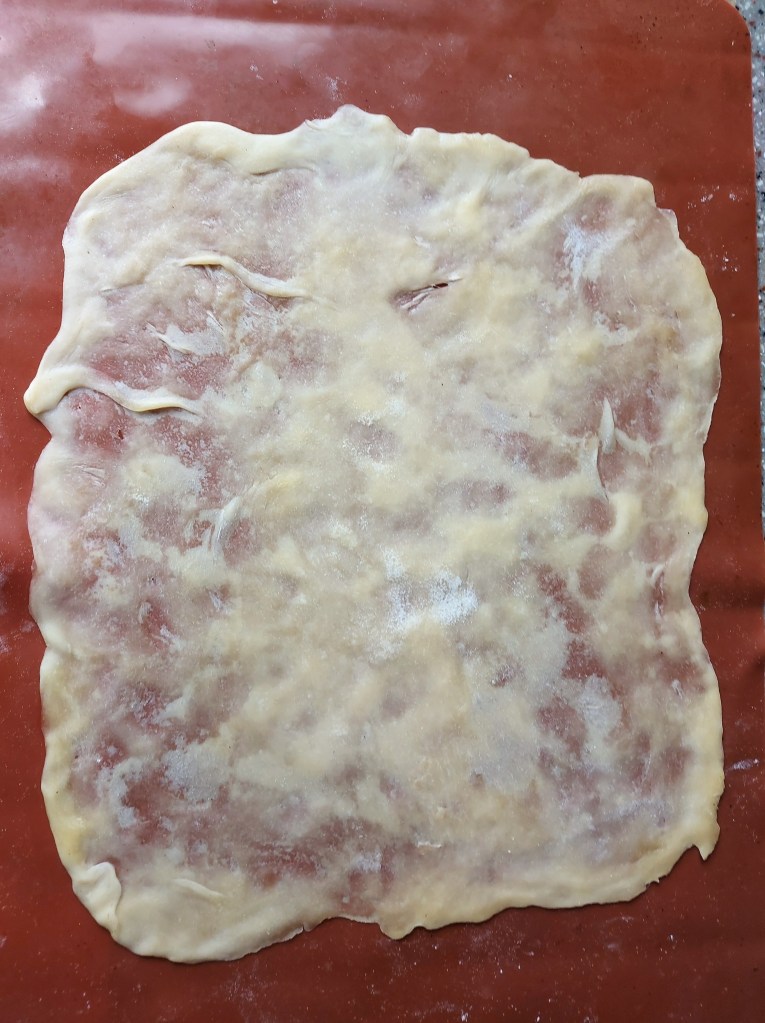
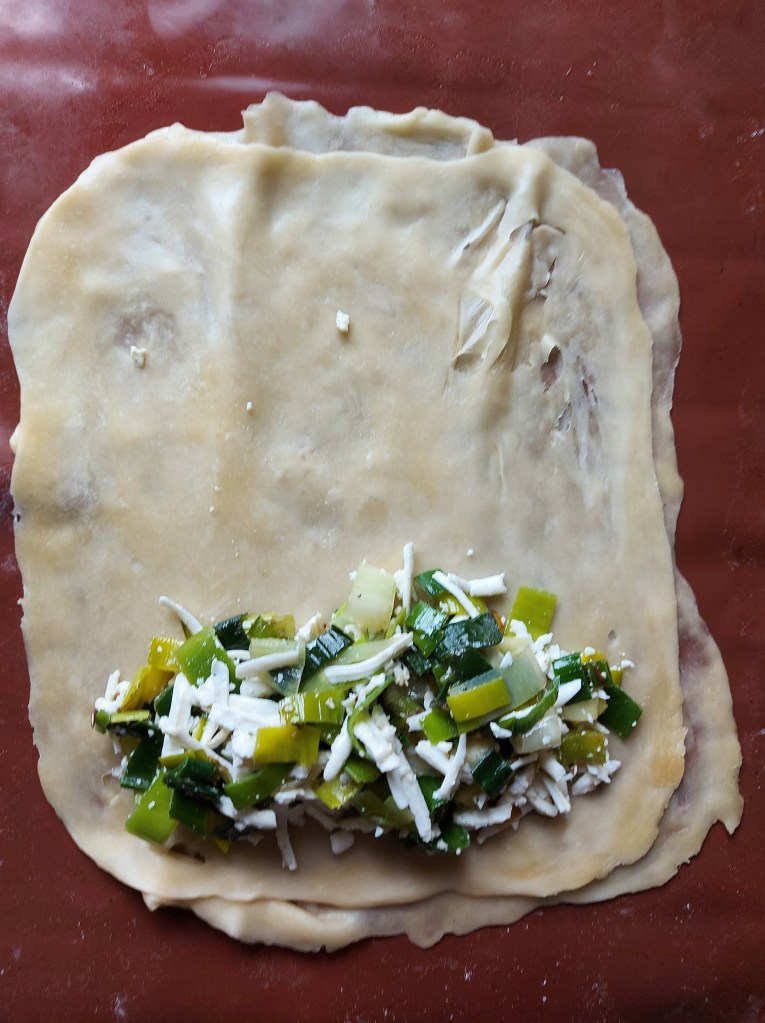
  • Roll out the filo sheets as thinly as you can using a rolling pin or the palm of your hand. It should be around 15 cm by 20 cm and become clear in places. Brush one sheet with olive oil and then place another on top. Add a quarter of the leek the filling along the shorter edge. Roll up the mixture into a cigar shape and tuck in the edges. Brush with olive oil, sprinkle nigella, sesame or poppy seeds (or all three) over the börek and cook for 20 minutes at 200 c, until they turn a golden-brown colour. Serve on its own or with a green salad or roasted root vegetables.