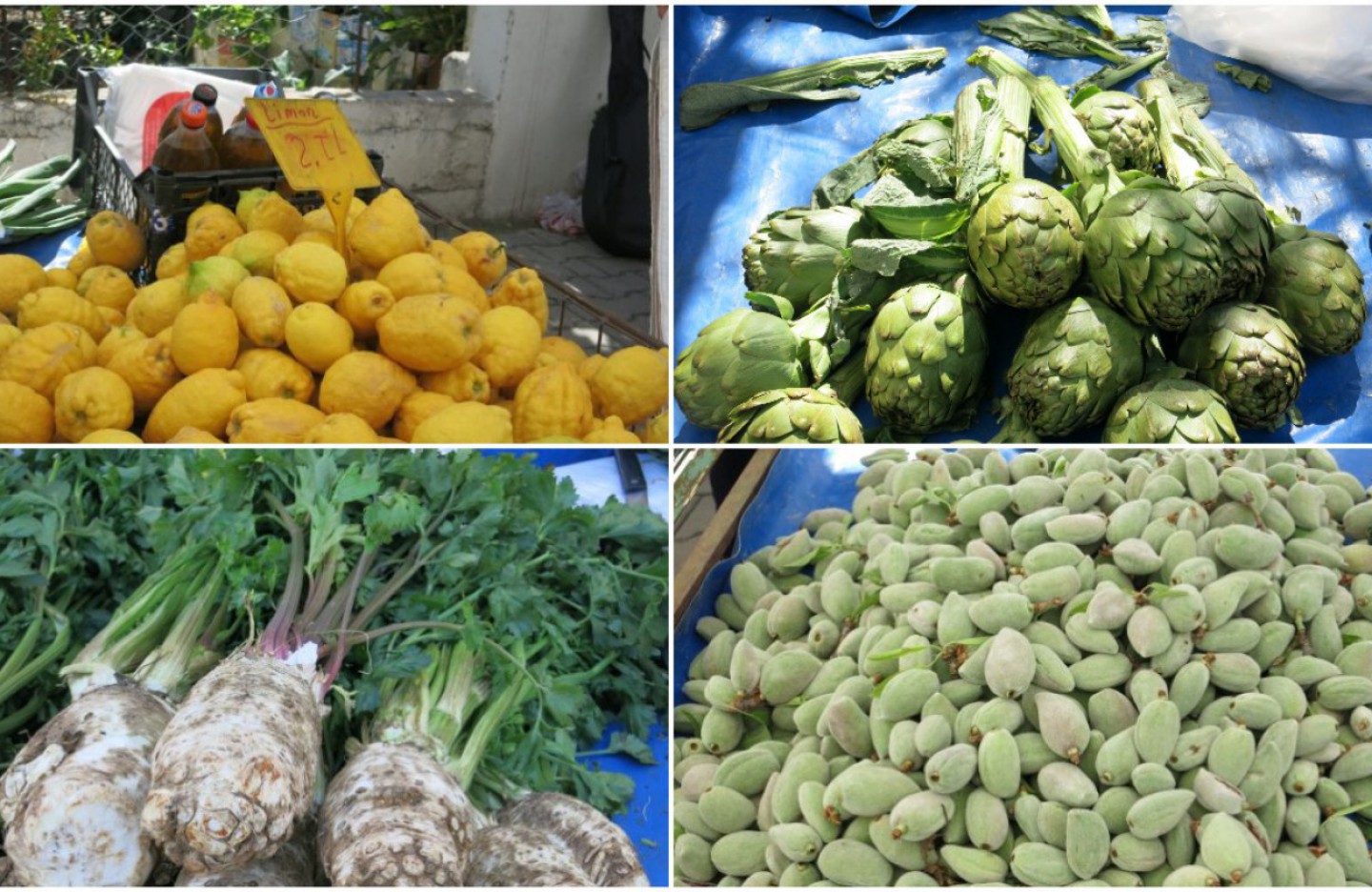
One Pot Wonder: A Trip to Knidos

23 November 2017

Knidos Cookery Club recently entertained Professor Fox, that doyen of the Christchurch Antiquarians, who came over to Turkey to check out the ruins of Knidos and some archaeological sites in the Datça area such as Burgaz (Old Knidos).

Here’s a slideshow of our visit to Knidos:

This slideshow requires JavaScript.

After the trip we needed something quick and filling so this time round on Knidos Cookery Club we’ll be cooking pasta in a tasty sauce using only one pan.

20171025_214236
KCC’s one pot wonder in progress

This one pot wonder saves time, energy and washing up, both important  considerations in the world of KCC after a busy day on the archaeological trail.
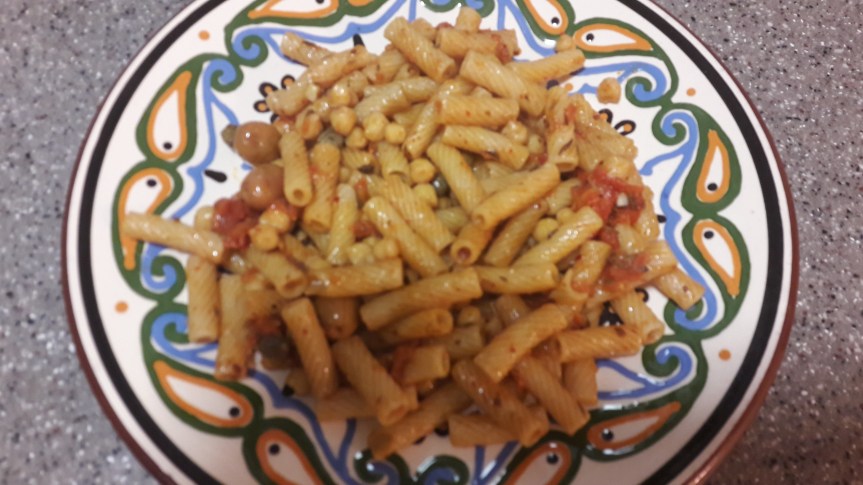
20171025_222310
KCC’s one pot wonder – the finished product

Ingredients (serves 2-3)

Three medium-sized tomatoes (approx 150 g)

50 g olives (any you have handy will do, we used some green ones)

150 g cooked chick peas

200 g pasta (penne, fusilli or spaghetti works well)

500 ml hot water

15 g capers

One garlic clove

25 ml olive oil

One teaspoon dried thyme

One teaspoon sumac

One teaspoon chilli flakes

Method 

Chop the tomatoes into quarters and add to a large, heavy-based pan with the olives, chick peas, minced garlic, olive oil, thyme, sumac and chilli flakes. Pour the water over the top, add the pasta, stir and bring to a boil.

Cook the pasta as per the instructions on the pack over a medium to high heat – you need to keep it bubbling away and stir occasionally. Keep cooking until the most of the liquid is boiled off, leaving the cooked pasta in the sauce.

The type of pasta we used took around 15 minutes to cook – try it as you go to get the type of taste you prefer. Don’t forget to stir in the washed capers to the pasta and sauce when it is cooked.

Serve straight from the pan and garnish, if you want, with shavings of Parmigiano-Reggiano (Parmesan) cheese.

I Heard it through the Grapevine

26 October 2017

Welcome to the 60th post on Knidos Cookery Club – to celebrate we took a tour to Datça’s very own vineyard to check out some of the local vintages on offer.

The vineyard is located on a hilltop on the main road into Datça and has a reserve range of delicious reds, going under the name of Cnidus, an alternative spelling of Knidos, and some  excellent red and white blends along with a superb blush wine.

This slideshow requires JavaScript.

It has been in its present site since 2011 and has both south and north-facing rows of vines to take advantage of the sun’s rays from both sides. Look out for the round brick windmill on a hillside on the left as you drive into Datça – the vineyard’s on the main road just before the turn off to the town.

This boutique vineyard produces around 40 – 50,000 bottles of wine a year –  using Cabernet Sauvignon, Merlot, Syrah (Shiraz) and the indigenous Öküzgözü and Boğazkere grape varieties to produce red wines and a blush, and Chardonnay, Sauvignon Blanc and the local Sultaniye grape to make white wine.

You can taste the wines in the windmill or in the beautiful garden with its spectacular views over the Mediterranean Sea and Greek islands on the horizon. You can also take a tour of the vineyard and buy wine in the shop at competitive prices.

Datça Vineyard’s wines are on sale in some restaurants in town and in two supermarkets – Erdi on the harbour front, and Dilge on the road to the town’s Saturday market.

20170516_102107
Green beans roasted with walnuts

With all this wine tasting to do, something simple was called for so this week we’re going to make a a quick pasta dish with roasted green beans and walnuts. It’s really easy to cook and there’s not much washing up either, leaving more time to enjoy the fruits of Datça’s vineyard!

Ingredients (serves 2-3)

250 g green beans

50 g walnuts

200 g pasta (penne, fusilli or spaghetti works well here)

One garlic clove

25 ml olive oil

One teaspoon dried thyme

Method 

Top and tail the green beans and cut into 3-4 cm slices. Put the beans in an oven dish, crush the walnuts and mince the garlic and scatter over the beans and then add the thyme and olive oil. Stir well and then put the dish in a pre-heated oven and cook for 30 minutes at 180 c.

While the beans are roasting, cook your favourite pasta as per the instruction on the pack. When cooked to your taste, drain and mix with the roasted beans and walnut and serve immediately on warmed plates with shavings of Parmigiano-Reggiano (Parmesan), if you’re a cheese fan.

As for the wine pairing, we’d recommend either a Silenus Chardonnay or a Silenus Blush – in Greek mythology Silenus was the god of wine making and drunkenness and the foster-father of Dionysos, the god of wine, vegetation, pleasure, festivity, madness and wild frenzy – enjoy!


Cutting Edge Noodles

1 December 2016

This week on Knidos Cookery Club we’re looking to Central Asia for inspiration in the form of the noodle, which, Marco Polo legends aside, is thought by some to have originated in this part of the world.

While the question of who first came up with the idea of combining wheat flour, water, egg and salt to make pasta is still being debated, one thing is certain – the dish (most likely) came from somewhere in Asia!

img_2375
Noodles from Kazakhstan – where they’re called kespe

The noodle probably came into Turkey with the nomadic tribes who swept across the Eurasian steppe, located between China and Eastern Europe, in the wake the Mongol invasions of Anatolia from the 13th century onwards. Pasta dishes in Turkey include manti, small meat-filled dumplings and erişte, thin strips of pasta dressed with cream and walnuts or added to soups and stews to add body.

img_2380
Chick pea, pumpkin and noodle soup

Another name for erişte is kesme  – this caused some confusion when researching this article as kesme can be a negative (do not cut) or the ‘-me‘ ending can turn the word into a noun – in this case it’s the latter as the name refers to a large sheet of pasta cut into strips. Erişte, by the way, is from the Persian reshteh, which means string or thread.

We’ve decided to stick with the Persian vibe – a popular dish in Iran is ash reshteh, a vegetable and noodle soup, and make a version of this hearty soup cum stew with chickpeas, pumpkin, tomato and noodle strips.

Ingredients (serves 3-4)

For the noodles: 

If you have time and want to make your own  noodles, follow this link, otherwise use about 100 g of shop-bought dried egg noodles, broken up into 2 cm strips.

For the stew:

100 g egg noodles, broken into 2 cm strips

400 g pumpkin

200g dried chick peas, soaked overnight and cooked for an hour or so until tender but not mushy

25 ml olive oil

one medium-sized onion

three medium-sized tomatoes

500 ml vegetable stock or reserved cooking water form the chick peas

one clove of garlic

one teaspoon coriander seeds

one teaspoon red chili flakes

one teaspoon cumin seeds

salt and black pepper to taste

dollop of sour cream

Method

Cut the pumpkin into 2 cm chunks and roast in a baking dish in an oven pre-heated to  220 c /gas mark 7 for 30 minutes or so. If you have any seeds from the pumpkin, place these on tin foil and roast alongside the pumpkin until turning brown.

Chop up the onion and fry in the olive oil in a heavy-based pan with the garlic and spices on a medium heat until beginning to brown. Turn down the heat, add the chopped up tomatoes and stir.

Cook for five minutes and then add the chick peas and 200 ml of the stock. Bring to the boil and simmer for ten minutes. Add the roasted pumpkin and the rest of the stock and bring to the boil again. Add the broken-up noodles and cook for five minutes until the noodle pieces are cooked.

Serve in a bowl with a dollop of sour cream or yogurt and sprinkle some roasted pumpkin seeds over the top.