Getting Back to our Roots

25 April 2024

Recently, Knidos Cookery Club was back in its spiritual home on the Datça peninsula in Turkey, getting back to its roots in the place where its culinary journey began eight years ago.
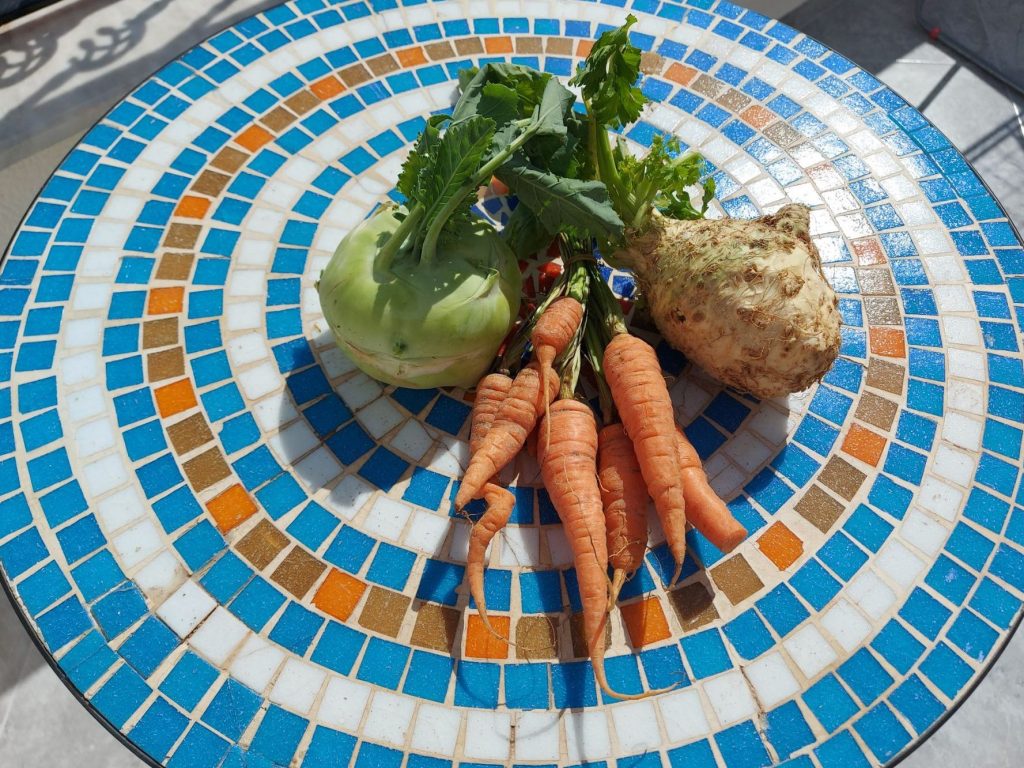
Getting back to our roots… carrots, celeriac and kohlrabi

This blog was named after the ancient Greek city of Knidos, the ruins of which are located on the tip of the peninsula. KCC started out exploring the veggie and vegan dishes eaten around this point where the Aegean Sea meets the Mediterranean Sea.

Since 2016, it has expanded its exploration to Central Asia and many other corners of the globe, seeking out new dishes to tickle your tastebuds!

Now, in addition to its WordPress blog, KCC is making its debut on Substack, where a regular newsletter will keep you up to speed with KCC’s latest culinary adventures, along with updated posts from the archive.
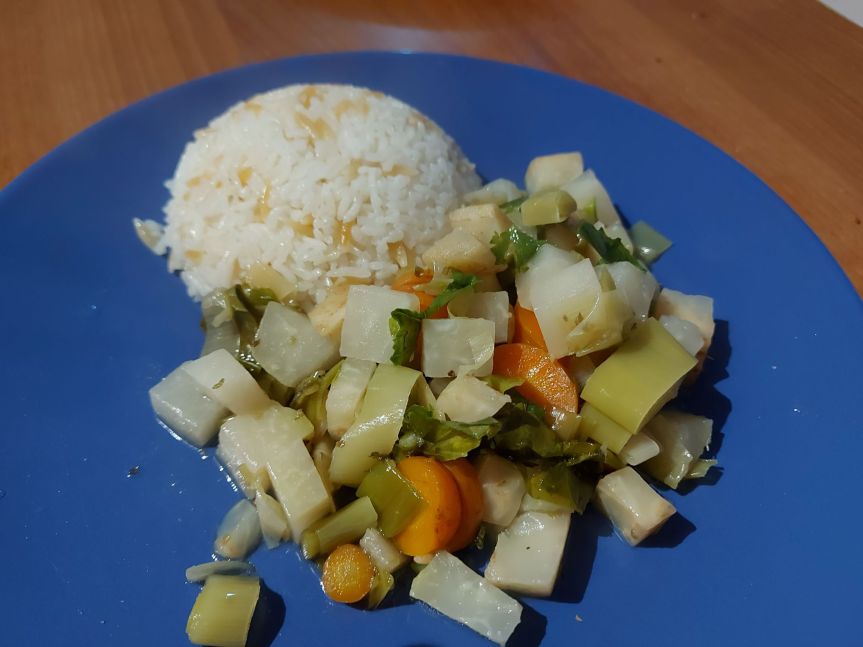
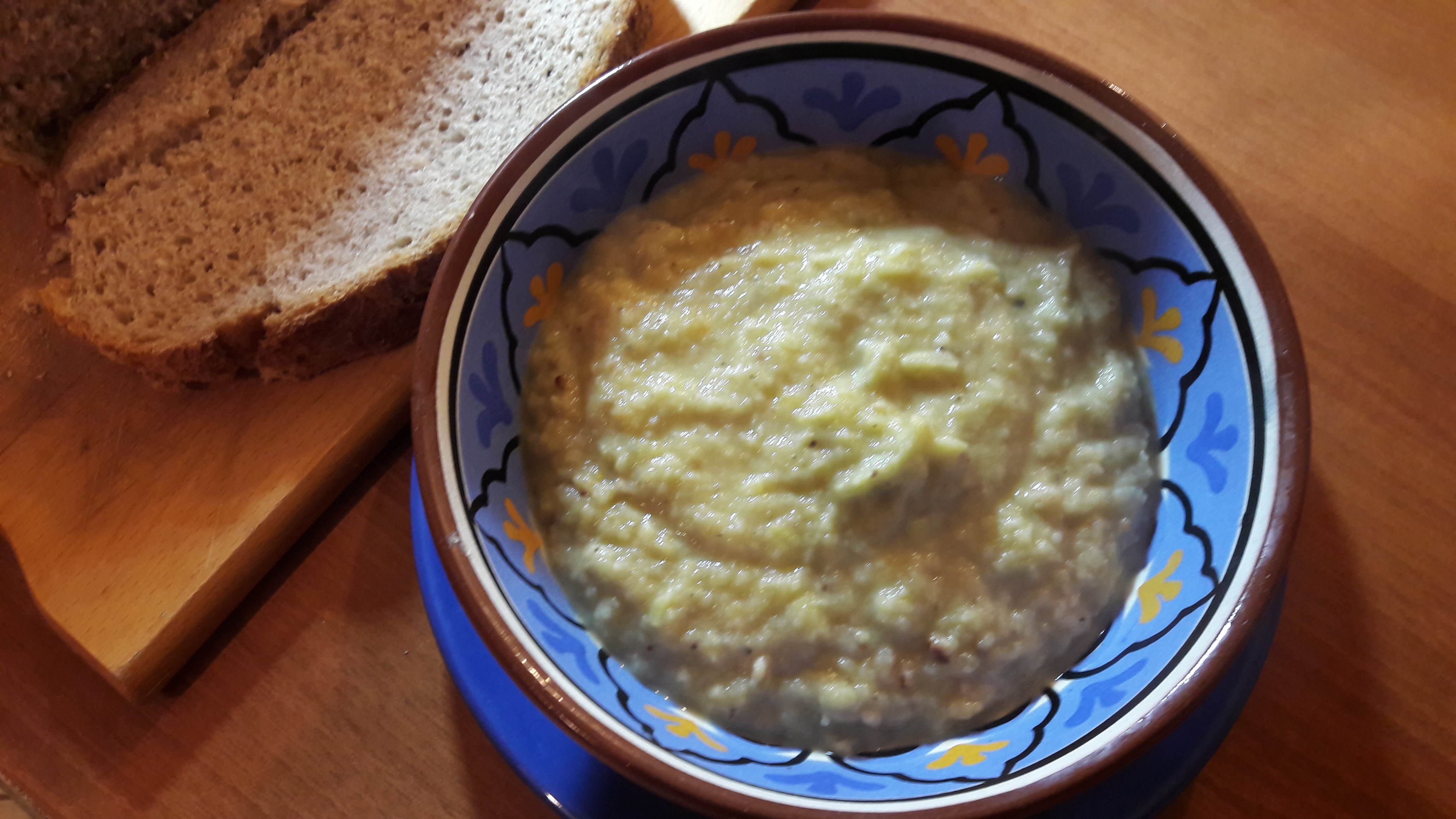
Zeytinyağlı carrot, celeriac, kohlrabi and leek with rice

After spending the winter in Kazakhstan, it was a treat to get back to Turkey with its wider choice of ingredients – it was time to move on from the winter staples, such as pumpkin and potatoes, and dig up some root vegetables that are less seen in Central Asia.

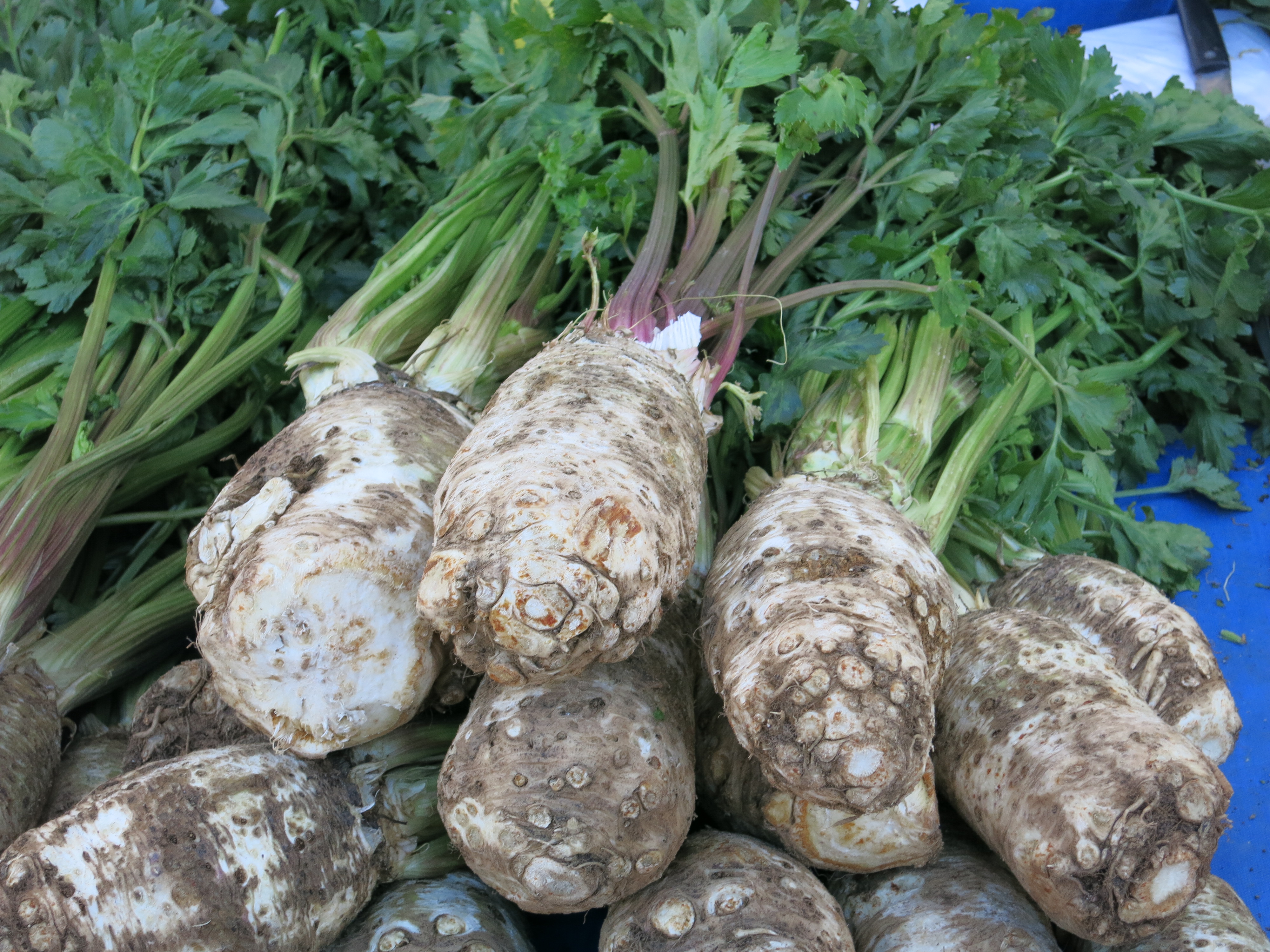
The local market turned up trumps with celeriac, kohlrabi and leeks on sale, perfect for making a zeytinyağlı (with olive oil) dish, so-called as these dishes are prepared with lashings of olive oil.

Standards include green beans (taze fasulye), artichoke (enginar) and leek (pırası). They are a staple of ev yemekleri (home-cooked food) restaurants, lokanta in Turkish, cheap and cheerful canteen-style eateries.
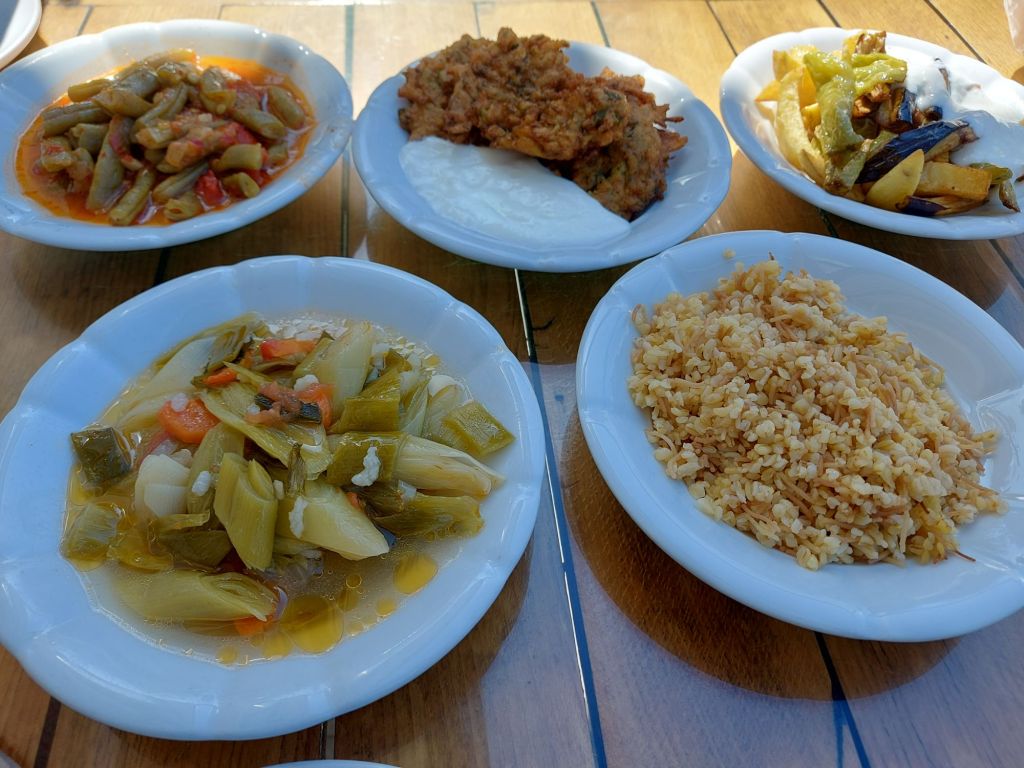
A selection of zeytinyağlı dishes – green beans, leeks and aubergines, green peppers and potatoes – from Datça’s Korsar/Erkin’nin yeri restaurant, located by the harbour

The last few years have seen the price of the key ingredient, olive oil, soar. This is due to numerous factors, including unexpectedly cold and wet conditions at the start of the growing season and drought and forest fires in the summer, that have led to poor harvests in the main olive-producing regions.

Global olive oil production has dropped by a third in just two years, which in turn has led to higher prices for consumers. However, we think it’s still worth shelling out that bit more for a bottle of extra virgin olive oil, as its fruity, peppery flavour adds so much to a cornucopia of delicious dishes, such as this carrot, celeriac, kohlrabi and leek zeytinyağlı  one:

Ingredients (makes 3-4 servings)

  • One medium-sized kohlrabi (approx 200 g)
  • One medium-sized celeriac (approx 200 g)
  • One bunch of baby carrots (approx 200 g)
  • One leek (approx 200 g)
  • One small lemon
  • 75 ml extra virgin olive oil
  • 100 ml vegetable stock
  • Two teaspoons dried oregano
  • One teaspoon sumac

Method

  • Wash the leek well and then cut it into 2 cm slices. Top and tail the carrots, kohlrabi and celeriac, put the leaves and stems to one side, and then peel off the hard outer skin of the kohlrabi and celeriac and chop both into 1 cm cubes. Slice the washed carrots into 2 mm rounds. Roughly chop the leaves and stems from the carrots, kohlrabi and celeriac.
  • Heat 50 ml of olive oil in a heavy-based pan over a low heat and then add the leeks. Stir fry for five minutes and then add the carrots, kohlrabi and celeriac and cook for another five minutes, stirring occasionally. Add the chopped leaves and stems and cook for another five minutes, continuing to stir every now and then.
  • Add the vegetable stock, the juice of the lemon and oregano and cook over a low heat for 15 minutes until all the vegetables are soft but still holding their shape. Stir in 25 ml of olive oil, garnish with sumac and serve with rice and some crusty bread to mop up the juices.

Artful Artichokes Meet Crafty Celeriac in Solstice Showdown

20 December 2018

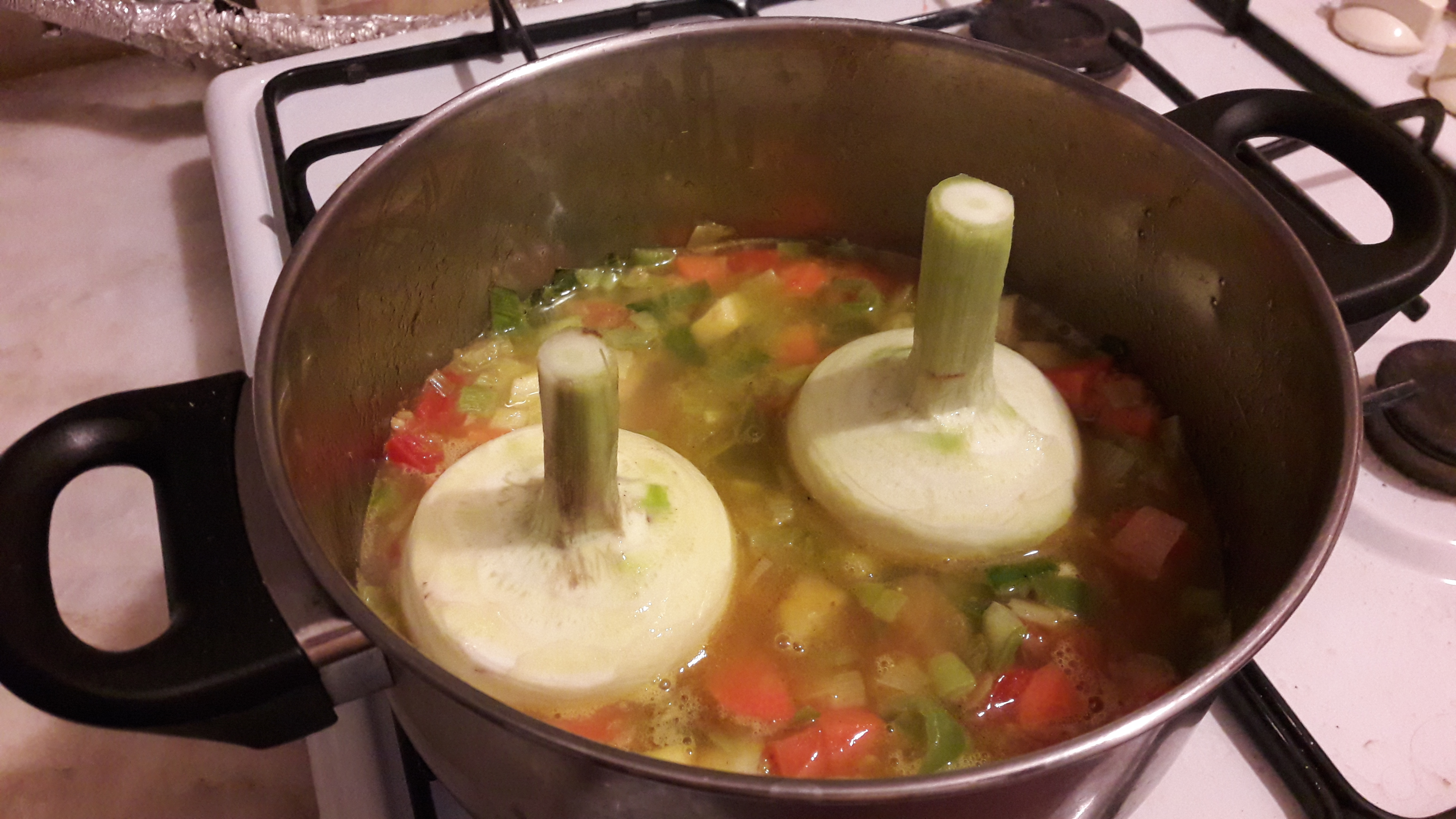
To celebrate the Winter Solstice, we’re combining two of our favourite oddball vegetables  – globe artichokes and celeriac. For the longest night of the year, we’ve come up with phallic artichokes steamed in a hearty winter root vegetable broth – Knidos Cookery Club’s take on the Turkish classic Zeytinyağlı Enginar, a dish of artichokes served with cubed vegetables cooked in olive oil and lemon juice.

20181212_221549
An artful artichoke

To get to the heart of the matter, artichokes need a bit of preparation to reveal the edible heart of the vegetable. If you don’t have a neighbourhood artichoke peeler on the corner of your street, as we do in Istanbul, than check out this link from The Spruce Eats website for some useful tips on removing the fibrous, inedible choke.

20181212_203036
Let the simmering begin

Celeriac, with its bulbous appearance, is an often overlooked root vegetable. It’s nutty taste, with a hint of celery, makes a delicious addition to soups and stews and it’s also great served raw in salads. We’ve used it as a replacement for potato in this Turkish favourite.

Ingredients (for four servings)

  • Four artichoke hearts
  • Two leeks
  • Four small carrots
  • Two small celeriac bulbs
  • Two medium-sized tomato
  • Four green peppers
  • Juice of half a lemon
  • 50 ml olive oil
  • 500 ml cold water
  • Two teaspoons garam masala (or curry powder)
  • Pinch of black pepper

Method

  1. Heat the oil in a heavy based-pan (with a lid) and and  the finely sliced leeks and peppers and cook over a medium heat for five minutes. Cube the carrots and celeriac and stir into the leek and pepper base and cook for a further five minutes. Add the chopped tomato, garam masala and black pepper and cook for five more minutes, stirring frequently.
  2. Pour the water over the vegetables, add the lemon juice and place the artichoke hearts on top of the bubbling veggies. Put the lid on the pan and cook over a low to medium heat for 30 minutes.
  3. Put one artichoke heart on each plate and pour the vegetables and cooking liquid over the top and around the artichoke and serve hot with crusty bread.


Getting Down to the Nuts and Roots

26 January 2017

This time round on Knidos Cookery Club we’re getting back to the roots with a comforting winter soup made from some of our favourite root vegetables, a leek or two and some roasted chestnuts.

20170124_204349
Roasted chestnuts – a winter treat

One of the big events in the world of Knidos Cookery Club so far in 2017 has been the relocation of Datça’s weekly market to a new, purpose-built site. Previously, when the market came to town on Friday and Saturday, it would spill down the hill in the centre of town, causing considerable congestion with the stallholders looking for parking spots and the customers squeezed in-between.

The new site has a covered area for the local fruit and vegetable growers with the other stalls – spices and nuts, clothes, household goods etc., setting up around the covered market. It’s a lot more user-friendly, with plenty of space for shoppers and stall holders.

The last few visits to the market have entailed searching for some of our regular suppliers in the new layout, and we’re pleased to report that most of them have been accounted for!

20170108_222106
A warming bowl of rooty, chestnut pureed soup

In season at the moment are chestnuts – anyone who’s visited Istanbul in winter will probably remember trying fresh roasted chestnuts while on the move around the centre, a delicious snack that epitomises the city in the colder months of the year to me.

There were also root vegetables aplenty – including black carrots (these root vegetables were first cultivated in Afghanistan and were yellow and purple in colour) and celeriac, lengthy leeks and lashings of oranges and lemons. So this week we’ll be making a rooty nutty soup containing celeriac, potato, carrot, leek, shallots and chestnuts.

Ingredients (serves 3-4)

75 g shallots

250 g leeks

250 g celeriac

one medium-sized potato

100 g carrot (black if you can find them!)

500 ml vegetable stock

25 ml olive oil

150 g chestnuts

one teaspoon dried thyme

salt and pepper for seasoning

juice of one lemon

Method 

Fry the finely sliced leeks and chopped shallots in the olive oil, which has been seasoned with dried thyme, over a medium-high heat until just beginning to brown. Peel and dice the celeriac, potato and carrot into 1 cm cubes  and add to the pan of leeks and shallots.

Stir in well to coat the cubed root vegetables with oil and thyme and then add the stock and the juice of the lemon and simmer for 20 minutes over a low-medium heat. While this is bubbling away, score the outside of each chestnut with a cross shape (on one side) and roast the chestnuts in an oven pre-heated to 220 c /gas mark 7.

Check the chestnuts after 20 minutes or so – if they are easy to peel and are roasted sufficiently, then they are ready for use. If not, check every 5 minutes until the shell comes off easily.

Add the peeled chestnuts to the soup pan, stir well and season with salt and pepper to taste. Then use a hand blender to make a smooth, thick soup and serve straight away with hunks of wholemeal bread.

King Celeriac Meets the Olive Oil Uptown

7 April 2016

This week Knidos Cookery Club turns its attentions to celeriac – a knobbly root vegetable of the same family as celery. Celeriac bulbs impart an earthy, nutty flavour with a strident undernote of celery.

IMG_0079

Celeriac, kereviz in Turkish, is found all around the Mediterranean and grows in the cooler months of autumn and winter. It can be used raw and grated into a salad, roasted as a main course, boiled as a side dish, served as mash or in a tasty soup.

In Turkey it’s often served up as a cold side-dish in the zeytinyağlı style, which means it is braised in a generous portion of olive oil, a key ingredient of Turkish cooking.

Zeytinyağlı dishes can be made with any seasonal vegetables that are to hand – from green beans to leeks, and from artichokes to courgettes.

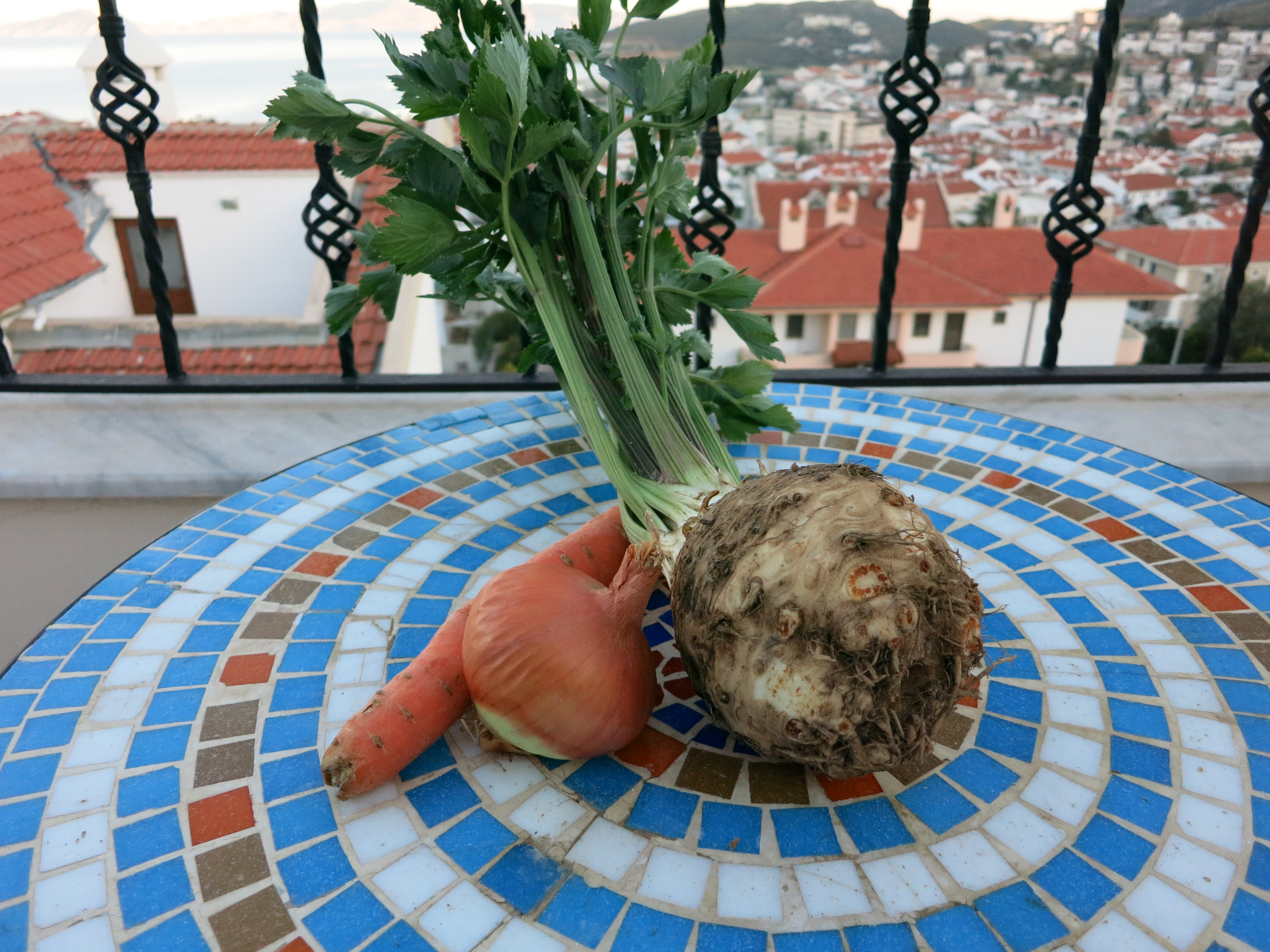
In this week’s recipe, based on Elizabeth Taviloğlu’s, we’ll show you how to get from this …

IMG_0181

… to this

IMG_0202

in a few easy steps using lemon and orange juice, and plenty of olive oil.

Ingredients

One celeriac bulb, peeled and cleaned, retain the stalks and leaves

Two medium carrots

One medium onion

Juice of half a lemon

Juice of two medium-sized oranges

125 ml good quality olive oil (extra virgin if you have it)

100 ml water

Method

Top and tail the celeriac then peel off all the dirt-covered hard outer skin to expose a white bulb. Wash the bulb to remove any lingering soil. Keep the stalks and leaves for later use.

Cut the celeriac in half and then into 0.5 cm slices. Place the slices in a heavy-based saucepan and cover with lemon and orange juice – this is to stop it discolouring.

Next cut the carrot into thin slices, and chop the onion and stalks from the celeriac roughly. Place the carrots, stalks and onion on top of the celeriac.

Pour 100 ml olive oil and 100 ml of water into the pan and bring to a boil.

After the mix boils, reduce the heat and simmer until the vegetables are tender – 20-30 minutes or so.

Allow to cool and then arrange on a plate and sprinkle with more chopped celeriac stalks and leaves. Add a generous drizzle of olive oil and serve.