Mungo Pumpkin Patties

6 October 2016

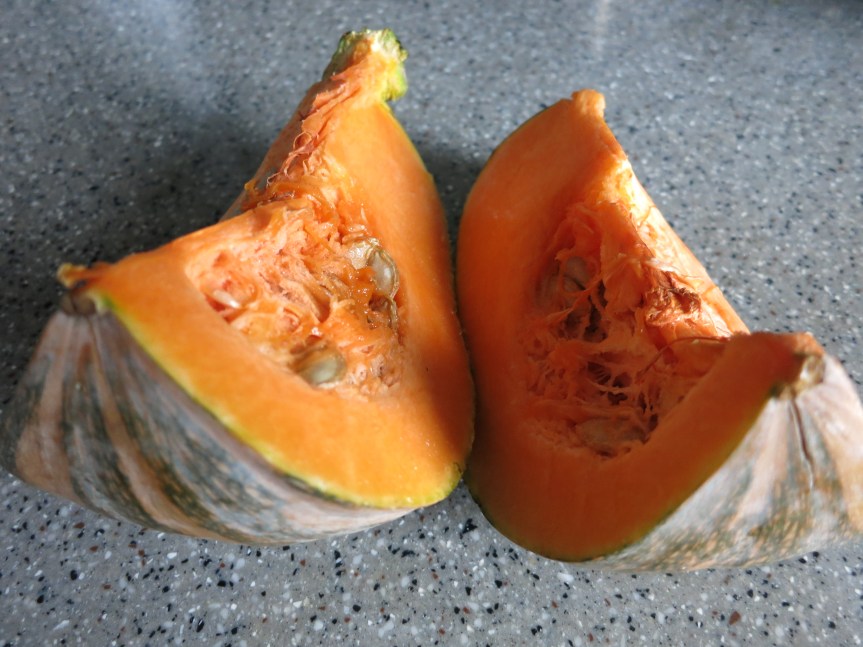
Knidos Cookery Club’s autumnal vibe continues apace with the re-appearance of pumpkins of all shapes and sizes in the market. This is one vegetable that acts as a surefire marker of the onset of longer and chillier nights, with thoughts turning towards the comforting pumpkin-rich soups and stews of winter.
img_2044

In Turkey, pumpkin is often served as a desert – kabak tatlısı , that coats the orange-coloured slices in sugar syrup. Here at Knidos Cookery Club we prefer the savoury approach to pumpkin and have come up with some mung bean, bulgur wheat and mashed pumpkin patties.
pumpkin-patties

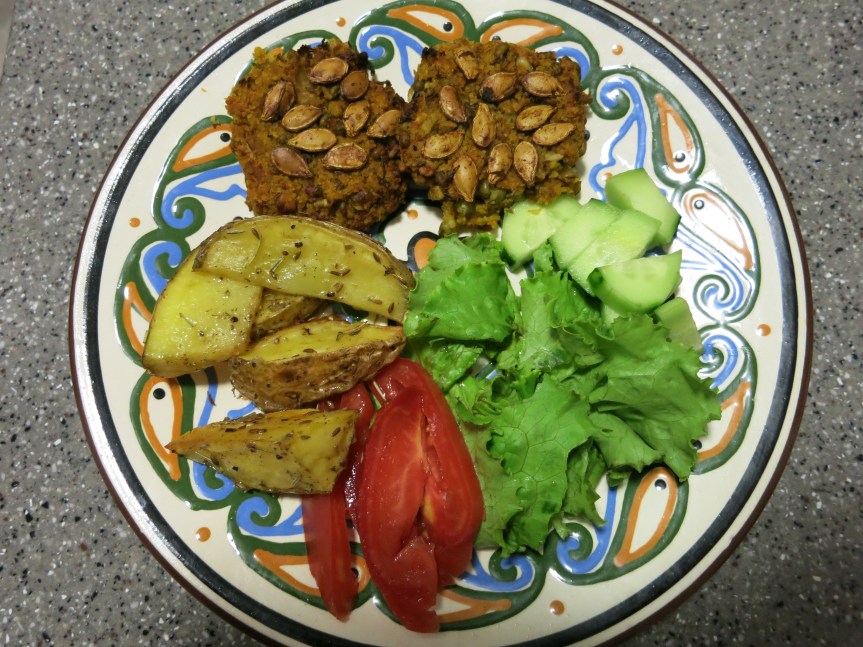
The mung beans add a nutty, earthy flavour that compliments the natural sweetness of pumpkin, while the bulgur wheat helps to hold it all together so the patty can be fried or oven-baked. Roast the seeds and use them to decorate the patties and give tham a bit of crunch.

Ingredients (makes 6-8 patties)

300 g pumpkin

75 g mung beans

50 g fine bulgur wheat

one medium-sized onion

one garlic clove

one teaspoon cumin seeds

one teaspoon dried thyme

black pepper

one teaspoon turmeric powder

25 ml olive oil

250 ml water

Method

Wash and soak the mung beans in cold water for two hours. Then cook in 250 ml water for 45 minutes or until the beans are just starting to go mushy – add more water if necessary.

Cut the pumpkin in half and remove the seeds, retain them to use later. Peel the pumpkin and dice into 1 cm cubes. Finely chop the onion and garlic. Place the pumpkin cubes, onion and garlic in a baking dish and pour 25 ml of olive oil over them. Add the cumin seeds, dried thyme and black pepper and mix well to coat the cubes.

Bake in a pre-heated oven (220 c /gas mark 7) for 45 minutes or until the pumpkin mashes easily with a fork. While the pumpkin mix is cooking, put the seeds on some tin foil and roast in the oven until starting to char a little bit.

Mash the pumpkin mix with a fork or a potato masher and then add the cooked mung beans and blend well. Stir in the turmeric powder and then add the bulgur wheat. Mix well and allow to stand for 30 minutes.

Tak a golf-ball sized portion of the mix and flatten to a round shape. Decorate with pumpkin seeds and shallow fry in oil or oven-bake for 30 minutes at 220 c (gas mark 7).

Serve with roast potatoes or chips and a mixed salad or in a burger bun with toppings of your choice.


Taking the Lor into Your Own Hands

15 September 2016

This week on Knidos Cookery Club we’ll be looking at  lor – Turkey’s answer to ricotta cheese. Drier than its Italian cousin,  lor is made from whey after it has been separated from the curd. It’s used in Turkish dishes such as börek or mixed with herbs and nigella seeds as part of a breakfast spread.

img_1402
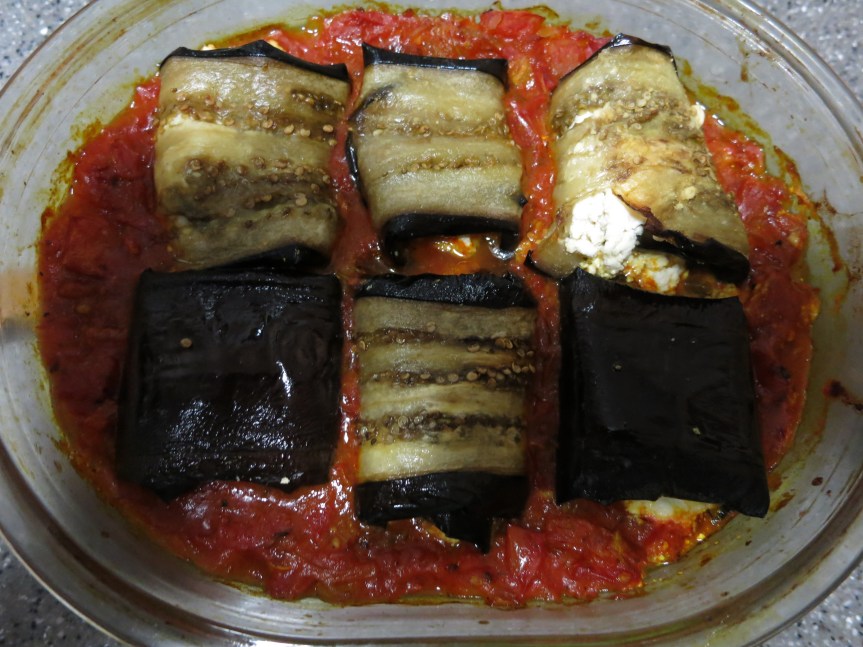
Lor stuffed aubergine slices in a spicy tomato sauce

It’s peak season for aubergines at the moment and we found that this adaptable vegetable paired excellently with lor cheese. We stuffed some slices of aubergine with the cheese, adding some spinach or sorrel leaves to the parcels to give the lor a bit more oomph. The dish was finished off by submerging the aubergine wraps in a spicy, gingery tomato sauce.

wp_20160914_18_29_47_pro
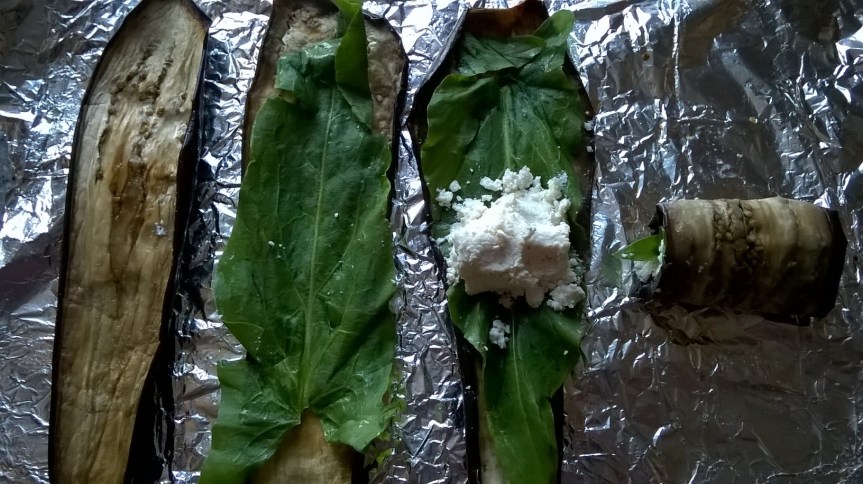
Line up the aubergine slices, add a sorrel leaf and a dollop of lor, then roll

For some reason, this combination of aubergine, white cheese and tomato just works so well.

If you’re having trouble sourcing the lor cheese, it’s dead easy to make yourself from milk or yogurt – here’s some easy-to-follow instructions from Binnur’s Turkish Cookbook.

Ingredients (serves 3-4)

Two large aubergines cut lengthways into 0.5 cm thick slices (this should yield 8-10 slices)

250 g  lor cheese (or ricotta)

Eight-ten sorrel or spinach leaves (one for each aubergine slice)

500 g tomatoes

One medium-sized onion

One or two garlic cloves

3 cm fresh ginger

One teaspoon paprika

One teaspoon chili flakes

One teaspoon turmeric

50 ml olive oil

Method

Brush the aubergine slices on both sides with olive oil, sprinkle some salt and black pepper over the slices and bake for 20 minutes or until turning a golden-brown colour in an oven pre-heated to 220°C or gas mark 7.

While the slices are cooking, prepare the sauce. Heat a glug of olive oil in a frying pan and add the finely chopped onion to the pan along with the minced garlic and ginger.

Cook over a medium heat for ten minutes then stir in the paprika, chili flakes and turmeric. Chop the tomatoes or grate them and pour into the mix. Cook for twenty minutes or so, stirring occasionally, until the sauce is reduced by about half.

Allow the aubergine slices to cool and then make the wraps – put a sorrel or spinach leaf, with the stem removed, and a dollop of lor in the middle of the slice and roll it up.

Pour the sauce into a baking dish and place the aubergine parcels in the spicy sauce. Bake in the oven at 220°C or gas mark 7 for twenty minutes or until the sauce is bubbling.

As usual, serve with a green salad and some crusty bread.


A Spicy Finger in Every Pie

18 August 2016

This week, Knidos Cookery Club is cooking with okra, another vegetable that arouses strong emotions in the love it or hate it camps.

IMG_1103
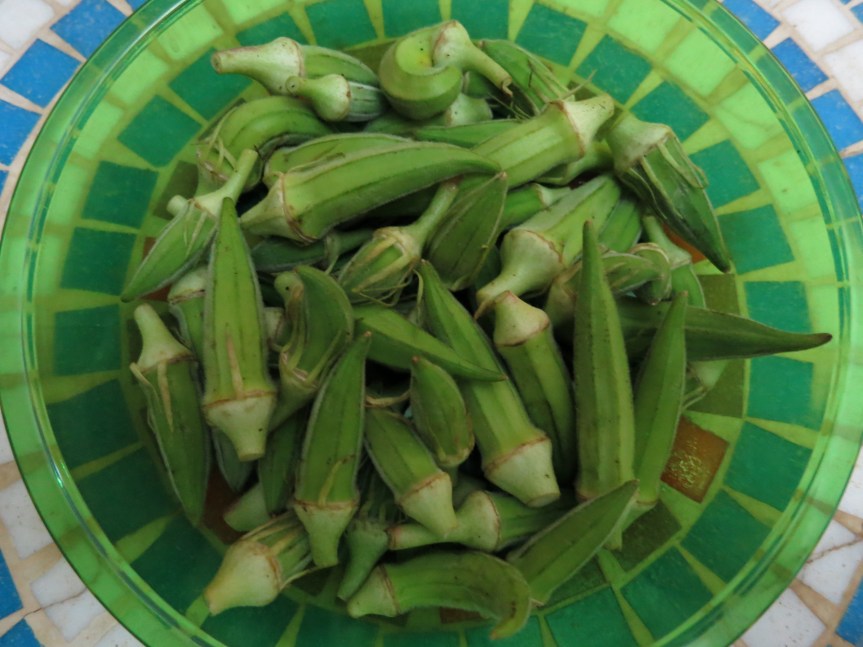
Okra – washed, dried and ready for action

Many are put off this green pod, also known as lady’s fingers, for its tendency to taste a bit slimy at times. This sliminess can be avoided by making sure that after washing, the pods are thoroughly dried before being cooked. Stir frying can also help retain okra’s natural crunchiness.

The origins of okra are unclear – South Asia, West Africa and Ethiopia all make claims to be the home of this vegetable. Okra was brought to Turkey by Arab merchants and is known by its Arabic name, bamya.  It’s often cooked with olive oil and tomatoes and served as a side dish in Turkey.

IMG_1111
Bhindi bhaji – dry okra curry

Our favourite recipe for okra is to prepare it Indian-style, stir fried with spices to make a dry bhindi bhaji, which works as a standalone dish or can be accompanied with a lentil dhal and rice combo.

Ingredients (serves 3-4)

500 g okra washed and dried

250 g tomatoes

One medium-sized onion

One clove of garlic

1 cm fresh ginger

One teaspoon mustard seeds

One teaspoon cumin

One teaspoon dried coriander

One teaspoon cinnamon

One teaspoon turmeric

One teaspoon chili flakes

50 ml olive oil

Method 

Heat the olive oil in a frying pan and tip in the mustard seeds. When the seeds begin to pop, add the diced onion and garlic and cook for five minutes or so until just starting to brown. Add the spices (ginger, cumin, coriander, cinnamon, turmeric and chili flakes) and stir well.

Throw the tomatoes into the spicy onion mix and cook for another five minutes or so until the tomatoes begin to break up. Now add the okra and stir fry for ten minutes, making sure the okra are well-coated with the curry sauce.

Serve immediately with a lentil dhal and basmati rice or chapatis, or both if you’re feeling famished.


Steampunk Dumpling

28 July 2016

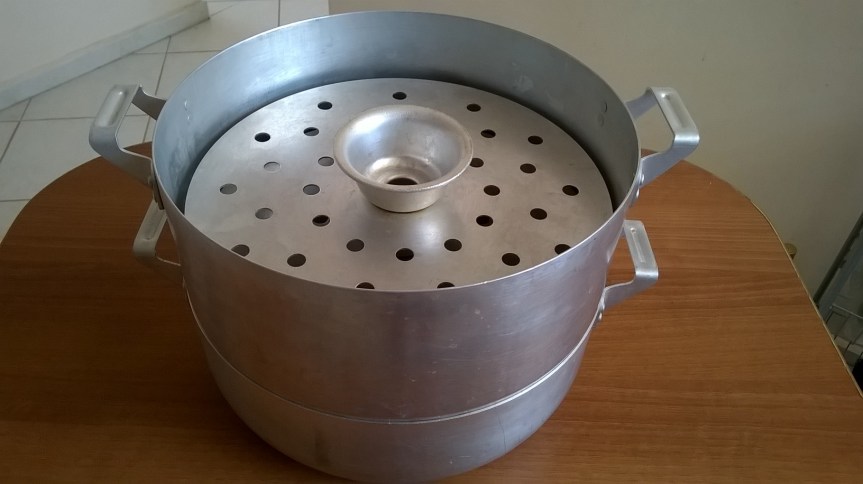
This week in Knidos Cookery Club we’re cooking with steam. A few years back the Knidos Cookery Club kitchen inherited a dumpling steamer which has remained unused as expertise from the East was awaited.

WP_20160727_14_38_29_Pro

This week, two guest chefs have landed in the Knidos kitchen to provide a masterclass in steam dumplingology. The dumpling has taken many forms in its journey westwards for China, but the basic combo of filled dough and boiling water has remained constant.

In Central Asia, manti are steamed in a special pan, as in China. In Russia,Ukraine and Georgia, pelmeni, vareniki and khinkali are cooked in boiling water, like their Italian cousin ravioli and Turkey’s scaled-down take on manti.

Sticking with our vegetarian vibe, our guest chefs prepared some veggie-friendly versions of this usually meat-heavy treat. The version they cooked up was a large rolled dumpling known as orama in Uzbek and Kazakh (orama means ‘roll’).

20160725_234837

The first step was to make the dough and, while this was resting, the veggies were chopped up. The filling is cooked by steam so there’s no need to pre-cook the veggies. for the meaty version, use chopped mince (meat according to your taste and desire), sliced onions and grated potato as a filling.

Ingredients (for around 10 orama)

For the dough:

500 g flour (we used wholemeal for a thicker dough)

200 ml water

One egg

25 ml olive oil

For the filling:

Two medium-sized potatoes grated

Two medium-sized carrots grated

One onion finely sliced

One medium-sized aubergine cubed

100 g mixed fresh herbs (parsley, mint, basil, dill)

100 g spinach or rocket

Pinches of salt and pepper for seasoning

Method 

For the dough: Pour the flour into a large mixing bowl. Make a well in the centre of the flour and crack the egg in. Slowly add the water and mix thoroughly. knead the dough until it goes spongy. Allow it to rest for 30 minutes or so.

For the filling: Combine all the ingredients in a large bowl.

Ready to roll: Now take a golf-ball sized lump of dough and roll it out on a floured surface with a rolling pin. Keep on rolling it as thin as you can (until it starts to break up). Brush the inside with olive oil, pile filling on top and roll into a crescent shape. Place on the steamer tray, which has been greased with olive oil to prevent the dumplings from sticking.

Ready to steam: Fill the bottom of the dumpling steamer around one-third full with water and bring to the boil. Place the steamer trays on top of each other, put the lid on and steam over a low to medium heat, maintaining a rolling boil, for 45 minutes or so.


You Like Tomato, I Like Ntomato

23 June 2016

Knidos Cookery Club’s fact-finding mission to Greece continues with a look at the contribution of the tomato to local culinary culture.

It may be hard to believe, but it is only in the last two hundred years that the tomato has established itself as a key ingredient in Greek kitchens.

Kos June 2016 025
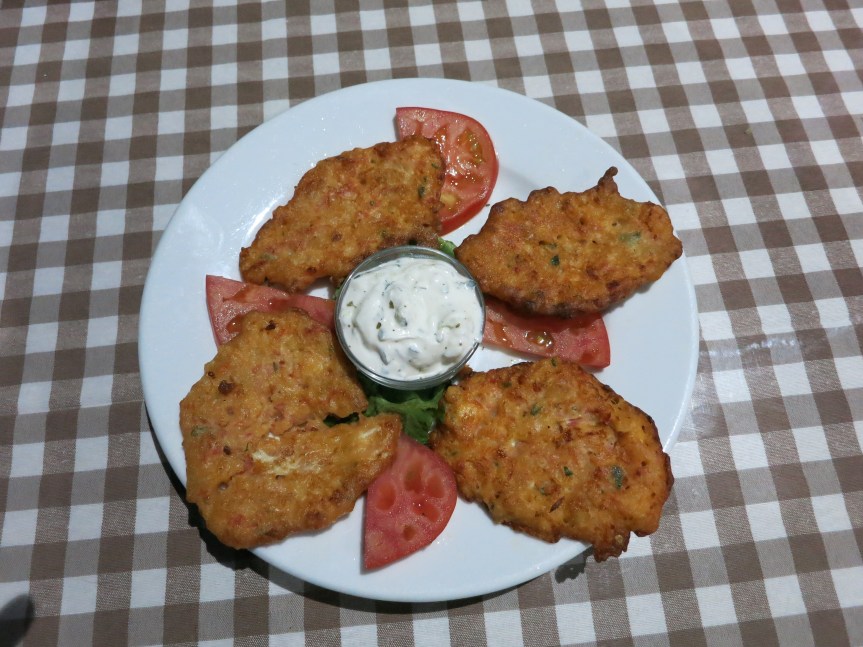
A plate of tomato fritters from Kos, Greece

It’s found in the classic horiatiki salad that pairs it with cucumber, onion, green pepper, olives and feta cheese. It plays a key role in gemista, platters of vegetables stuffed with rice.

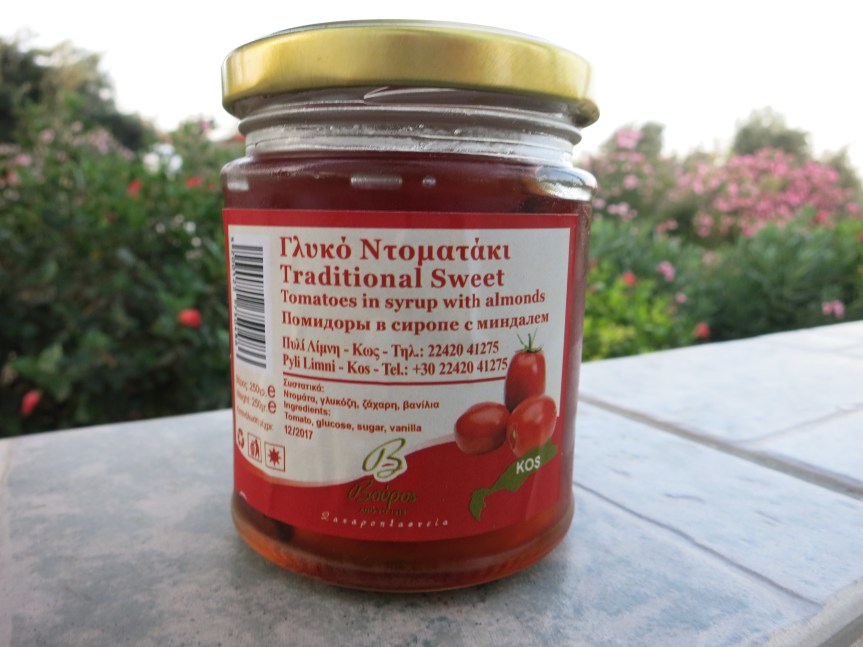
On the island of Kos the sweet local varieties of tomatoes are preserved in syrup or made into jam that makes an orange marmalade rival for a slice of toast.

Kos June 2016 041
Tomatoes preserved in syrup with almonds from Kos, Greece

In Greece the tomato is called ντοματο, pronounced with a ‘d’ sound at the beginning. Modern Greek has no single letter for the ‘d’ sound and uses the letters for ‘n’ and ‘t’ to make this sound.

This week Knidos Cookery Club is serving up tomato fritters, a close cousin of Turkey’s mücver. We’ve used plum tomatoes as they tend to be a bit less juicy than other varieties. The mix needs to find a balance between not being too dry or too wet for the fritters to hold together in the pan.

Ingredients (makes 10-12 fritters)

500 g plum tomatoes

One medium-sized red onion

Fresh herbs – small bunches of parsley, basil and mint or a teaspoon of dried parsley, basil and mint

100 g plain flour

Seasoning mix – pinches of salt and pepper, one teaspoon of cinnamon and one of cumin

Olive oil for frying

Method

Grate the tomatoes and mix with the herbs and flour until you have a mix that is neither too dry nor too wet.

Heat the oil in a frying pan and when hot add fritters made into walnut-sized shapes and flatten with a fish slice or spatula.

Cook on both sides until golden brown in colour and serve with a sauce of natural yogurt, grated cucumber and garlic.