Almaty Apple Spritz: A Cocktail for the (Old) New Year

11 January 2024

We’re almost two weeks into 2024, but in some parts of the world the new year is marked according to the Julian calendar rather than the Gregorian, which means that Old New Year’s Eve is celebrated on 13 January. This date is still marked in many parts of Eastern Europe. It’s also celebrated in parts of Wales, where it’s called Hen Galan (old new year), and some parts of Scotland, on 12 January .
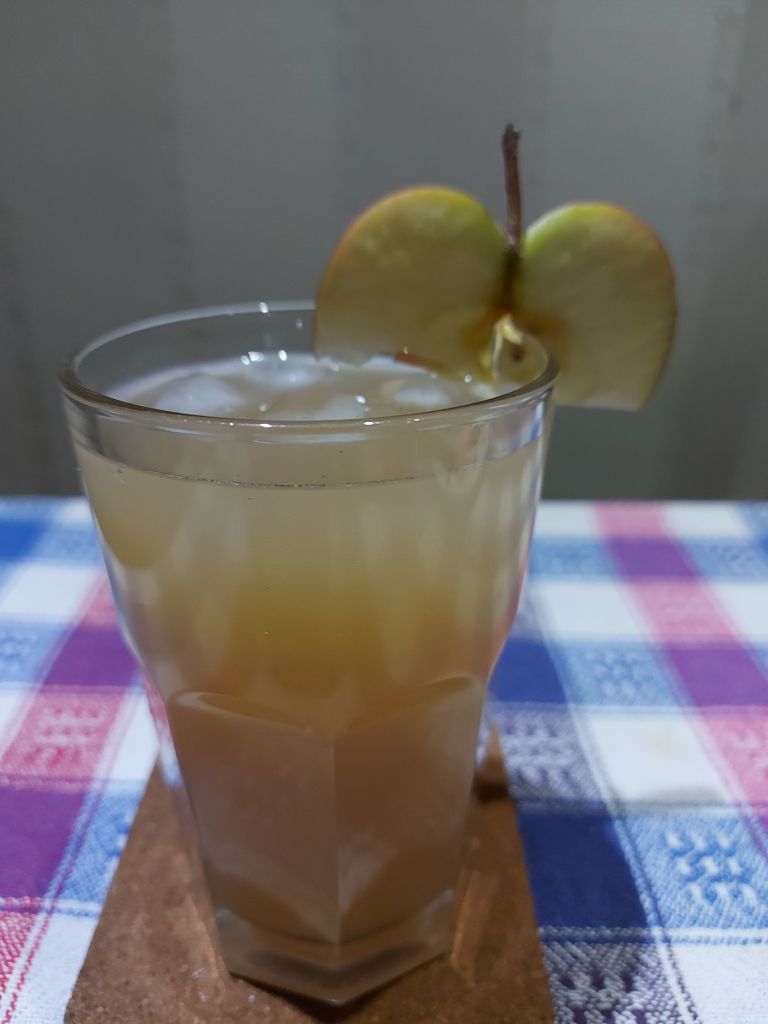
Cheers, and Happy Old New Year, with an Almaty Apple Spritz!

Here at KCC, we regard old new year as the end of the holiday season, allowing a few weeks of respite before Chinese New Year! To mark the occasion, this cocktail combines cloudy apple juice with a cinnamon-infused cold brew. To see off the old year with a kick, add some shots of vodka to this apple spritz.

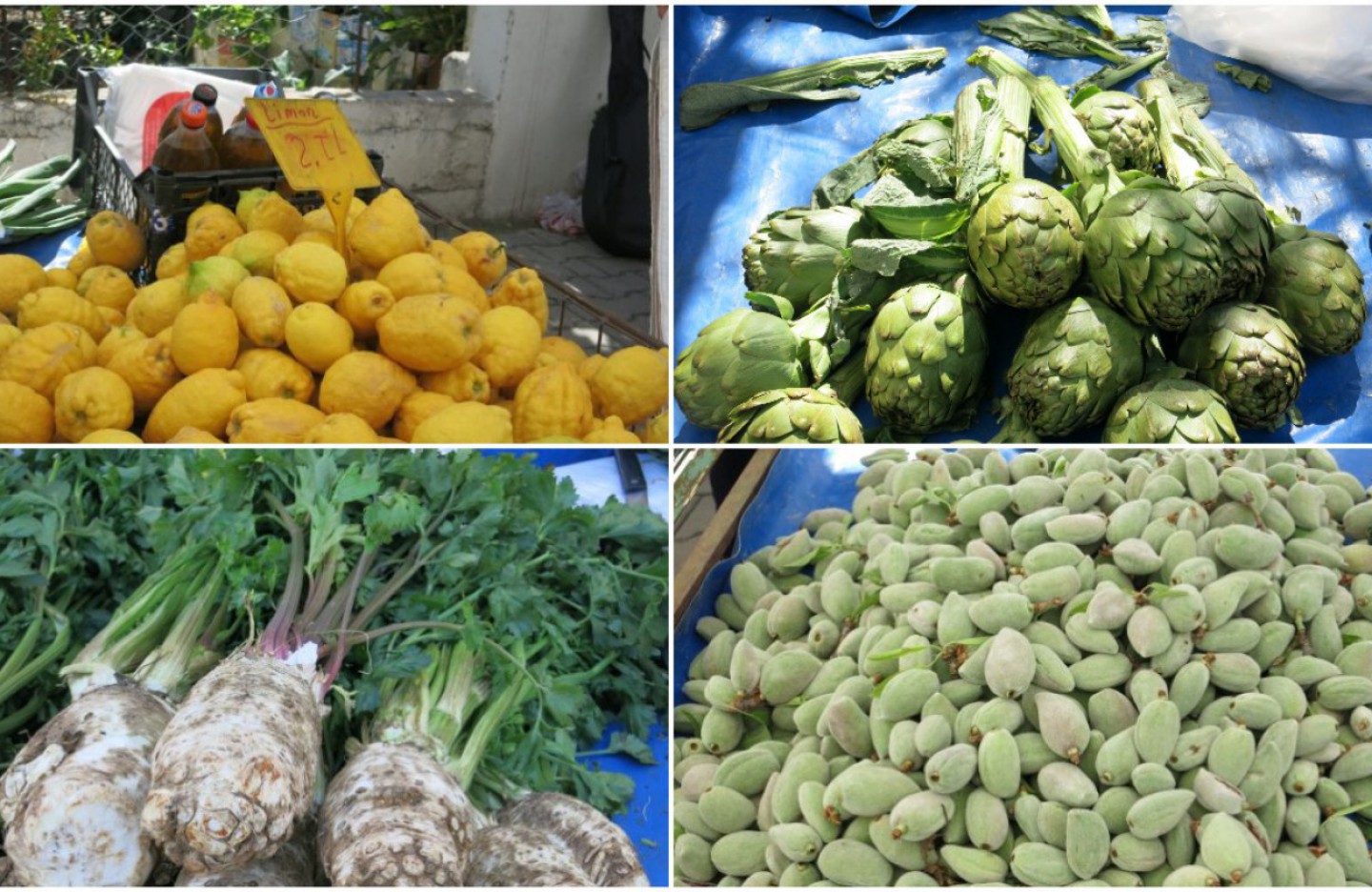
Any apple juice can be used – we used a local one from Almaty, Kazakhstan that’s free from extra sugar and other additives and is naturally cloudy. Almaty, whose name translates as “place of apples”, is where the antecedents of today’s apples evolved.
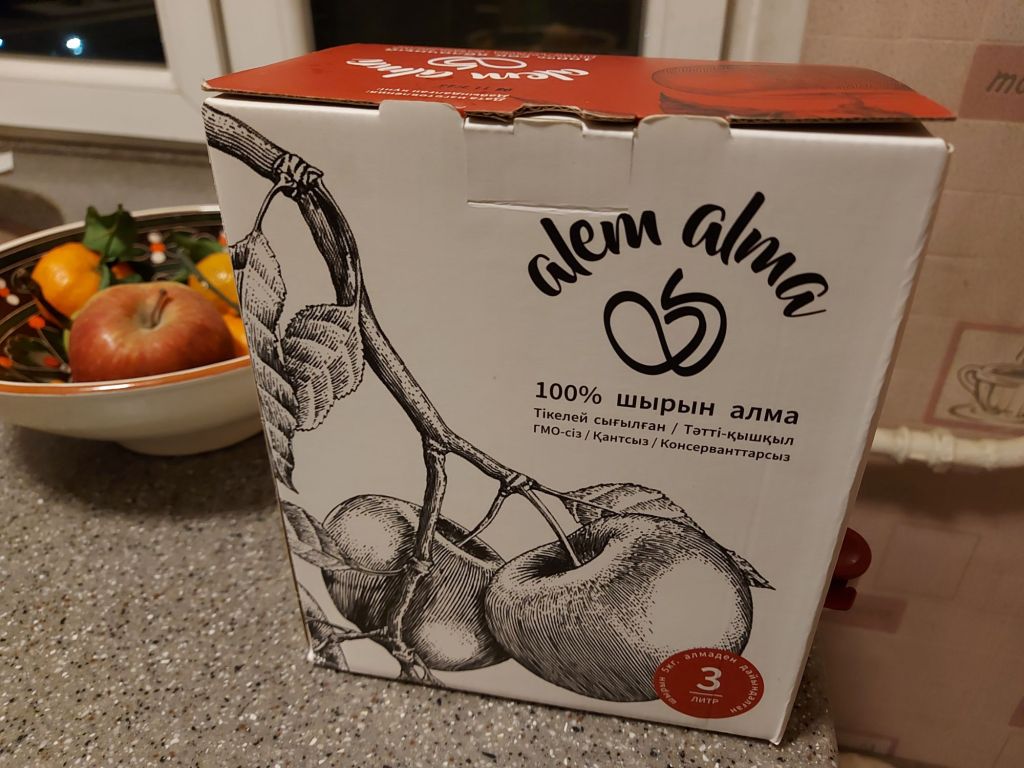
Apples are from Almaty!

To make the cold brew, add a cinnamon stick, or a teaspoon of powdered cinnamon, five cloves, two teaspoons of fresh ginger and a pinch of nutmeg to a litre of cold water. Shake well and leave overnight in the fridge.

For one serving of the the Almaty Apple Spritz, put some ice cubes into a tall glass, pour in 25 ml of any vodka of your choice (or 50 ml if you want to get a jag on, if you’re doing dry January, just omit the vodka!). Add 75 ml of the cinnamon cold brew, 50 ml of apple juice and top up with fizzy water, garnish with a slice of apple and stir before drinking.

This cocktail also works well warmed up (you don’t need the ice or fizzy water).The spices and apple juice evoke a cosy mulled cider vibe. Simply heat until it’s just about to boil and serve asap. A recommended food pairing is with KCC’s coleslaw variation or a traditional new year Olivier salad.

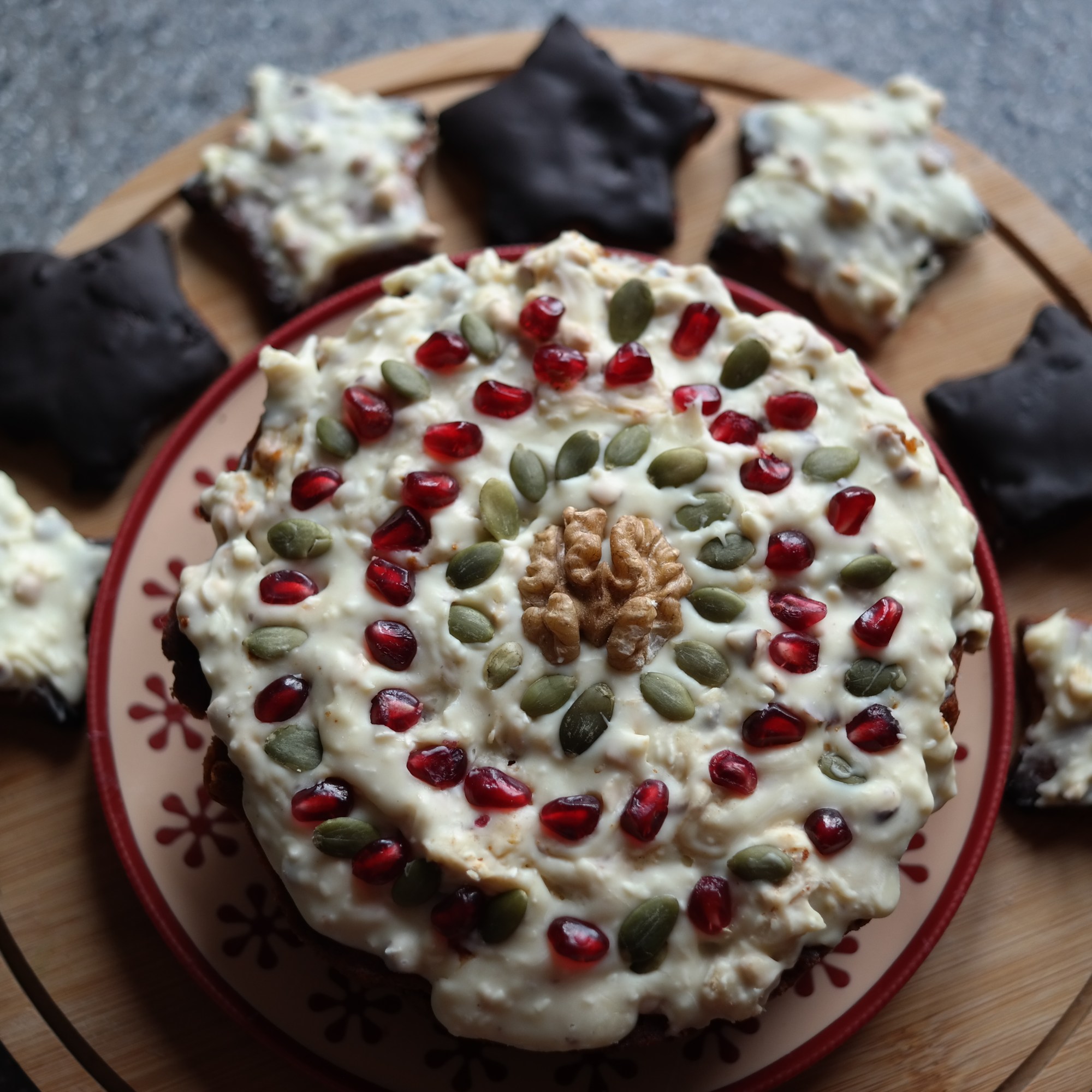
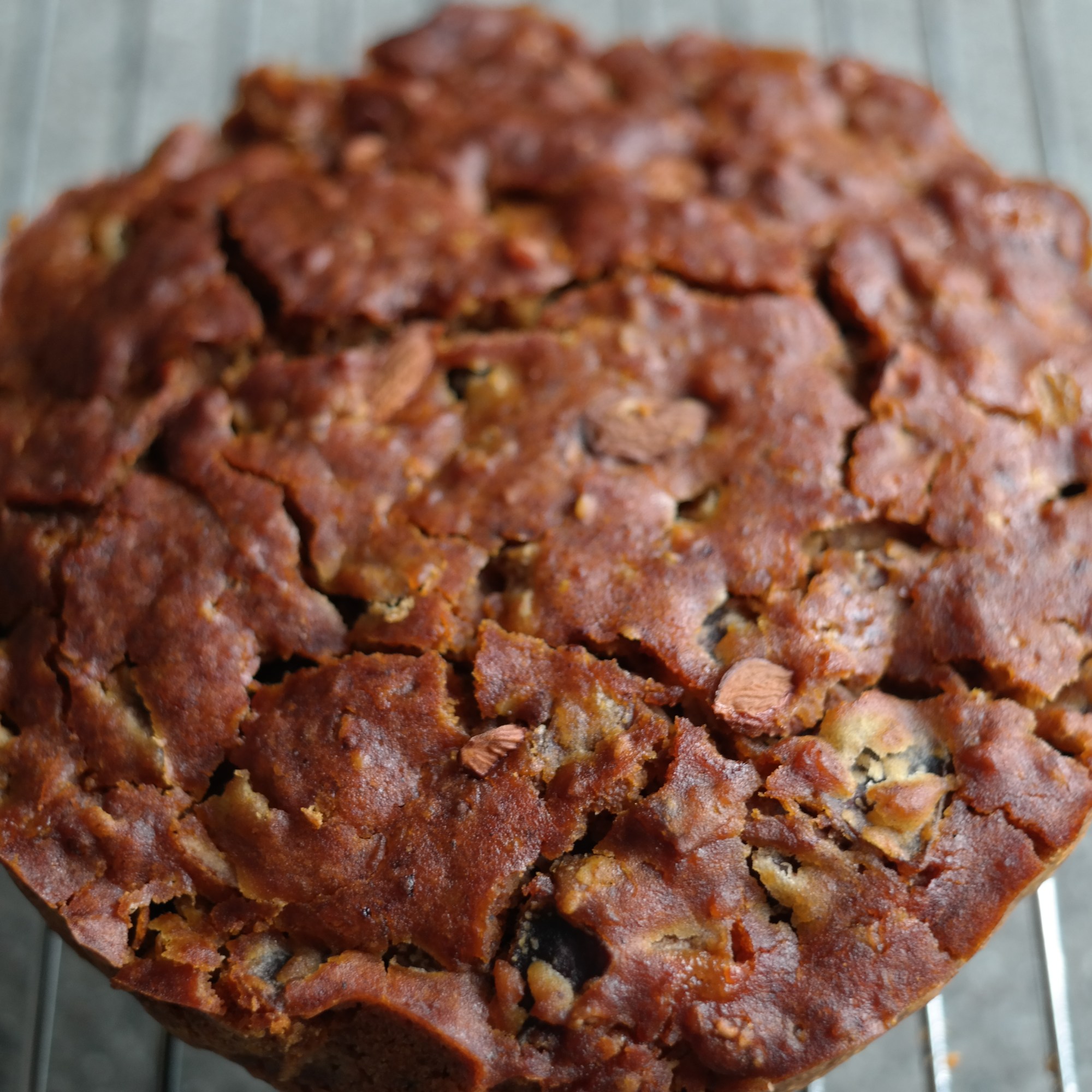
Let Them Eat KCC’s Vodka-fuelled Festive Fruitcake

6 January 2021

If you’re feeling down after all the partying in December, then never fear as Russian Christmas is here! To help celebrate it in style we’ve opened up our Vodkatopf (a slavic cousin of the Rumtopf) and used the fruit that’s been stewing in the vodka since summer to make a booze-infused fruitcake.

In Russia, Christmas is celebrated on 7 January – the Orthodox Church still follows the Julian calendar rather than the Gregorian calendar whereas Russia switched to the latter in 1917. The switch created a 13-day lag between the calendars so, for followers of the Orthodox faith, Christmas Eve falls on 6 January and 13 January marks the end of the old year

To make the vodkatopf we poured vodka over layers of different fruits as they appeared over the summer. The apricots, cherries and raspberries of early summer were followed by peaches and plums to make a great , fruity vodka for shooting or mixing. As an added bonus, the preserved fruit went into a the fruitcake mix. We decorated the cake with melted white chocolate and crushed almonds and used pumpkin and pomegranate seeds as the finishing touch.

Ingredients (for 6 – 8 servings)

  • 325 g vodka-soaked mixed fruit (soak overnight in 250 ml vodka or other spirit if using dried fruit)
  • 90 g olive oil
  • 100 g honey (or golden syrup for a vegan cake)
  • 175 g plain flour (we used rice flour for a gluten free cake) 
  • 50 g mixed nuts 
  • 100 ml coconut milk
  • 25 g desiccated coconut
  • One teaspoon baking powder
  • One teaspoon each of cloves, ginger, nutmeg and cinnamon
  • 25 ml vodka
  • 100 g melted white chocolate
  • pumpkin and pomegranate seeds to decorate the cake

Method

  • Line a 15cm cake tin with a double layer of parchment paper, this will help stop the cake from burning
  • Sieve the flour and combine with the coconut milk, vodka, 30 g of chopped nuts, desiccated coconut, baking powder, cloves, ginger, nutmeg and cinnamon and stir together to make a thick batter
  • Melt the honey into the olive oil in a heavy-bottomed pan over a low heat and stir.
  • Combine the honey and oil mix with the batter.
  • Stir in the soaked fruits into the batter, along with any leftover liquid.
  • Layer the batter into the prepared tin and use a spatula to spread it level. 
  • Melt the white chocolate in a glass or ceramic bowl over a pan of boiling water.
  • Spread the chocolate evenly over the top of the cake, sprinkle some mixed nuts over the icing and then decorate with pomegranate and pumpkin seeds.

Brandy Almonzandas All Round!

It’s time to kick back and enjoy a cocktail or two as this week we’re celebrating Knidos Cookery Club’s first anniversary.

20170331_210127

Our first post was made on 31 March 2016, and over the last year we’ve been on a journey that has taken in many seasonal dishes from Turkey and guest appearances inspired by travels to Greece, Georgia, Iceland, Kazakhstan and Uzbekistan.

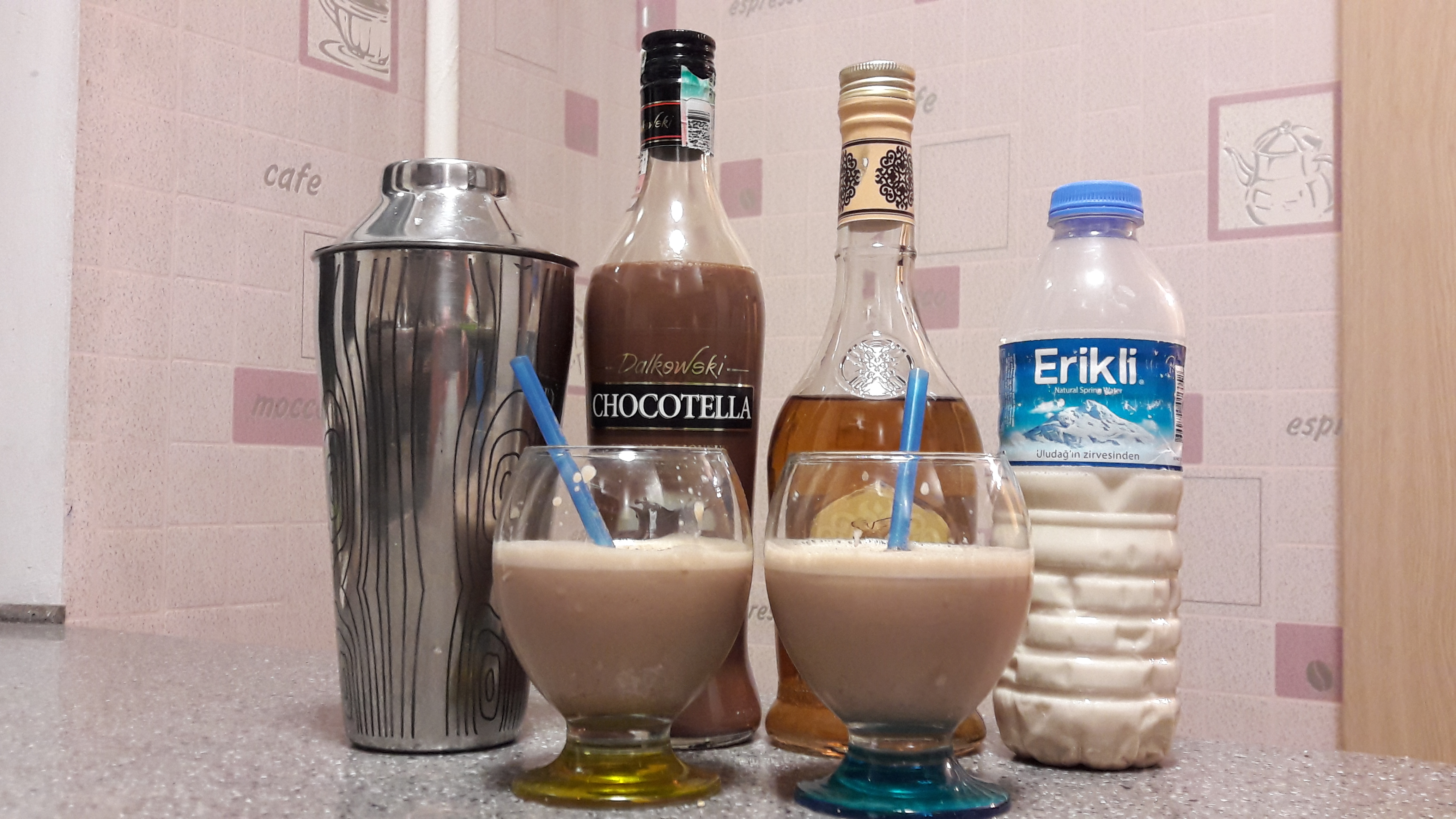
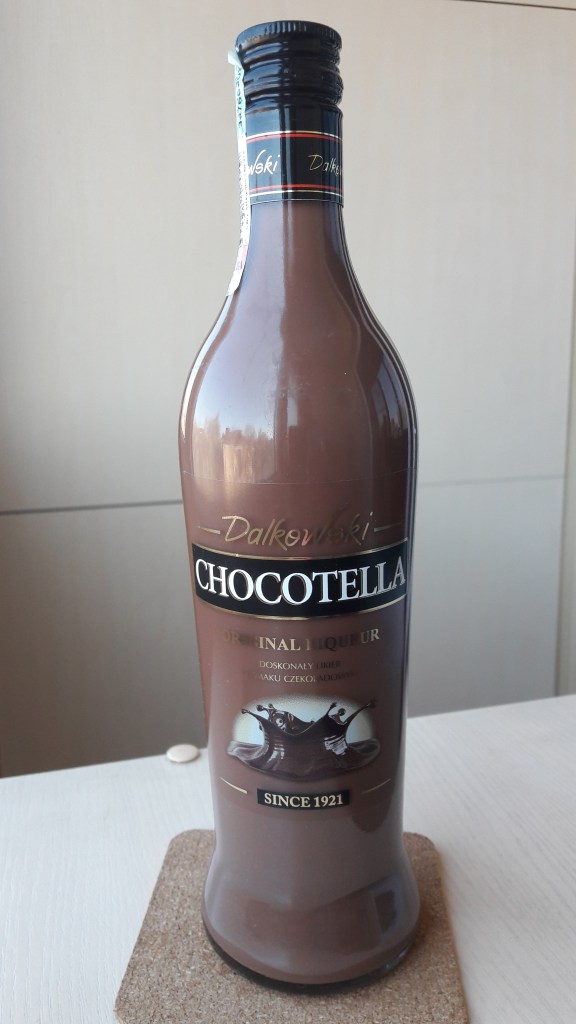
To celebrate this momentous milestone, we’ve gone back to our roots in Datça, Turkey and come up with our second ever cocktail – the Brandy Almonzanda, a very close relative to the Brandy Alexander, a creamy combination of brandy, homemade almond milk and Dalkowski Chocotella (we couldn’t find Creme de Cacao) with a dusting of grated nutmeg on top.

20170331_153140
Dalkowski Chocotella – a chocolate liqueur from Poland

Datça’s tasty almonds, badem in Turkish, are rightly famous all over Turkey – I remember sitting on a terrace in Istanbul’s Beyoğlu district, back in the days when it still had tables on the street, when a guy came round selling ice-chilled Datça almonds.

IMG_20170107_164230_152
A cup of frothy almond coffee served up at Karia Cafe, Datça, Turkey

Not content with selling the raw nuts, adding them to rice in a stuffed melon or adding them to local mezes, many enterprising cafes along the town’s beachfront have started offering Datça almond coffee – a frothy concoction made from the peninsula’s staple product.

Almond coffee came about because of the isolated position of Datça and the Knidos Peninsula. Sometimes bad weather would mean that supplies of coffee beans could not make it onto the peninsula so the locals made do with something they had in abundance – almonds.

For our Brandy Almonzanda we’ve prepared our own almond milk – it’s pretty easy to do: just soak the raw (unsalted) nuts overnight (or up to 48 hours – the longer you leave them, the better the milk tastes), adding a pinch of salt, a cinnamon stick and a date (we didn’t have any dates so we used some dried apricots).

After soaking overnight, drain and rinse the nuts in fresh water and then put in a blender with 400 ml of cold water and blend to a smooth paste. Strain the almond milk to remove any remaining bits in a metal strainer, using a wooden spoon to press out all the liquid – this will produce around 450 ml – and, hey presto, your almond milk is ready!

To make the cocktail, pour one part of brandy, one part of Creme de Cacao (or similar) and two parts almond milk into a cocktail shaker filled with ice. Shake vigorously and pour into suitable glasses, sprinkle nutmeg over the top, add a straw and serve immediately.