The courgette is one of the most versatile vegetables in the Knidos Cookery Club kitchen. Earlier it featured in a stuffed platter and as a fritter. We also like it in an omelette, in a börek or just sliced and grilled on the barbecue.
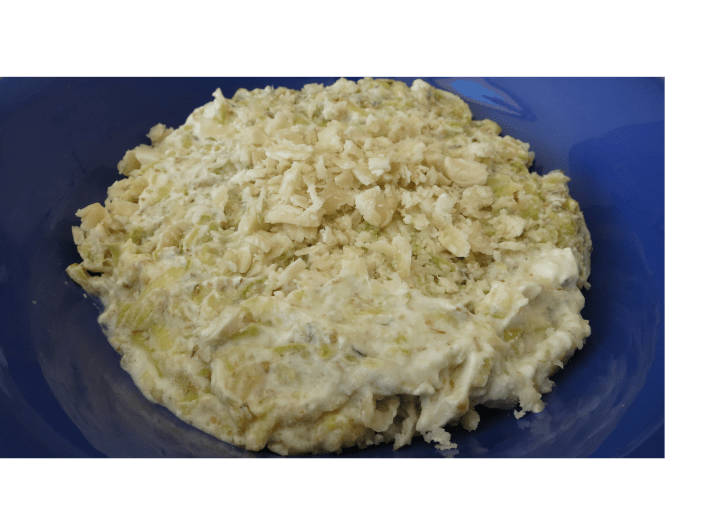
Creamy Almond and Courgette Dip
This week we’ve incorporated this key ingredient into a creamy almond and courgette dip that can be used as part of a starter, or meze, combo with other dips such as our Carrot and Walnut Tarator.
Yogurt and chopped almonds were added to the grated courgette to make it creamy and some wholemeal flour was used to hold it all together.
Ingredients (Serves 3-4)
250 g grated courgette
100 ml plain, natural yogurt
50 g wholemeal flour
50 g chopped almonds
One garlic clove
25 ml olive oil
Method
Heat the olive oil in a frying pan over a medium heat then add the grated courgette and garlic and stir fry for five minutes. Add the flour and stir fry for two more minutes. Take the frying pan off the heat, mix in the yogurt and almonds, reserving a few nuts to sprinkle over the top.
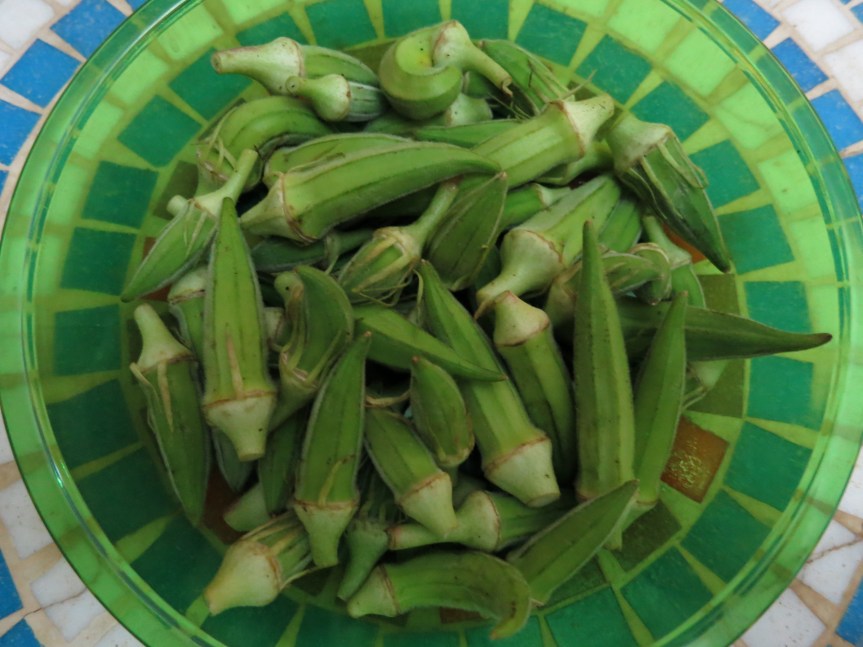
This week, Knidos Cookery Club is cooking with okra, another vegetable that arouses strong emotions in the love it or hate it camps.
Okra – washed, dried and ready for action
Many are put off this green pod, also known as lady’s fingers, for its tendency to taste a bit slimy at times. This sliminess can be avoided by making sure that after washing, the pods are thoroughly dried before being cooked. Stir frying can also help retain okra’s natural crunchiness.
The origins of okra are unclear – South Asia, West Africa and Ethiopia all make claims to be the home of this vegetable. Okra was brought to Turkey by Arab merchants and is known by its Arabic name, bamya. It’s often cooked with olive oil and tomatoes and served as a side dish in Turkey.
Bhindi bhaji – dry okra curry
Our favourite recipe for okra is to prepare it Indian-style, stir fried with spices to make a dry bhindi bhaji, which works as a standalone dish or can be accompanied with a lentil dhal and rice combo.
Ingredients (serves 3-4)
500 g okra washed and dried
250 g tomatoes
One medium-sized onion
One clove of garlic
1 cm fresh ginger
One teaspoon mustard seeds
One teaspoon cumin
One teaspoon dried coriander
One teaspoon cinnamon
One teaspoon turmeric
One teaspoon chili flakes
50 ml olive oil
Method
Heat the olive oil in a frying pan and tip in the mustard seeds. When the seeds begin to pop, add the diced onion and garlic and cook for five minutes or so until just starting to brown. Add the spices (ginger, cumin, coriander, cinnamon, turmeric and chili flakes) and stir well.
Throw the tomatoes into the spicy onion mix and cook for another five minutes or so until the tomatoes begin to break up. Now add the okra and stir fry for ten minutes, making sure the okra are well-coated with the curry sauce.
Serve immediately with a lentil dhal and basmati rice or chapatis, or both if you’re feeling famished.
Welcome to the tenth edition of Knidos Cookery Club! This calls for a celebration and this week we’ll be looking at some snacks and starters commonly associated with Turkey’s favourite alcoholic tipple, rakı.
A classic sundowner set with rakı, white cheese and cucumber
Rakı is a member of the family of anise-flavoured drinks common to many countries with coastlines on the Mediterranean Sea – ouzo in Greece, pastis in France, sambuca in Italy, arak in Lebanon and chinchón in Spain.
When rakı is diluted with water, it turns a milky white colour leading to its Turkish nickname, aslan sütü, or lion’s milk. It’s drunk as an aperitif and is accompanied by white cheese and cucumber. In spring and early summer, it’s often served with tart, sour green plums, known as can erik.
Sour plums
Rakı also accompanies a long, lazy lunch or evening meal with the drink served alongside a selection of mezeler, or appetizers that include, among many others, a spicy tomato and chili paste, acılı ezme, yogurt, grated cucumber and crushed garlic, cacık, and semizotu, purslane mixed with yogurt. These starters are usually followed by a grilled fish course and the meal is finished with slices of fresh melon.
The new season’s carrots have arrived!
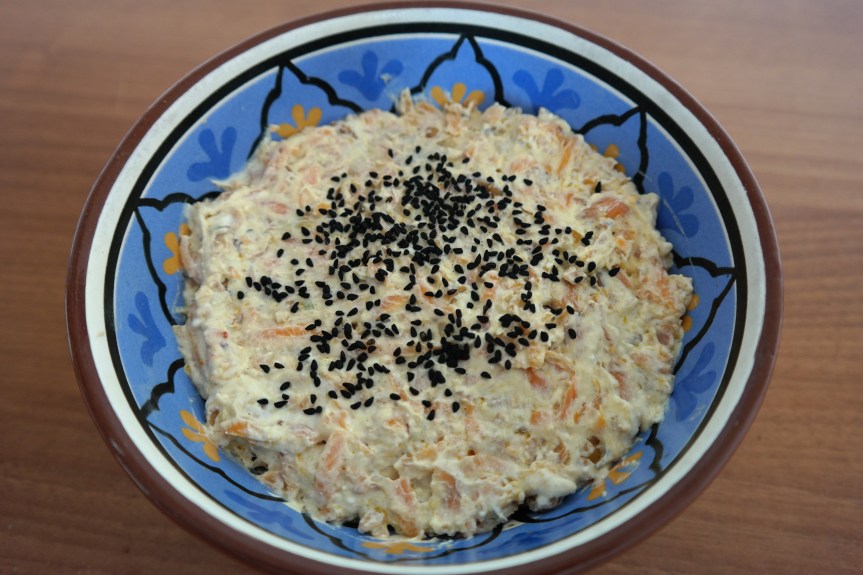
We couldn’t resist these great carrots in the market last week, and they’ve inspired this meze to go with a glass or two of lion’s milk. This week’s recipe is for cezizli havuç tarator, a combo of walnuts, carrots and yogurt.
Carrot and Walnut Tarator
Ingredients (serves 3-4)
200 g baby carrots
Eight walnuts
200 ml Greek (strained) yogurt
One or two garlic cloves
Splash of olive oil
Salt, black pepper, dried oregano, chili flakes, cumin and nigella seeds
Method
Heat the olive oil in a frying pan. Clean and grate the carrots (keep the carrot tops to make this pesto) then cook the grated carrot over a low heat for ten minutes or so to help release the natural sugars in the carrots. While it’s cooking, keep stirring and add pinches of salt, black pepper, dried oregano, chili flakes and cumin.
Allow the carrots to cool then add the crushed walnuts (use a blender or a rolling pin to crush them), as much garlic as you prefer and the yogurt. Blend together well and drizzle with nigella seeds.
Serve as a dip with crackers and slices of red pepper and cucumber along with a glass of rakı, water and ice.
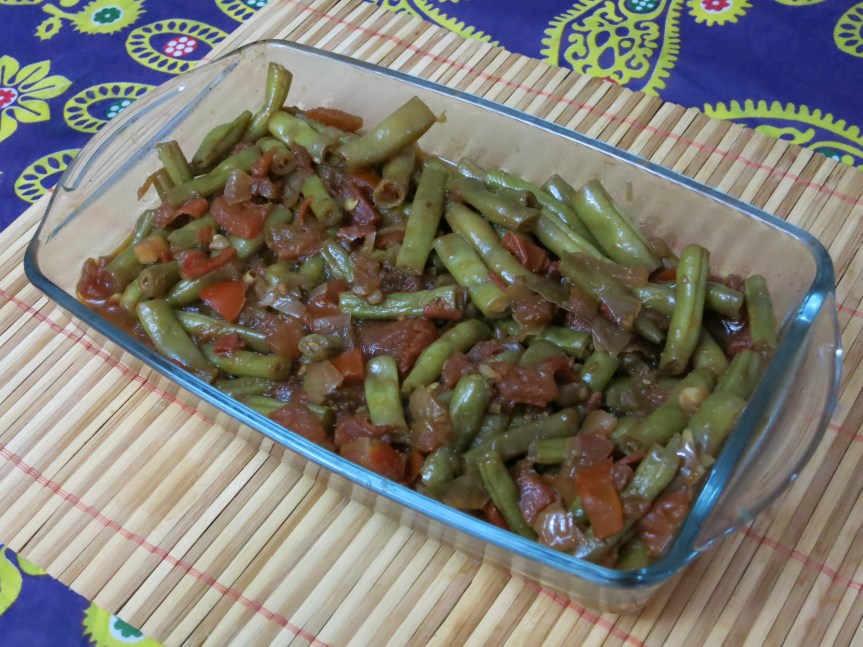
This week, Knidos Cookery Club is returning to the zeytinyağlı style of cooking to cook up a real bean feast with freshly-picked, tender green beans and juicy tomatoes.
Around this time of year, markets in Turkey are teeming with fresh beans in a variety of shapes and sizes. For a quick and easy meal, Knidos Cookery Club likes to chop the beans up and chuck them into a boiling pan of pasta and serve it all up with some generous dollops of pesto and shavings of parmesan.
For a traditional Turkish twist, combine your green beans with tomatoes to make zeytinyağlıtaze fasulye and serve it as a side-dish alongside other seasonal, vegetable dishes. Serving this dish on top of a bowl of steamed rice makes for a more substantial main meal.
Recipes for this bean feast often call for the addition of some sugar, but you can replace this with honey. For a richer sauce, I found some pekmez, molasses (usually made from crushed grapes), in the store cupboard and poured a bountiful slug of this into the mix, giving the onions in the finished dish a deep burgundy hue.
Another use for pekmez is to mix it with tahini, sesame seed paste, and this fabulous combination frequently features in a full-on Turkish breakfast; more on this in a later edition of Knidos Cookery Club.
Ingredients (Serves 3-4)
500 g fresh green beans
One medium-sized onion
One or two garlic cloves
Four medium-sized tomatoes
50 ml Olive oil
One teaspoon of honey or pekmez
Juice of one lemon
Pinches of salt, pepper and cumin
One bay leaf
250 ml warm water
Method
Heat the oil in a heavy-based pan and add the finely chopped onion and garlic when the oil’s sizzling.
When the onions are looking translucent, add the green beans, topped and tailed and sliced into 3-5 cm lengths, the chopped tomatoes and the bay leaf, salt, pepper and cumin and mix well.
Pour in the lemon juice, water and a dollop of pekmez or honey. Bring to the boil and then put the lid on the pan and cook over a low heat for 30 minutes or so until the beans are tender.
Serve with other vegetable dishes, bread and/or steamed rice.


 Knidos Cookery Club