12 February 2025
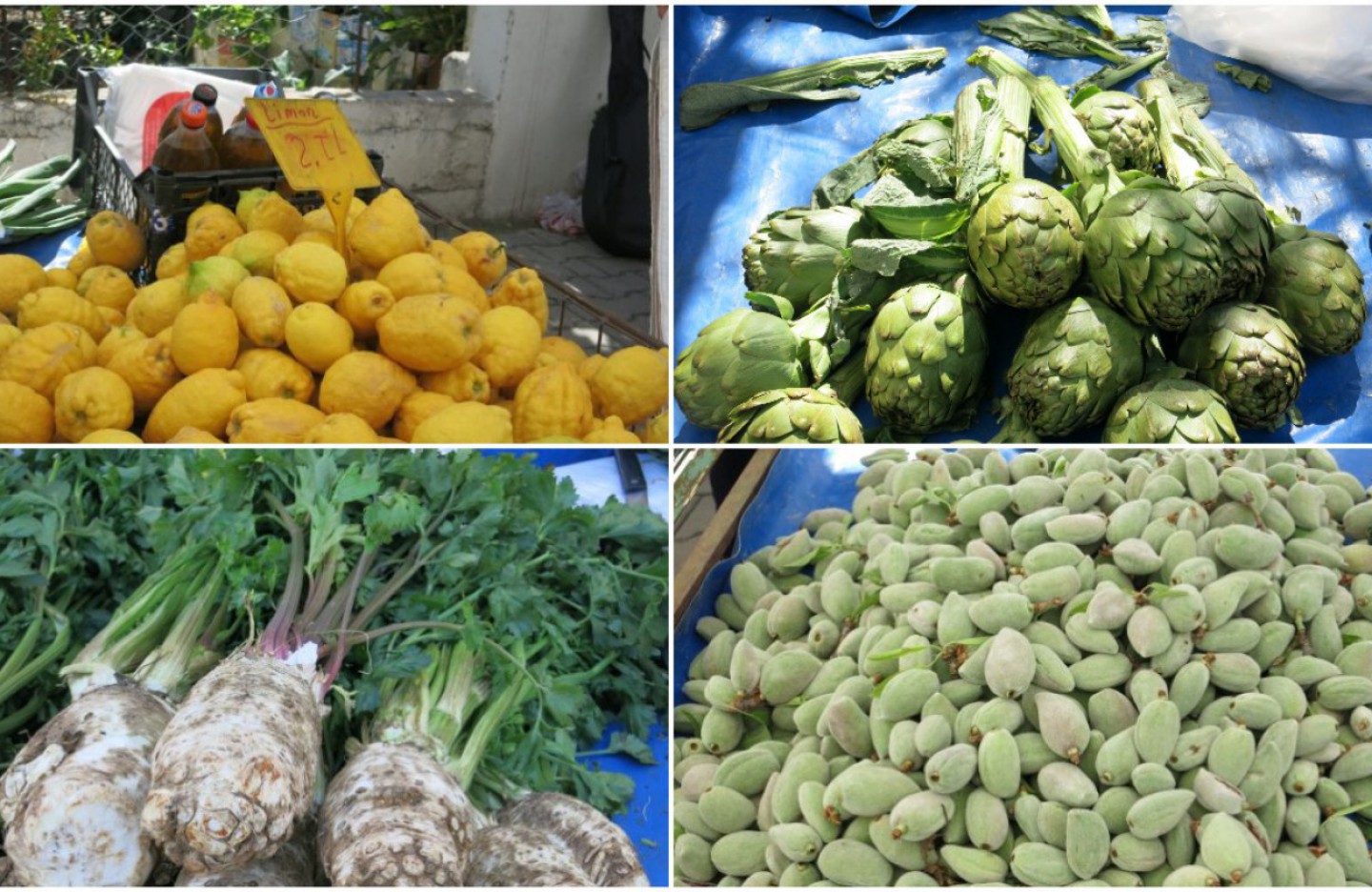
Almonds are on the agenda in KCC’s spiritual home of the Datça Peninsula this weekend as the Turkish seaside town hosts its annual Almond Blossom Festival.

The festival, which celebrates the blossoming of the peninsula’s almond trees, takes place between 13-16 February. Alongside live entertainment, with local faves Rampapa performing on Thursday and Anatolian psych rock legends Moğollar headlining on Saturday, there are cookery competitions, sports events and a speedy almond cracking contest.
Datça’s tasty almonds, badem in Turkish, are rightly famous all over Turkey – I remember sitting on a terrace in Istanbul’s Beyoğlu district, back in the days when it still had tables on the street, when a guy came round selling ice-chilled Datça almonds.
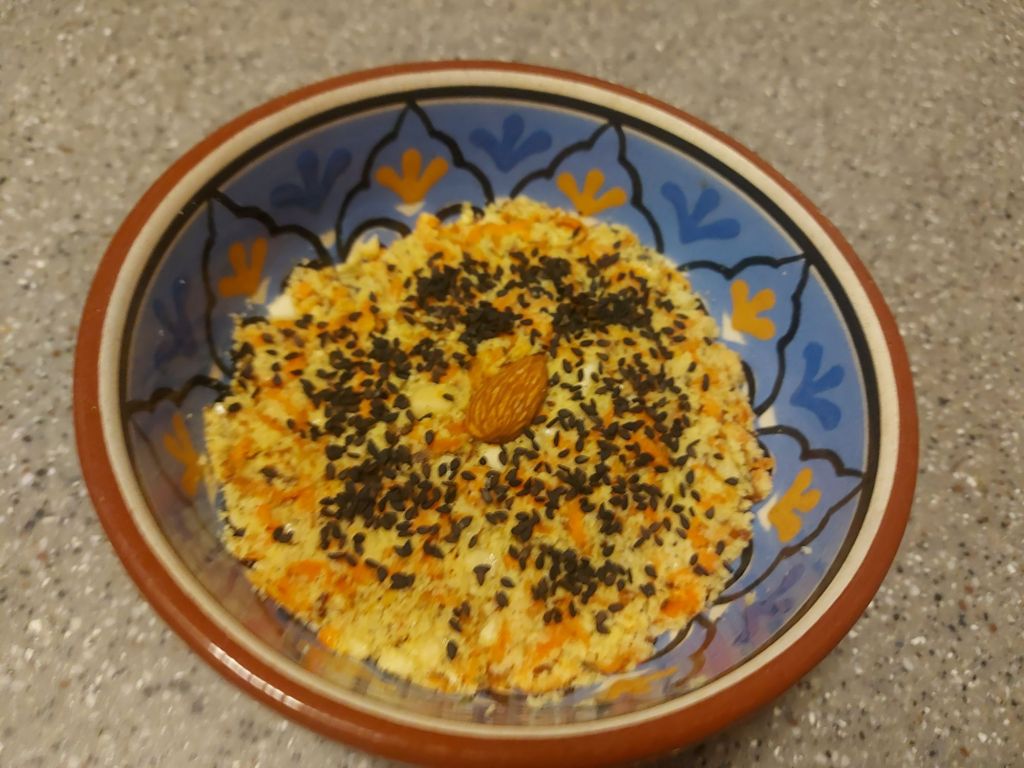
In Istanbul and along the Aegean coast tarator is a yogurt-infused meze made with carrots or courgettes and walnuts (recipe link here). Tarator started life in the eastern Mediterranean as a tahini-based dipping sauce for falafel. In Ottoman times it referred to a sauce made from walnuts, breadcrumbs and lemon juice (often served with kalimari), before it took on its yogurt iteration in the modern day. In Bulgaria, Tarator is the name of a yogurt-based, cold soup.
We adapted the recipe to make it vegan by replacing the yogurt with almond cream and gave it more of a Datça vibe by using almonds instead of walnuts and throwing in some local capers to give it an umami kick. The resulting dip had a thicker consistency than the yogurt version – it came out more like a savoury carrot halwa, but was still delicious.
Ingredients
- 100 g blanched almonds
- 50 ml cold water
- Two teaspoons apple cider vinegar
- 20 capers (with brine)
- 150 g carrot
- One or two garlic cloves (optional)
- Pinches of herbs and spices of your choice (e.g. oregano, black pepper, salt, sumac, red chili flakes)
- One teaspoon nigella (black cumin) seeds
Method
- If your almonds have skins on, then pour hot water over the almonds and leave for a minute or two. Drain off the water and peel the nuts between your fingers. Set aside 20 g of the nuts. Cover the remaining almonds with cold water and leave to soak overnight.
- Drain the almonds and put in a blender bowl. add the vinegar, capers and water and blitz to a smooth cream. Add more water if needed (10 ml at a time) to get the required creamy consistency.
- Heat the oil in a heavy-based pan, grate the carrot and saute it in the oil for ten minutes over a medium heat. Add diced garlic (if using), the remaining almonds (crushed with a rolling pin or wooden spoon) and pinches of herbs and spices (as needed).
- Allow the carrot mix to cool and then blend with the almond cream. Garnish with nigella seeds and some unblanched almonds. Serve as part of a meze set or as a dip.

 Knidos Cookery Club